
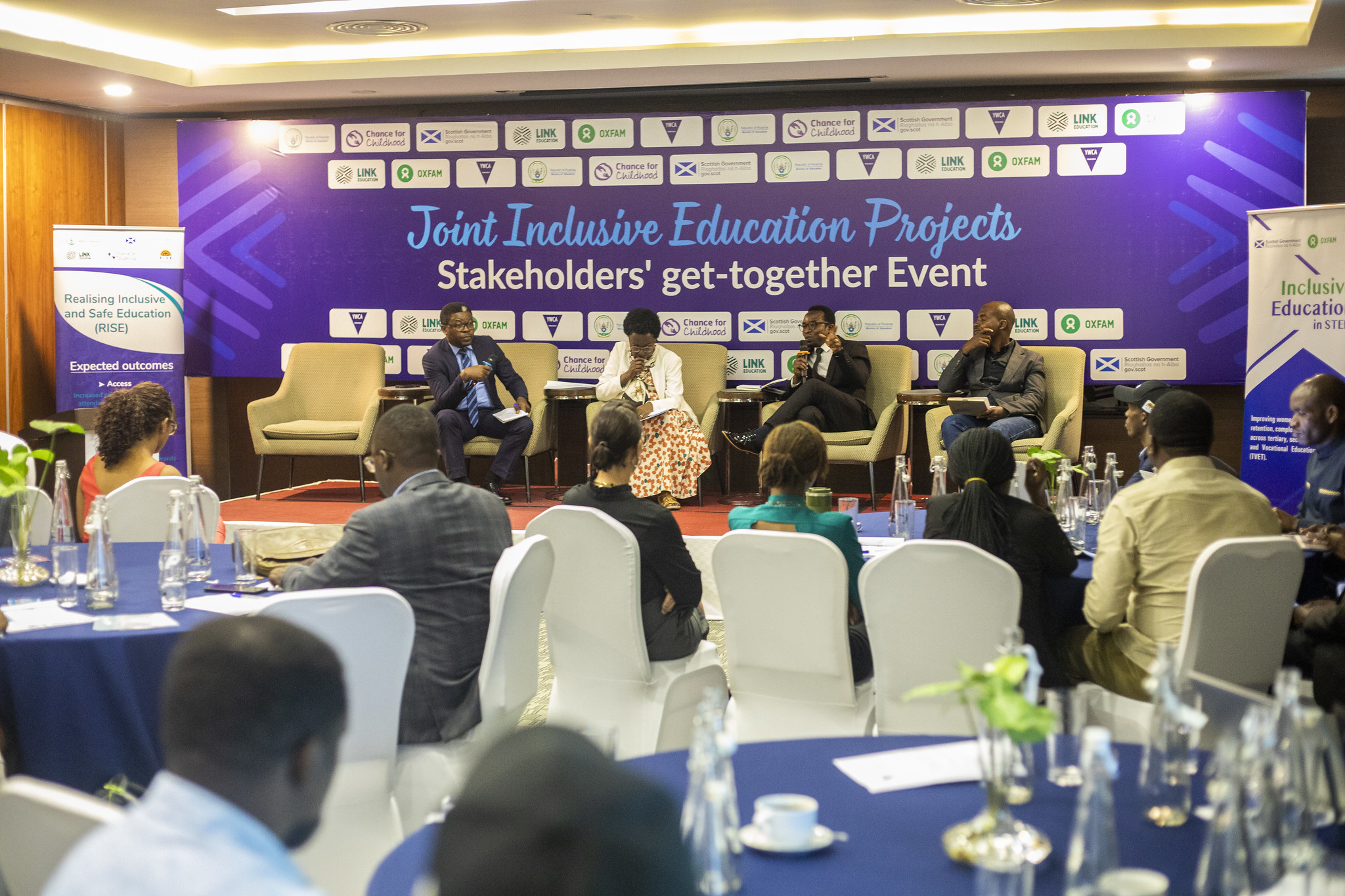
Stakeholders push for inclusive education, focus on children with disabilities and girls
By Elias HAKIZIMANA
Education stakeholders in Rwanda are calling for greater investment and policy support to enhance inclusive education, as efforts to support girls in STEM and children with disabilities gain momentum.
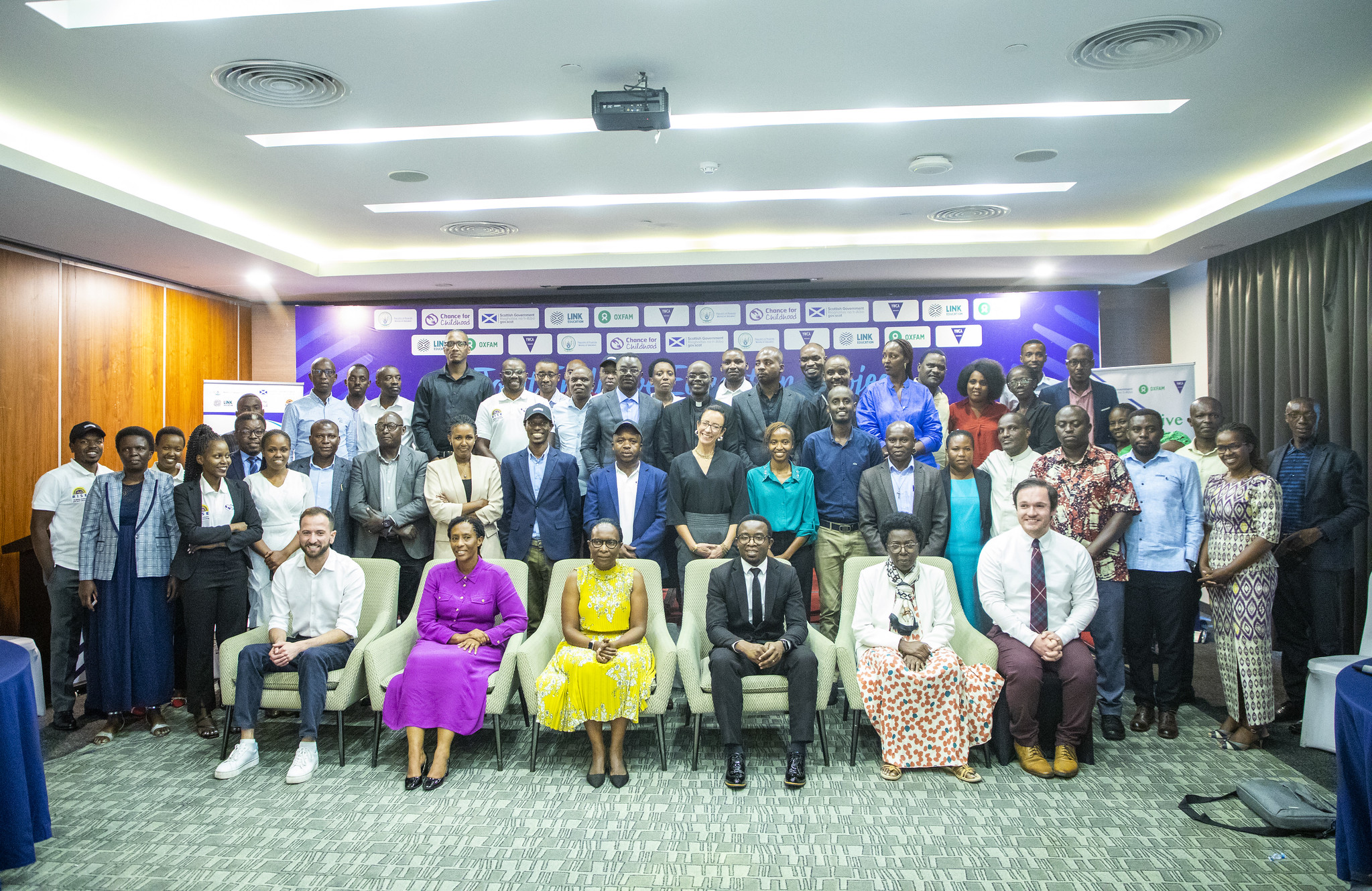
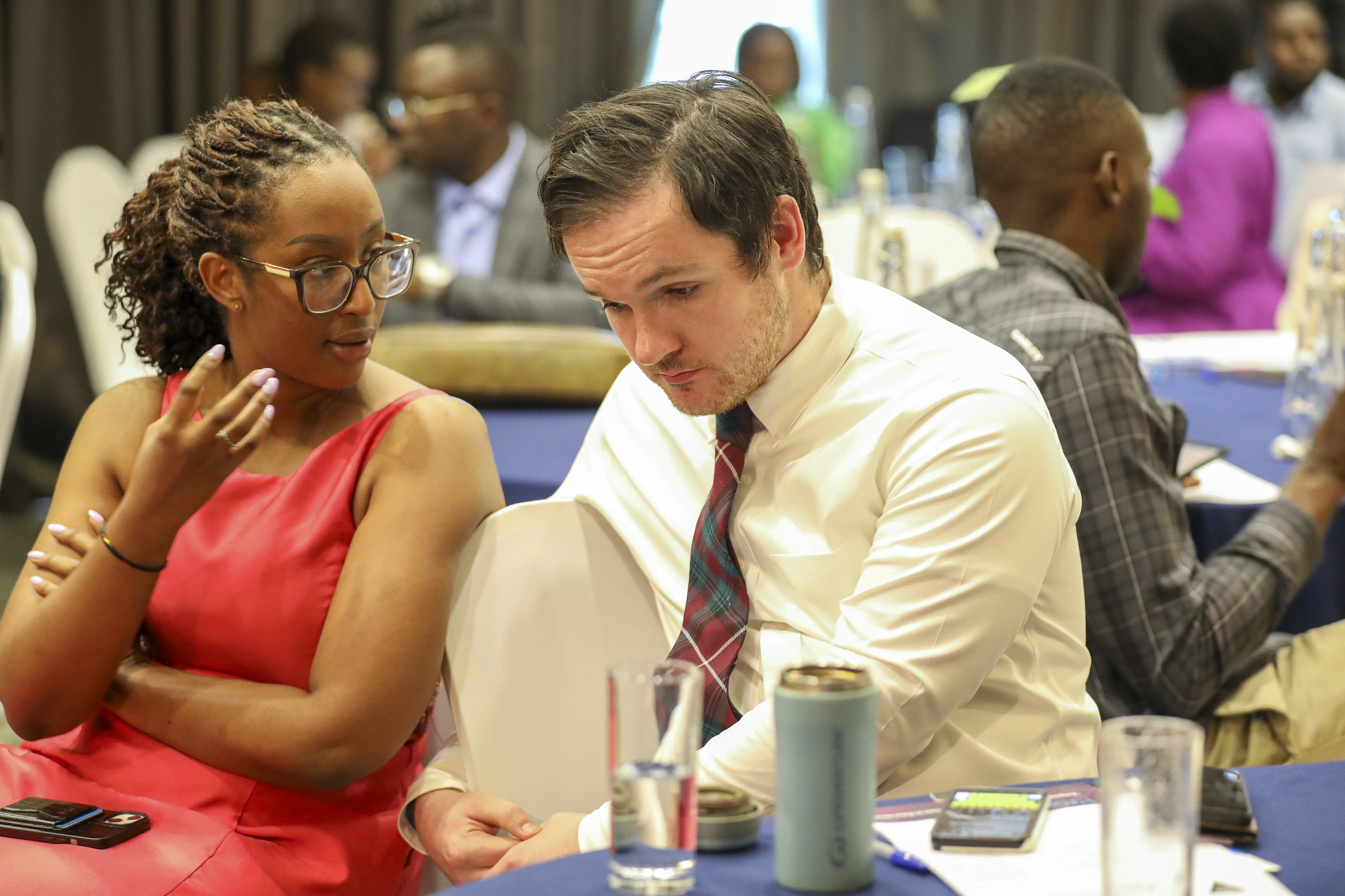
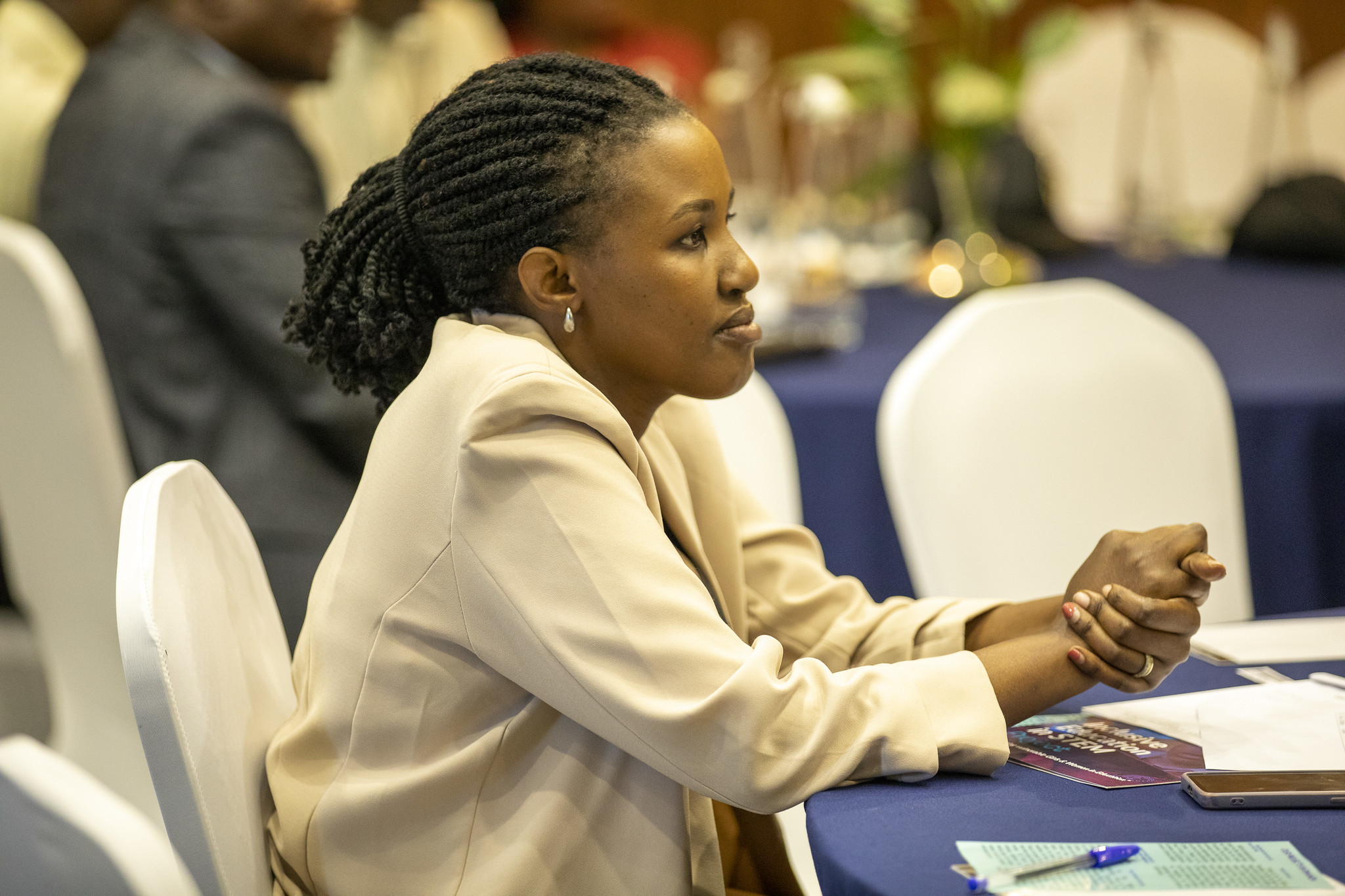
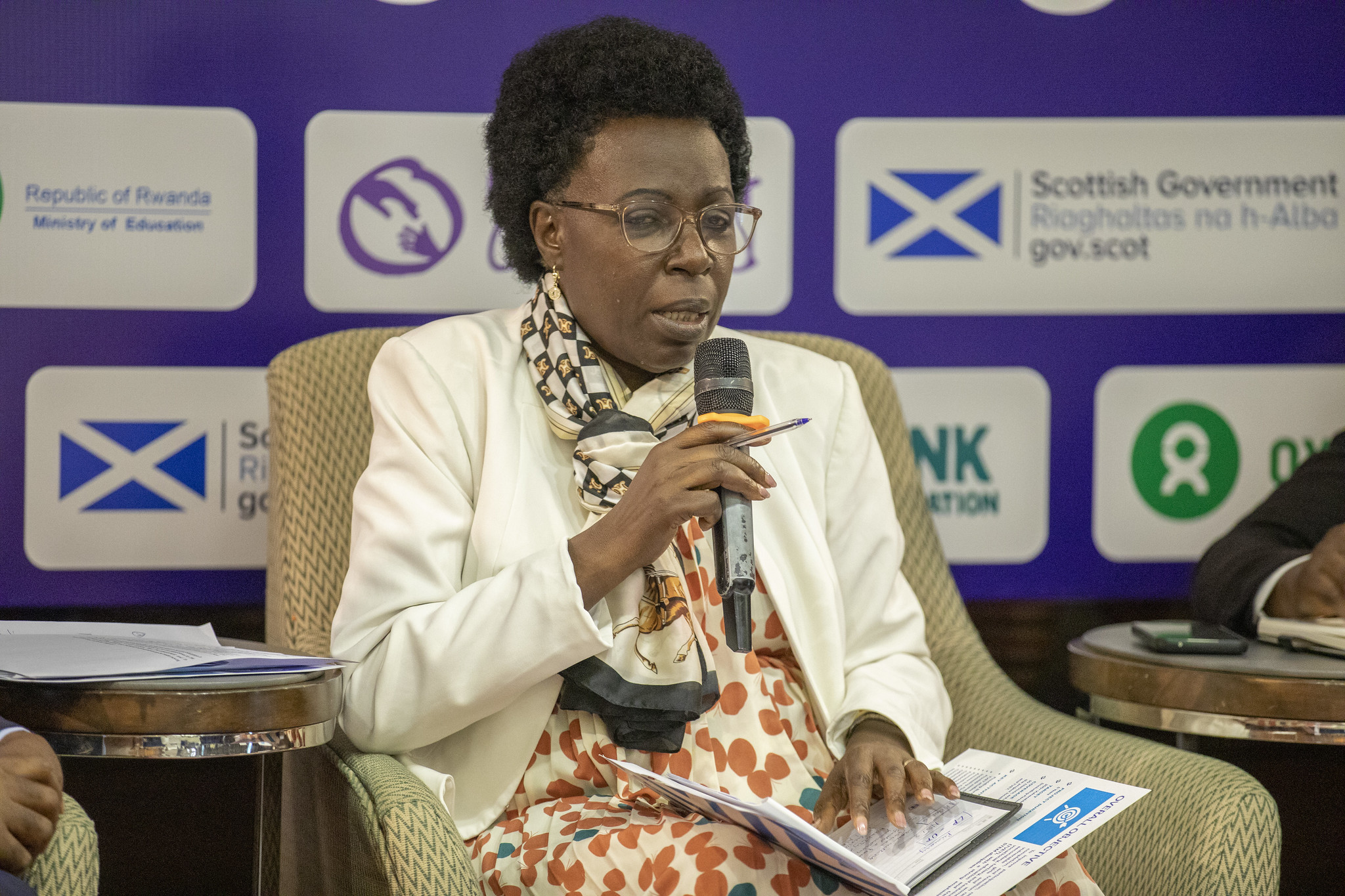
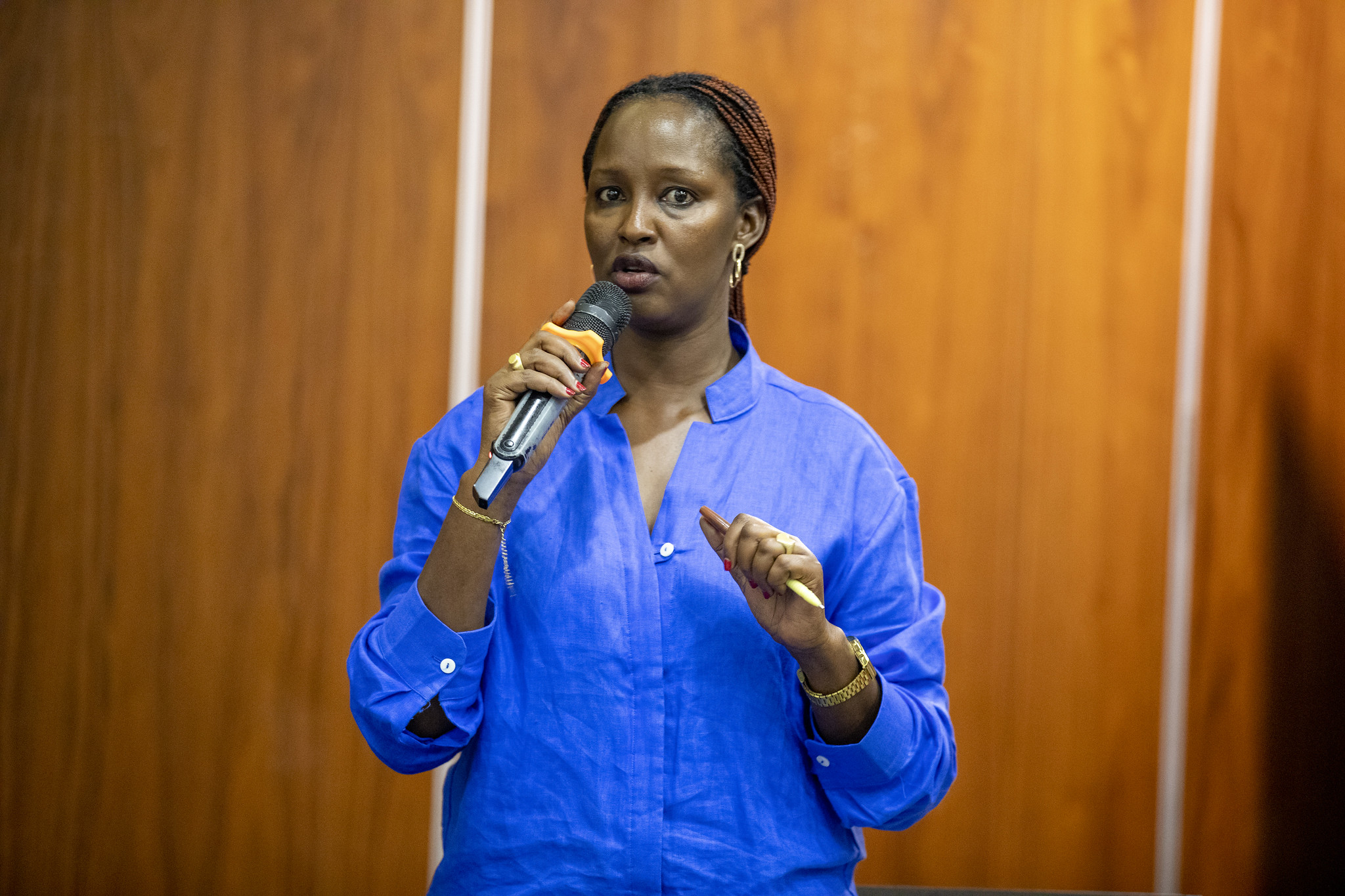
This call to action was made during the ‘Stakeholders Get-Together Event on Inclusive Education Projects,’ held in Kigali on February 18, 2025.
The event was organized by Chance for Childhood (CfC) and Young Women’s Christian Association Rwanda (YWCA Rwanda), in partnership with Link Education International (LEI) and Oxfam respectivly with funding support of the Scottish government.
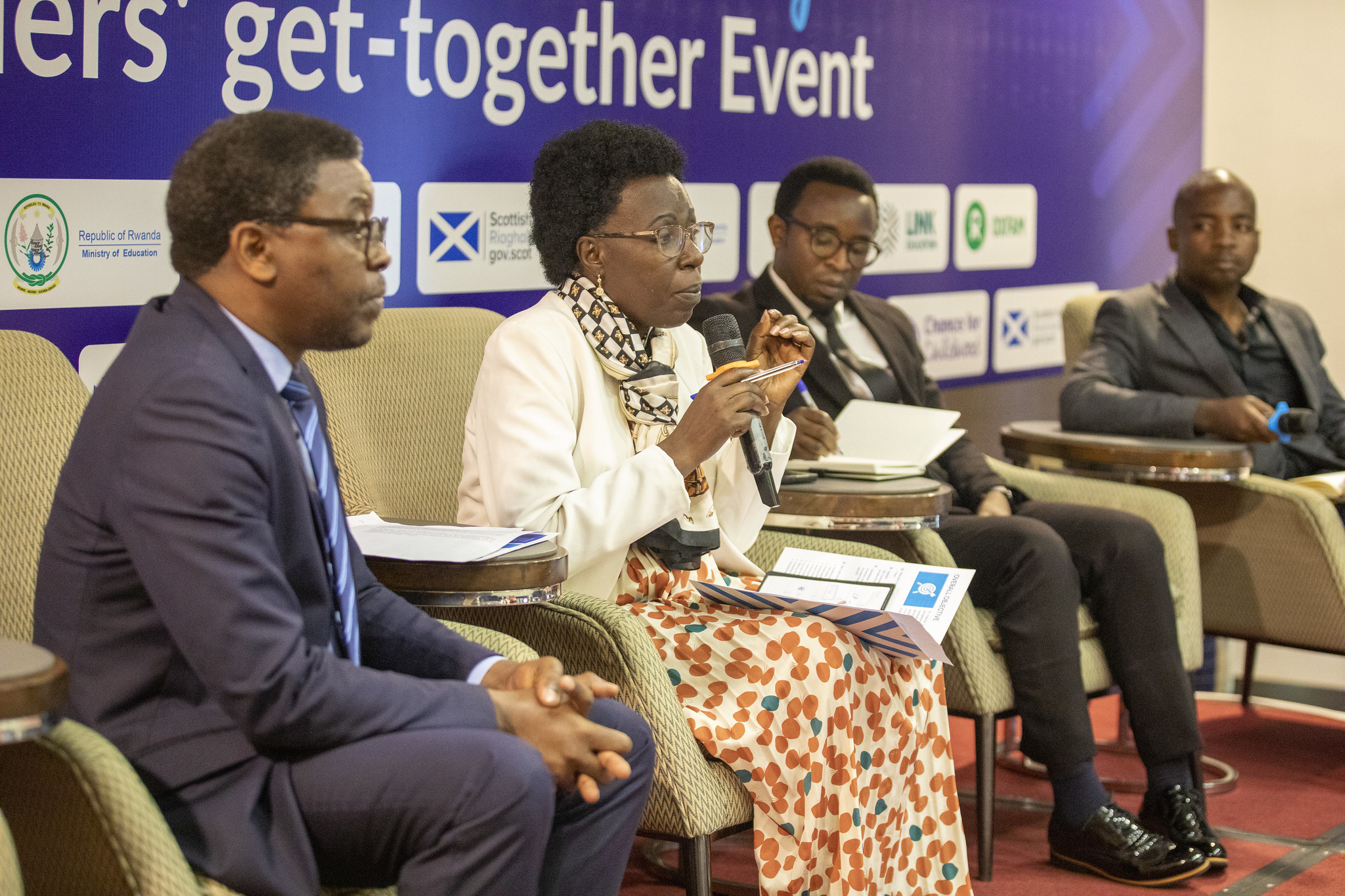
Scaling up efforts for marginalized learners
The event highlighted two major education initiatives— Realizing Inclusive and Safe Education (RISE)—and Inclusive Education in STEM both funded by the Scottish Government.
While implemented independently, these programs share the goal of fostering a more equitable and inclusive education system in Rwanda.
Felicien Turatsinze, Country Director of Chance for Childhood, reaffirmed the organization’s commitment to inclusive education in Rwanda. Since 2009, Chance for Childhood has partnered with the government to enhance learning opportunities for children with disabilities.
Through the RISE initiative, they aim to transform 57 schools into inclusive education models, train over 1,400 teachers, and support 100,000 children.
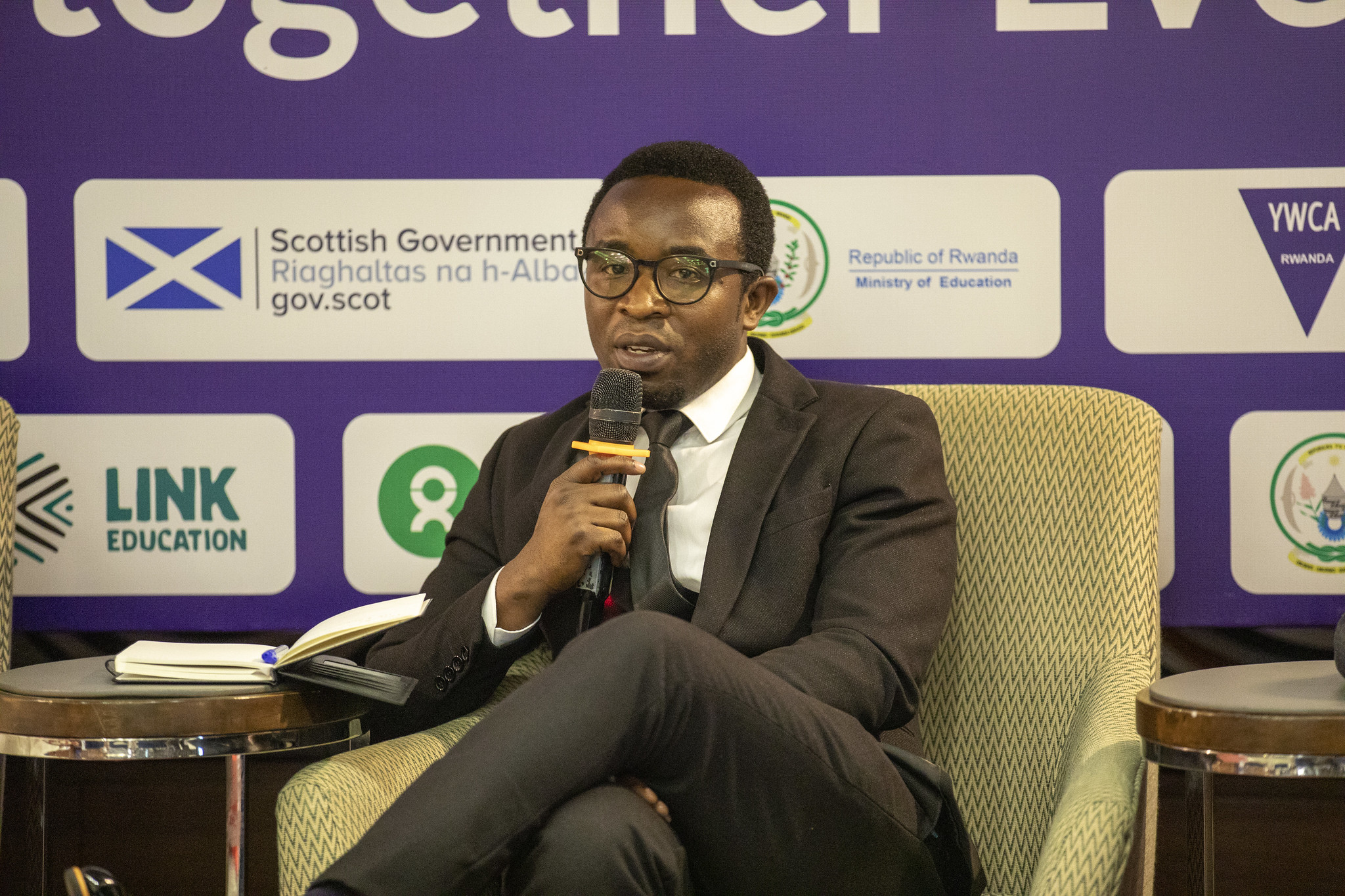
“We reaffirm our commitment to transforming Rwanda’s education sector by training teachers, enhancing assessment methods, and ensuring that every child, including those with disabilities, receives quality education. Together, we can create an inclusive, equitable, and accessible learning environment for all,” Turatsinze stated.
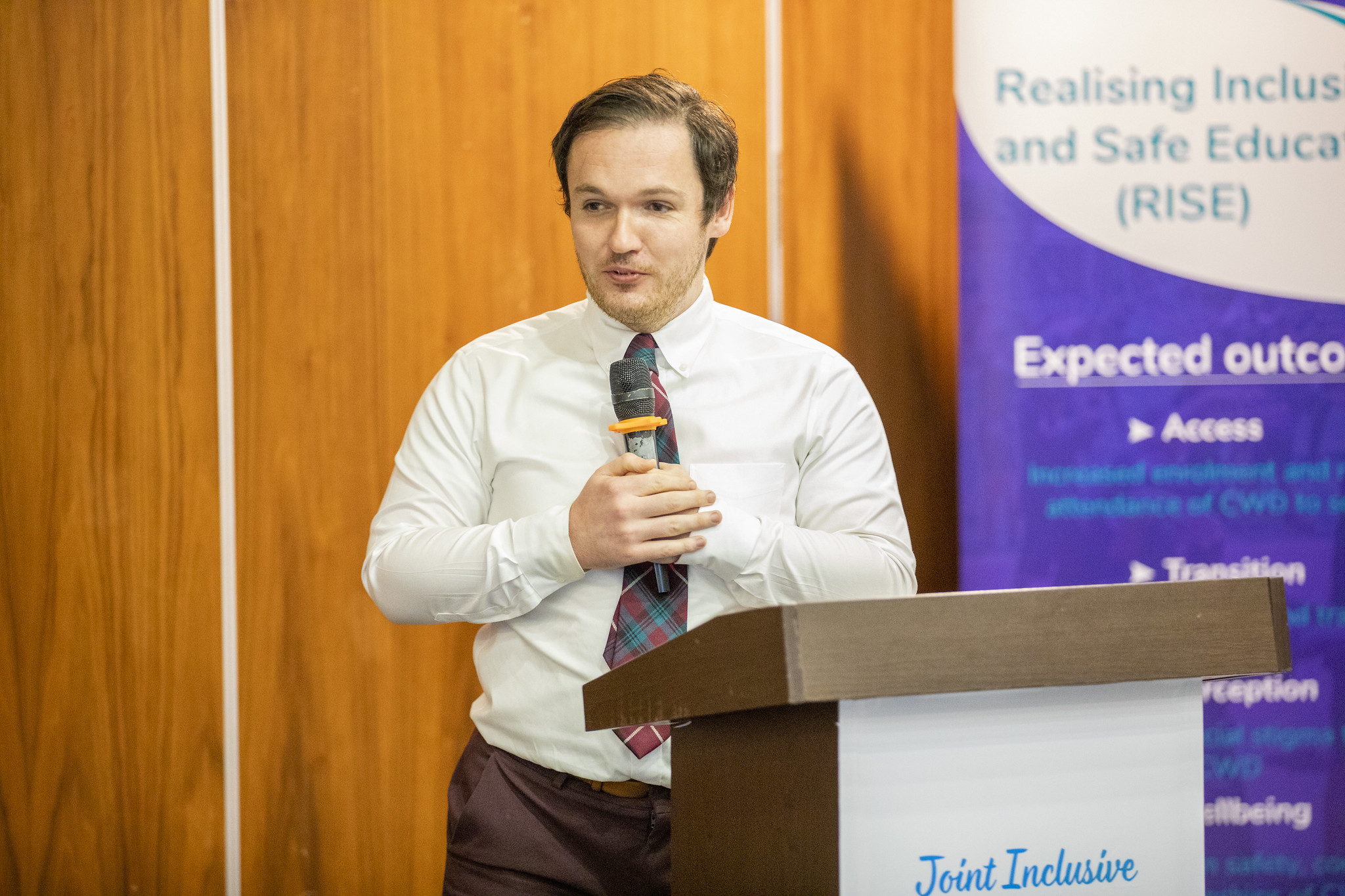
NIALL MCCUMESTY, Global Health Policy and Program Manager at the Scottish Government, emphasized Scotland’s role as a committed partner in Rwanda’s inclusive education efforts, rather than just a donor.
He praised Chance for Childhood and YWCA Rwanda for their dedication to transforming education for marginalized children.
“We are investing in the potential of every child and young woman in Rwanda to reach their full potential. I know the journey ahead together will have challenges, but I am confident that working together we can achieve our goals in partnership.”
Closing the gender gap in STEM
A persistent gender gap in science and technology fields has left many girls behind, but Rwanda is taking steps to change that.
The Inclusive Education in STEM Project is addressing this disparity by providing bursaries to over 200 girls and raising awareness about technical and vocational education (TVET) opportunities.
“STEM education is the foundation for future job markets. If we don’t support girls now, we risk leaving half the population behind in Rwanda’s economic development,” an advocate for girls’ education emphasized.
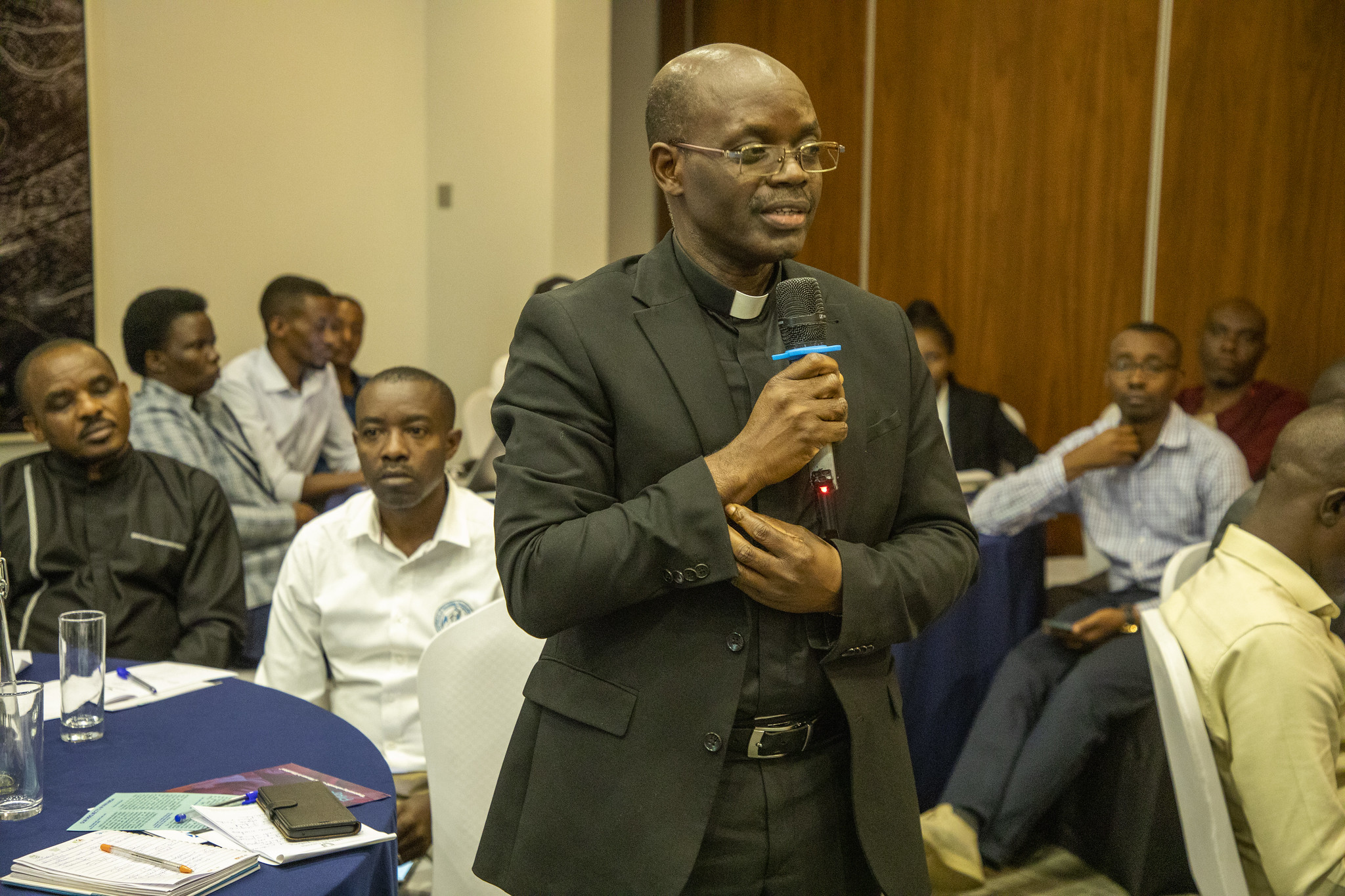
Studies show that increasing female participation in science, engineering, and technology can drive innovation and economic growth.
Ensuring equal access for children with disabilities
Another major challenge discussed at the event was the lack of accessible education for children with disabilities.
The RISE program, now in its fifth year, will reach more than 5,130 children with disabilities and/or special educational needs across three districts in Rwanda’s Northern Province. However, advocates warned that many more children with disabilities remain out of school due to inaccessible infrastructure, a lack of specialized teachers, and financial constraints.
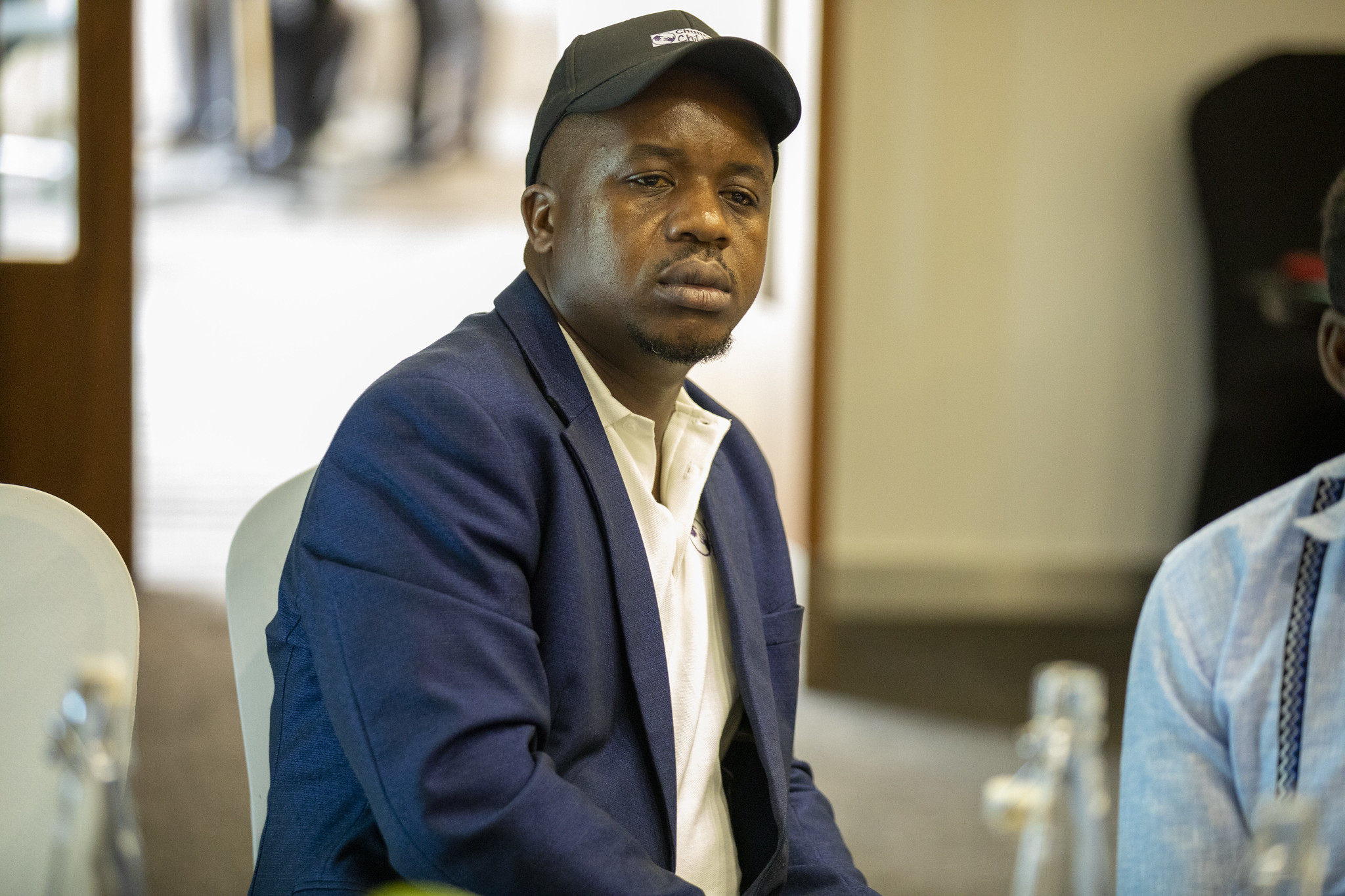
Theophile NTIGURIRWA, the Realizing Inclusive and Safe Education (RISE) Project Manager at CfC, stated: “Our main goal is to promote Inclusive and Safe Education by identifying children with disabilities and special educational needs, conducting comprehensive special educational needs (SEN) assessments, and referring them to the appropriate services. We will also ensure the provision of assistive devices, enhance teachers’ capacities through professional development on IE, and raise awareness within the community to foster greater engagement and support.”
A call for action and collaboration
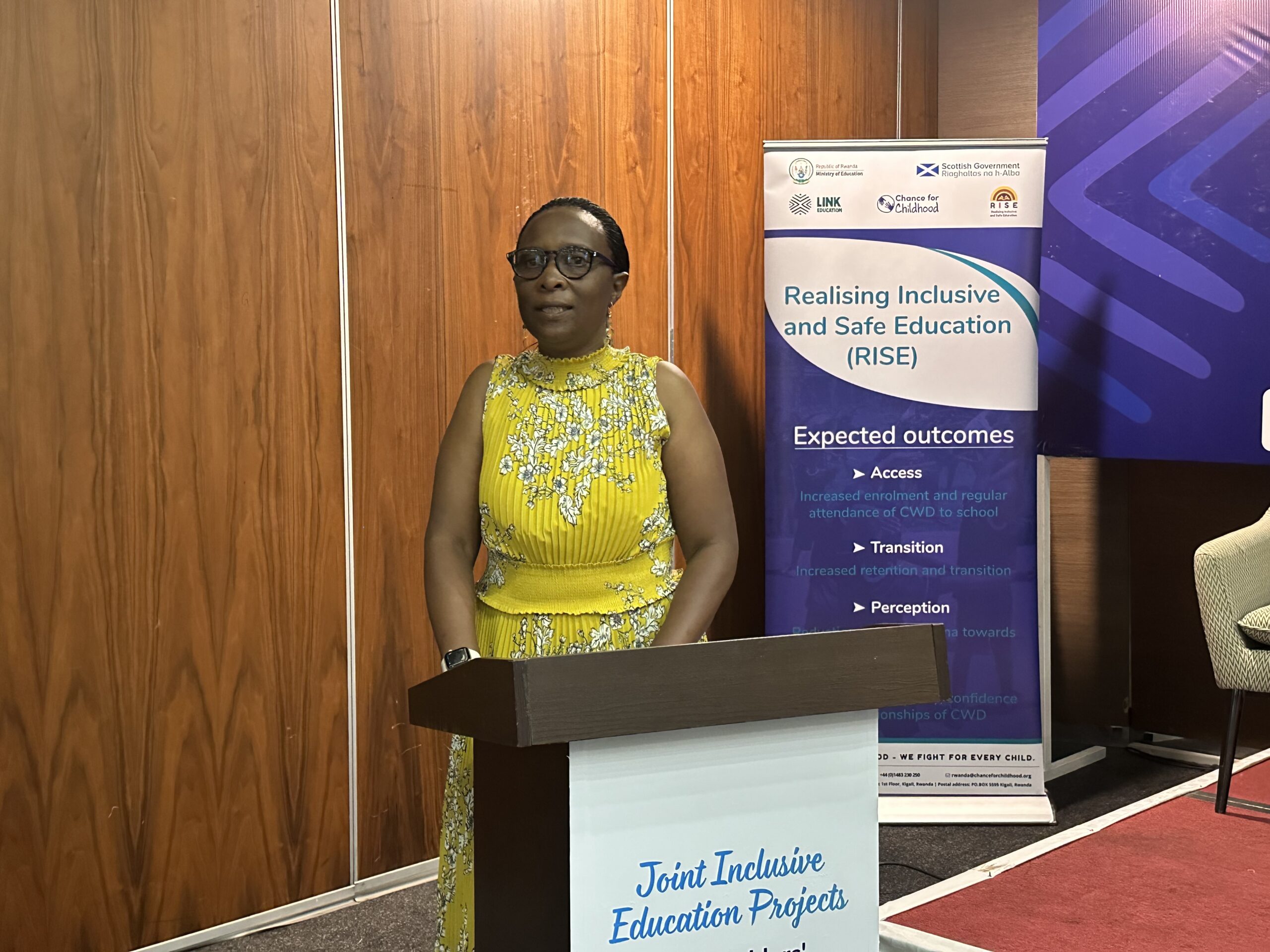
Pudentienne Uzamukunda, Secretary General of YWCA Rwanda, highlighted YWCA Rwanda’s commitment to empowering women and girls, emphasizing its vision of a society free from poverty and inequality.
Since its establishment in 1995, YWCA has focused on grassroots initiatives, including vulnerable household support, gender-based violence prevention, and young women’s empowerment.
In 2024 alone, the organization impacted 500,000 beneficiaries across 17 districts, with women and girls making up 85% of those served.
“We believe that women cannot be truly empowered while living under the threat of gender-based violence. Through our programs, we work to protect and support survivors while advocating for systemic change, ensuring a safer and more equitable society for all,” Uzamukunda noted.
Addressing the issue of out-of-school children, Paulin Ndahayo, Education Lead at Save the Children Rwanda and Program Manager of the Zero Out-of-School Children Project, said they are ready to collaborate with stakeholders mainly RISE project which is aligned with Zero out of school children project to ensure inclusive education is a reality in Rwanda.
“We have identified children, assessed their challenges, and we aim to work with these stakeholders to reintegrate children with disabilities into schools. Through our partnership with the Government of Rwanda, particularly the Ministry of Education, we ensure this initiative is effectively implemented. By learning from each other and working together, we can achieve success,” he said.
A recent survey by Save the Children Rwanda identified 177,119 children who had not accessed education.
Over the past year, 143,000 were approached, and more than 50,000 were reintegrated into school. The survey found that poverty remains the leading cause of school dropouts.
With Rwanda positioning itself as a leader in inclusive education, stakeholders insist that now is the time to build on existing efforts and ensure that no child is left behind. The success of these programs could serve as a model for other African nations looking to make education more equitable and accessible for all.
theinspirerpublications@gmail.com



Leave a Reply