
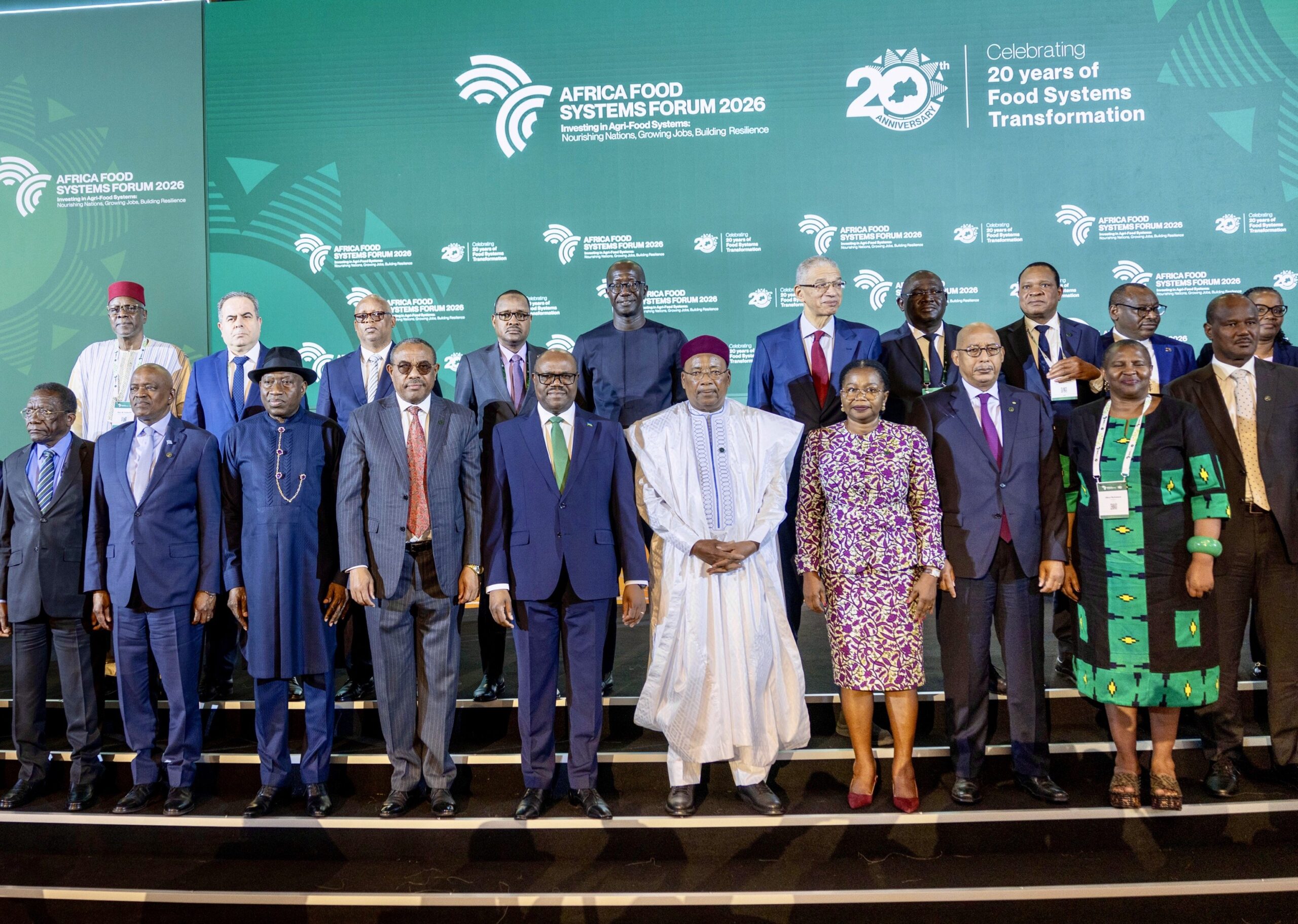
Rwanda urges stronger governance and investment as Africa Food Systems Forum opens in Kigali
By Elias Hakizimana.
Rwanda has urged African countries to strengthen governance, mobilise more investment and turn food-system commitments into concrete results for farmers, businesses and citizens as the 20th Africa Food Systems Forum opened in Kigali on September 2, 2026.
The official opening brought together government leaders, former heads of state and government, investors, development partners, farmers’ organisations, researchers and private-sector representatives from across Africa and beyond.
The summit, held under the theme “Investing in Africa’s Agri-Food Systems: Nourishing Nations, Growing Jobs, Building Resilience,” has attracted more than 5,000 participants from over 50 countries.
Rwanda’s Prime Minister, Dr. Justin Nsengiyumva, who officiated the opening on behalf of President Paul Kagame, said Africa’s food economy should be treated as a major engine of economic transformation rather than simply an agricultural concern.
He highlighted opportunities in logistics, irrigation, energy, mechanisation, digital services, insurance, processing and retail, calling for stronger partnerships to connect investment capital with these opportunities while ensuring that farmers, women and young people benefit from the growth.
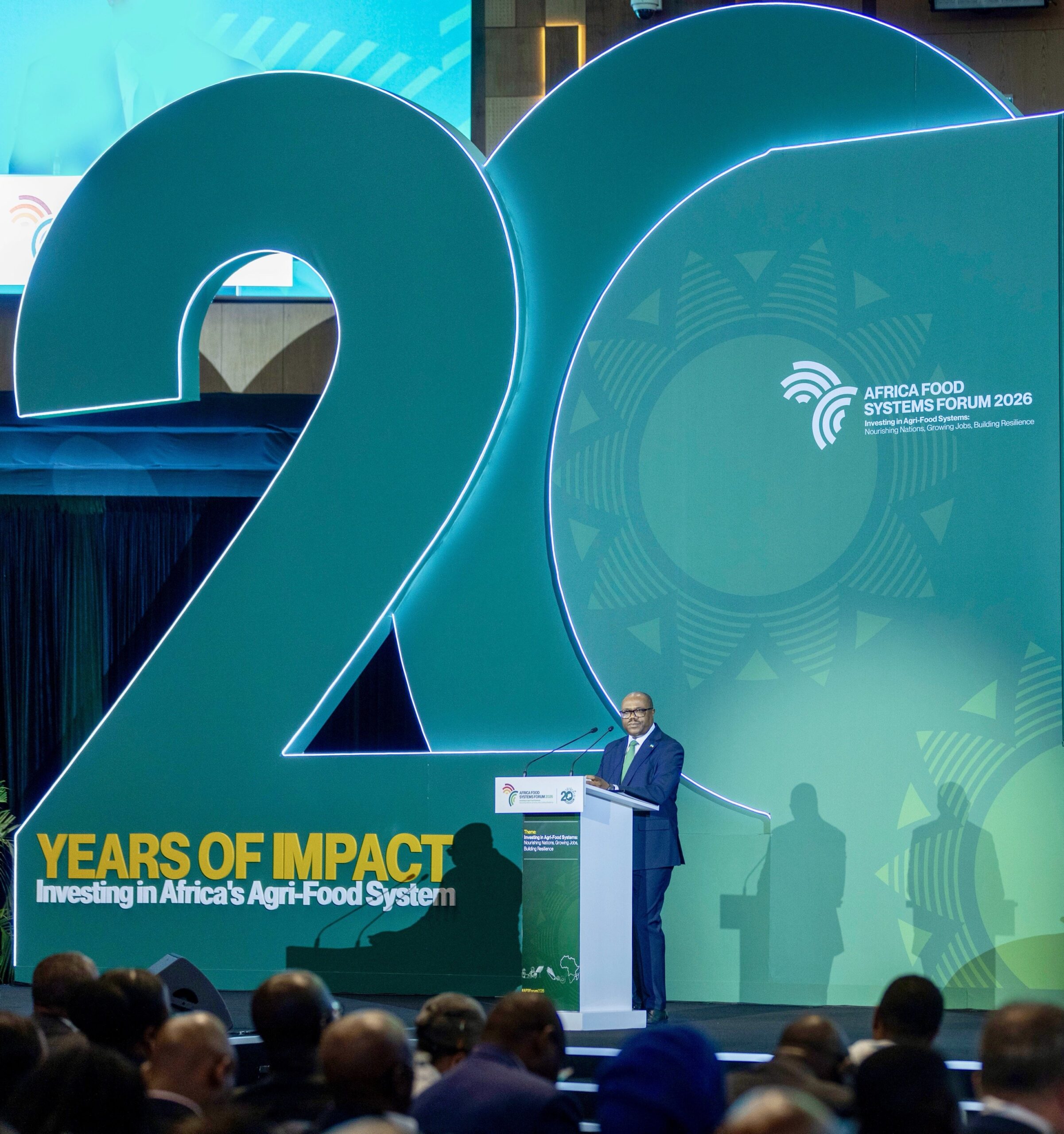
The Prime Minister placed governance at the centre of Africa’s food-system transformation, saying effective institutions, coordination and accountability are necessary to turn policies and investments into results.
“Strong and effective governance is the bedrock of food system transformation,” he said.
He called on African governments and their partners to move “from dialogue to implementation” and from commitments to investments that reach farmers, businesses and communities.
For Rwanda, hosting the forum offers an opportunity to showcase the country’s experience in agricultural transformation while attracting new partnerships and investment into the sector.
The government says progress made over the past three decades demonstrates the impact that can be achieved when policies, institutions, farmers, technology and partnerships work together.
However, the Prime Minister said the bigger challenge is ensuring that commitments made in Kigali continue to deliver results long after the summit ends.
He challenged stakeholders to address how Africa will finance its food-system transformation, make agricultural projects attractive to investors and bring more private capital into the sector.
The opening also marked two decades of the Africa Food Systems Forum, which has grown from a relatively small gathering into a major continental platform for discussions on agriculture, food security, investment and economic transformation.
AGRA President Alice Ruhweza said Africa’s farmers should not be viewed as people waiting to be rescued, but as entrepreneurs who need the right systems around them to succeed.
She identified access to quality seeds, soil knowledge, markets, finance and supportive policies as critical to enabling farmers to build profitable businesses.
Yara International’s Arne Cartridge said Africa still has an “unfinished business” around agricultural productivity, while calling for stronger political coordination and greater integration of African markets.
He argued that fragmented national markets limit the continent’s ability to achieve the scale needed for investment and economic growth.
He also highlighted the need to ensure that emerging technologies, including artificial intelligence, become useful tools for smallholder farmers rather than remaining concentrated among larger players.
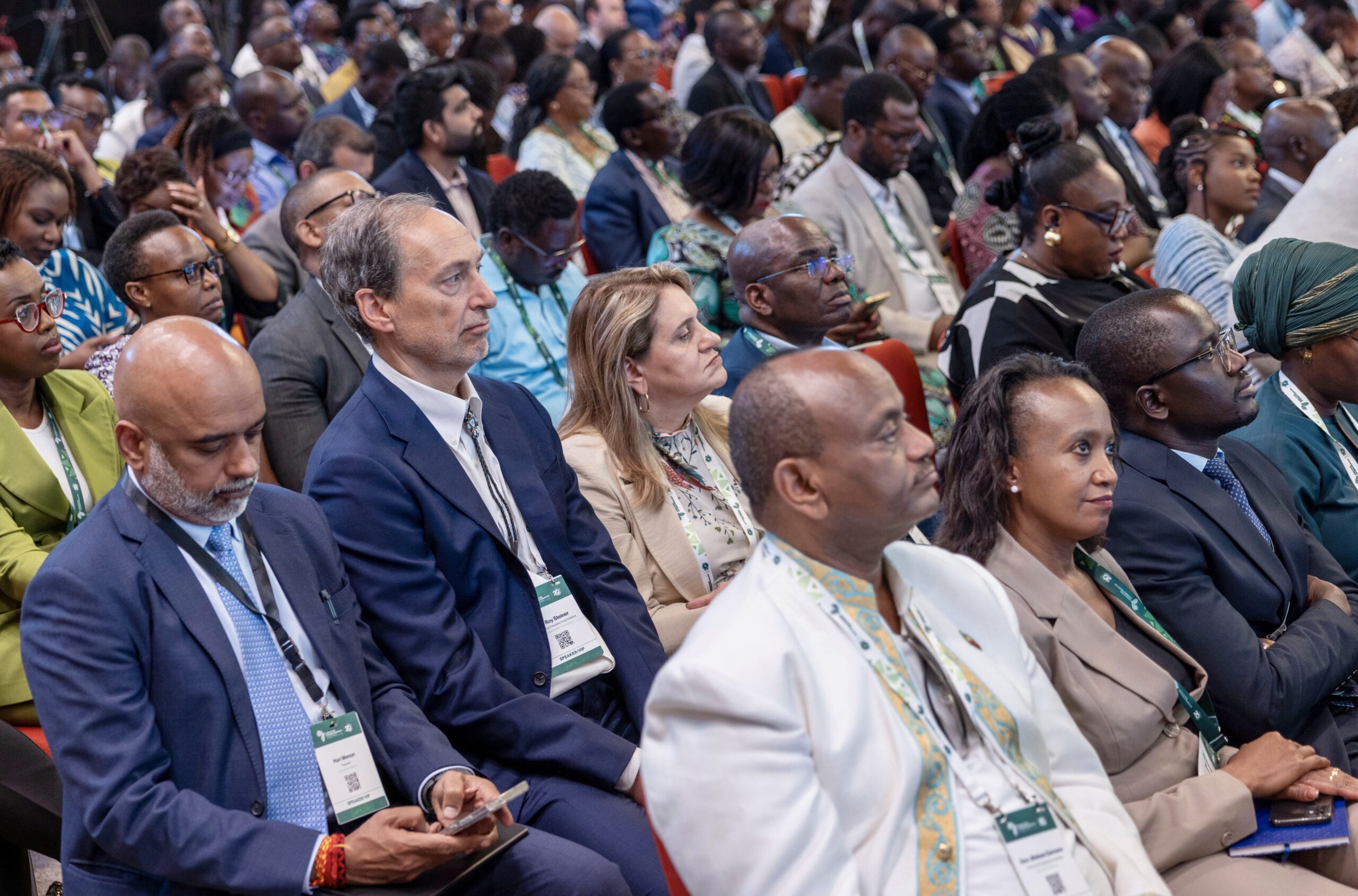
The forum’s discussions also highlighted nutrition as an unresolved challenge despite progress in food production.
Speakers argued that producing more food will not automatically translate into better nutrition unless African countries strengthen the systems connecting agriculture, markets, health and consumers.
For Rwanda, the discussions put a broader spotlight on the country’s ambitions to use agriculture not only to produce food, but also to create jobs, raise farmers’ incomes, attract investment and strengthen national resilience.
The central message from the opening was therefore less about producing more food alone and more about building food systems capable of delivering economic opportunities and better livelihoods.
As the summit continues, Rwanda is seeking to use the gathering to deepen partnerships and turn discussions on investment, innovation, climate resilience, trade and food security into practical opportunities for the country and the wider continent.
theinspirerpublications@gmail.com



Leave a Reply