

Uganda pushes solar energy and finance to modernise dairy sector
By Elias Hakizimana.
Uganda is seeking to expand the use of renewable energy and commercial financing in its dairy sector as the country looks to reduce post-harvest losses, lower production costs and increase farmers’ incomes.
The call was made during the Climate Finance Nexus Forum held on the sidelines of the Africa Food Systems Forum 2026 in Kigali, where Ugandan government officials, financial institutions, development partners and farmer organisations discussed ways of making climate-smart agricultural investments commercially viable and scalable.
The forum also featured a bilateral memorandum of understanding between Stanbic Bank Uganda and Heifer International Uganda aimed at strengthening partnerships around climate finance and productive renewable energy solutions.

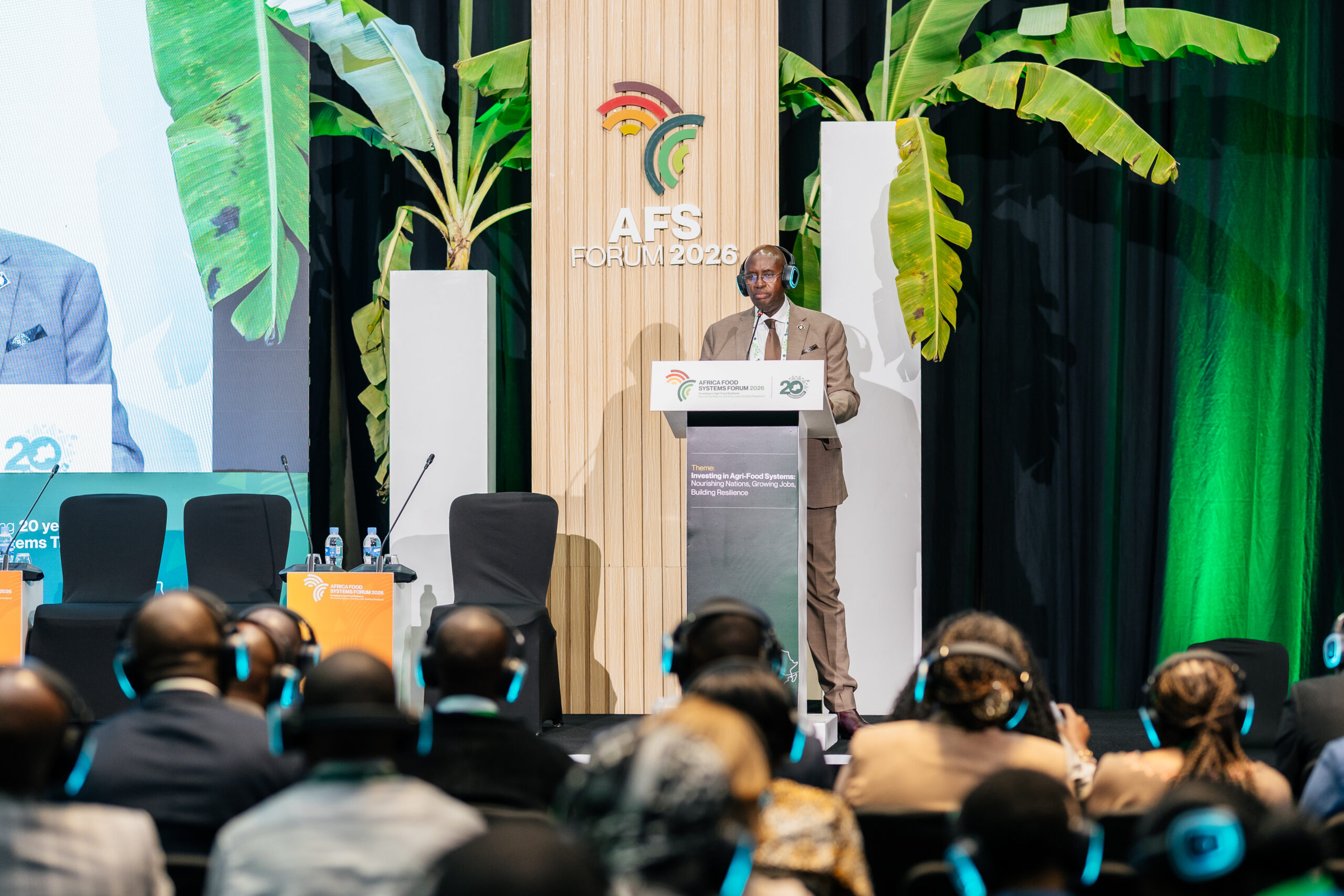
Uganda’s Minister of State for Animal Husbandry, Hon. Bright Rwamirama, said reliable and affordable energy is increasingly important to the country’s growing dairy industry, particularly for milk chilling, storage and processing.
“Milk is highly perishable and without dependable energy for chilling, storage and processing, farmers and cooperatives lose value, compromise quality and miss opportunities for value addition and access to better markets,” Rwamirama said.
He said Uganda has made significant progress in electricity generation, with installed generation capacity reaching about 2,098 megawatts by the end of 2025, around 95 percent of which comes from renewable sources.
However, he said the challenge is no longer simply generating more electricity but ensuring that energy reaches productive enterprises, particularly in rural communities.
Solar seen as opportunity for dairy farmers
Rwamirama identified distributed renewable energy, particularly solar power, as an opportunity to address some of the energy challenges facing dairy cooperatives and agricultural enterprises.
Solar-powered cooling systems, he said, can reduce dependence on expensive backup energy, preserve milk quality, reduce losses and lower operating costs.
“When renewable energy reduces costs, increases productivity and strengthens the profitability of the cooperative, it becomes not only a climate intervention but also a sound business investment,” he said.
The minister stressed, however, that technology alone would not be enough to transform the sector.
Farmers and cooperatives need access to affordable financing to invest in renewable energy systems and modernise their businesses, he said.
“Farmers, cooperatives and agricultural enterprises need access to appropriate and affordable financing to invest in these technologies and modernize their business enterprises,” Rwamirama said.
He called for stronger collaboration between government, financial institutions, development partners, private companies and farmer organisations to develop financing models suited to agricultural businesses.

Uganda’s dairy sector offers investment potential
Rwamirama said Uganda has a substantial livestock and dairy base that presents opportunities for investment and value addition.
He cited a cattle population of about 16.4 million, of which around 40 percent are exotic dairy cattle. The country also has approximately 17.5 million goats, five million sheep, eight million pigs and 120 million poultry, he said.
Uganda produces about 5.4 billion litres of milk annually and has 162 small and medium-sized milk-processing plants, alongside about 1,008 milk collection centres and 23 bulking centres, according to the minister.
He said the government, together with development partners including Heifer International, has supported farmers and cooperatives with milk-processing facilities.
“The opportunity is enormous,” Rwamirama said.
The challenge now, he added, is to move beyond individual successful projects and develop financing models that can be replicated across Uganda’s dairy sector and other agricultural value chains.

Linking climate solutions to commercial investment
Rwamirama said Uganda wants to connect productive agricultural businesses with appropriate technologies, reliable markets and suitable financing.
“When these elements come together, climate solutions become investable opportunities capable of attracting capital,” he said.
The approach was reflected in the forum’s focus on partnerships between development organisations, financial institutions, technology providers, farmer cooperatives and market actors.
Heifer International Uganda highlighted its role in preparing cooperatives to access commercial financing, including strengthening governance, developing business plans, improving financial systems and supporting technical assessments for renewable energy investments.
The organisation has also worked with partners to develop financing and technical models for solar systems serving agricultural cooperatives, with the aim of making such investments financially sustainable and suitable for wider replication.
For cooperatives, the benefits extend beyond lower energy costs.
Experiences shared at the forum showed that access to solar energy and improved infrastructure can enable cooperatives to expand services to farmers, support animal health and food-related businesses and create new opportunities for value addition.
Financing the transition
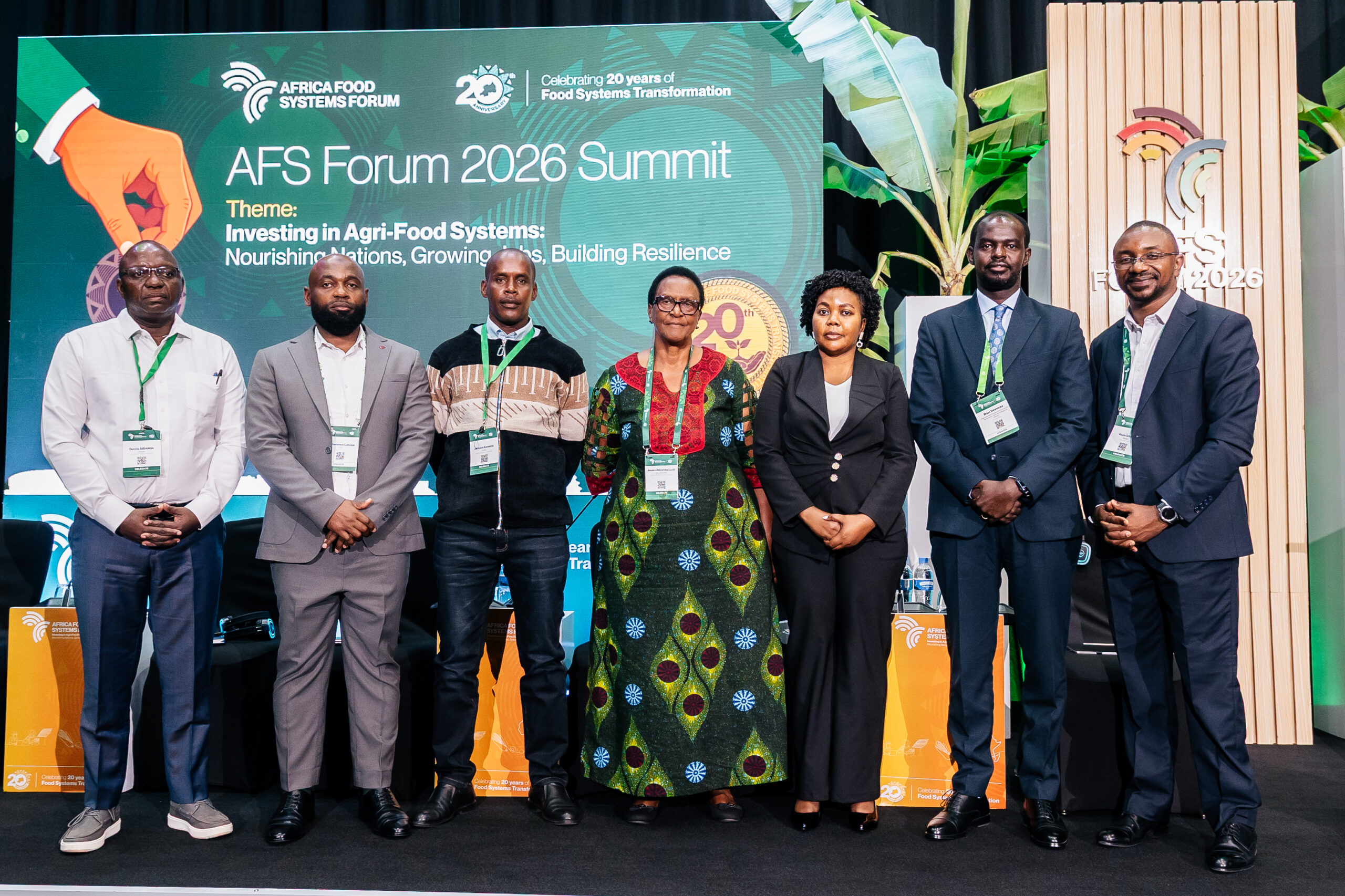
Brian Tahinduka, Head of Energy, Infrastructure, Mining and Commercial Business for Africa at Stanbic, said the role of financial institutions is to help translate promising climate solutions into viable investment opportunities.
The partnership between Stanbic Bank Uganda and Heifer International Uganda was presented as part of efforts to bridge development support and commercial finance so agricultural cooperatives can invest in productive renewable energy infrastructure.
The broader objective is to demonstrate that climate finance can generate both environmental and economic returns.
For Uganda’s dairy farmers, that could mean more reliable milk cooling and storage, reduced energy costs, better product quality and improved access to markets.

For investors and financial institutions, the model seeks to turn climate-smart agricultural technologies into bankable businesses.
Rwamirama challenged participants to focus on one central question: how to make climate-smart agriculture commercially viable, affordable for farmers and attractive to investors at scale.
“If we can answer that question together, we will not only finance climate solutions, we will finance productivity, stronger agricultural businesses and Uganda economic transformation and prosperity for our farming communities,” he said.
theinspirerpublications@gmail.com


Leave a Reply