
Africa urged to invest in livestock as experts challenge calls to reduce meat production
By Elias Hakizimana.
African livestock experts have called for increased investment in the continent’s livestock sector, arguing that Africa should focus on making animals more productive and climate-resilient rather than simply reducing livestock production in response to global climate concerns.
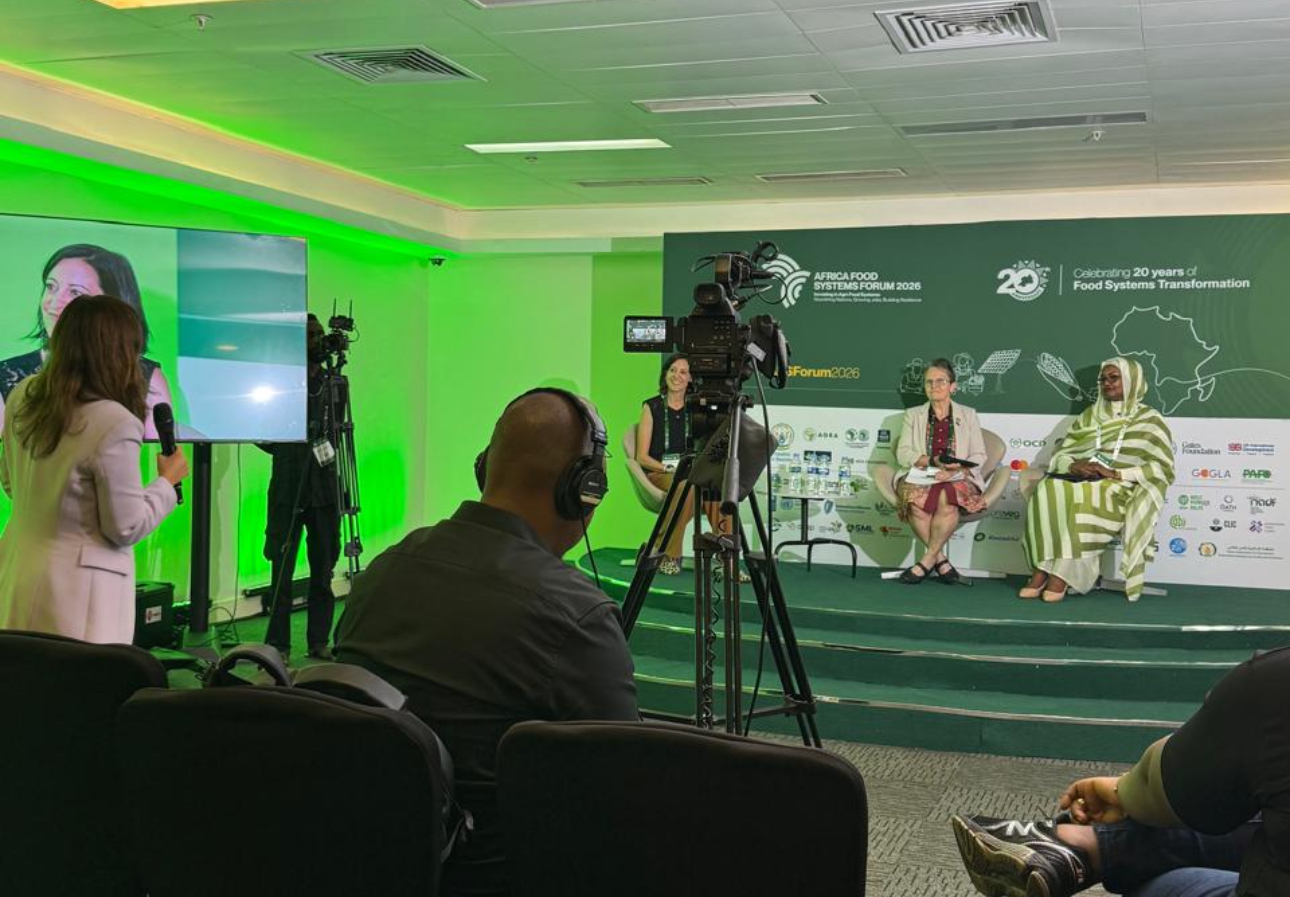
Speaking during a livestock media briefing at the Africa Food Systems Forum in Kigali, Dr. Shirley Tarawali, Emeritus Fellow at the International Livestock Research Institute (ILRI), said improving animal productivity could simultaneously support nutrition, farmer incomes and environmental goals.
She said a dairy cow producing about two litres of milk a day could potentially produce 15 to 20 litres through better feed, animal health, genetics and management.
“The same cow will give you many more times milk, for example, but there’s still only one cow’s worth of greenhouse gases,” Tarawali said.
She argued that increasing productivity would allow Africa to produce more milk and meat without relying simply on larger livestock populations, creating benefits for farmers while reducing emissions per unit of food produced.
The argument comes amid growing global debate over the climate impact of meat and dairy consumption. The experts said such discussions should take into account Africa’s nutritional needs and the relatively low levels of animal-source food consumed on the continent.
The experts also highlighted the economic importance of livestock to African households, particularly in rural areas where animals can provide food, income and a form of savings during financial shocks.
For women, livestock can also serve as an asset they can own and manage, creating opportunities for income and greater economic participation.
Dr. Huyam Ahmed Mohammed Elamin Salih, Director of the African Union Inter-African Bureau for Animal Resources (AU-IBAR), said Africa’s livestock potential was being undermined by weak investment and underdeveloped value chains.
She pointed to the paradox of a continent with about one-third of the world’s livestock continuing to depend heavily on imported animal-source foods.
The situation, she said, represents not only a food-security challenge but also a lost opportunity to create jobs for young people and women across livestock value chains.
Salih called for a shift from dependence on aid and grants towards greater participation by commercial banks, development finance institutions and private investors.
She said Africa has livestock data but lacks sufficient information on the value chains surrounding production, processing, trade and marketing.
Better value-chain data would make it easier for financial institutions to identify viable investment opportunities and finance livestock businesses, she said.
The experts also called for greater regional integration, including harmonised policies to facilitate cross-border trade in livestock and animal products.
They said investment was needed in infrastructure such as slaughterhouses, animal-health systems, vaccine production and energy, arguing that livestock challenges cannot be addressed by the livestock sector alone.
Salih also emphasised the need to eradicate major livestock diseases and strengthen veterinary systems, saying better animal health would improve market access and support the development of livestock businesses.
The speakers said livestock can also contribute to climate adaptation because animals can make productive use of grasslands and other areas where crop production may be difficult or risky.
The discussions at the forum are aimed at moving African governments beyond recognising the importance of livestock towards concrete investment and policy commitments.
The experts said success should ultimately be measured by governments allocating resources to specific livestock solutions, setting implementation timelines and reducing barriers to regional trade.
theinspirerpublications@gmail.com



Leave a Reply