

Vaccine manufacturing, epidemic preparedness take center stage at health summit in Kigali
By Elias Hakizimana.
The inaugural International Health Ministerial Summit taking place in Kigali from December 4-5, 2024, is serving as a pivotal platform to discuss not only the future of healthcare systems but also the critical role of equitable vaccine manufacturing and epidemic preparedness.
The summit was hosted by Informa Markets in partnership with Rwanda’s Ministry of Health.
Rwanda, chosen as the host for its outstanding public health achievements, has been recognized globally for its proactive approach to epidemic prevention and its innovative strategies in managing emerging health threats.
These efforts have positioned the country as a leader in health resilience, particularly in addressing the vulnerabilities exposed by the COVID-19 and Mpox outbreaks.
In his opening remarks, Dr. Sabin Nsanzimana, Rwanda’s Minister of Health, stressed that health is a fundamental human right and an essential investment in national development.
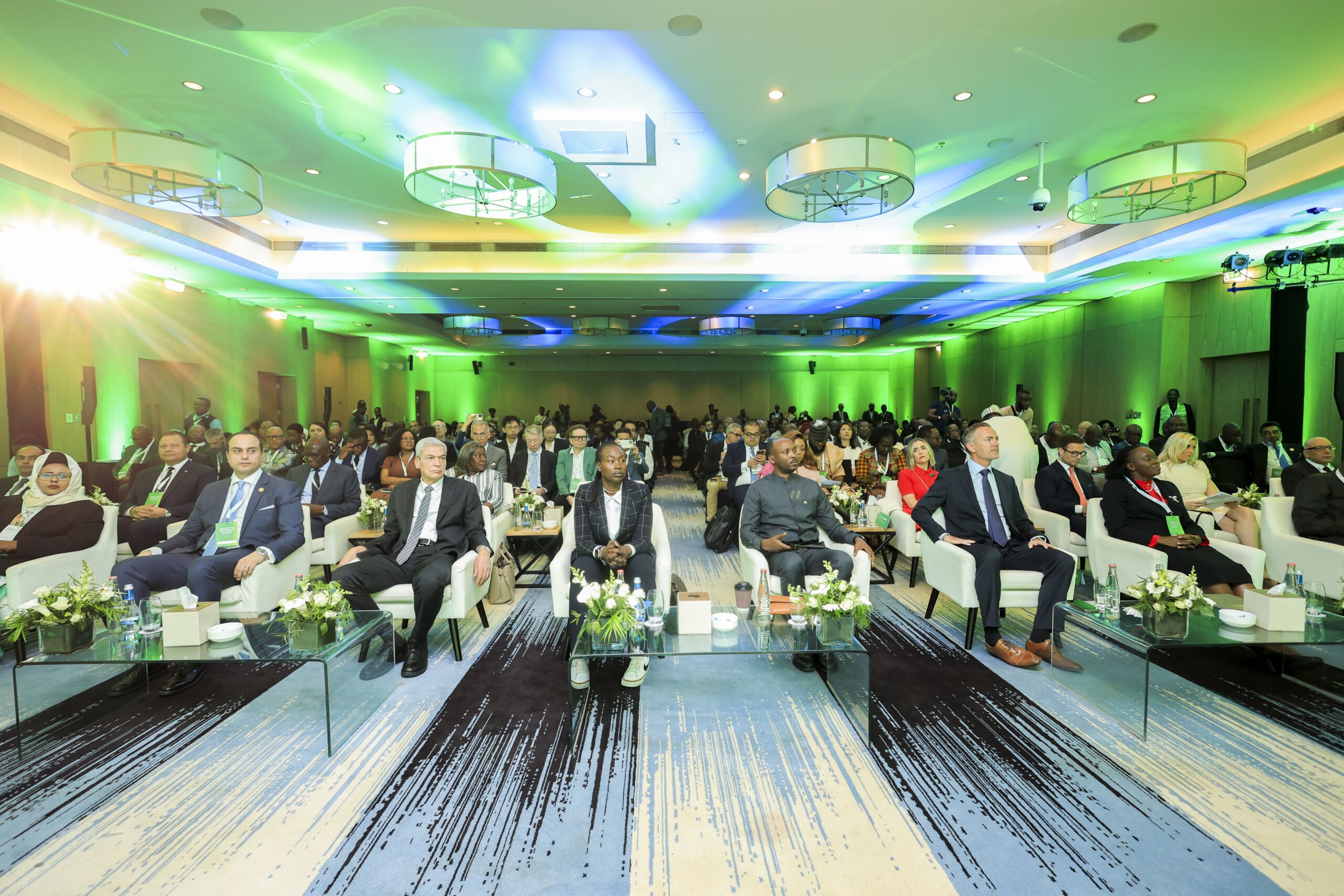
“When people are healthy, they are happy and productive,” he stated, highlighting the strong link between healthcare systems and societal prosperity. Dr. Nsanzimana also presented Rwanda’s health strategy, which is grounded in the ‘4S’ framework – Staff, Space, Supplies, and Systems – aimed at improving infrastructure, addressing workforce shortages, and bolstering supply chains.
Rwanda’s health strategy aims to quadruple the number of healthcare workers within four years. With a 3.6-fold increase in health sciences enrollments already seen in the initiative’s first year, Rwanda is positioning itself to meet the demands of a rapidly evolving healthcare landscape.
Dr. Nsanzimana stressed the importance of strengthening healthcare facilities, including the expansion of ICUs and regional health centers, to support the growing workforce and the country’s response to potential future health crises.
Beyond workforce development, Dr. Nsanzimana highlighted Rwanda’s commitment to utilizing technology in healthcare, particularly artificial intelligence (AI), to bridge gaps in specialist care such as radiology.
“By collaborating and utilizing resources, we can build stronger systems that truly save lives,” he emphasized, suggesting that AI could be key in addressing both resource shortages and training needs.

A key theme of the summit, however, was the emphasis on local vaccine manufacturing and the urgent need to strengthen diagnostic capacities.
Dr. Mazyanga Lucy Mazaba, Regional Director for Eastern Africa at the Africa Centers for Disease Control and Prevention (CDC), underlined the lessons learned from past epidemics, urging African nations to strengthen their ability to produce vaccines locally and quickly detect emerging health threats.
“We need to ensure timely detection and response to health crises,” Dr. Mazaba said, pointing to the vital need for cross-border collaboration and trust among African nations in managing health emergencies.
The summit also spotlighted the integration of both public and private sectors to ensure more resilient health systems.
Dr. Mazaba called for improved real-time communication and collaboration across borders to ensure preparedness for future health challenges.
“We need to be speaking to each other and sharing information in real-time,” she noted, stressing that such coordination is essential to tackling health emergencies head-on.
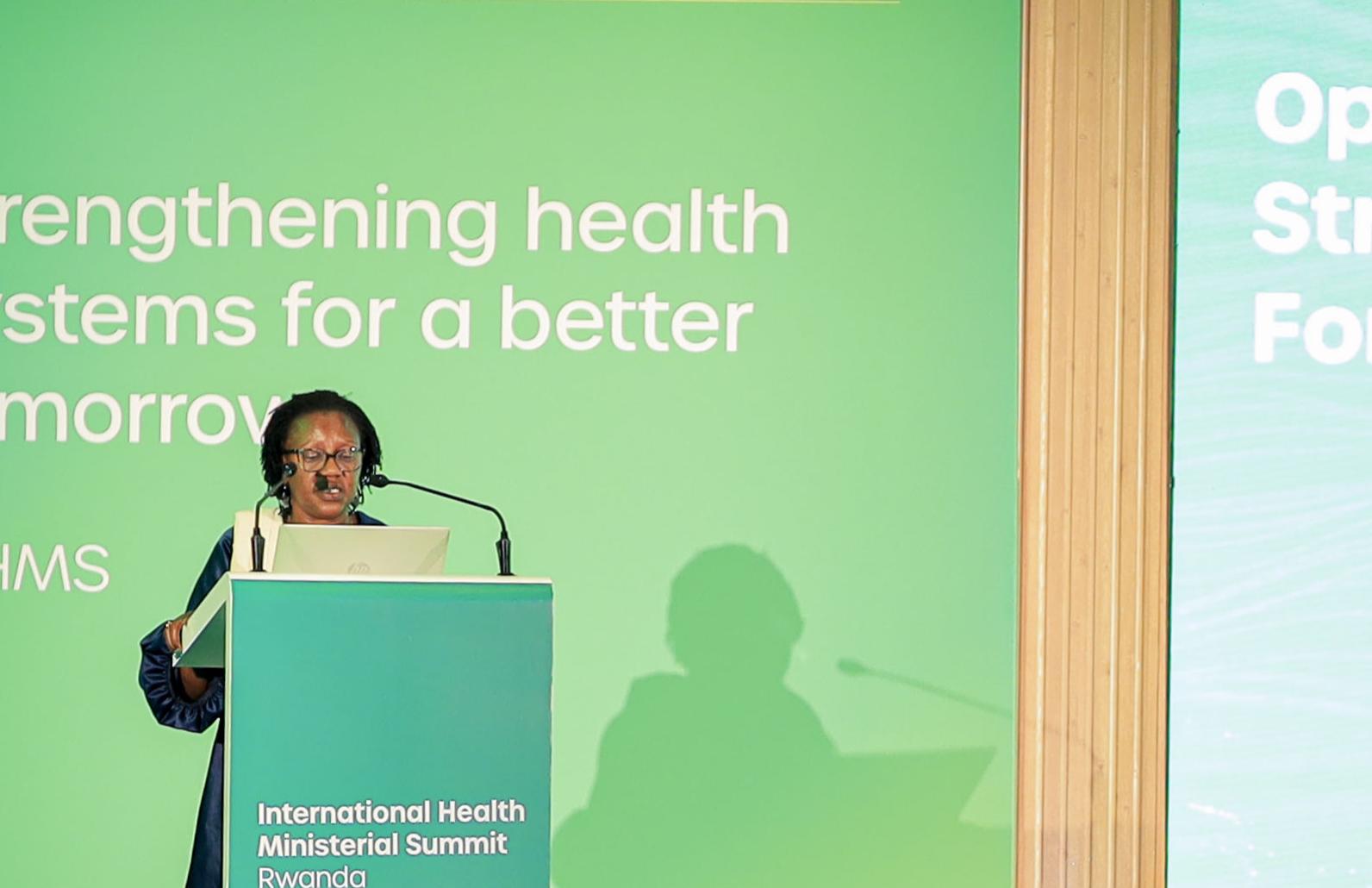
In her address, Kenya’s Health Cabinet Secretary, Dr. Deborah Barasa, focused on the need for primary healthcare transformation and the role of digital health in enhancing healthcare access.
Reflecting on the 2018 Astana Declaration’s call to action, Dr. Barasa shared Kenya’s progress in passing bills designed to accelerate universal health coverage, including the Primary Healthcare Act and the Digital Health Act.
Her efforts have led to Kenya’s groundbreaking investments in community health, with over 107,000 community health promoters now working across the country, armed with smartphones and health kits to monitor health data and facilitate referrals.
While the summit has provided a global platform for discussions around healthcare equity, Rwanda’s leadership in tackling epidemic preparedness and strengthening local health infrastructure continues to emerge as a central theme.
Rwanda’s ability to quickly adapt and innovate, particularly in areas like vaccine manufacturing, sets a compelling example for other African nations to follow.
As the summit continues, discussions are expected to delve deeper into the role of technology in advancing healthcare systems and the necessity of international cooperation to bridge the equity gap in healthcare access.
Rwanda’s approach, emphasizing scalable solutions and cross-border collaboration, offers a potential blueprint for other nations to improve their own health systems and prepare for the next generation of health challenges.
The inaugural International Health Ministerial Summit is set to reshape global health strategies, focusing on strengthening health systems, enhancing innovation in vaccine manufacturing, and fostering greater healthcare equity for all.


theinspirerpublications@gmail.com





Leave a Reply