
Why gaps in Rwanda’s SRHR laws and implementation are drawing attention
By Elias Hakizimana.
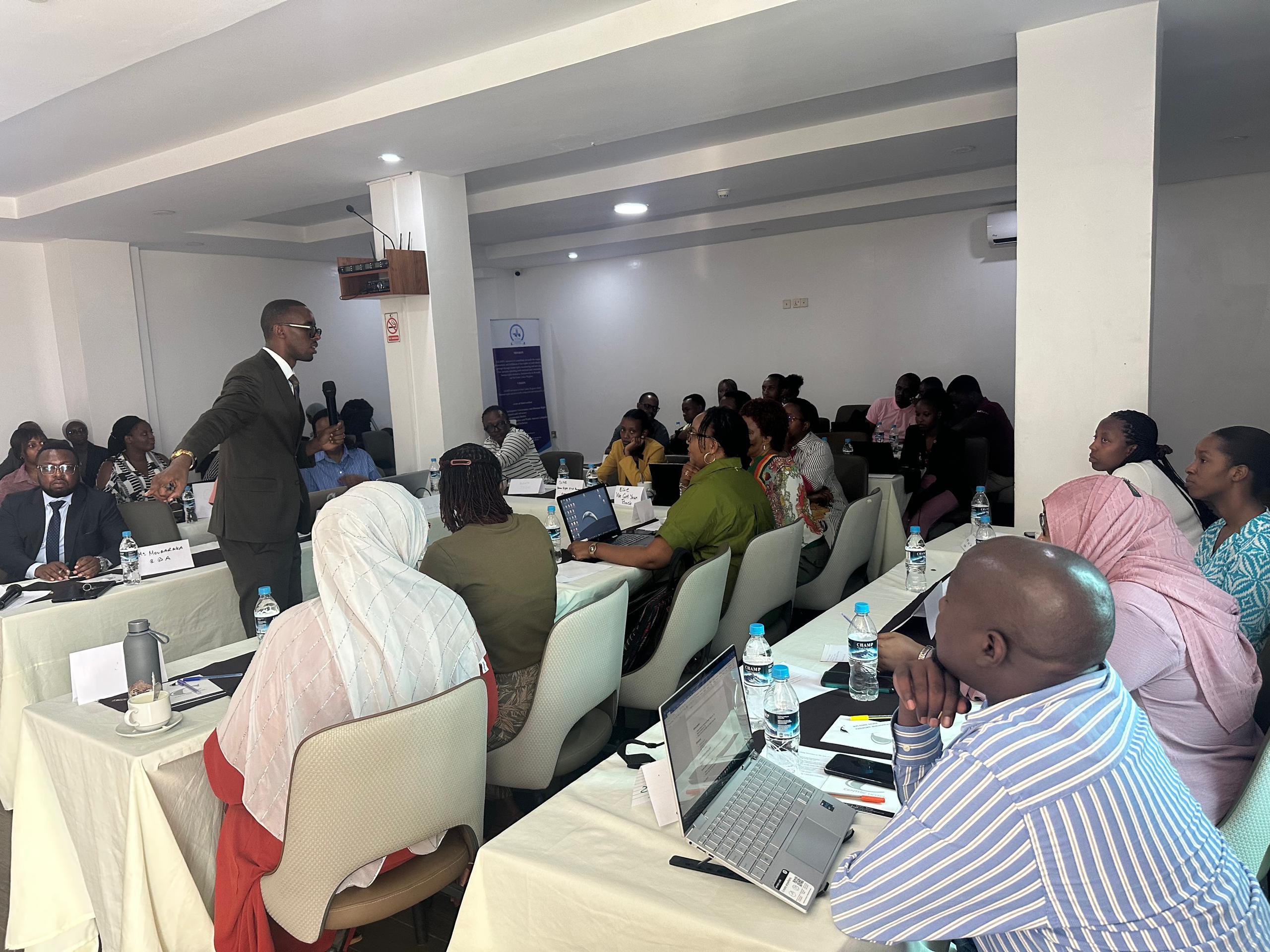
KIGALI, October 1, 2026 — Civil society organisations, lawyers and other stakeholders are examining gaps between Rwanda’s legal framework on sexual and reproductive health and rights (SRHR) and how those rights are experienced by people seeking services.
The concerns emerged during a three-day training workshop on public interest litigation organised by the Great Lakes Initiative for Human Rights and Development (GLIHD) in Kigali.
The training is exploring how public interest litigation can be used to address systemic challenges affecting SRHR, including access to healthcare services, confidentiality, discrimination and the protection of vulnerable groups.
On the second day of the workshop, participants reviewed regional and international legal instruments governing SRHR and discussed the responsibilities of states to respect, protect and fulfil these rights.
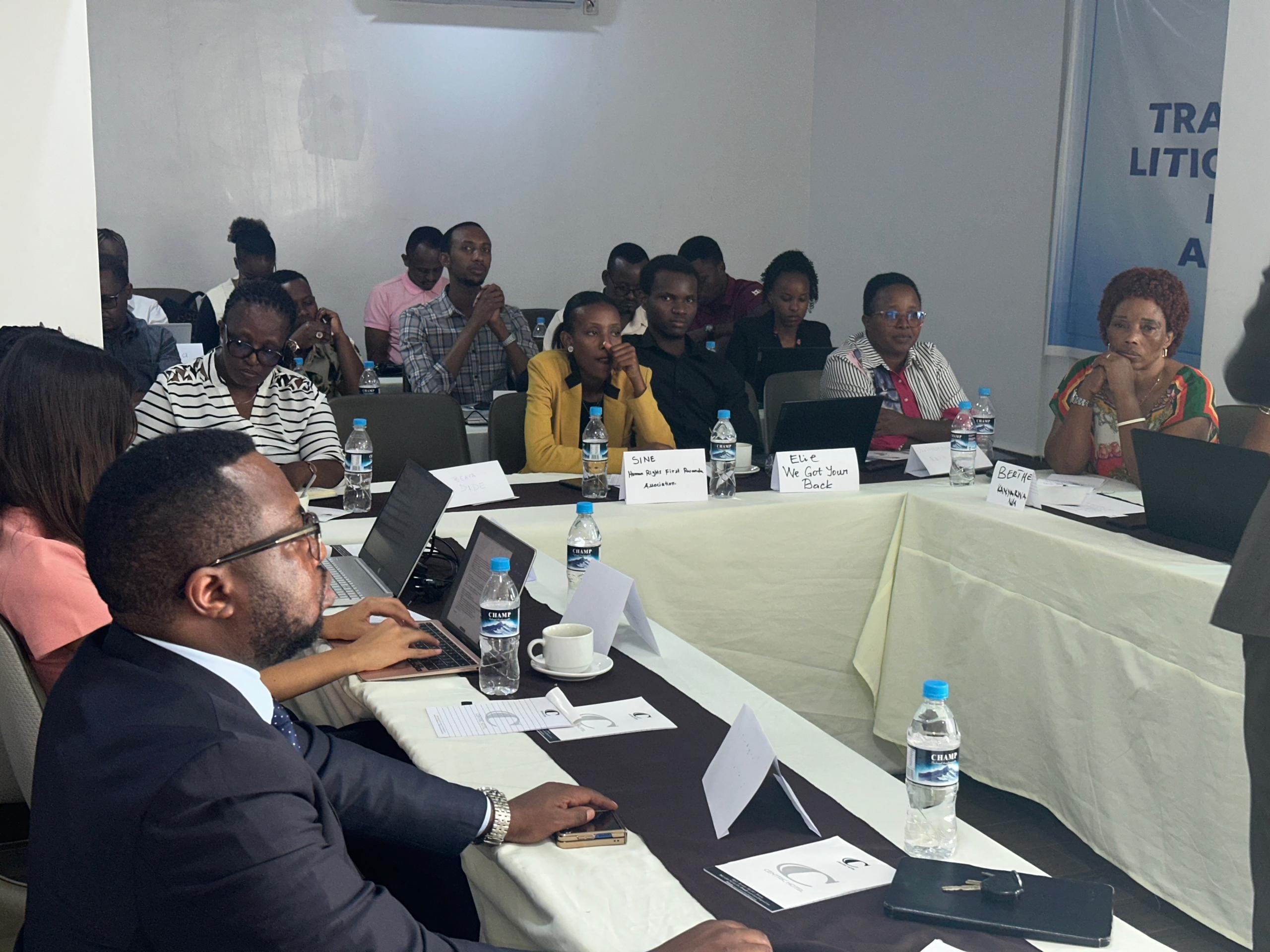
Faustin Mugabo, a lawyer and lecturer at the University of Rwanda School of Law, facilitated discussions on instruments including the African Charter on Human and Peoples’ Rights, the Maputo Protocol, the International Covenant on Economic, Social and Cultural Rights, CEDAW, the Convention on the Rights of the Child and the Convention on the Rights of Persons with Disabilities.
Participants also examined Rwanda’s recent legal developments, including the 2024 Ministerial Order relating to abortion and the 2025 law, focusing on how legal provisions are being implemented in practice.
Among the questions raised was whether adolescents aged 15 and above can effectively access services provided for under the law, whether health facilities authorised to provide lawful abortion services are able to provide them, and whether confidentiality and informed consent are consistently respected.
Access to SRHR services for persons with disabilities, people living with HIV and survivors of sexual violence was also discussed.

Advocates seek joint research
GLIHD Executive Director Vestine Umulisa said stronger cooperation between civil society and government institutions is needed to identify and address gaps in the implementation of SRHR laws and policies.
She said GLIHD and its partners have advocated for safe abortion since 2018, including in cases involving children who faced serious consequences after attempting to terminate pregnancies outside the formal healthcare system.
“We need to do joint research to solve the problem,” Umulisa said.
She said joint research should examine issues such as the requirement for doctors in the provision of safe abortion services, which she argued can create barriers to timely access.
She also called for research into restorative justice approaches for survivors of gender-based violence, including appropriate forms of redress, accountability and compensation.
According to Umulisa, the training should contribute to building a new generation of informed and evidence-based SRHR advocates, particularly young people who can translate laws and policies into practical action.
She said advocates need stronger capacity to challenge misinformation and stigma, document implementation gaps, engage duty-bearers and advocate for accessible, rights-based services.
Community barriers remain
Emmanuel Karemera of the Association Rwandaise pour la Défense des Droits de l’Homme (ARDHO) said people in communities continue to face a range of barriers when seeking SRHR services.
“The major SRHR barriers we see are cultural norms, lack of information, stigma and discrimination, fear of reporting sexual violence, economic barriers, and gender inequalities,” Karemera said.
He said some of these challenges become systemic when the same problems repeatedly affect many people because of gaps in policies, services, referral systems or implementation.
He gave the example of survivors of sexual violence who repeatedly face difficulties accessing appropriate services, saying this could point to wider problems within referral and protection systems.
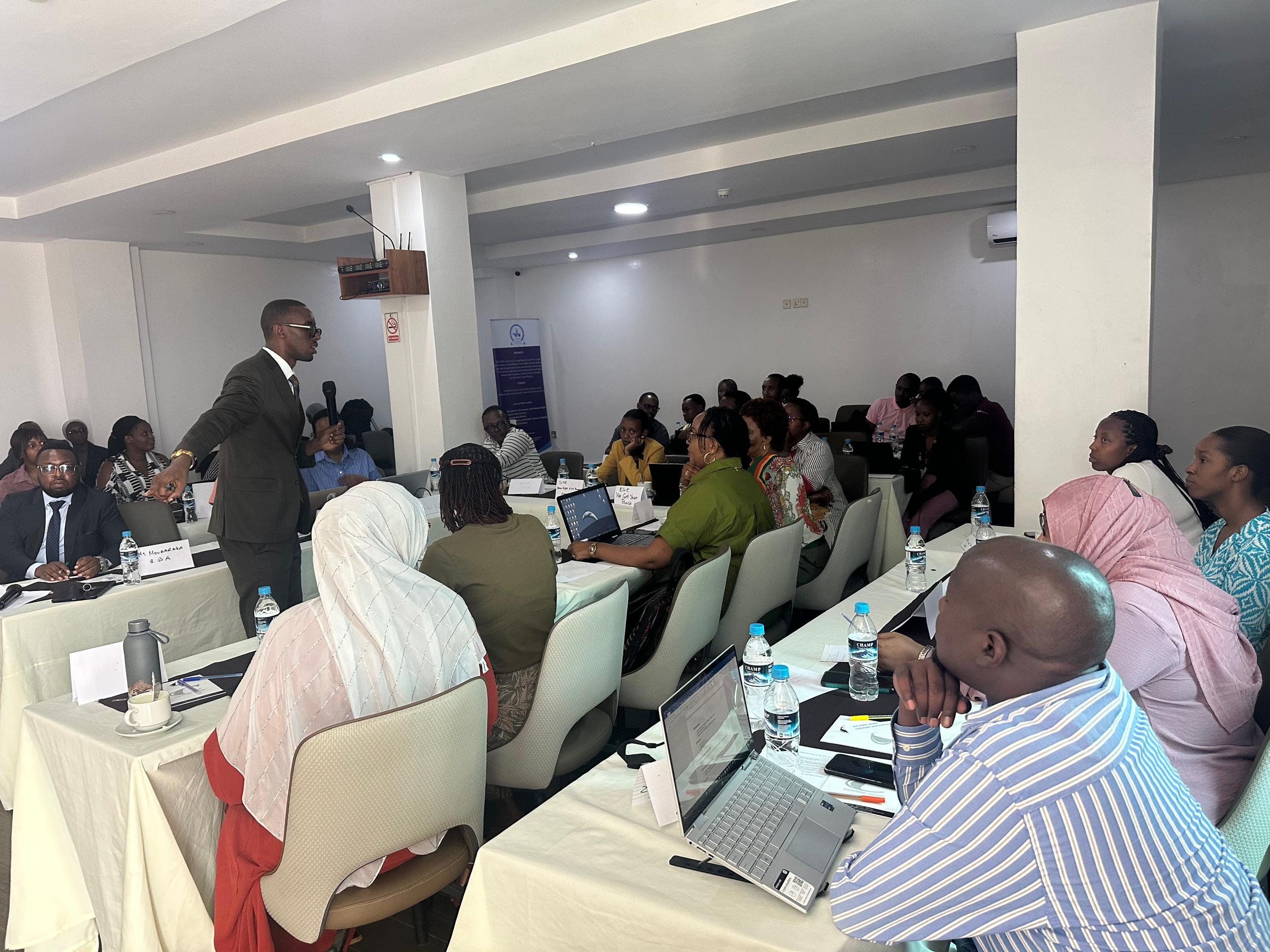
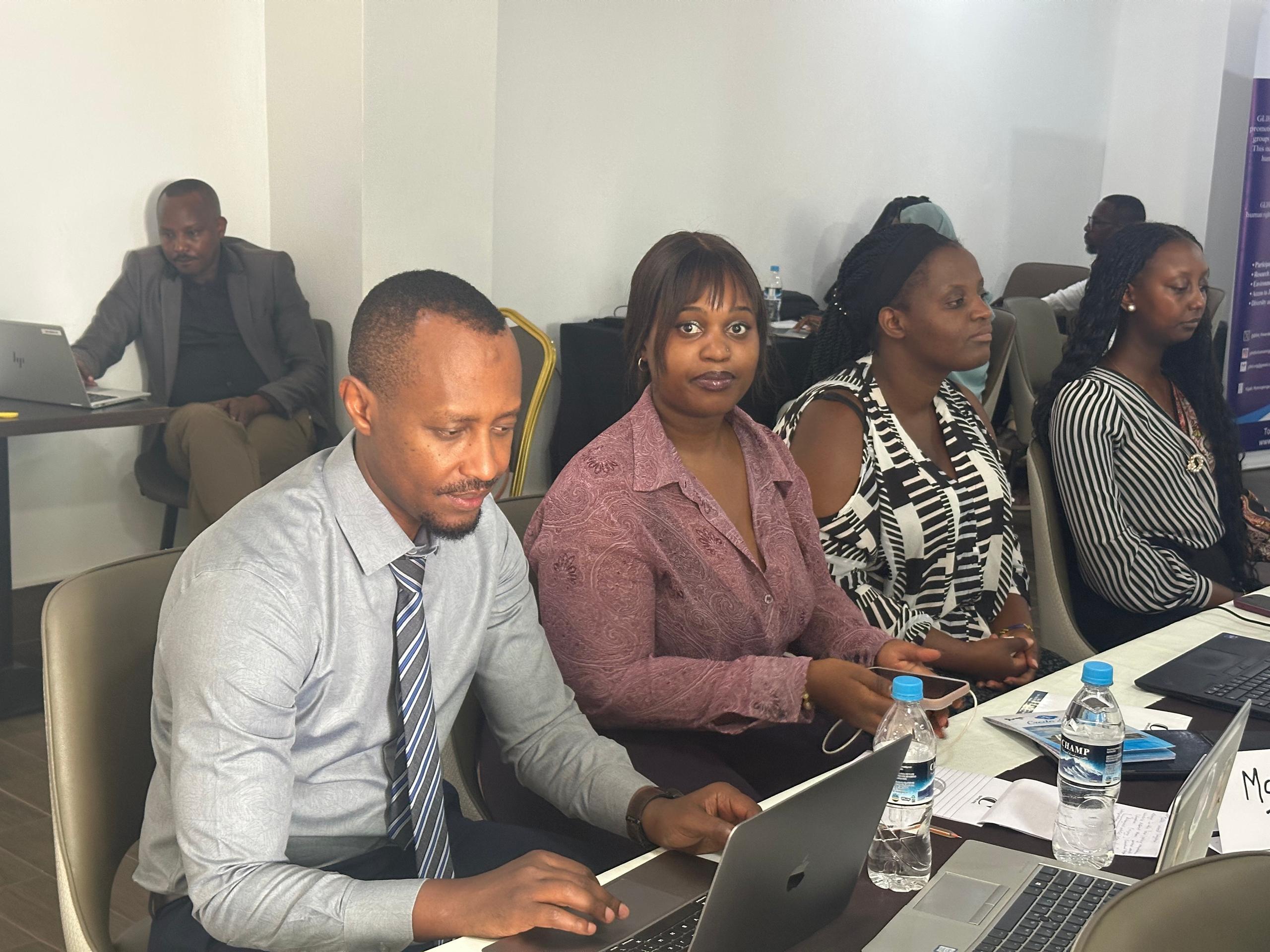 Participants during the SRHR public interest litigation training in Kigali.
Karemera said CSOs need evidence, legal expertise, strategic litigation support where appropriate, safeguarding mechanisms and adequate resources to strengthen their advocacy.
He said organisations should move beyond individual cases by identifying patterns, documenting evidence and understanding the legal framework before advocating for changes that address the underlying causes.
Litigation viewed as a tool for systemic change
Participants also discussed the practical requirements involved in public interest litigation, including research, expert analysis, evidence gathering, engagement with relevant institutions and access to medical records.
They identified several challenges that can limit the use of litigation to advance SRHR, including limited public awareness of rights and legal mechanisms, inadequate financial resources, a shortage of lawyers with specialised expertise, stigma surrounding sensitive SRHR issues and concerns about challenging powerful institutions.
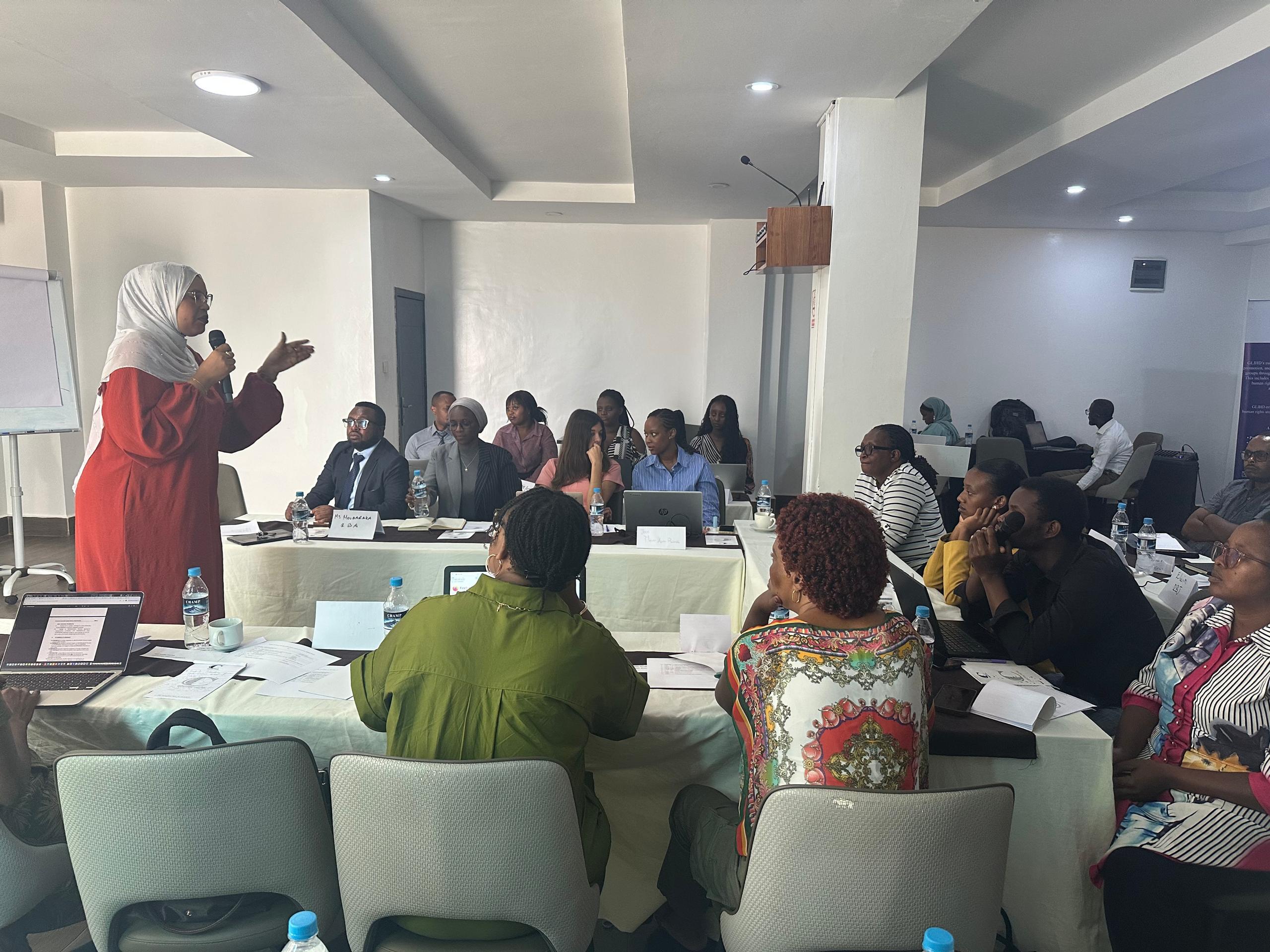
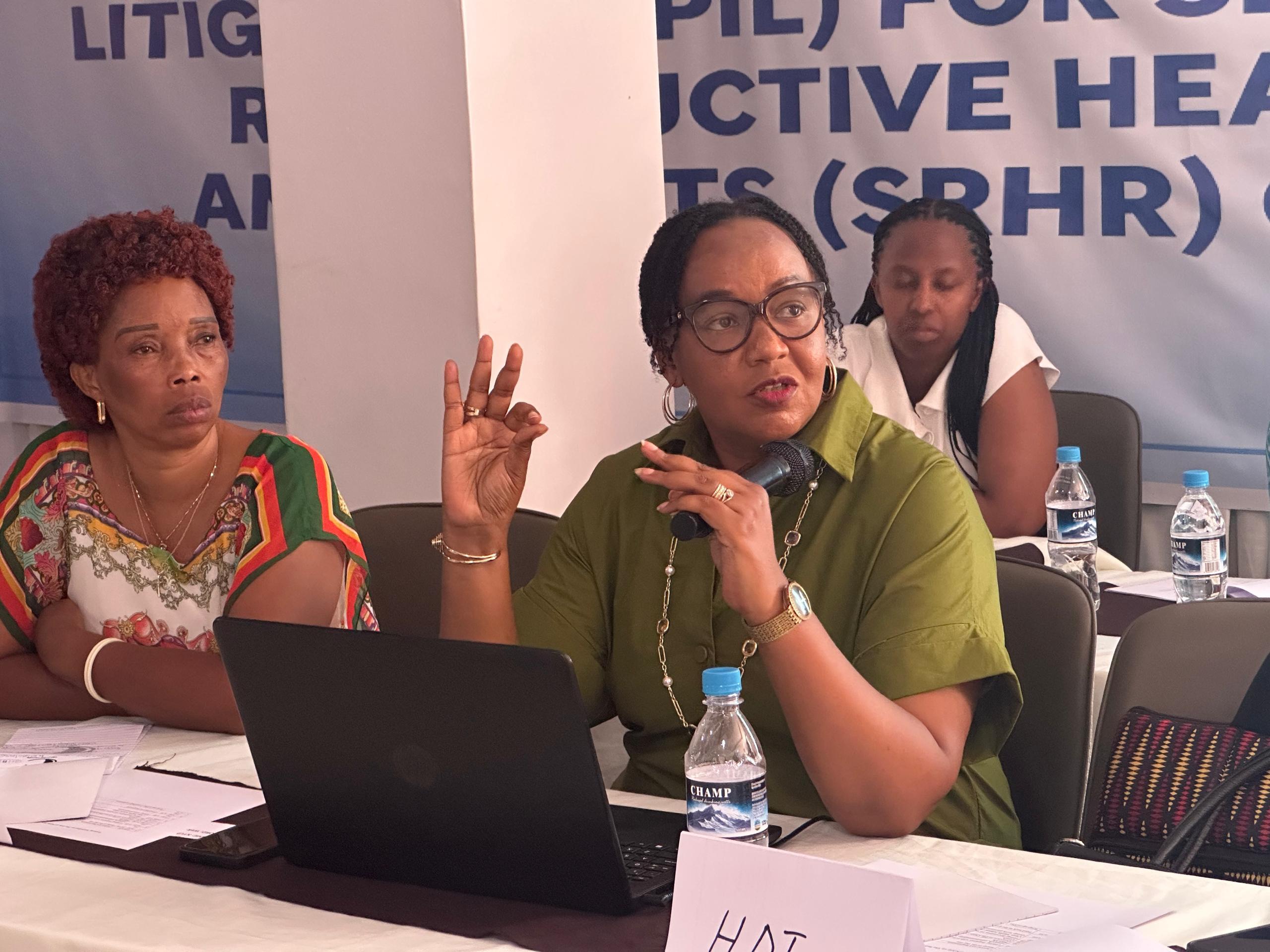 A participant contributes to discussions on legal barriers affecting SRHR services.
The workshop also identified opportunities to strengthen public interest litigation through greater collaboration between CSOs and lawyers, partnerships with universities and experts, expanded legal aid and pro bono services, human rights education and monitoring of the implementation of recent legal developments.
Participants noted that survivors of sexual violence may require both medical care and access to justice, while procedures can differ depending on whether the survivor is an adult or a child.
The three-day training, running from September 30 to October 2, 2026, is aimed at strengthening participants’ practical knowledge of public interest litigation and its potential role in advancing sexual and reproductive health and rights in Rwanda.


Leave a Reply