

Artificial Intelligence will reshape healthcare in Africa—Experts
By Elias Hakizimana.
The transformative potential of Artificial Intelligence (AI) in healthcare is redefining how Africa addresses some of its most pressing health challenges.
At the International Health Ministers’ Summit in Kigali, stakeholders, experts, and policymakers united to explore how innovation, trust, and digital solutions can reshape healthcare systems across the continent.
“Trust is the immaterial asset upon which all material assets depend,” emphasized Dominic Wilhem, Executive Director of the Global Trust Project, as he opened a panel discussion.
He urged attendees to reflect deeply on their purpose and journey, advocating for actionable outcomes rather than superficial dialogues.
Wilhem’s highlights are of the essence of Africa’s healthcare journey. As the continent leapfrogs outdated technologies, trust and collaboration remain vital to sustaining its progress. His call to action—challenging delegates to commit to three impactful steps—set the tone for a forward-thinking summit.
AI as the game-changer
Among the summit’s highlights was AI’s potential to bridge healthcare inequities across Africa.
Sam Amory, Managing Director for Daedalus, described AI as a pivotal tool for the future, helping nations leapfrog traditional barriers.
“AI acts as a second opinion, or even a first, to help doctors make better, faster decisions,” Amory explained.
Radiology and imaging, in particular, are areas where AI has already demonstrated significant value.
While autonomous diagnosis and treatment through AI remains aspirational, machine learning is playing a crucial role in supporting healthcare professionals. Amory highlighted key challenges to AI integration, such as fragmented health data systems and inadequate infrastructure.
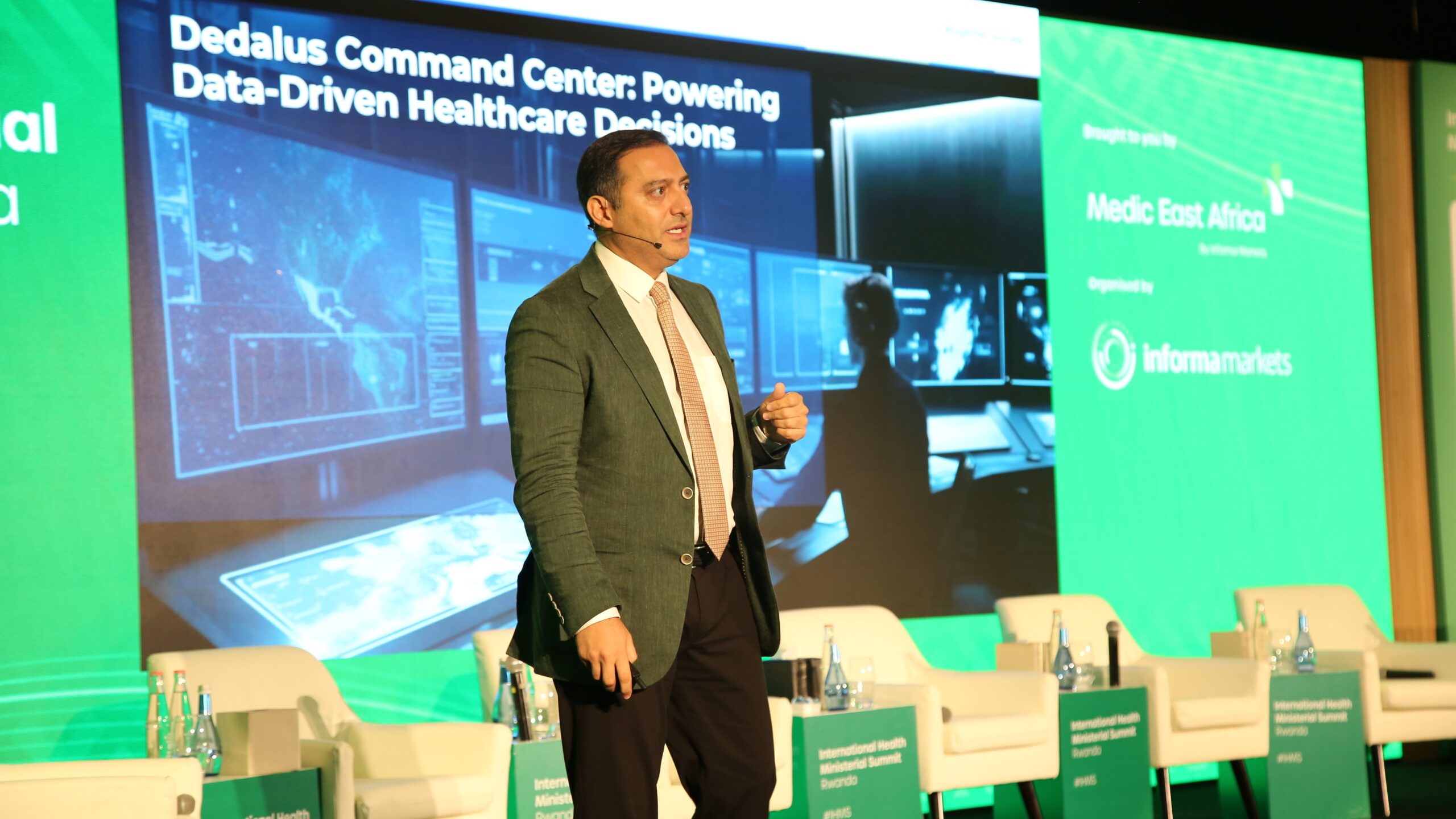
“You cannot have AI without the infrastructure to power it,” he noted, stressing the need for robust digital ecosystems.
Despite these obstacles, Africa’s adaptability is evident. Training a skilled workforce and leveraging solutions like telemedicine are helping overcome these barriers.
Looking ahead, predictive analytics and genomics are poised to revolutionize healthcare in Africa.
“Predictive analysis will help us prepare for outbreaks and manage resources better, while genomics will enable personalized medicine tailored to individual DNA,” Amory said.
Cost-effectiveness is another crucial advantage, with AI-driven solutions significantly reducing healthcare expenses.
Rwanda’s leadership in digital health
Rwanda serves as a example of innovation, demonstrating the power of digital health systems in transforming healthcare delivery.
Dr. Ivan Butera, Rwanda’s Minister of State for Health, shared the country’s achievements during his keynote address.
Highlighting Rwanda’s rapid response to the recent Marburg virus outbreak, Dr. Butera detailed the deployment of screening robots, geomapping for contact tracing, and a centralized data system for monitoring health. These measures, he explained, were possible due to Rwanda’s robust digital health ecosystem.

Rwanda’s advancements extend beyond outbreak management. Dr. Butera noted improvements in maternal and child health, citing the introduction of neonatal CPAP machines and emergency response systems that reduced ambulance response times from 45 to 14 minutes.
Strategic procurement practices have also lowered the cost of essential medicines by 70%.
“Our investments in sequencing technologies and national surveillance systems are protecting both Rwandans and the global community,” Dr. Butera added.
He called for global collaboration to co-create scalable solutions tailored to Africa’s unique needs, emphasizing the need for bold thinking and collective action.
Leveraging multi-sector partnerships
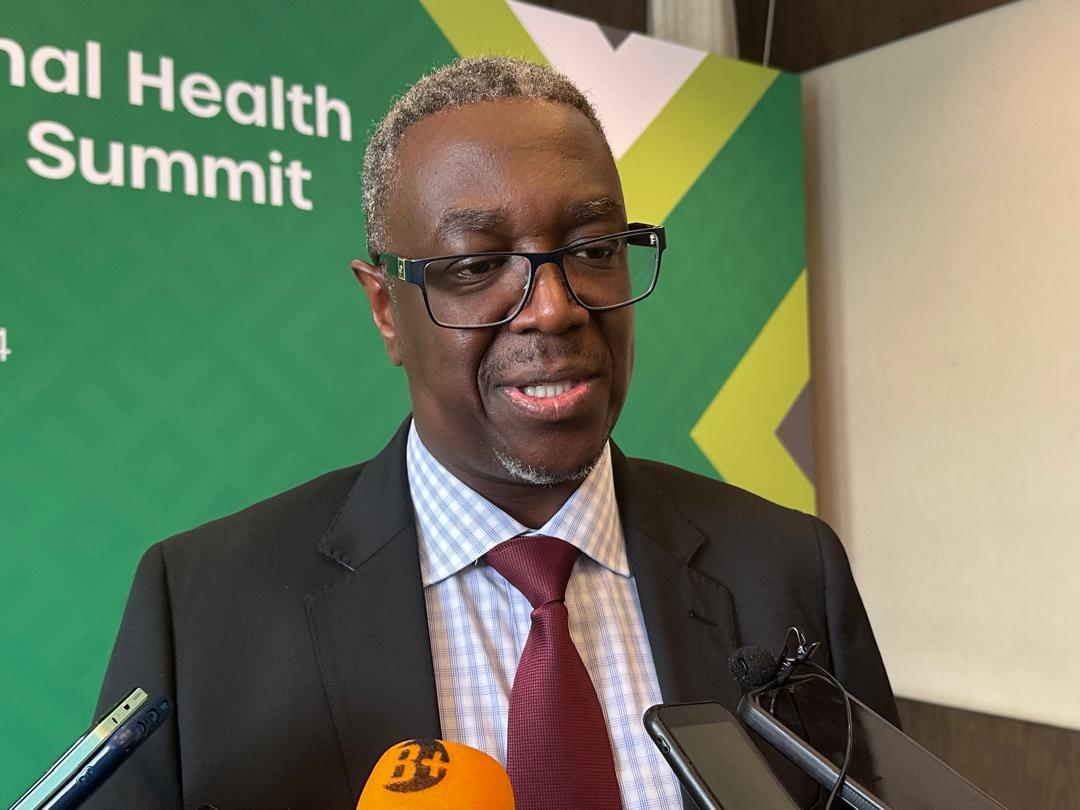
Boniface Njenga, Deputy Director for Health Delivery and Systems at the Bill and Melinda Gates Foundation, highlighted the importance of partnerships in driving digital health initiatives.
“Funding digital infrastructure is crucial to ensure widespread access across the continent,” Njenga stated. He emphasized tailoring technologies to local contexts, leveraging low-tech solutions such as basic SIM cards and culturally appropriate language models.
Njenga highlighted the critical role of governments in extending digital health efforts beyond ministries of health to include finance, gender, and education sectors. With mobile technology adoption reaching up to 80% in some regions, scalable, client-centered solutions are within reach.
The Gates Foundation has been instrumental in catalyzing innovations and connecting them with stakeholders for scaling. For example, Rwanda’s National Digital Health System and Nigeria’s MDoc app, which provides virtual maternal health coaching to over 100,000 users, are clear indicators of digital health’s impact. Emerging trends like telemedicine and AI further promise to transform healthcare.
“AI enhances forecasting, predictive technologies, and rural healthcare support, while telemedicine reduces barriers to accessing care remotely,” Njenga explained. He dismissed concerns about AI replacing doctors, emphasizing instead that “doctors with AI will outperform those without it.”
Building the future: Collaboration and action
The discussions at the summit underlined the need for robust supply chains, funding frameworks, and collaborative approaches to ensure healthcare innovations reach underserved populations.
From predictive analytics to genomics and digital infrastructure, Africa’s healthcare future is being shaped by cutting-edge solutions driven by trust, innovation, and collective action.
As Wilhem aptly noted, “Let’s ensure this summit leads to impactful actions, not just discussions.” With stakeholders like Dr. Butera, Amory, and Njenga driving the charge, Africa is poised to lead the global shift toward smarter, more equitable healthcare systems.
By embracing AI and digital health innovations, Africa is not just transforming its healthcare systems—it is setting a precedent for the world. Through collaboration, bold thinking, and investment in technology, the continent is paving the way for a healthier, more equitable future.
theinspirerpublications@gmail.com


Leave a Reply