

Bizimana says some Rwandans remain influenced by ethnic ideology
By The Inspirer.
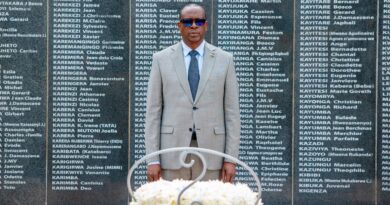
Rwanda’s Minister of National Unity and Civic Engagement, Dr. Bizimana Jean Damascène, says some Rwandans remain deeply influenced by the ethnic divisions rooted in the country’s past.
He said continued education on unity and resilience among both young people and adults is necessary to address the legacy of those divisions.
Bizimana made the remarks as Rwanda began October, a month dedicated to promoting national unity and resilience, with activities aimed at assessing progress and addressing remaining challenges.
“There are people from some of those areas [Nyamasheke, Rusizi, Ngororero…] who lived under previous governments and have not yet overcome the wounds of history. They remain affected by them and continue along a negative path of ethnic ideology. Its consequences are still there, and we are still dealing with them,” he said.
The minister said October provides an opportunity for Rwandans to reflect on the country’s progress, strengthen efforts to build and protect it, and consider the contribution of every citizen to national development.
This year’s theme is “Unity and Resilience: Our Choice,” highlighting the idea that Rwanda’s progress has been built on citizens’ choices to live together and contribute to a shared national future.
The Ministry of National Unity and Civic Engagement (MINUBUMWE) said activities from October 1 to 31, 2026, will include discussions through Unity and Resilience Forums at district level and in correctional facilities.
Public awareness activities will also be conducted through community assemblies, Ndi Umunyarwanda dialogues, schools, rehabilitation centres and cooperatives.
According to a 2025 MINUBUMWE study, the level of unity and reconciliation among Rwandans reached 95.3%, up from 82.3% in 2010.
However, the study also found that 23% of respondents said genocide ideology was still present in their communities, while 38% said some perpetrators of the 1994 Genocide against the Tutsi remained attached to ethnic ideology and discrimination.
Rehabilitation programme supports prisoners preparing to return to society
As part of efforts to strengthen resilience and peaceful coexistence, 266 prisoners convicted of crimes related to the 1994 Genocide against the Tutsi, including 101 women, have participated in a programme preparing them to return to their communities after completing their sentences.
Many of the participants had spent between 10 and 30 years in prison.
They formed the seventh group to complete the programme since it was launched in March 2025.
The programme seeks to promote national unity, strengthen families’ ability to cope with challenges, encourage accountability and support peaceful coexistence.
Participants receive knowledge and skills intended to help them reintegrate into their families and contribute to improved relations and reconciliation.
The programme is implemented by MINUBUMWE in partnership with the Rwanda Correctional Service (RCS), particularly targeting prisoners with six months or less remaining on their sentences.
It aims to reduce the risk of participants returning to behaviours that could undermine unity and social cohesion, while strengthening families’ capacity to maintain peaceful relationships over the long term.




Leave a Reply