
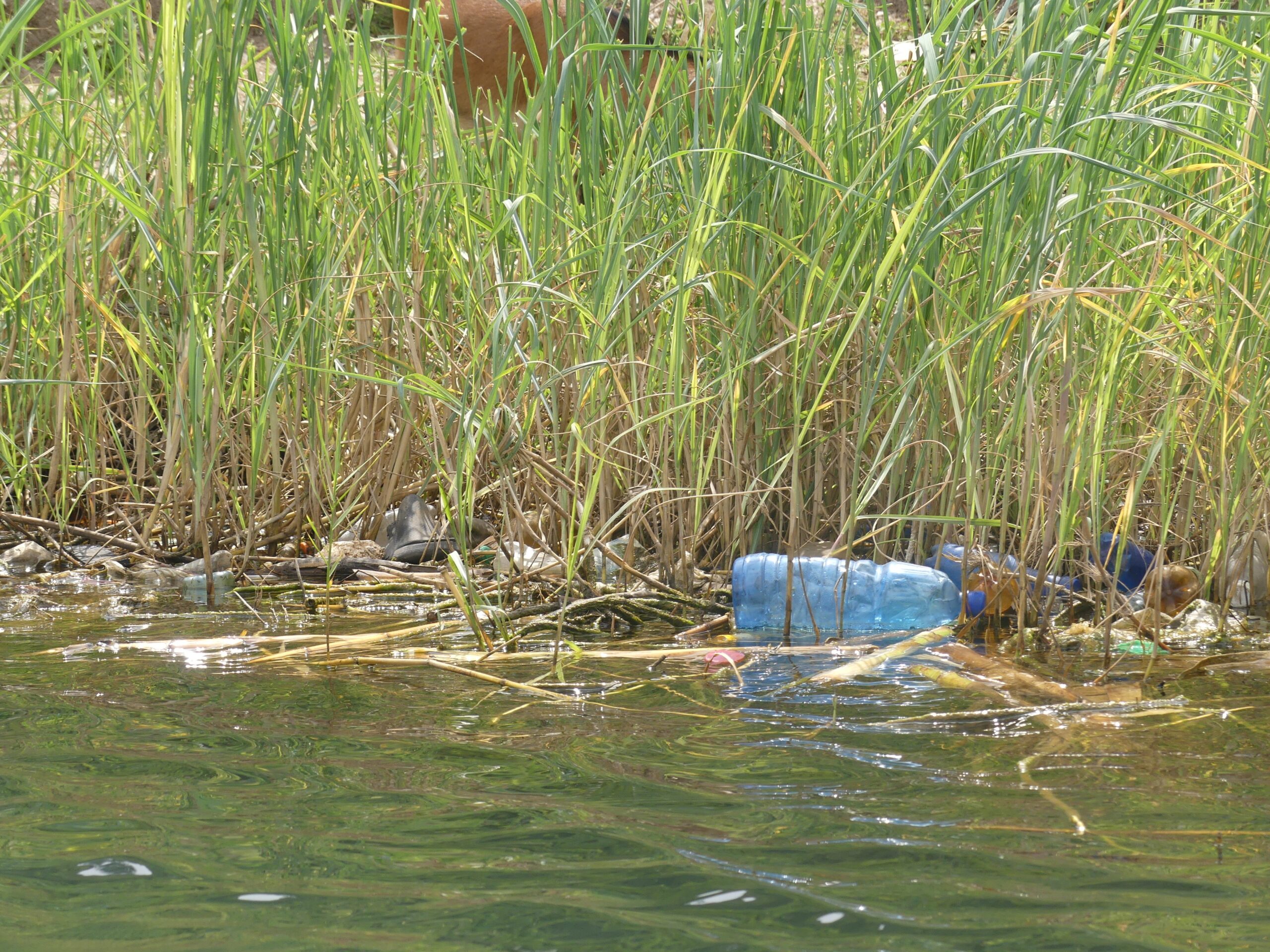
Plastic Waste and Pollution Threaten Rwanda’s Rivers and Lakes
By Elias Hakizimana.
Rwanda’s rivers and lakes, critical lifelines for millions of people, face growing threats from pollution caused by plastic waste, agricultural runoff, and cross-border pollutants.
These environmental hazards not only endanger aquatic ecosystems but also threaten the livelihoods of farmers, fishers, and communities reliant on these water bodies for sustenance and economic activities.
Despite Rwanda’s strict environmental laws and initiatives, pollution persists, exposing gaps in policy enforcement and cross-border cooperation. This article delves into the origins and impacts of pollution while highlighting efforts by local communities and policymakers to protect these vital resources.
According to data from the Rwanda Environment Management Authority (REMA), pollution in major water bodies like Lake Kivu and the Nyabarongo River primarily stems from agricultural chemicals, industrial discharges, mining residues, and household waste. For instance, the Nyabarongo River is severely affected by agricultural runoff, which introduces pesticides and fertilizers into the water, and industrial effluents, including heavy metals such as zinc.

Lake Kivu, which is shared with the Democratic Republic of Congo (DRC), suffers from cross-border waste, particularly plastic pollution carried by rivers and streams feeding into the lake.
Communities in the Nyabarongo basin and Lake Kivu littoral zones are most affected, facing reduced biodiversity, health risks from waterborne diseases, and declining fish populations.
Challenges in addressing plastic pollution
Rwanda’s 2019 law banning single-use plastics is internationally recognized as one of the most progressive environmental policies. However, gaps in enforcement, smuggling, inadequate waste management systems, and low recycling rates have allowed some plastic waste to persist in the environment.
“While plastic pollution is no longer a significant issue in Rwanda, the remaining problem stems from limited community awareness and engagement,” says Beatha Akimpaye, Division Manager for Environmental Compliance at REMA. “Targeted campaigns and enhanced recycling infrastructure are crucial to addressing these gaps.”
Local heroes take the lead
Despite the challenges, communities are stepping up to mitigate pollution.
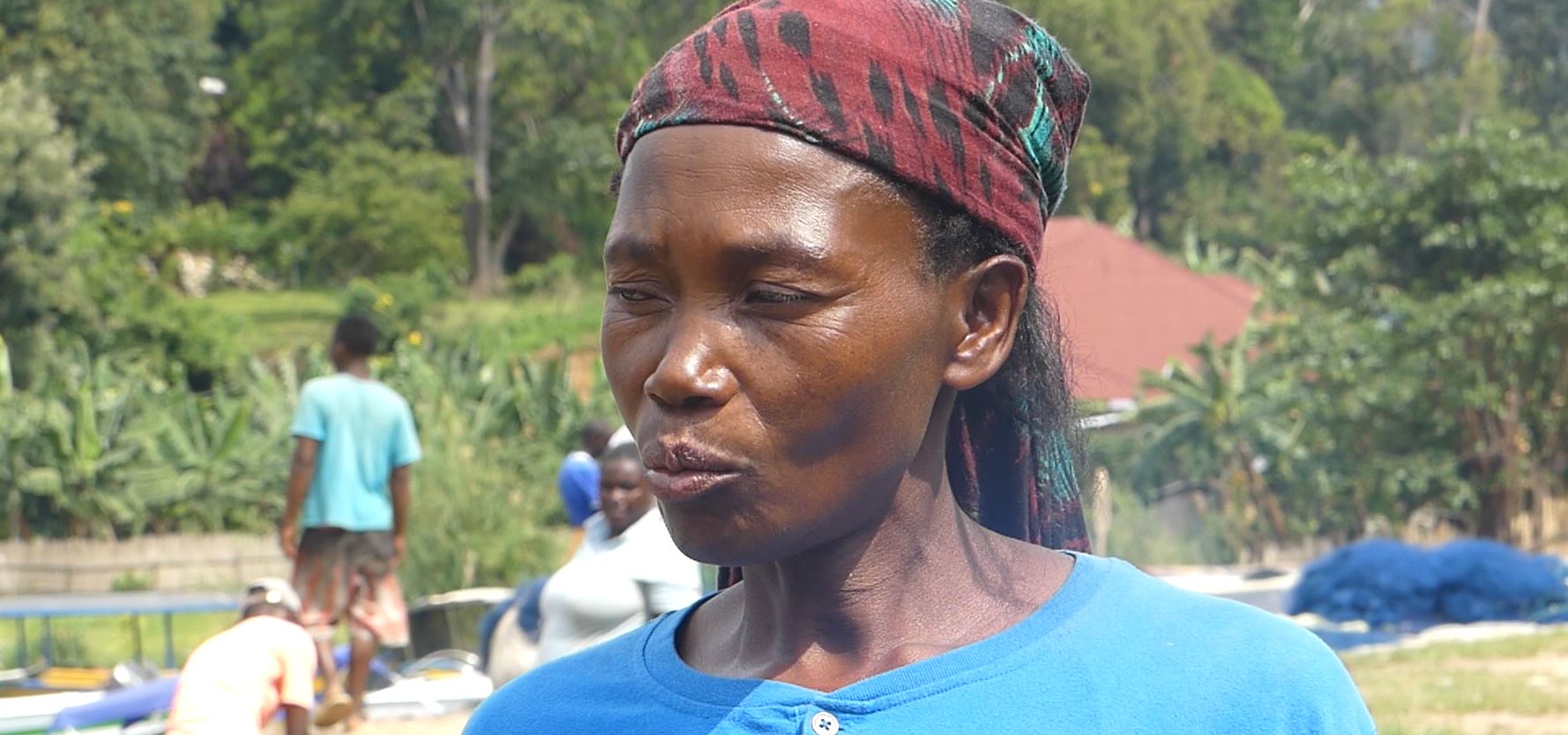
Jean Baptiste Shingiro, a farmer near the Nyabarongo River, recalls a time when the river provided clean water for irrigation. Today, the water is yellow, heavily polluted by upstream activities.
“We plant trees along the riverbanks to prevent soil erosion and keep pollutants out of the water,” he explains. These reforestation efforts stabilize the soil and act as natural barriers against runoff, contributing to the river’s long-term health.

Juvens Munyaneza, who works on farms irrigated by Nyabarongo, has seen how pollution affects crop yields.
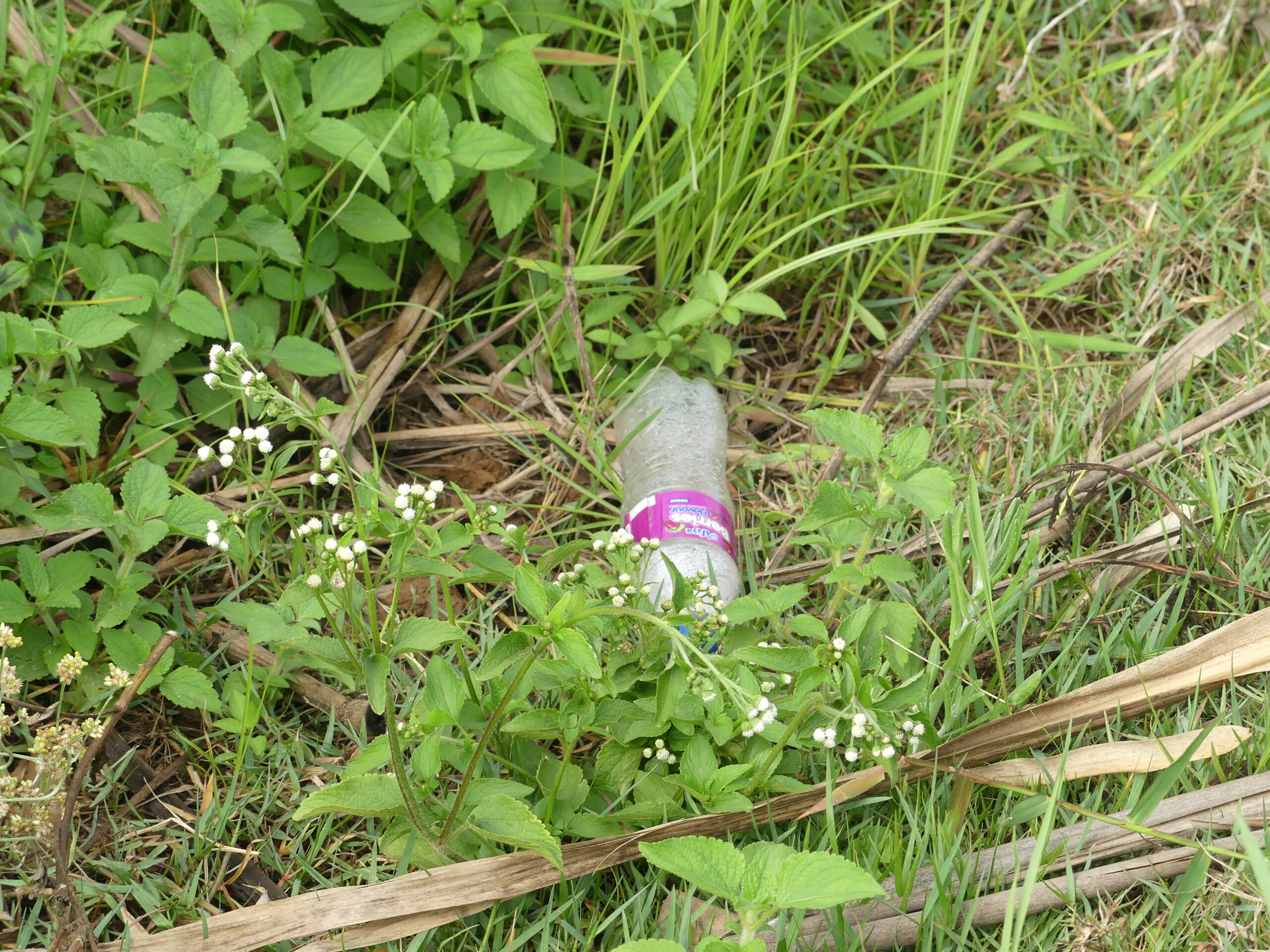
“Plastic bottles left in the river contaminate water used for irrigation, impacting the quality of crops,” he observes. He advocates for stricter enforcement of environmental regulations to preserve the river’s ecosystem.
Jean Claude Uyisaba: A brickmaker’s warnings
For eight years, Uyisaba has relied on the Nyabarongo for firewood, water, and clay for brickmaking. However, he is keenly aware of the pollution’s impact on biodiversity.
“Plastic waste harms animals like crocodiles and hippopotamuses,” he notes, emphasizing the need for stronger conservation measures.
Lake Kivu: A cross-border challenge
Lake Kivu, one of Africa’s Great Lakes, is vital for fishing, transport, and tourism. However, its waters are increasingly polluted by waste from the DRC.
Fisherman Willy, who depends on the lake for sambaza and tilapia fishing, shares his frustration.
“During storms, we see plastic bottles and other trash floating across the border. We try to collect what we can, but the problem keeps coming back.”
Marie Chantal Bahemukiriki, a wood seller near the lake, adds, “This pollution kills baby fish, threatening biodiversity and our food supply.”
Both Willy and Bahemukiriki participate in community cleanups and advocate for international collaboration to address cross-border pollution.
Policy gaps and recommendations
Rwanda’s 2018 Environment Law and its partnership with Norway through the “High Ambition Coalition” have advanced the fight against pollution. Yet, gaps remain in areas such as cross-border cooperation, recycling, and community engagement.
REMA emphasizes the need for regional agreements to address transboundary pollution.
“There is no current cooperation between Rwanda and the DRC to control lake pollution,” says Akimpaye.
She highlights Rwanda’s involvement in global initiatives to push for legally binding agreements on plastic waste.
The Rwanda Water Resources Board (RWB) complements REMA’s efforts by monitoring water quality and promoting sustainable practices. RWB’s Catchment Committees engage public, private, and civil society stakeholders in water management, particularly in sensitive areas like the Kivu and Rusizi catchments.
A call for collective action

While Rwanda has made significant progress in environmental stewardship, the fight against pollution in its rivers and lakes requires a multi-pronged approach. This includes stricter enforcement of existing laws, enhanced recycling infrastructure, and stronger community involvement.
Farmers like Shingiro, fishers like Willy, and traders like Bahemukiriki exemplify the resilience needed to combat these challenges.
“This lake is our livelihood. We must do everything we can to protect it,” says Willy.
International collaboration is equally vital. Diplomatic dialogue and shared frameworks with neighboring countries like the DRC are essential to tackling cross-border pollution.
With sustained efforts from citizens, authorities, and international partners, there is hope for cleaner, healthier rivers and lakes in Rwanda. These natural treasures are vital not only for economic survival but also as symbols of collective action against global environmental challenges.




theinspirerpublications@gmail.com


Leave a Reply