
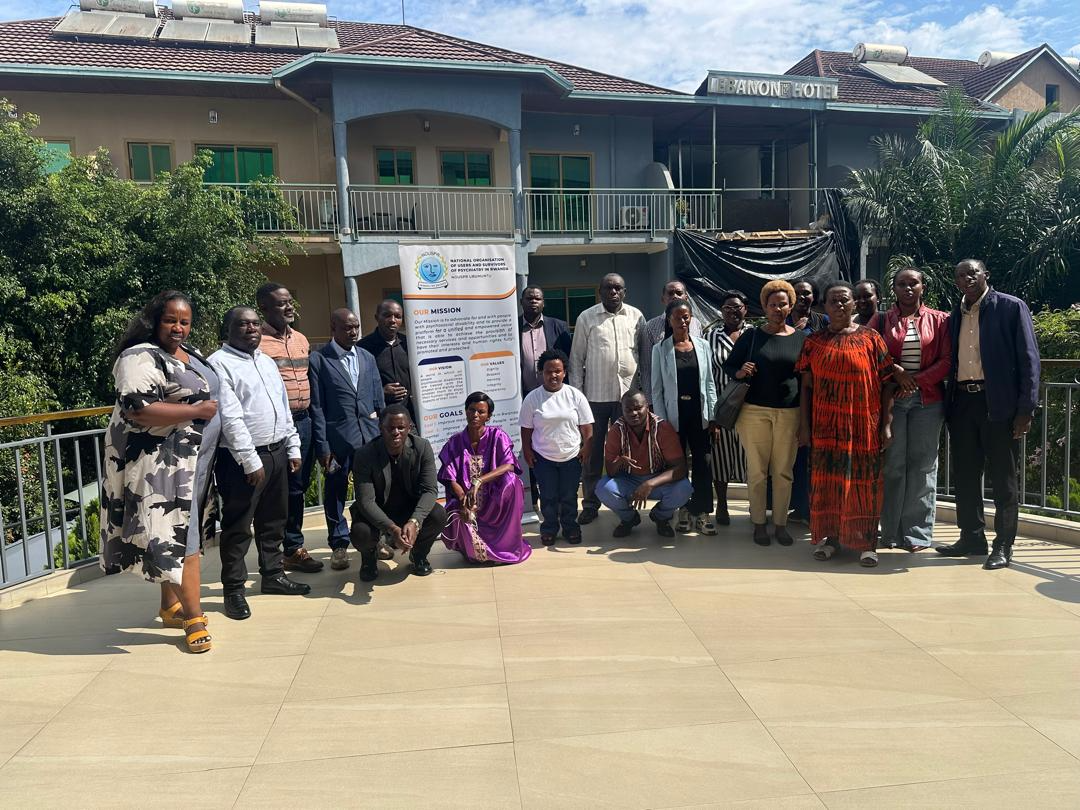
Rwanda urged to protect electoral rights of people with psychosocial disabilities
By Elias Hakizimana.
People with psychosocial disabilities should be allowed to participate fully in elections and other civic activities, disability rights advocates have said, citing stigma, discrimination and limited access to information as barriers to their participation.
The call was made on Friday, October 23, during the presentation of research findings on the political and civic participation of people with psychosocial disabilities in Rwanda, ahead of local government elections beginning at village level on Saturday.
Rose Umutesi, founder and Executive Director of the National Organisation of Users and Survivors of Psychiatry in Rwanda (NOUSPR), said the research was conducted in six districts to understand the experiences of members and identify obstacles preventing them from exercising their political rights.
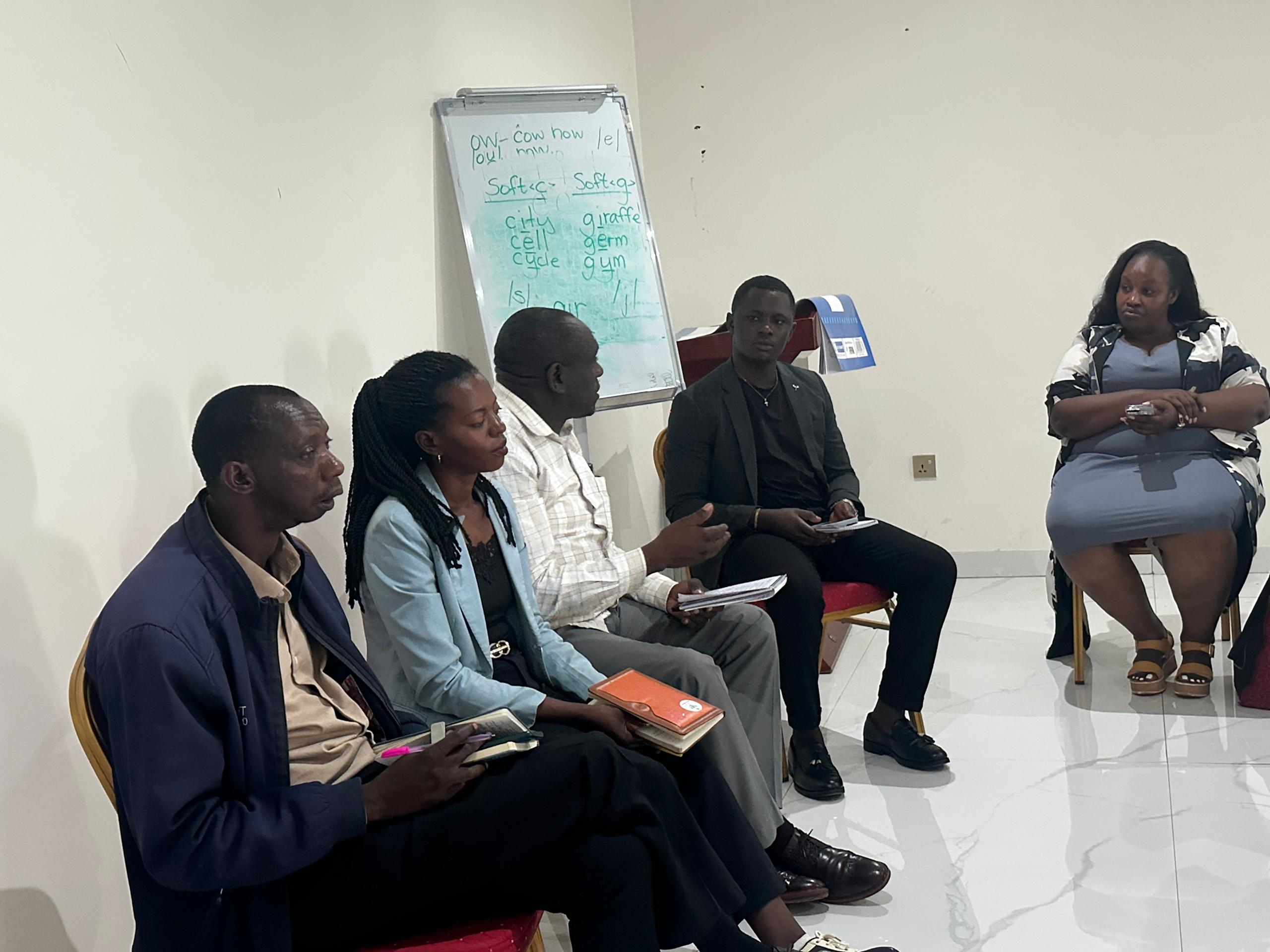
She said discussions with people with psychosocial disabilities revealed that many face prejudice because they are perceived as incapable of making decisions or participating in public life.
“People see them as incapable, which is not correct. A person with a psychosocial disability or mental health condition can take their medication and carry out activities like any other Rwandan,” Umutesi said.
She urged communities to abandon the assumption that people with mental health conditions are constantly experiencing a crisis, arguing that they can recover, rebuild their lives and participate in society, including by voting or standing for election.
“After the crisis, what next? You have to build yourself. You have to do like any other citizen and vote and even be elected. Why not?” she said.
Article 29 of the Convention on the Rights of Persons with Disabilities requires States Parties to guarantee people with disabilities political rights and the opportunity to enjoy them on an equal basis with others. It calls on governments to ensure their full and effective participation in political and public life, including the right and opportunity to vote and be elected, and to make voting procedures, facilities and materials accessible and easy to understand and use.
Umutesi also called for accessible polling stations and reasonable accommodation to enable people with disabilities to exercise their rights without unnecessary barriers.
Jean Claude Surwumwe, education programme coordinator at the National Union of Disability Organisations in Rwanda (NUDOR), acknowledged government efforts to remove barriers and address violence against people with disabilities, but said negative attitudes towards people with psychosocial disabilities persist.

He said some people wrongly believe that individuals with such conditions are always in crisis and cannot assume leadership responsibilities.
Surwumwe added that inadequate access to information and the lack of coordinated communication approaches tailored to people with psychosocial disabilities further limit their participation.
He said NUDOR had engaged the National Electoral Commission (NEC) and the National Council of Persons with Disabilities (NCPD) to improve electoral officials’ understanding of disability-related needs.
The discussions included encouraging polling staff to treat voters with disabilities respectfully and facilitate their participation, including helping them avoid unnecessarily long queues where appropriate.
Emmanuel Nsengimana, Executive Secretary of Collectif Tubakunde which has16 member organisations, said the research highlighted challenges experienced in communities and attitudes that continue to exclude people with psychosocial disabilities.

He said the findings could help inform improvements in future elections, urging stakeholders to uphold the rights of people with disabilities and ensure they are not excluded because of their conditions.
The research comes as Rwanda begins local government elections on Saturday, October 24, starting at village level and progressing through the country’s administrative structures.
Advocates say meaningful participation requires accessible polling arrangements, reliable information and a change in public attitudes so that people with psychosocial disabilities are recognised for their dignity, abilities and rights as citizens.
theinspirerpublications@gmail.com
Related photos:



Leave a Reply