
Rwanda women-led businesses need finance and stronger skills to grow
By Elias Hakizimana.
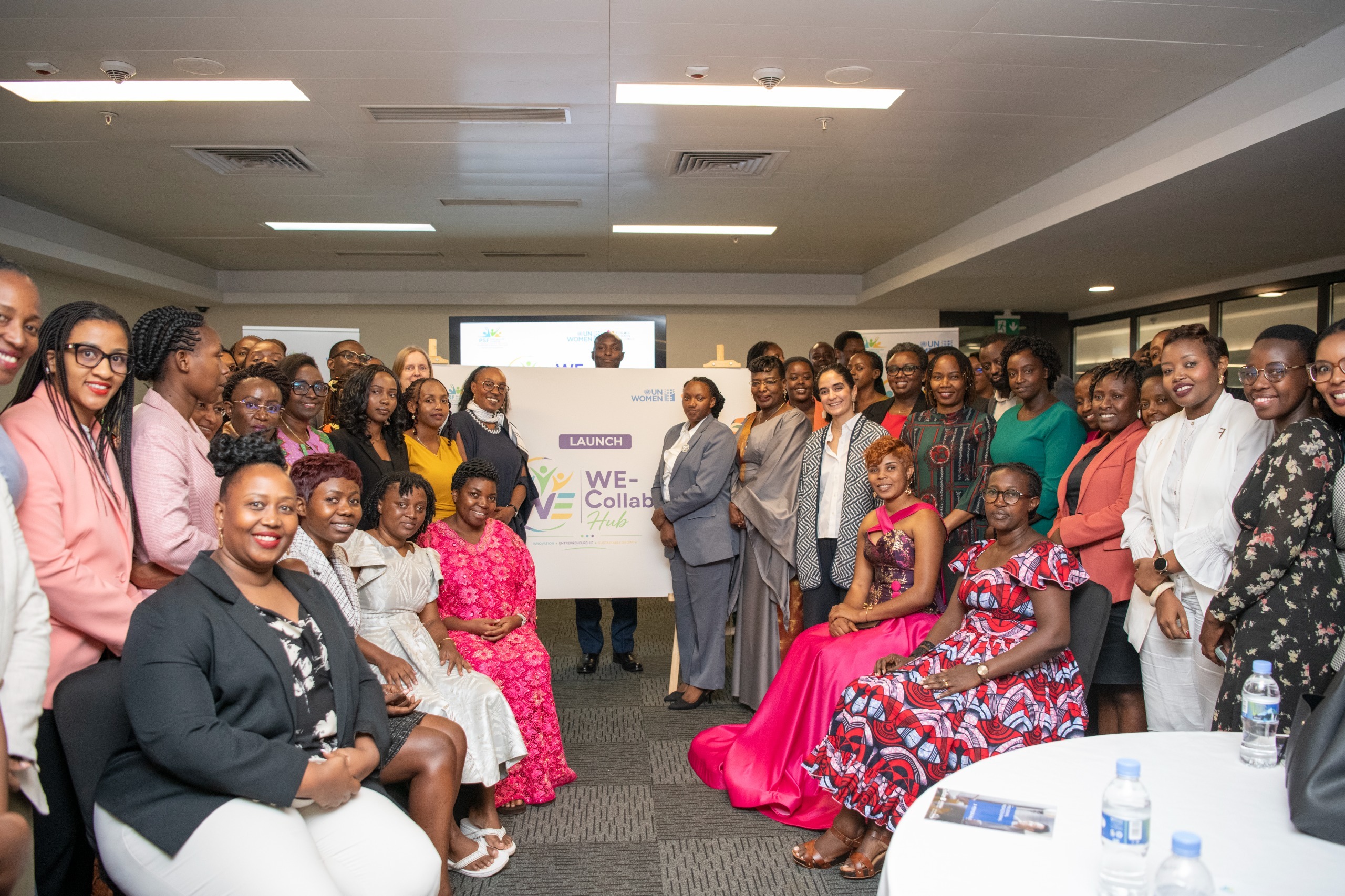
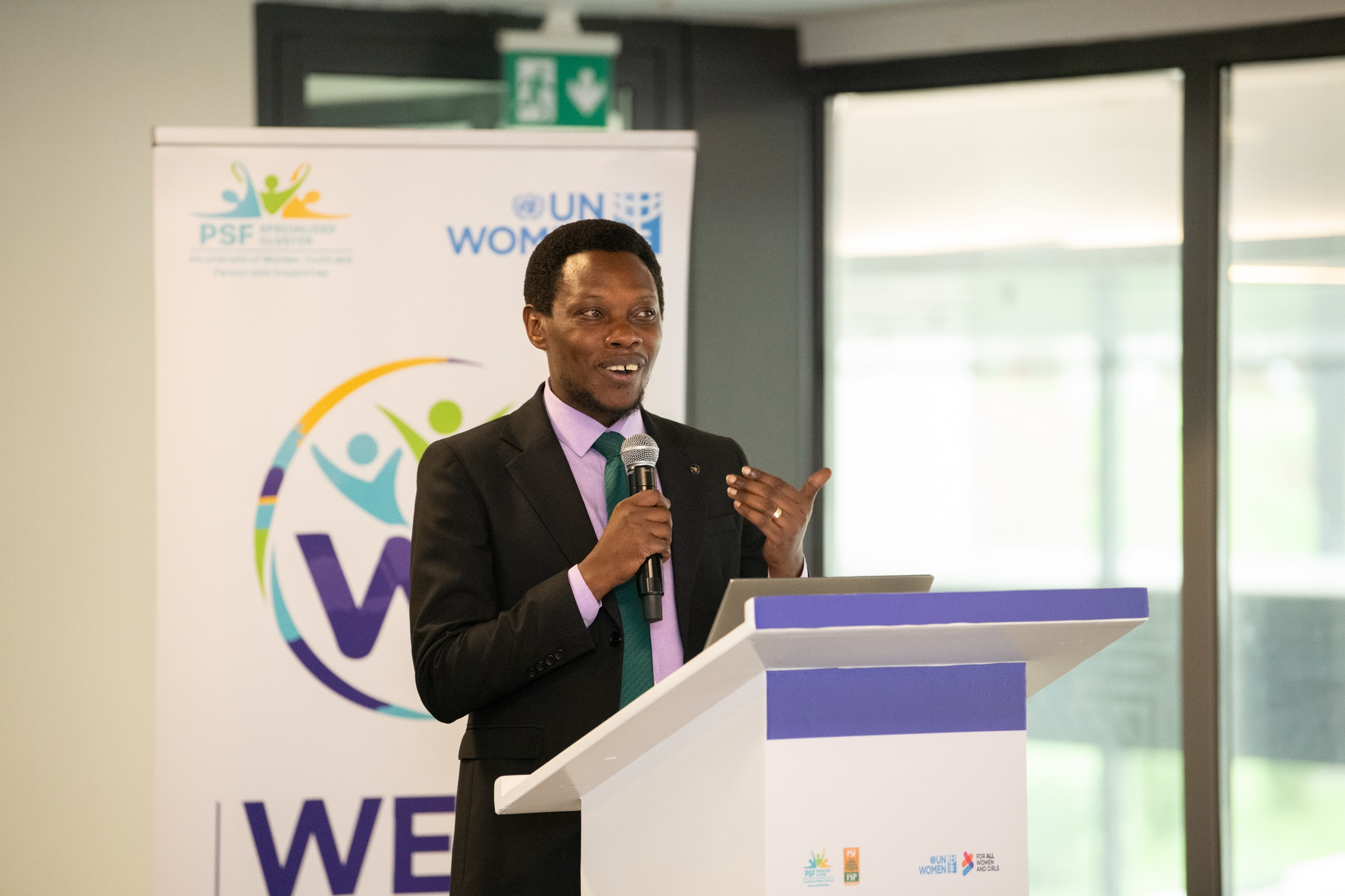
Women-led businesses in Rwanda need better access to finance, stronger financial management skills and connections to markets if they are to grow sustainably, officials and entrepreneurs said at the launch of the WE-COLLABO Hub in Kigali on October 22.
The hub, launched by UN Women Rwanda in partnership with the Private Sector Federation (PSF) Specialized Cluster, will initially support 30 women-led micro, small and medium enterprises (MSMEs), with ambitions to expand the model nationwide.
Figures presented at the launch indicated that only 17% of women-led enterprises have access to formal credit, despite MSMEs contributing more than 40% of Rwanda’s gross domestic product and employing about seven in every 10 workers.

Marie Goreth Nizigama, UN Women’s country representative in Rwanda, said the initiative aims to translate progress in women’s leadership into greater economic empowerment and business growth.
“When women entrepreneurs thrive, communities prosper, businesses grow, and economies become stronger and more resilient,” she said.
Nizigama said women-led enterprises create jobs, strengthen households and contribute to innovation, but their growth is constrained by limited access to affordable finance, inadequate business networks, unpaid care responsibilities and stereotypes that influence investment decisions.
She said the hub would combine business development, mentorship, financing opportunities and market connections, adding that its success should be measured by whether businesses become more competitive and attract investment, rather than simply counting training activities.
Businesses need stronger financial management
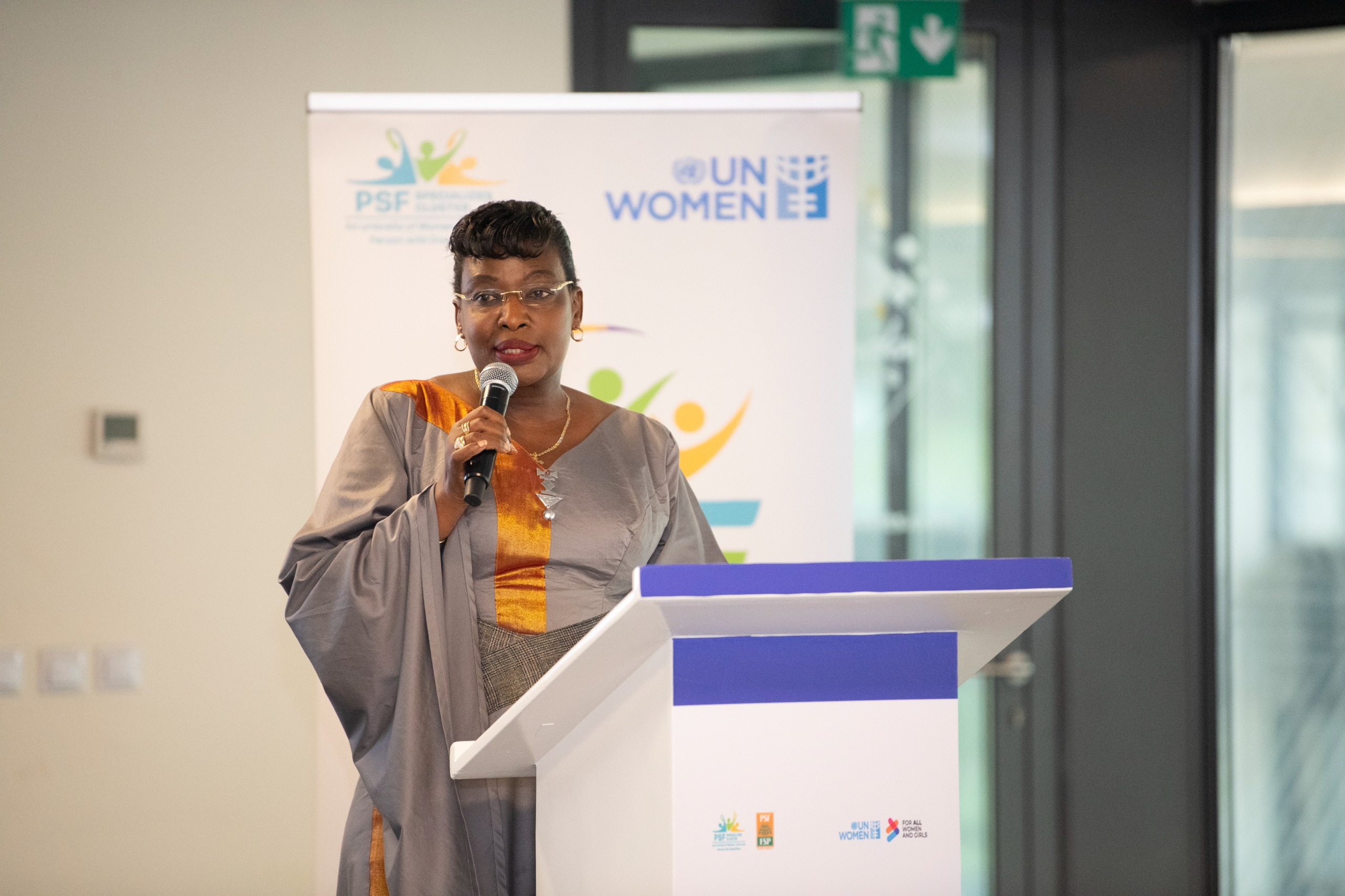
A needs assessment presented by Penny Burabyo, the hub’s facilitator at UN Women, showed that many participating entrepreneurs already have business experience but need stronger systems to sustain growth.
Of the 20 women who completed the assessment, 16 had operated for at least three years, 15 ran registered limited companies and 12 reported annual turnover of between Rwf2 million and Rwf12 million in the previous year.
Seventeen intended to seek external financing, while 16 had experienced cash shortages during the previous 12 months. Thirteen had never pitched their businesses to a bank, investor or partner, and 12 reported mixing household and business finances.
“The ambition to grow is there within these women. The foundation to finance them is not yet there,” Burabyo said.
She said the programme had adapted its training to address gaps in financial management, business planning, branding and investment readiness.
A documentary screened during the launch featured women describing how they struggled to manage businesses alongside family responsibilities. One entrepreneur recalled planning business activities in her head and mixing personal and business expenses before learning the importance of proper financial records.

Bank of Kigali raises collateral-free lending ceiling
Betty Niyonsaba, Bank of Kigali’s women banking manager, said the bank introduced a dedicated Women Banking initiative in 2023 to address barriers including inadequate business capacity and difficulties meeting collateral requirements.
She said the maximum amount available under its collateral-free lending facility for women entrepreneurs had increased from Rwf15 million to Rwf100 million. The loans carry an annual interest rate of 16%, with repayment periods of up to three years, subject to the bank’s assessment of applicants.
“If it’s not recorded, it’s not there,” Niyonsaba said, emphasising the importance of maintaining financial records that lenders can use to assess business performance.
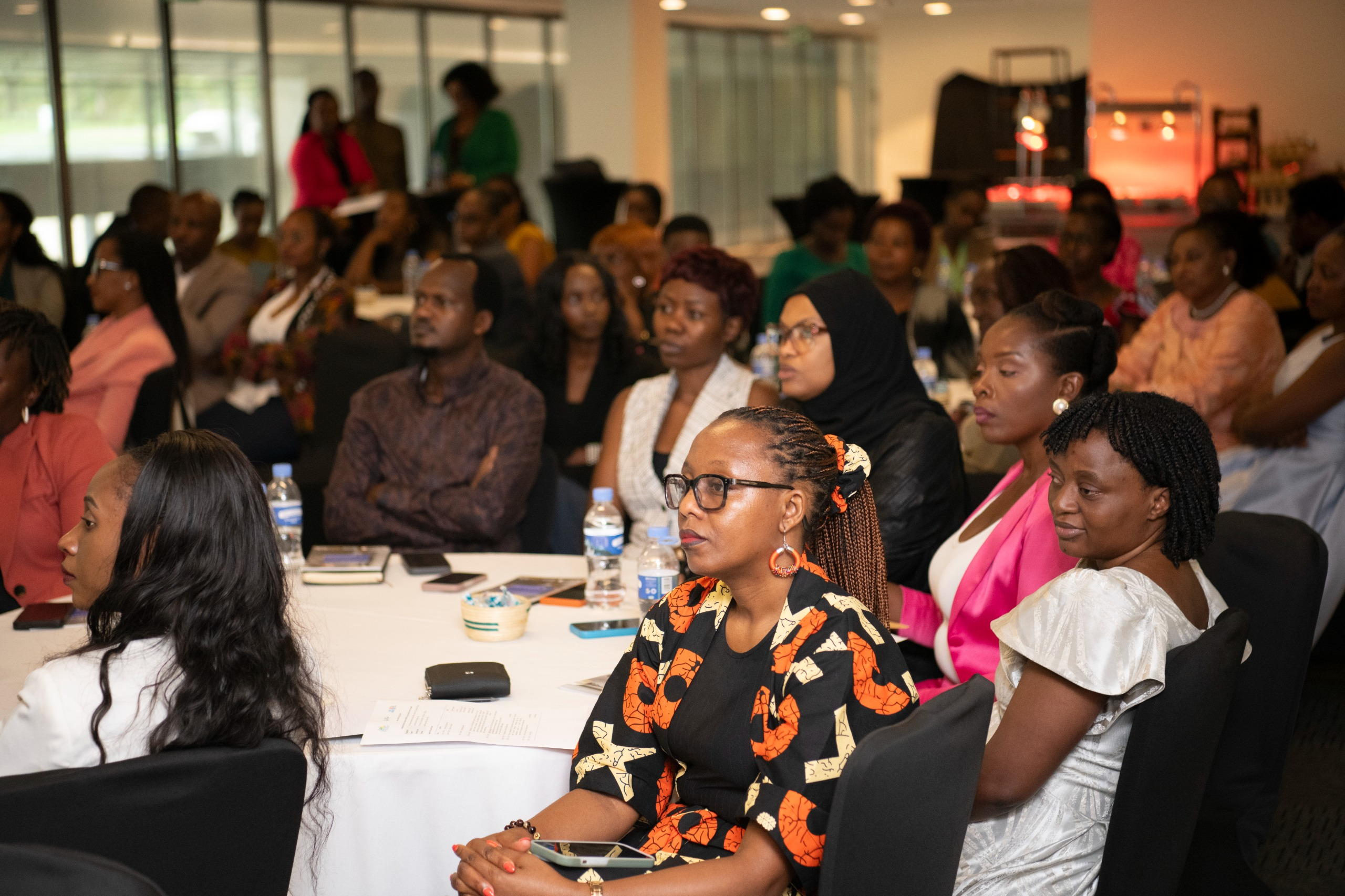
Faustine Ingabire, owner of Ineza Medical Products Ltd, which produces skincare and hair products, urged partners to ensure that training leads to practical support and financing.
“We don’t need theory, we don’t need formalities, we just need action,” she said, calling for grants or affordable loans, study visits to learn from successful entrepreneurs and continued support beyond the pilot.
Government calls for measurable business growth
Thérèse Sekamana, chairperson of the PSF Specialized Cluster, said the private sector must move beyond encouraging women to start businesses and create conditions that enable them to compete and expand.
“We must move beyond encouraging women to start businesses. We must create the conditions that enable them to grow, compete, and succeed,” she said.
Sekamana called on established women entrepreneurs to mentor participants, financial institutions to explore appropriate lending products, and companies to open opportunities for procurement and commercial partnerships.
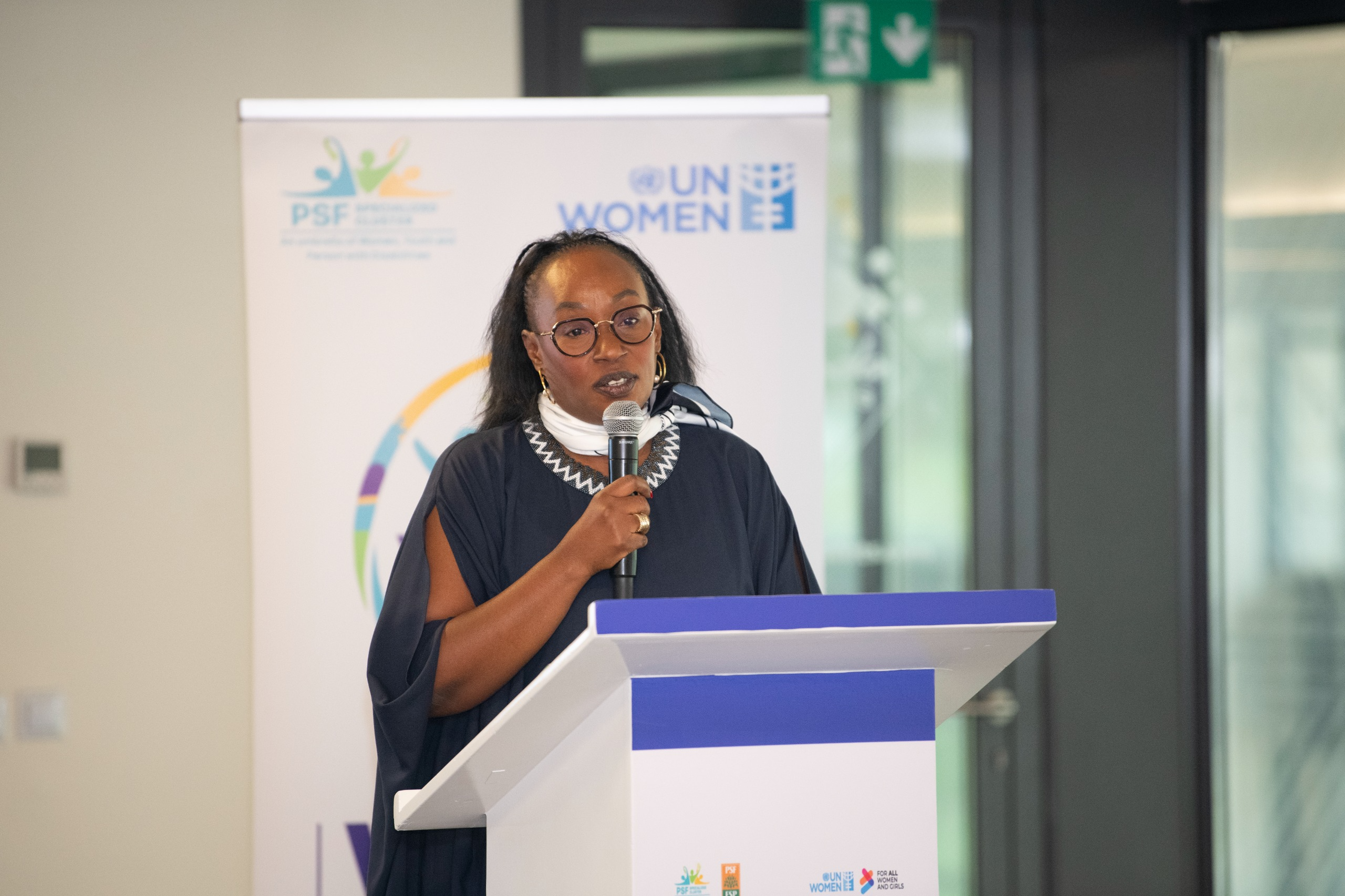
Chantal Tuyishimire, Permanent Secretary at the Ministry of Trade and Industry, said access to finance was critical but that poor cash-flow management and mixing personal and business finances also contributed to business difficulties.
She urged financial institutions to develop products tailored to entrepreneurs’ needs and capacities. She said the hub should be assessed by how much financing participants secure and how their businesses grow, rather than simply by the number of women trained.
Tuyishimire added that government could not achieve its private sector-led economic ambitions alone, calling for stronger collaboration with financial institutions, development partners and business organisations.

Plans to expand beyond Kigali
Jean de Dieu Ndacyayisenga, UN Women’s Programme Analyst for Women’s Economic Empowerment, said the hub was designed as a practical growth platform connecting entrepreneurs with finance, buyers, markets, mentorship and professional networks.
He said the Kigali pilot would help establish an evidence-based model before expansion to other districts, responding to requests for support from entrepreneurs in secondary cities and rural areas.
“We need to prove this model from Kigali with this current cohort,” he said, calling on partners to contribute technical expertise, funding and other resources.
UN Women aims to reach 300 women-led MSMEs within three years, with a proposed budget of approximately US$2.7 million for operations, programme delivery, grants, research and expansion, subject to available resources and partnerships.
The initiative aligns with Rwanda’s Vision 2050 and National Strategy for Transformation 2 (NST2), which prioritise sustainable economic growth and job creation.
The immediate test will be whether the first 30 businesses translate their training into stronger financial management, improved access to finance and increased market opportunities. Their results will help determine whether the model can be replicated to support more women entrepreneurs across Rwanda.
theinspirerpublications@gmail.com




Leave a Reply