

Rwamagana: FAO initiates integrated aquaculture project into rice farms
By Elias HAKIZIMANA.
The Food and Agriculture Organization (FAO) in Rwanda has introduced a new project to raise fishes into rice farms in Rwamagana District, Eastern Province. Farmers will be able to harvest both fish and rice grown from the same space.
According to Dr Abebe Haile Gabriel, UNFAO Assistant Director General and Regional Representative for Africa, the initiative aims to improve food security and nutrition status among Rwandan smallholder farmers who practice rice farming and also to increase both aquaculture and rice farming productivity.
“The intention is to introduce integrated fish in the rice system in small plots to improve the resources efficiency to enable farmers to get products of both rice as well as fish. In fact this is done in other countries and particularly in Asia, and it is based on a successful experience in other countries that we are trying out here.” Dr Abebe said.
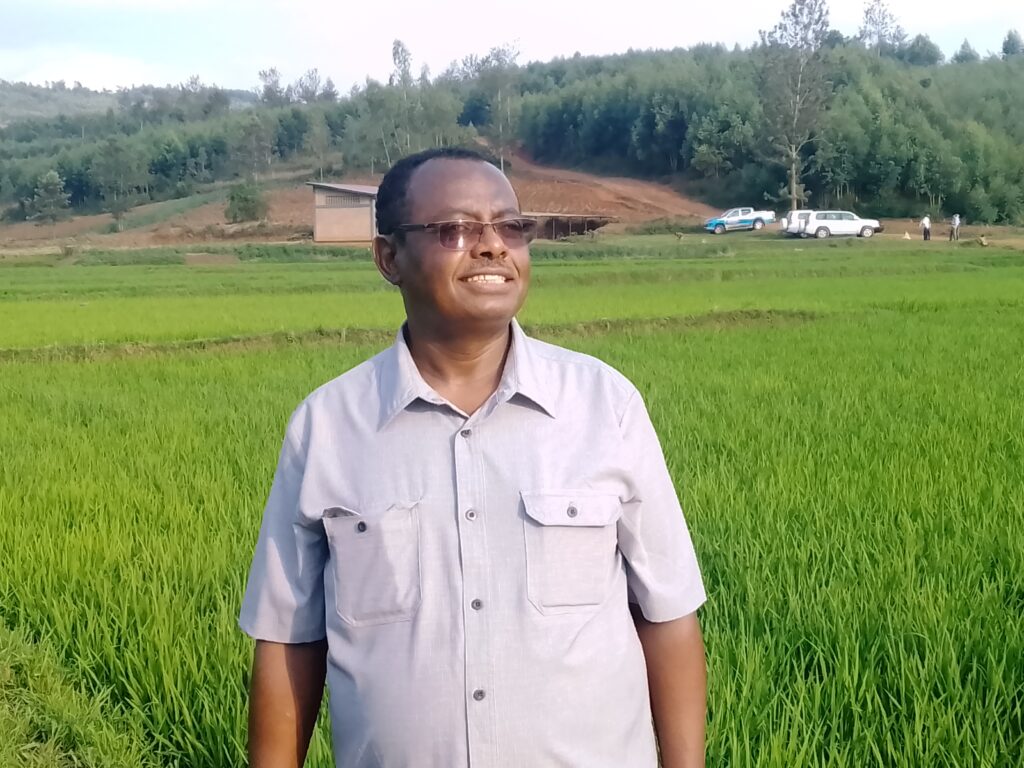
He said that FAO expects Rwanda to develop extra aquaculture in land fisheries as there is a huge demand for fish products. He noted that the project will improve farmers’ income, and also nutrition in the country.
“We would like to see Rwanda develop its inland fishery sector in a manner that uses its limited resources in an efficient and sustainable manner, and this is a good example,” he added.
Dr Abebe said that the true value for food in Africa has been underestimated while in other countries this value has been overestimated, the concept which would inspire African countries to have their products more competitive.
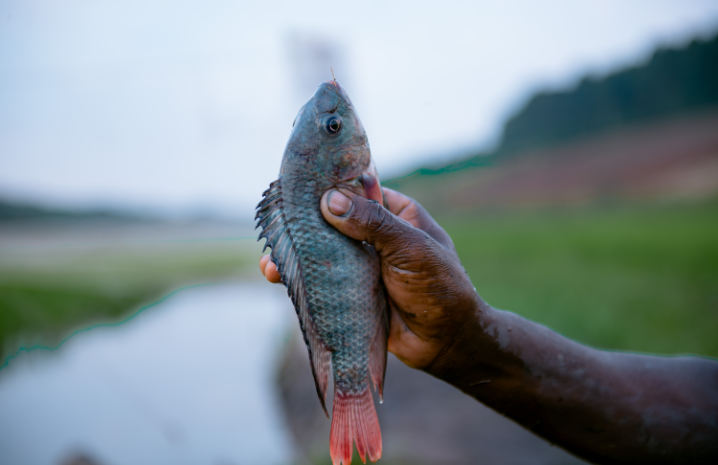
He emphasized that the new integrated fish and rice farming will increase food production and contribute to efficient nutrition and improve food security. “The farmers can harvest not only rice but also fish which they can consume and also sell to the market to get income and buy what they want,” he said.
He said that FAO has been discussing with Rwandan government authorities including the ministry of agriculture to see how they can expand encouraging results from this pilot project being done in Rwamagana district to other parts of the country.

He said that there is a very high possibility for scaling up the project countrywide based on the willingness of the farmers to invest in this kind of farming to benefit both producers and the country in general. He commended the efforts of the government of Rwanda to demonstrate exemplary leadership in advancing the agenda of agriculture transformation in Africa, highlighting its role in achieving the Malabo declaration provisions for the last six years.
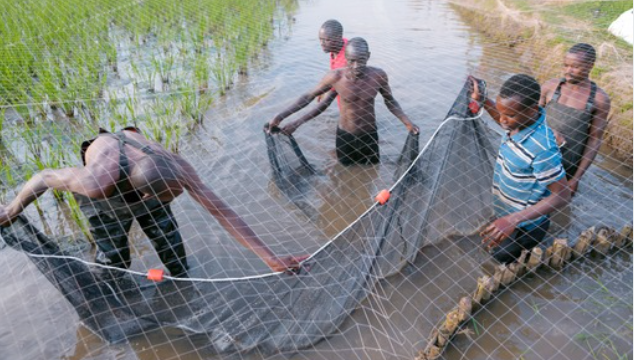
The new rice farming model uses organic manure and no pesticides are applied. This helps fish to feed on the manure into the water as well as contributes to protection of rice from pests as the fish eat up them.
“If you compare the cost of planting in the same plot of land with only rice and the one with fish, the cost increases but you have to compare the benefits. And the benefit out-ways the cost. He noted that the integrated one is much more beneficial than the current rice farming,” Dr Abebe noted.
Farmers welcome the initiative
Jean Bosco Nyiringango, the president of rice farmers’ cooperative dubbed ‘KOKIRIKI’ that currently grow rice on over 65 hectares in the CYIMPIMA Marshland, in Munyaga sector, Rwamagana district where the project has been initiated said that they started to see the impacts since they used to get the income of 4.5 percent per hectare and now topped up to 5.5 percent per hectare.
The cooperative has over 500 farmers that grow rice in small plots.
“We are expecting to increase our production income per hectare to 8 percent due to the training opportunities we are getting,” he said.
The project has started with two fish species; Tilapia and cut fish which have been tested of good quality and can easily be grown into rice farms.
On 20 acres of rice plot, according to Nyiringango, farmers can harvest around 12,000 fishes.
Preliminary activities of the project started in December 2021 with the plot preparation. In only five to six months, both rice and fish produce are ready for harvesting.
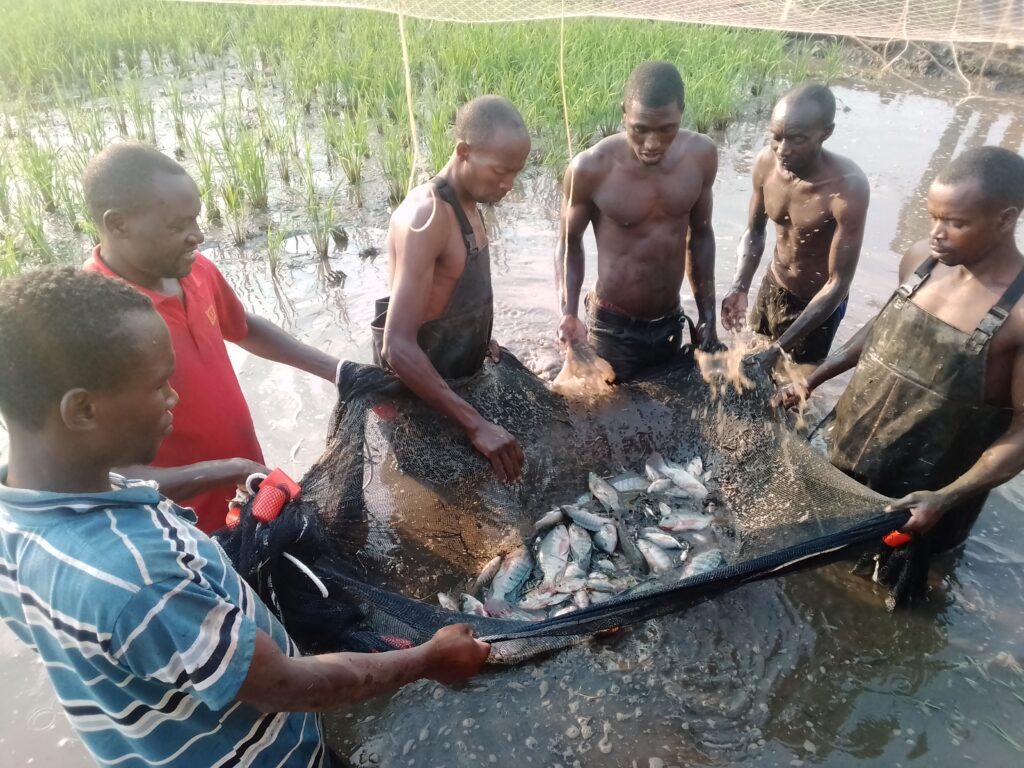
“We planted rice on February 10, 2022 and we got the first produce on June 20, 2022,” Nyiringango added.
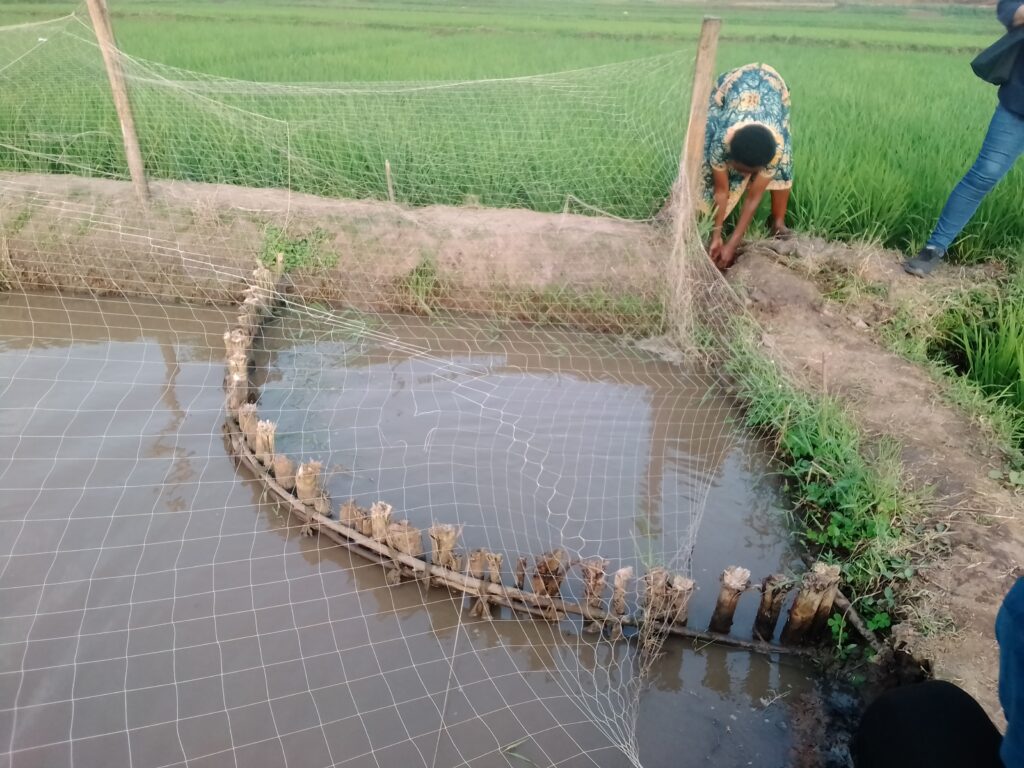
The plots have special places for the fish hiding in the plots during the farmers’ activities. The places prevent fish from farmers’ interruption especially when they are harvesting or catering for the rice plantation.
No cost effective
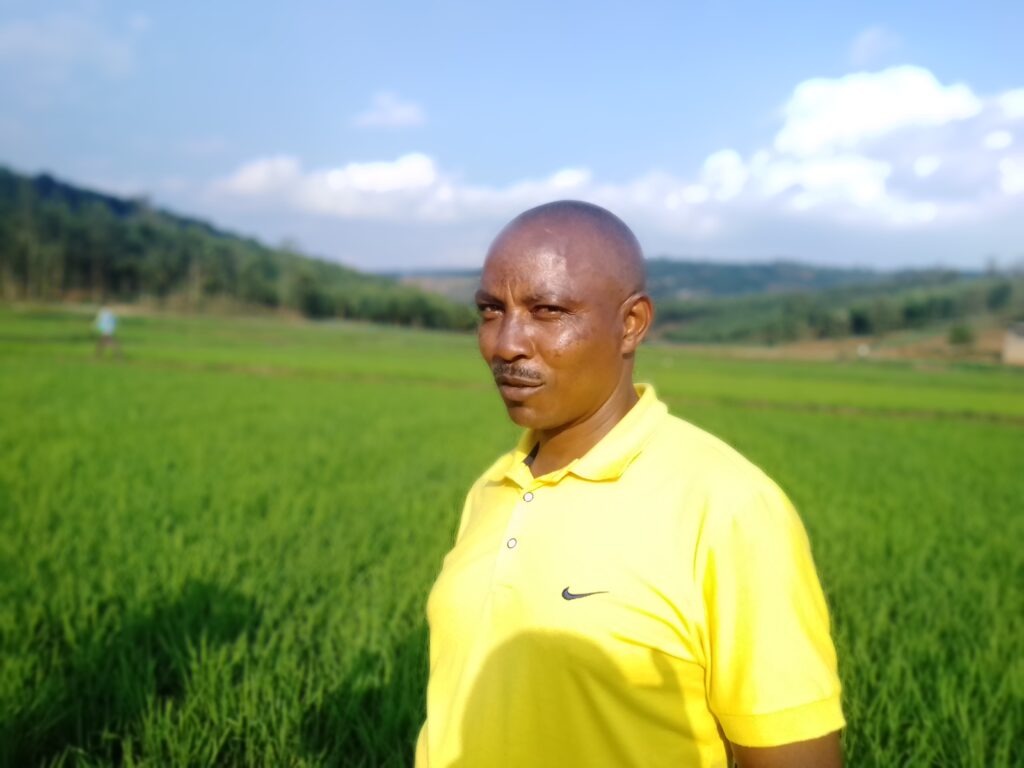
Emmanuel Nsabimana, another farmer from this Marshland said that this kind of integrated fish farming into rice plots helped them to reduce the cost of production as they are no longer buying pesticides and fertilizers.
 Emmanuel Nsabimana.
“We could have spent Rwf70,000 for fertilizers on 20 hectares but we only used manure fertilizers from our cattle with no extra cost.” He said.
theinspirerpublications@gmail.com



Leave a Reply