
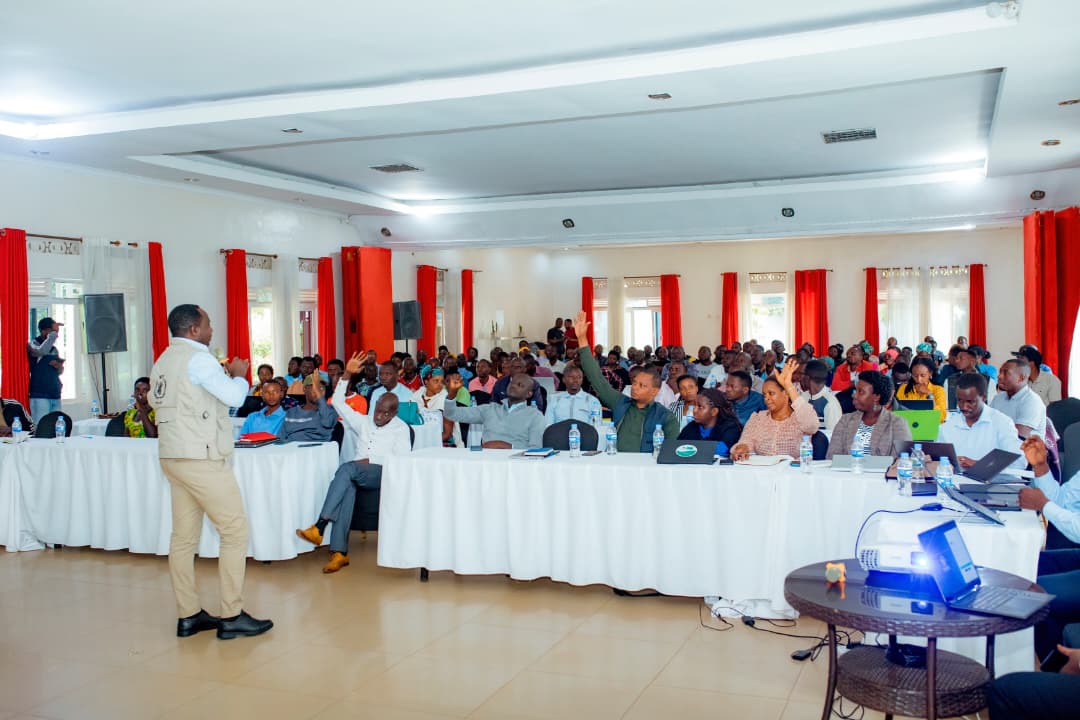
KIIWP2, FARM P3 join forces to streamline market for Kayonza maize farmers
By Elias Hakizimana.
Kayonza, January 19, 2026 — Maize farmers in Kayonza District have long faced unpredictable rainfall, drought-prone soils, and limited access to buyers, financial services, and post-harvest facilities. These challenges have often resulted in low yields, post-harvest losses, and income instability, particularly in sectors such as Ndego, Kabare, and Rwinkwavu.
To tackle these challenges, smallholder farmers in Kayonza are now benefiting from two complementary initiatives: the Kayonza Irrigation and Integrated Watershed Management Project Phase Two (KIIWP2) and the newly launched Food and Agriculture Resilience Mission Pillar 3 (FARM P3).
Both projects, supported by IFAD in collaboration with the Rwanda Agriculture Board (RAB), cooperatives, and private-sector partners, aim to boost maize productivity, reduce post-harvest losses, and strengthen market linkages.
KIIWP2, running since 2021, supports over 40,000 rural households to adopt modern agronomic practices, coordinate planting, and connect with formal markets.
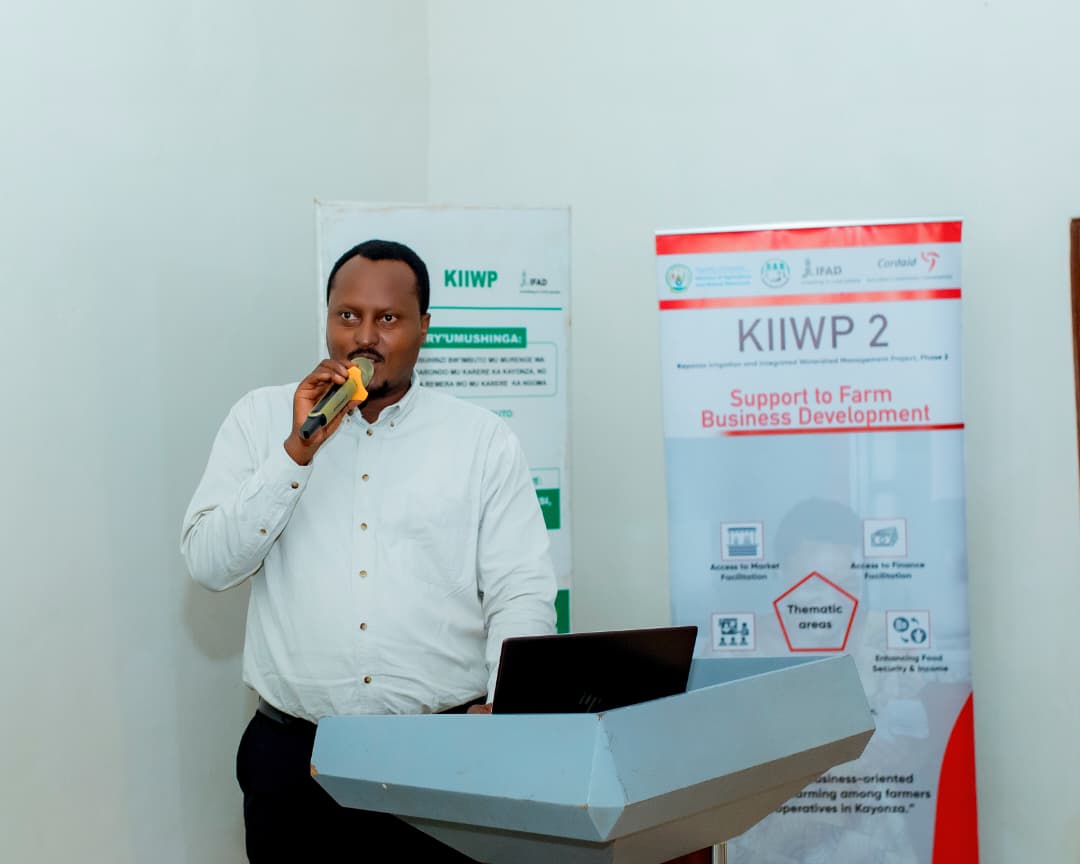
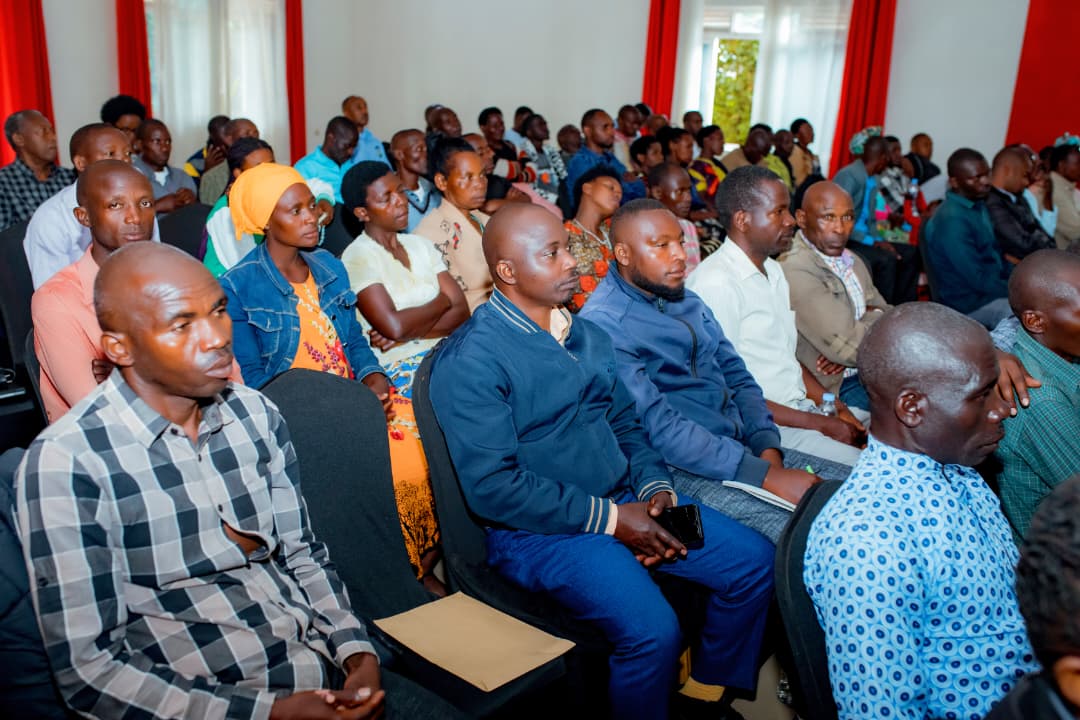
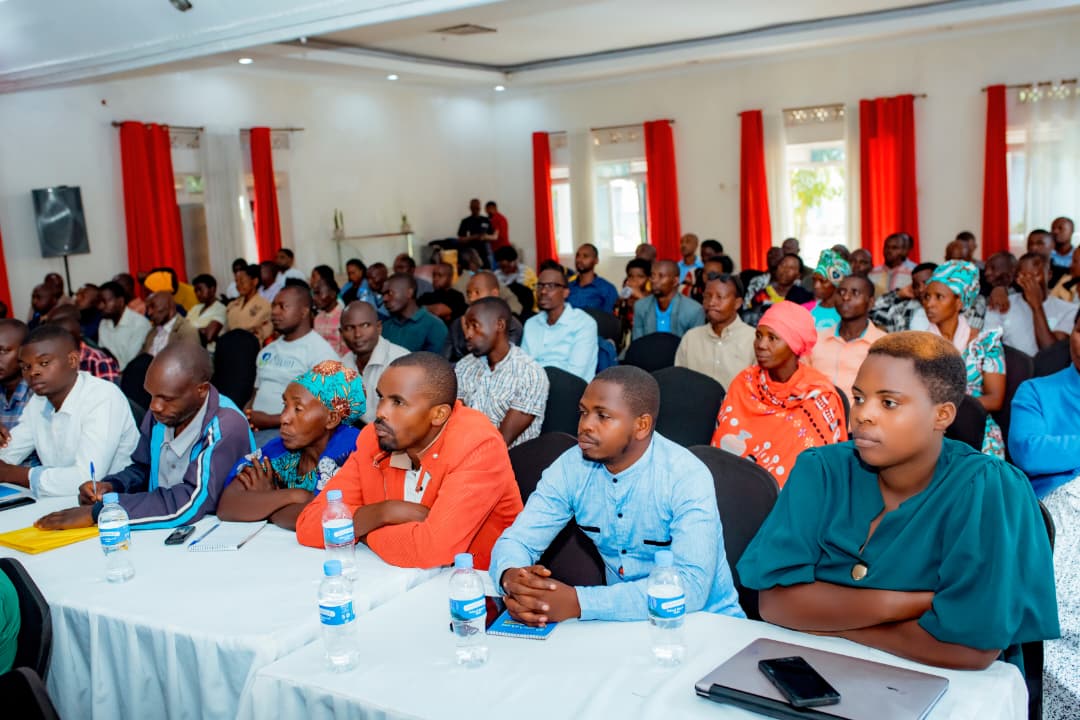
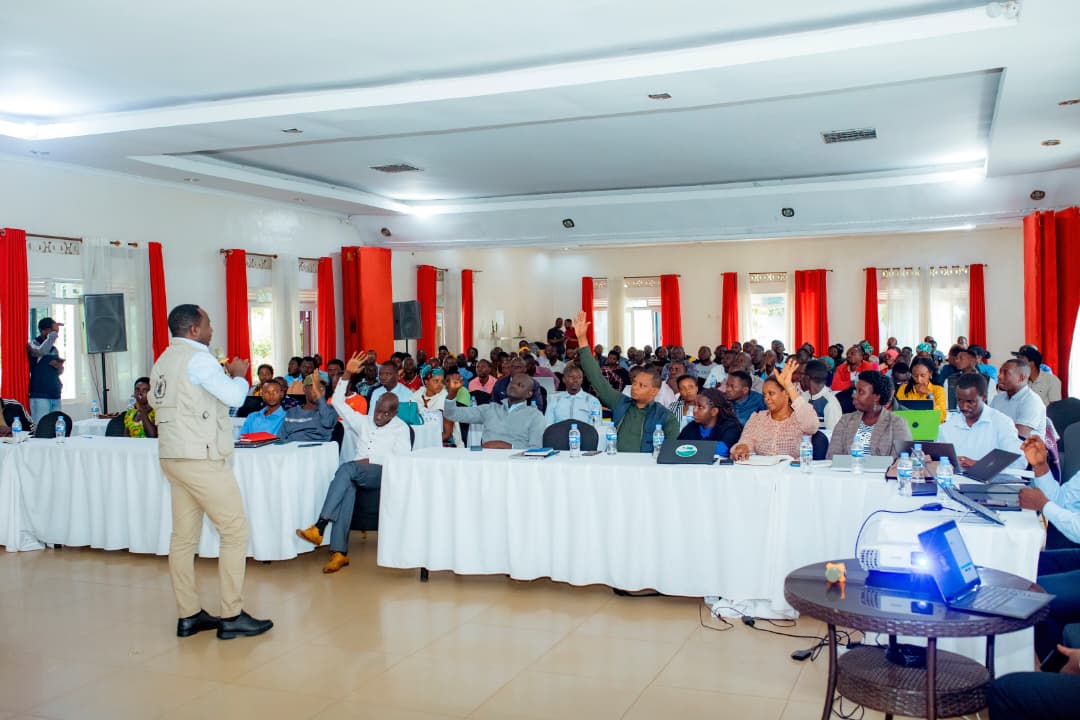
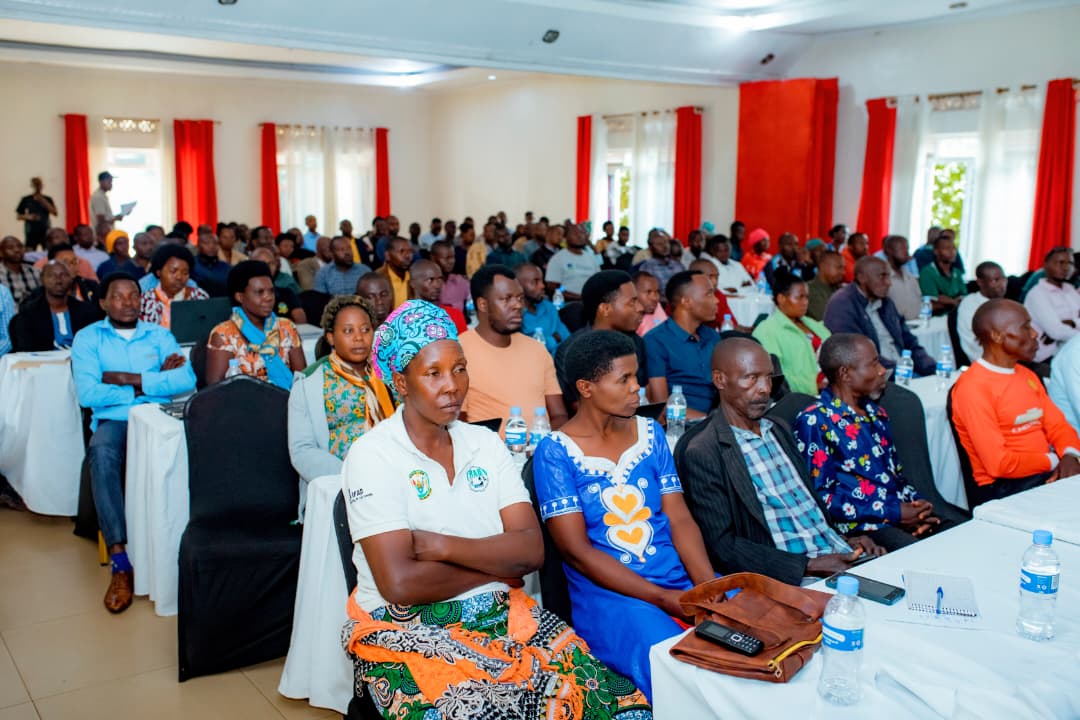
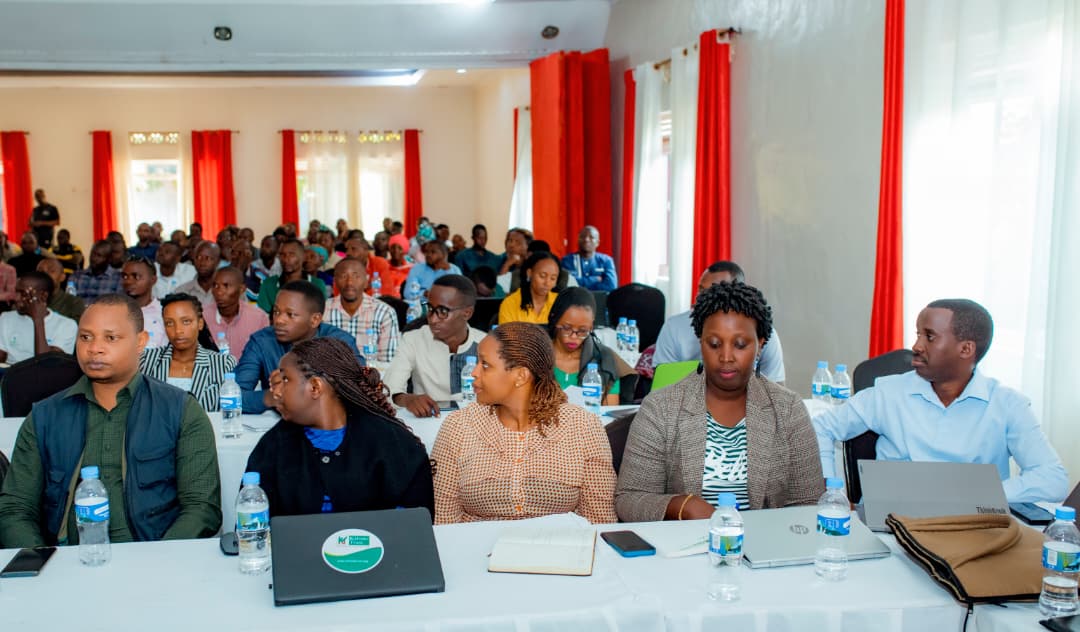
On Monday, January 19, KIIWP2 held a meeting that brought together maize cooperatives, buyers, banks, microfinance institutions, and insurance providers.
The session focused on preparing farmers for the end of the 2026 A maize season, ensuring harvests reach buyers efficiently, and introducing financial and risk-mitigation tools.
Dan Mandela, speaking on behalf of KIIWP2, said, “We visited all maize-growing sites and observed generally good yields this season. Our role now is to link farmers to buyers, encourage contracts, and provide access to loans and insurance to protect against losses.”
FARM P3, launched in September 2025, complements KIIWP2 by focusing on post-harvest management and market access for 4,000 smallholders in Kayonza. With a budget of US$1.23 million, the pilot initiative brings together cooperatives, SMEs, banks, and development partners to reduce maize losses, currently estimated at 13.8%, through investments in drying shelters, mobile mechanical dryers, and joint training.
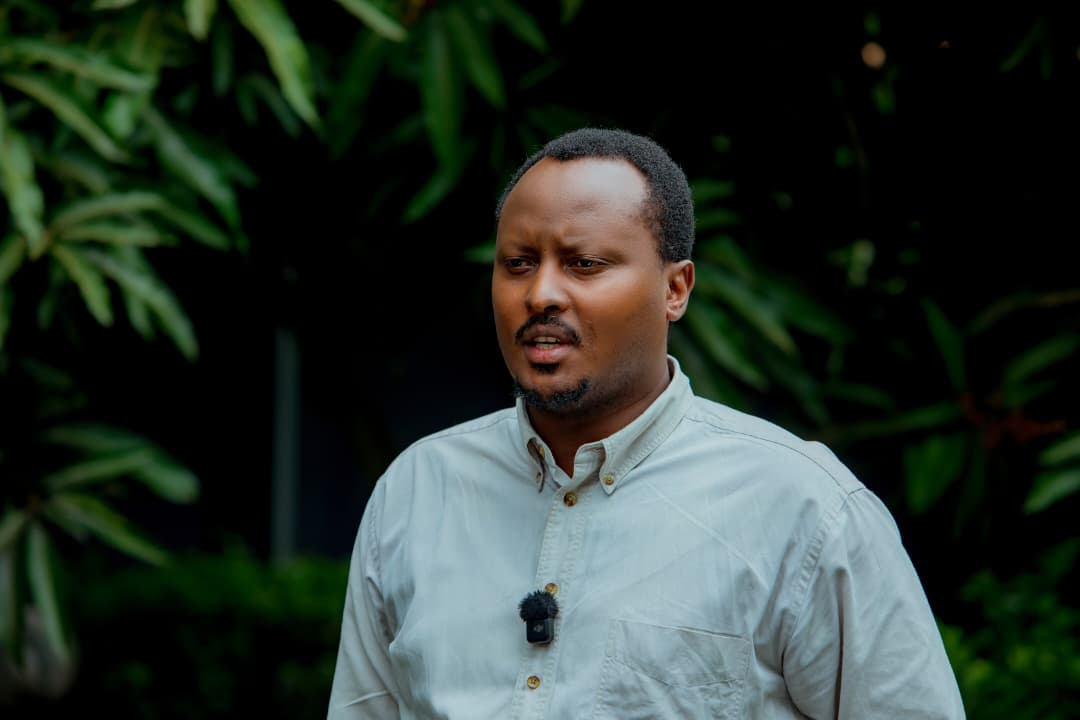
“FARM P3 focuses on building sustainable business relationships. By reducing losses and fostering reliable market linkages, smallholders can sell more, waste less, and increase their incomes,” said Dagmawi Habte-Selassie, IFAD Country Director.
The program also introduces commercial soybean sourcing, helping farmers diversify income and meet growing private-sector demand.
Farmers at the KIIWP2 meeting praised the combined impact of these initiatives.
Agnes Mukamana, president of KOAISORWA Cooperative, which manages 30 hectares of maize and soybeans, reports improvements in yield increase.
“With pre-season contracts and coordinated planting, our yields have improved significantly. Each member now harvests around 350 kg per 10 ares, and the cooperative harvested 200 tons from 30 hectares. We also secured RWF 36 million in loans, allowing investment in drying shelters and farm inputs.”
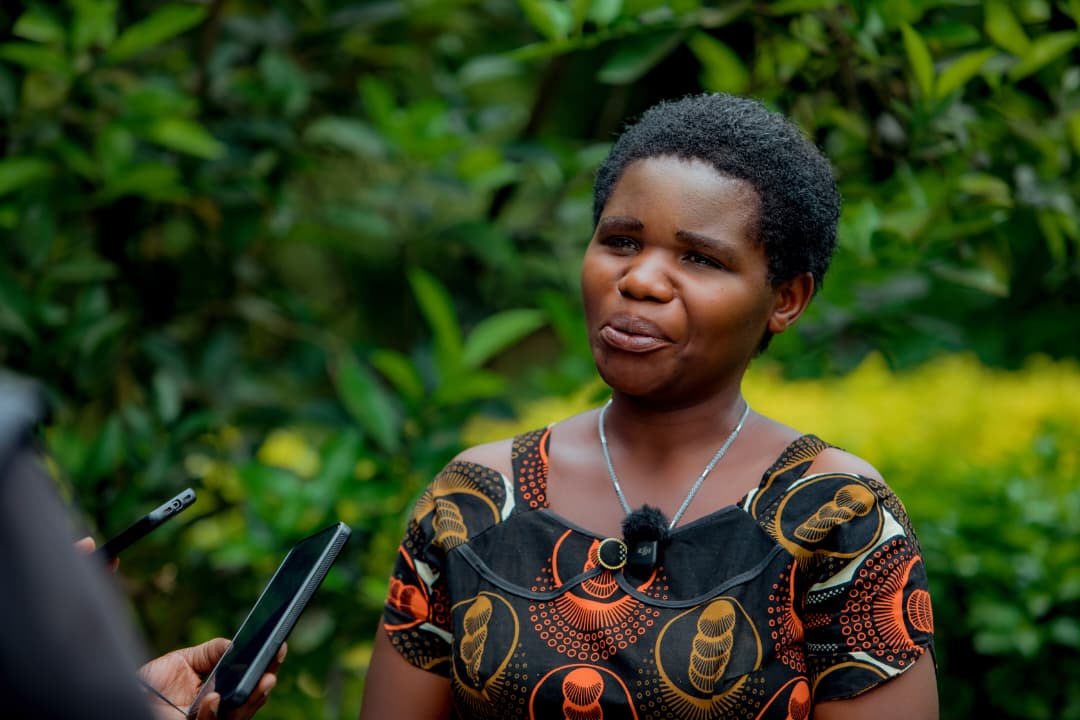
Buyers emphasized the importance of quality standards and timely delivery.
David Karangwa of East African Exchange (EAX) noted that proper crop management and post-harvest handling safeguards both yields and income, while Keneth Kanazi of Furaha Yetu Group Ltd highlighted that maize free of aflatoxin reduces losses and ensures consumer safety.
By integrating production support, financial access, post-harvest management, and market facilitation, KIIWP2 and FARM P3 together strengthen food security, enhance incomes, and empower Kayonza’s smallholder farmers to transform maize farming into a sustainable livelihood.
theinspirerpublications@gmail.com


Leave a Reply