
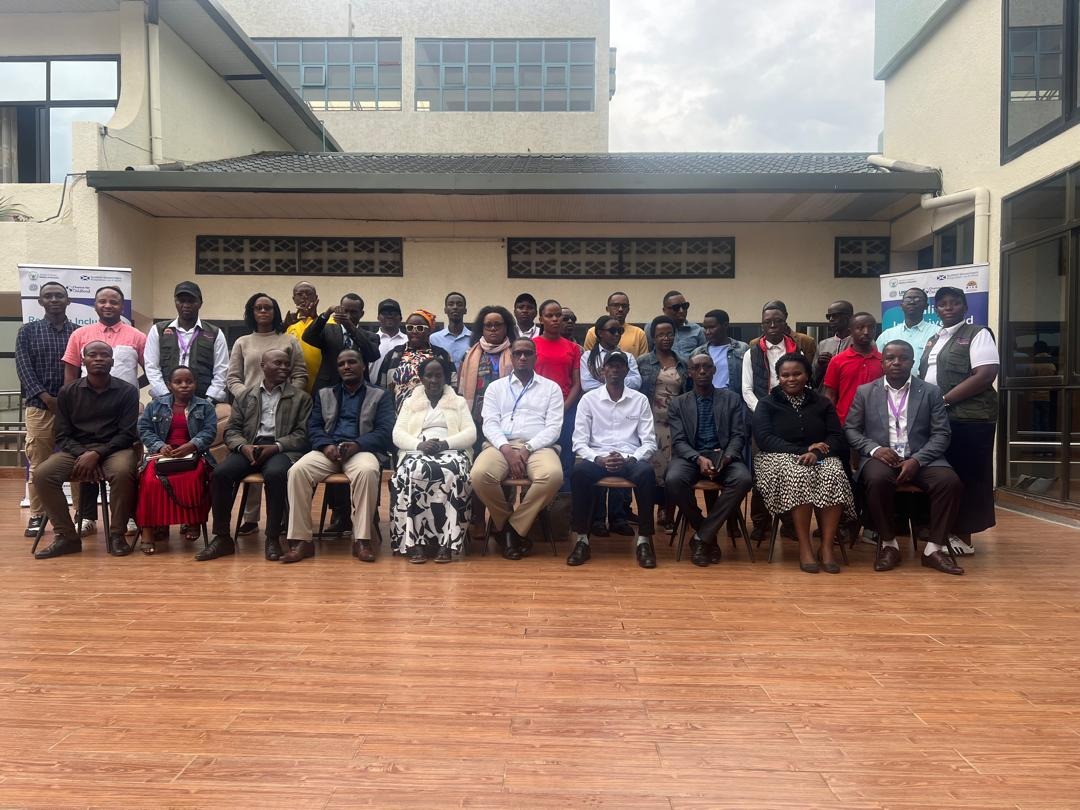
Chance for Childhood, partners to equip 57 schools with sign language and Braille skills in Northern Province
By Elias Hakizimana.
More than 57 schools in Rwanda’s Northern Province are set to benefit from specialized training in sign language and Braille under a collaborative initiative led by Chance for Childhood (CfC) in partnership with key national institutions and Organizations of Persons with Disabilities (OPDs).
The programme is being implemented together with the Rwanda National Union of the Deaf (RNUD), the Rwanda Union of the Blind (RUB) and the Ministry of Education, and aims to strengthen inclusive education by equipping teachers with practical skills to support learners with hearing and visual impairments.
Training will be conducted in Burera, Gicumbi and Gakenke districts, where Chance for Childhood is implementing the Realising Inclusive and Safe Education (RISE) project.

The initiative focuses on promoting inclusive, safe and child-centred learning environments, particularly for children who face barriers to education due to disability.
In his opening remarks, Mr. Kavutse Augustine Vianney, Head of the Basic Education and TVET Quality Assurance Department at the National Examination and School Inspection Authority (NESA), emphasized the importance of inclusive education in Rwanda.
He expressed appreciation to Chance for Childhood and its partners for their continued support in advancing inclusive education initiatives, particularly through the RISE Project, which he said has made a significant contribution to strengthening inclusive practices in schools.
Mr. Kavutse encouraged schools to provide the necessary support to RUB and RNUD volunteers who will be deployed to train teachers at the school level.
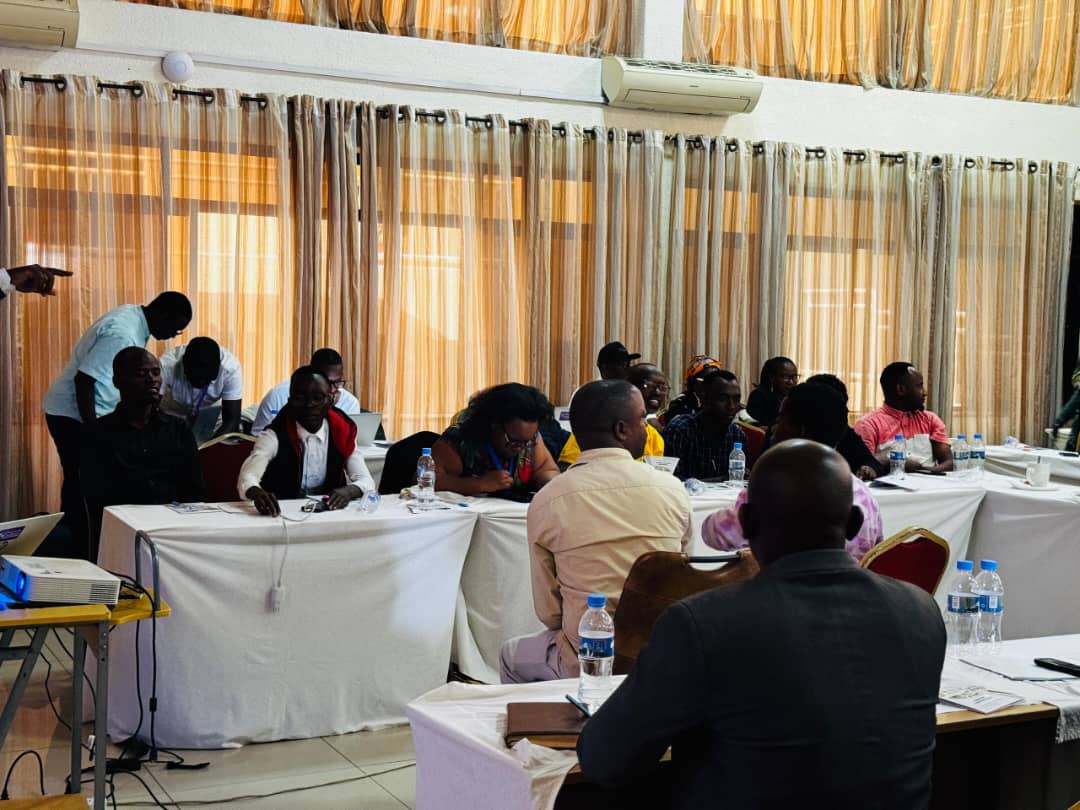
He also urged the volunteers to demonstrate courage, strong commitment and professionalism, and to serve as role models so that their work leaves a meaningful and lasting impact in schools. He further underscored the importance of strong collaboration among stakeholders to ensure the sustainability and long-term impact of inclusive education initiatives.
Elie Kwizerimana, Programs Manager at Chance for Childhood, said the training addresses a critical capacity gap among teachers.
“Many teachers lack knowledge of sign language and Braille, which limits their ability to effectively support learners with disabilities,” he said. “Through this initiative, we are building teachers’ skills so that inclusive education becomes a reality in classrooms, not just a policy commitment.”
School leaders say the programme comes at a crucial time.
Jean Bosco Nizeyimana, head teacher of G.S. Giti in Gicumbi District, said his school currently has about 64 learners with disabilities.
“We have been enrolling children with different disabilities, but supporting them has been a challenge due to limited skills,” he said. “This training will help us improve learning outcomes and attract children who were previously not attending school because of inadequate services.”
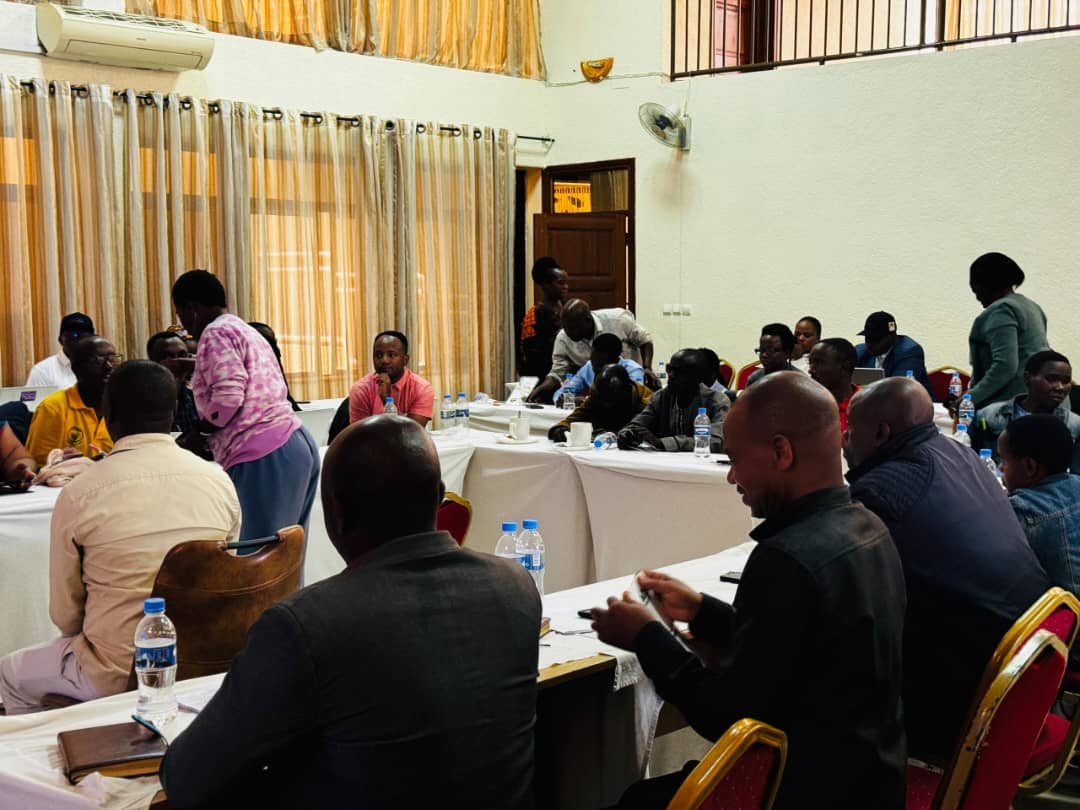
According to Théophile Ntigurirwa, RISE Project Manager at Chance for Childhood, the selected schools will receive long-term technical support.
“One school per sector will be trained and accompanied for five years,” he said. “By the end of that period, each school should become a model of inclusive education, capable of supporting other schools within the district.”
Dr. Betty Nasiforo Mukarwego, chairperson of RUB, noted that training teachers in Braille, orientation and mobility skills will ensure schools are better prepared to support learners with visual impairments.
“Teachers will be equipped to teach Braille and guide learners in the use of the white cane, enabling children with visual impairments to move safely and independently within school environments,” she said.

Local authorities have welcomed the initiative.
Musabwa Eumen, Director of Education in Burera District, said the lack of trained teachers has previously kept some children with disabilities out of school.
“This collaboration comes at the right time, as many schools did not have teachers skilled in sign language or Braille,” he said.
The Ministry of Education recently reported that of the more than 71,000 children returned to school nationwide, over 20,000 have various forms of disabilities—underscoring the importance of sustained collaborative efforts such as this one to advance inclusive education across Rwanda.
theinspirerpublications@gmail.com




Leave a Reply