

Huye: IPAR-Rwanda hosts dialogue to address development challenges
By Elias Hakizimana
The Institute of Policy Analysis and Research (IPAR-Rwanda) on Thursday, April 24, 2025, convened a high-level policy dialogue in Huye District, bringing together a diverse range of stakeholders to examine key development bottlenecks and identify strategic interventions for the district’s transformation as a secondary city supporting Kigali.
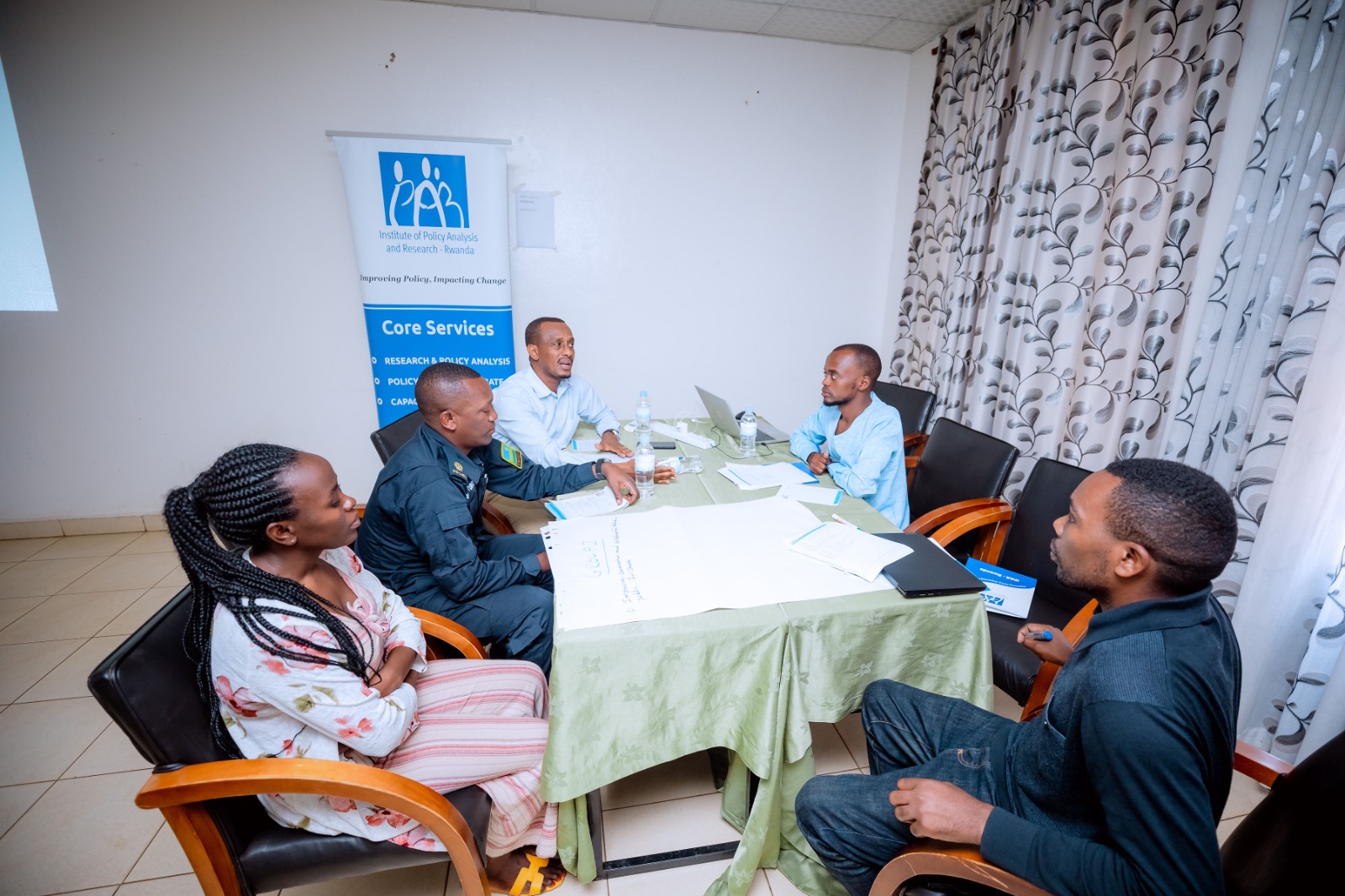
The consultation is part of an ongoing urban governance research initiative being conducted across Rwanda’s secondary cities. It seeks to generate evidence-based recommendations by fostering inclusive discussions among district authorities, private sector actors, government agencies, academia, civil society, and citizen representatives.
Discussions in Huye centered on three critical themes: strengthening inter-agency coordination, optimizing land use and spatial planning, and promoting accountable and context-specific governance systems aligned with Huye’s urban development aspirations.
Insights and stakeholder contributions from this policy dialogue will be synthesized with those from similar consultative meetings held in Musanze, Rubavu, Rusizi, and Nyagatare to develop a consolidated policy framework on secondary city development.
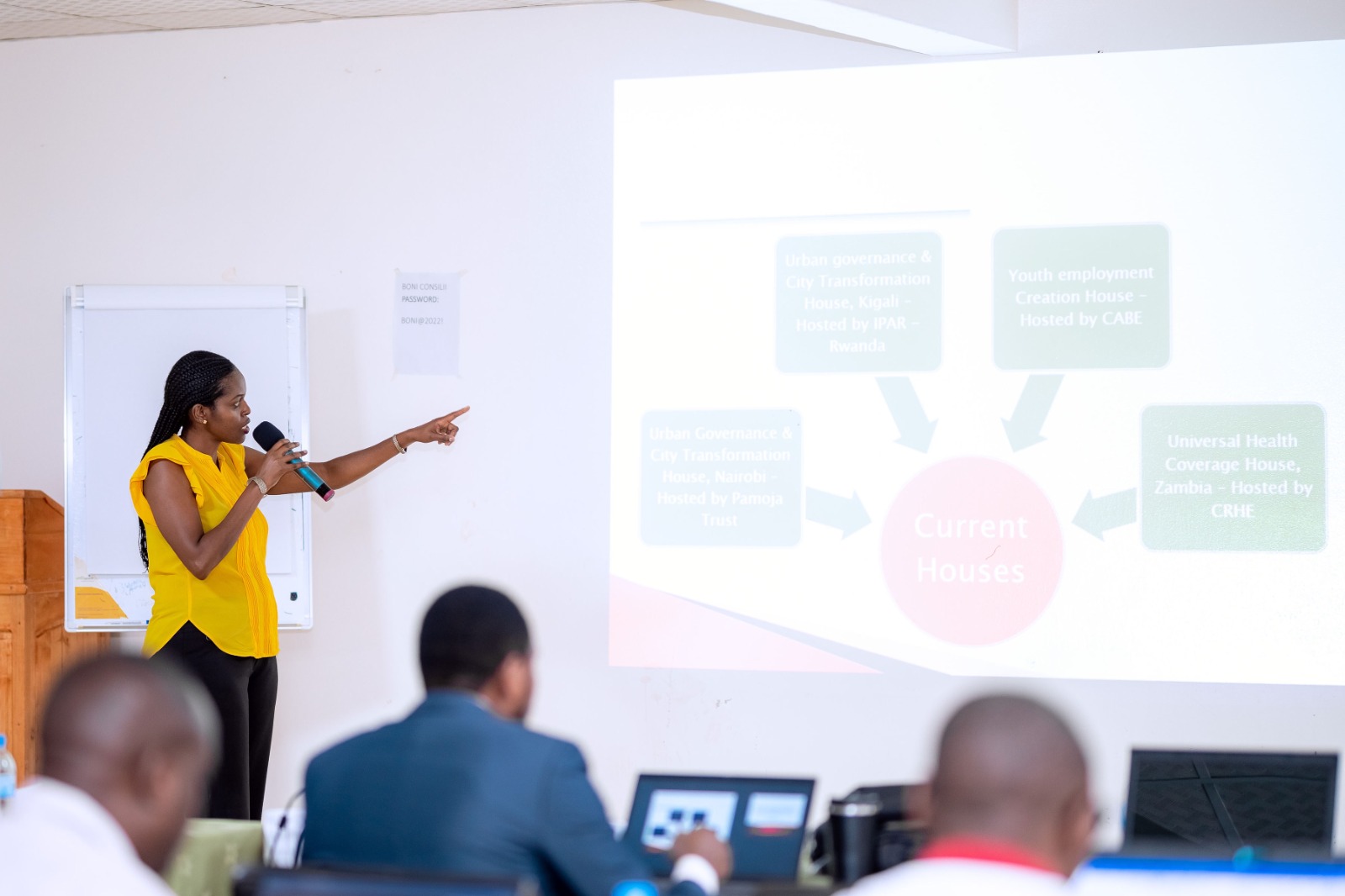
The project is funded by the Partnership for Social Governance Research (PASGR), a Nairobi-based research organization, and follows the Utafiti Sera model — a participatory knowledge-to-policy approach that brings together researchers, policymakers, and citizens to co-produce practical solutions.
Addressing participants, Kamana André, the Vice Mayor in charge of Economic Development in Huye, emphasized the importance of forward-looking planning.
He cautioned against short-term fixes and urged for land use decisions that preserve arable land amid population pressures, warning that failure to protect agricultural zones could expose the country to food insecurity.
Kamana also emphasized the need for synchronized planning among institutions, stating, “We have seen infrastructure projects clash due to poor coordination — for example, trees planted along roadsides later had to be cut down because they interfered with power lines. These are all good initiatives, but without proper collaboration, we end up wasting resources and losing environmental benefits.”
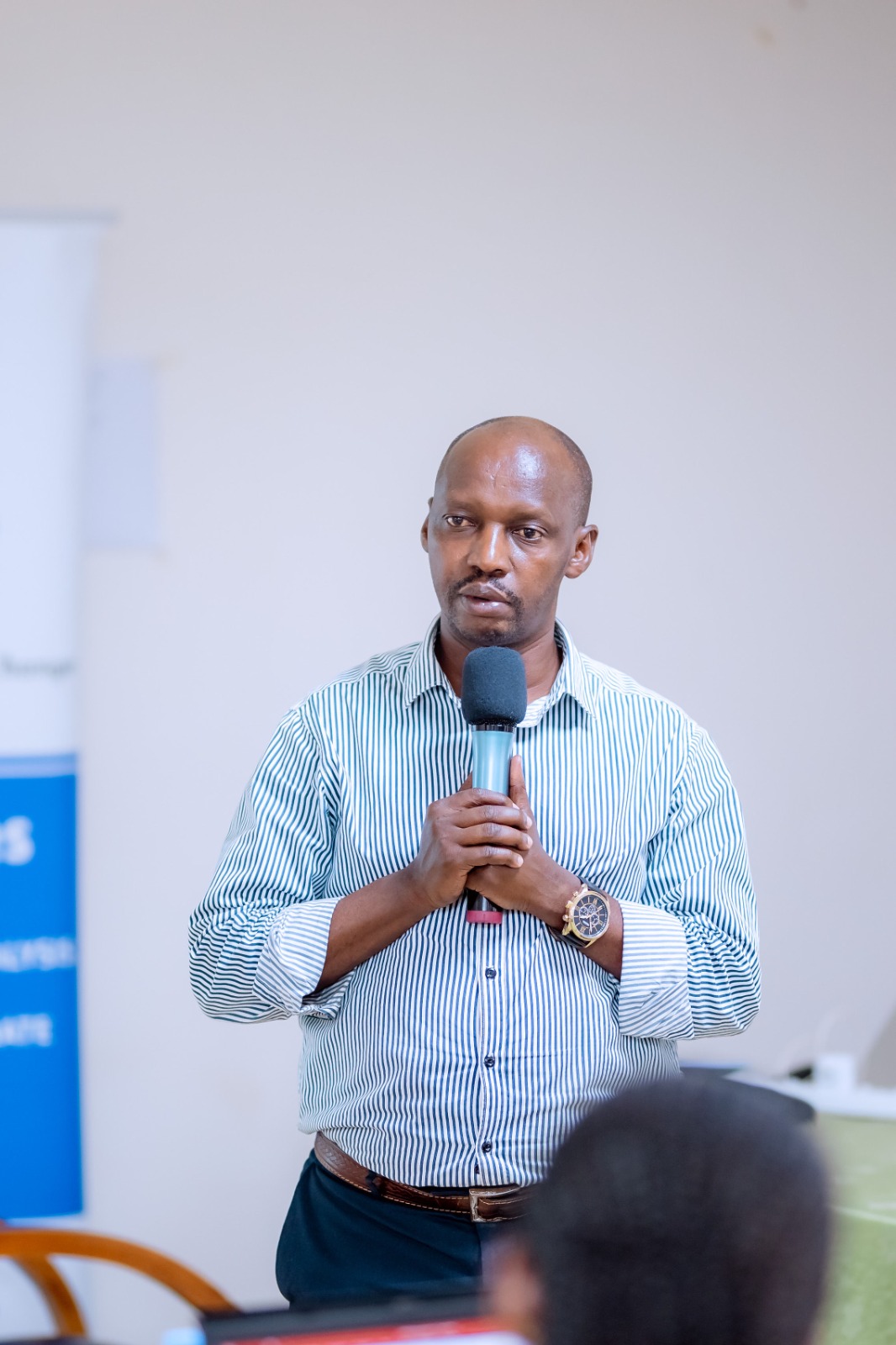
Dr. Jean Pierre Muhirwa, Senior Research Fellow at IPAR-Rwanda and lead investigator on the project, stressed the pivotal role of research in informing national policy. He noted that the Utafiti Sera approach enhances collaboration and communication among stakeholders, facilitating the development of actionable and inclusive policy tools.
According to Dr. Muhirwa, the perspectives gathered from across secondary cities will inform comprehensive reports and targeted policy briefs aimed at supporting effective urban governance and sustainable development.
The evidence and policy options emerging from this initiative are expected to empower secondary cities to exchange best practices, address shared challenges, and align their development strategies with Rwanda’s broader urbanization goals.



Leave a Reply