
Bugesera: Ripple Effect Rwanda launches RESTORE project to revive soils, boost livelihoods
By Prince Boris Cyubahiro.
Bugesera, April 24, 2025 — Ripple Effect Rwanda has officially launched the Regeneration of Soils and Thriving Rural Ecosystems (RESTORE) Project, an ambitious two-year initiative aimed at tackling land degradation, climate vulnerability, and poverty in the Cyohoha Lake catchment area.
Spearheaded by Ripple Effect Rwanda and funded by the Government of the Isle of Man, the two-year project seeks to combat land degradation, mitigate climate impacts, and uplift rural communities through community-led conservation efforts.
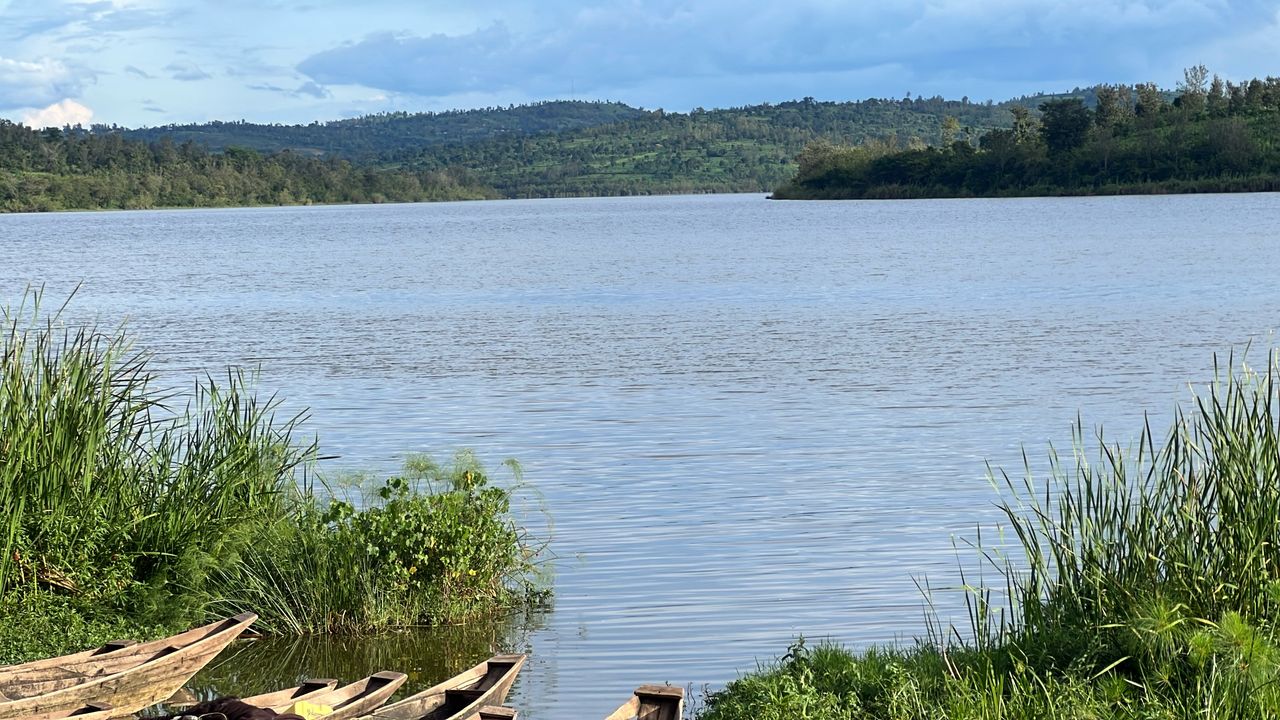
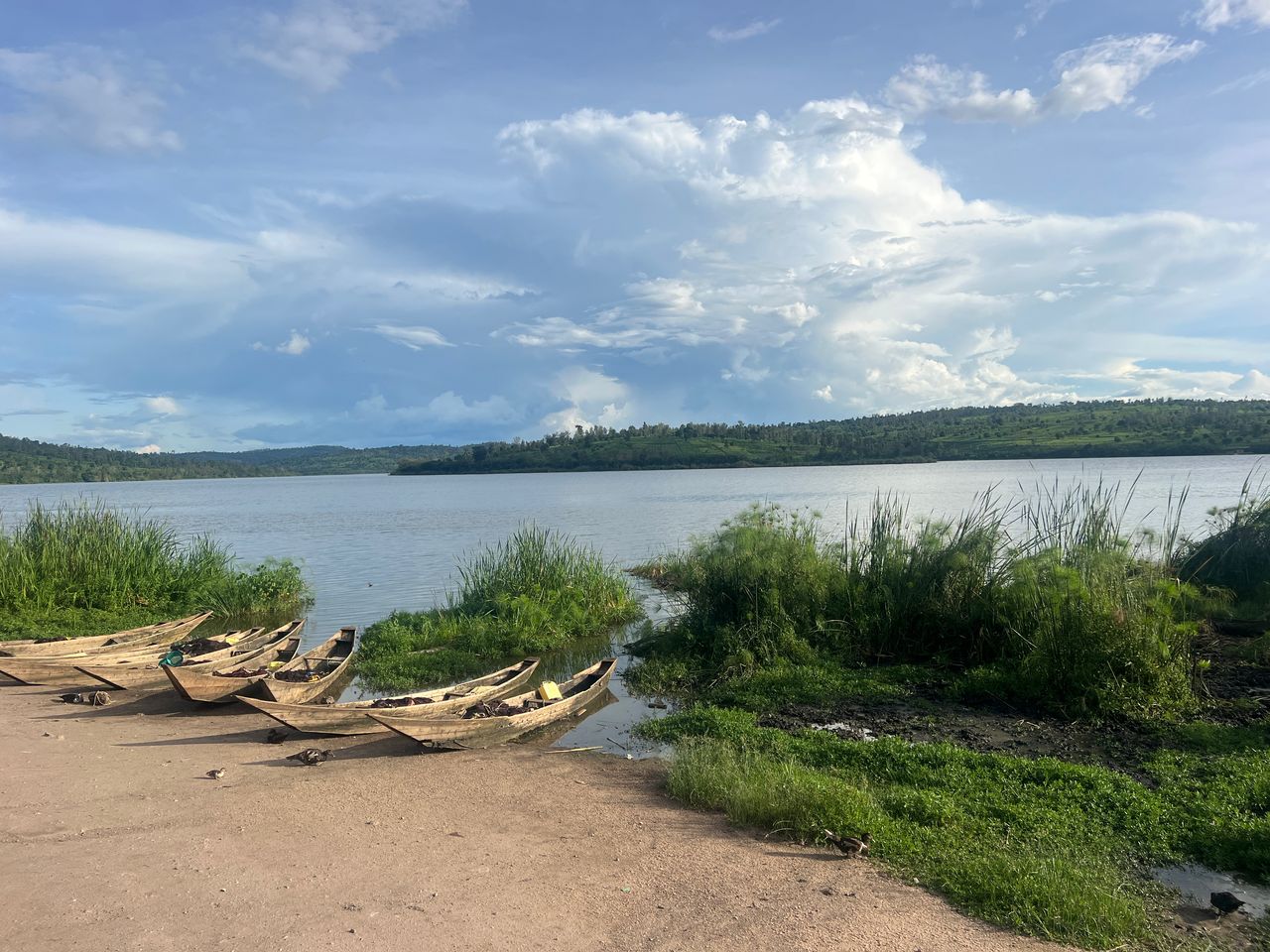
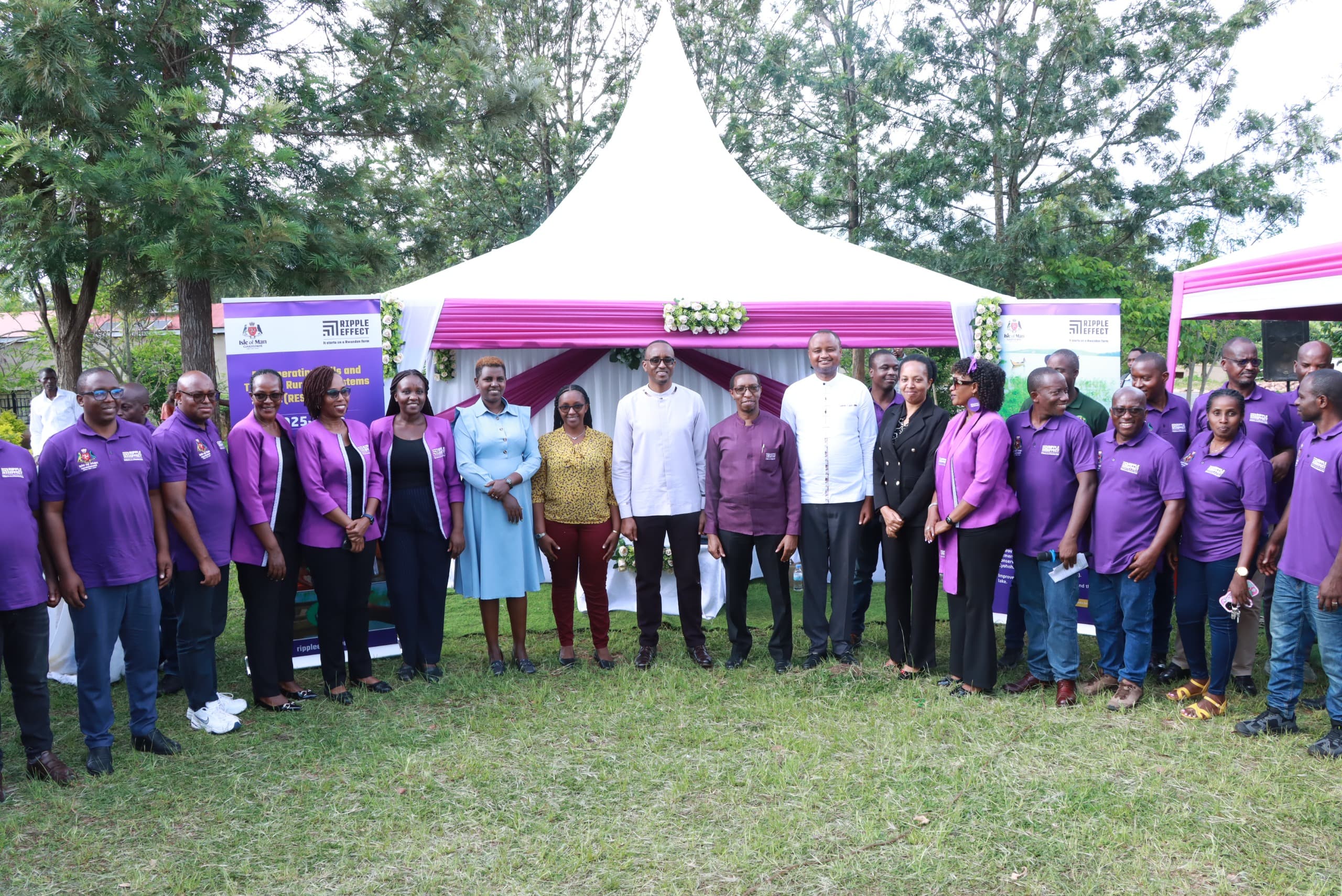
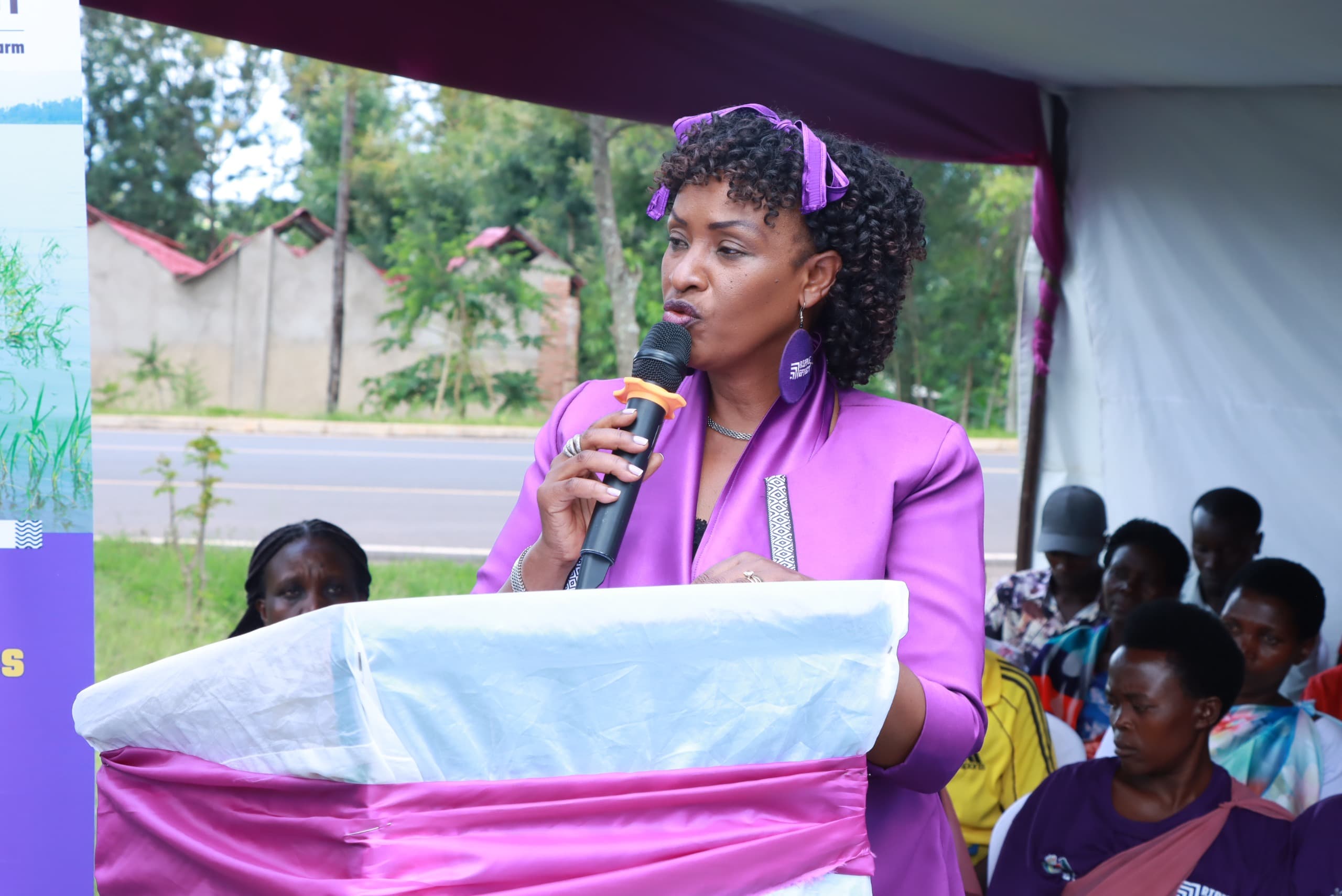
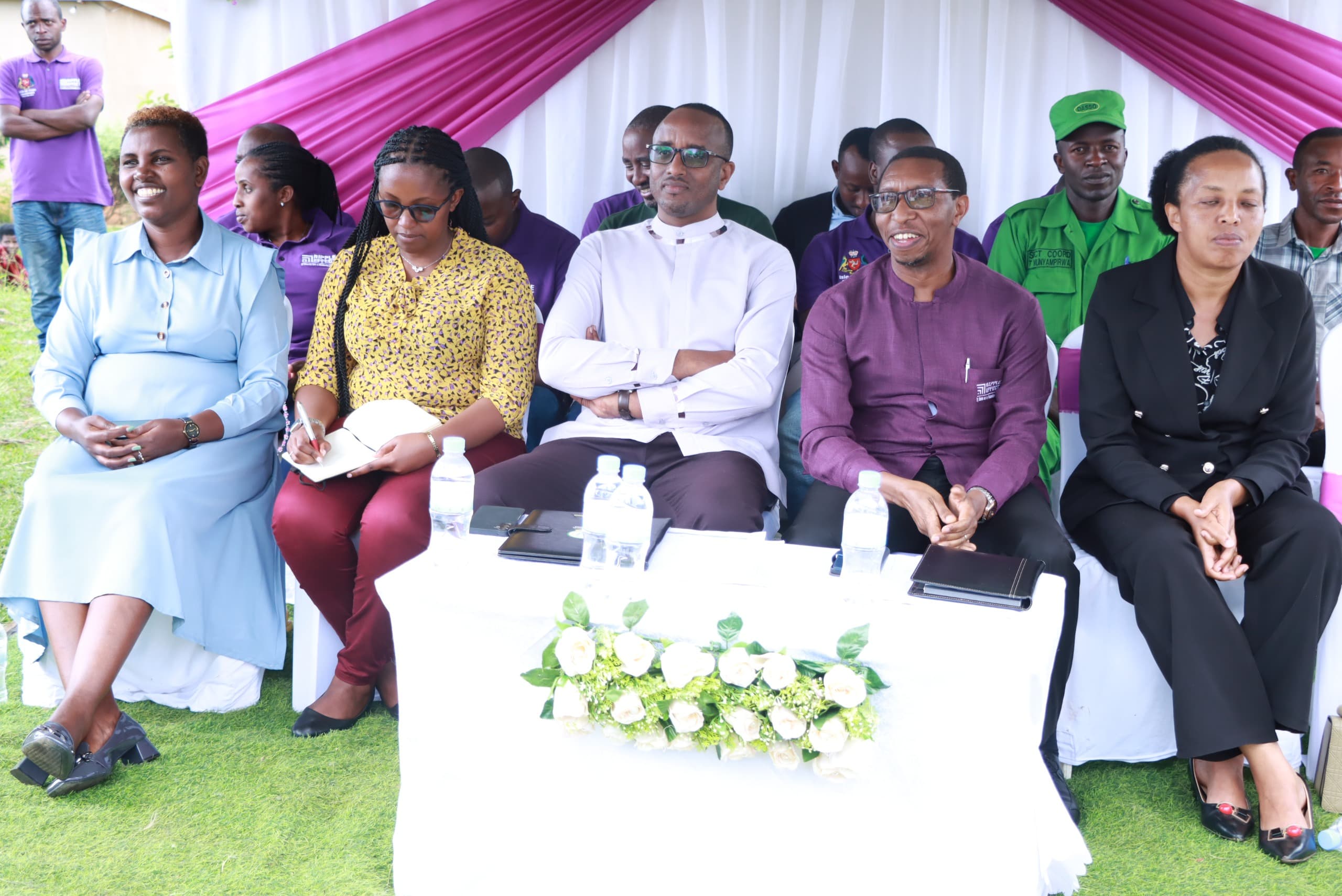
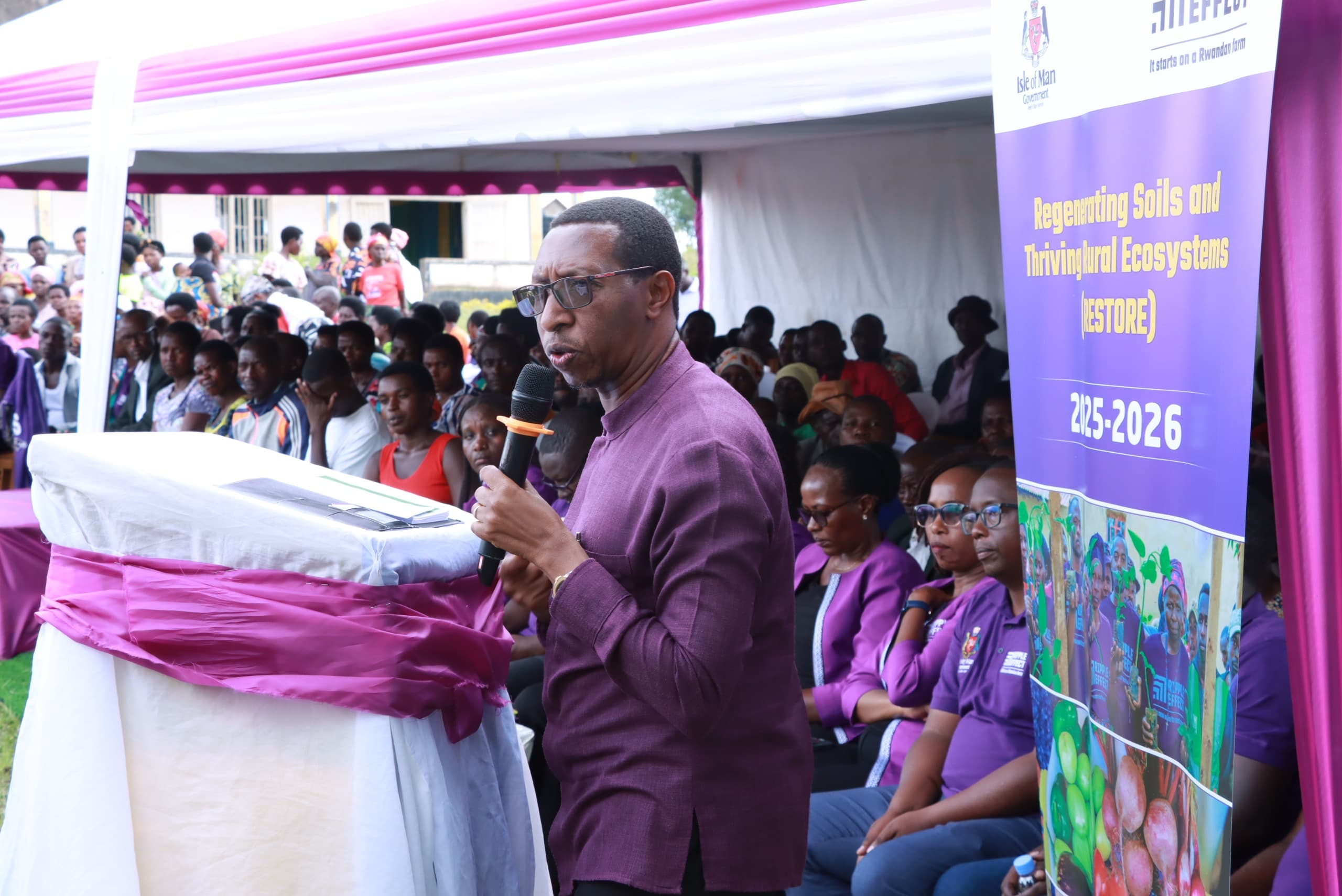
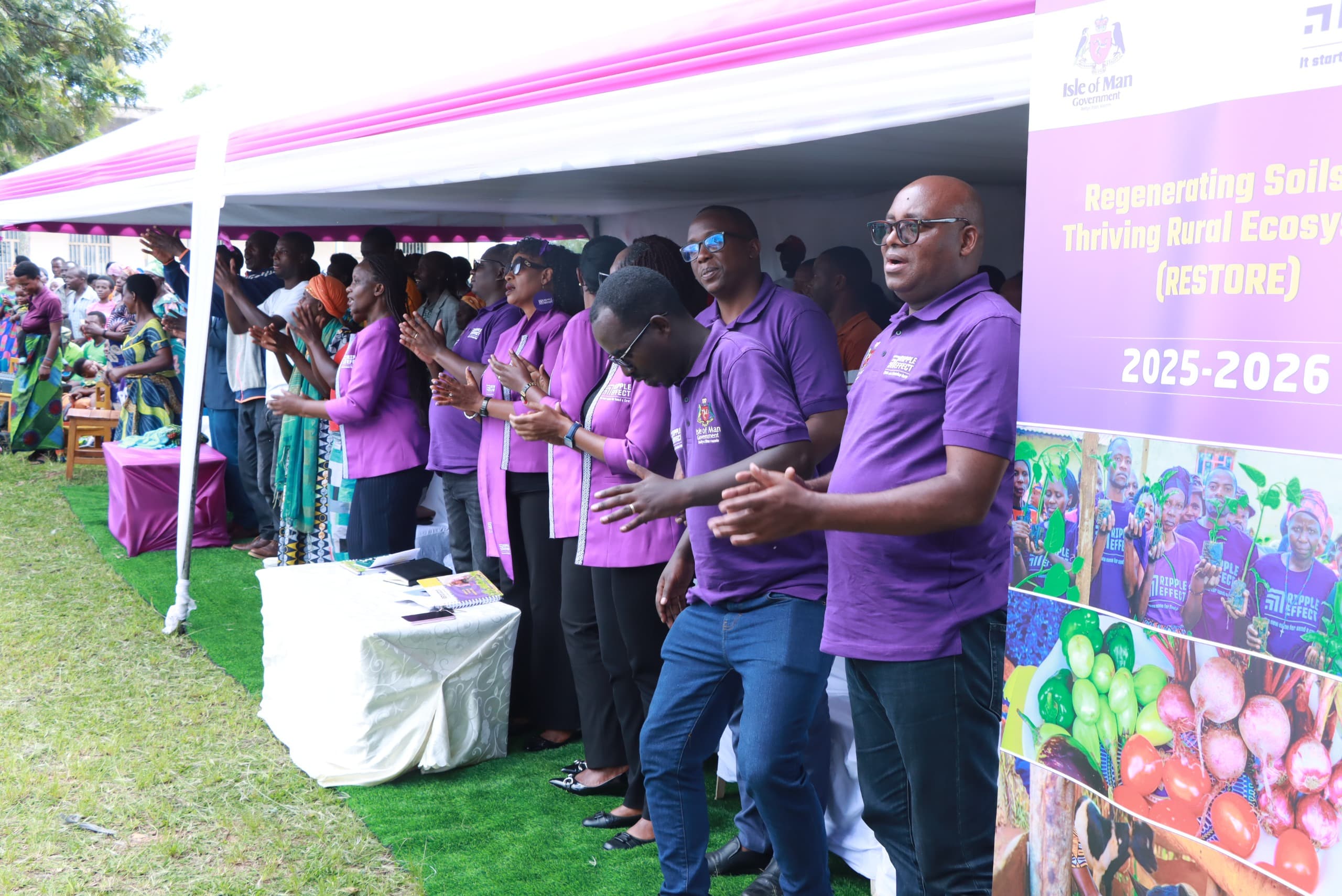
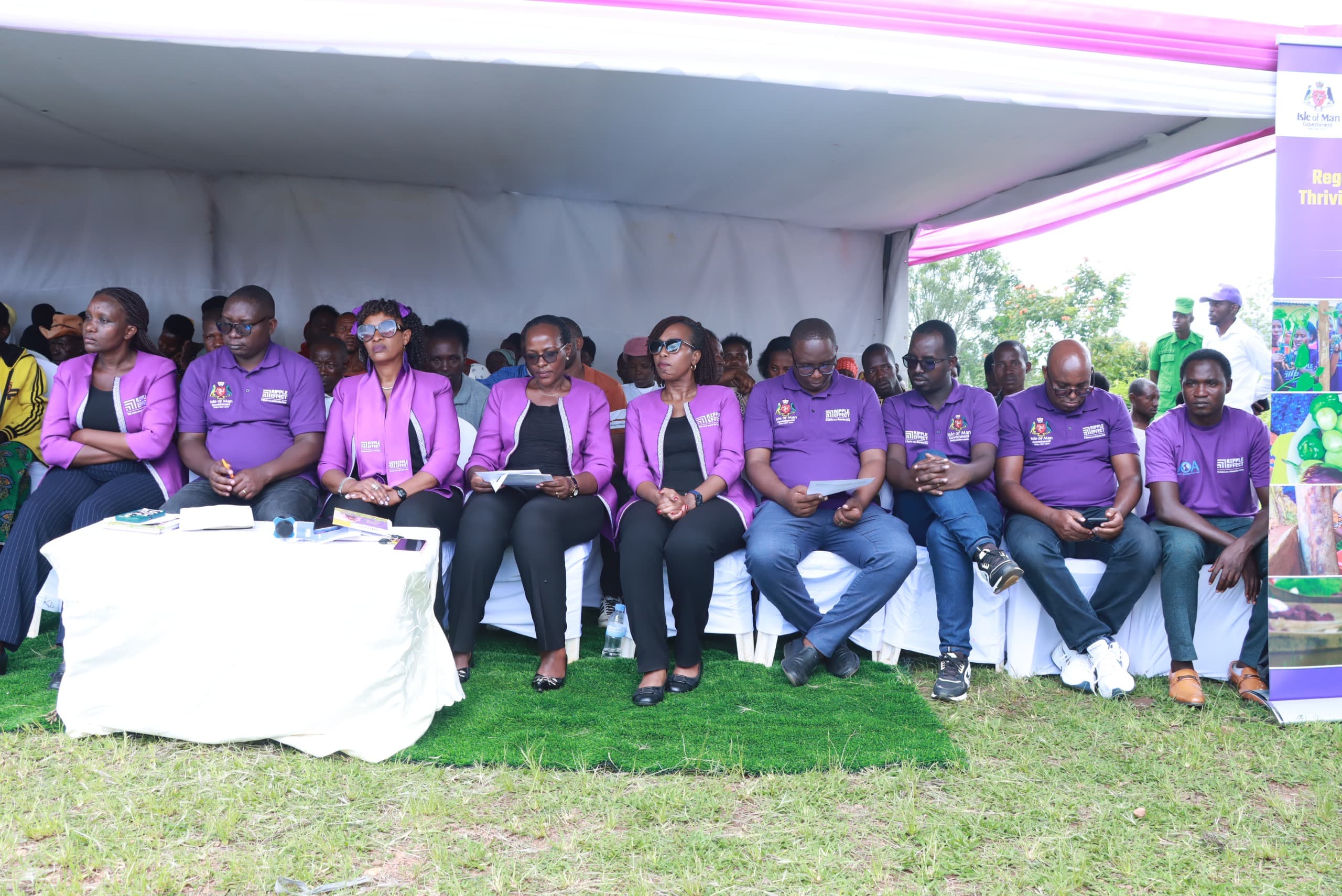
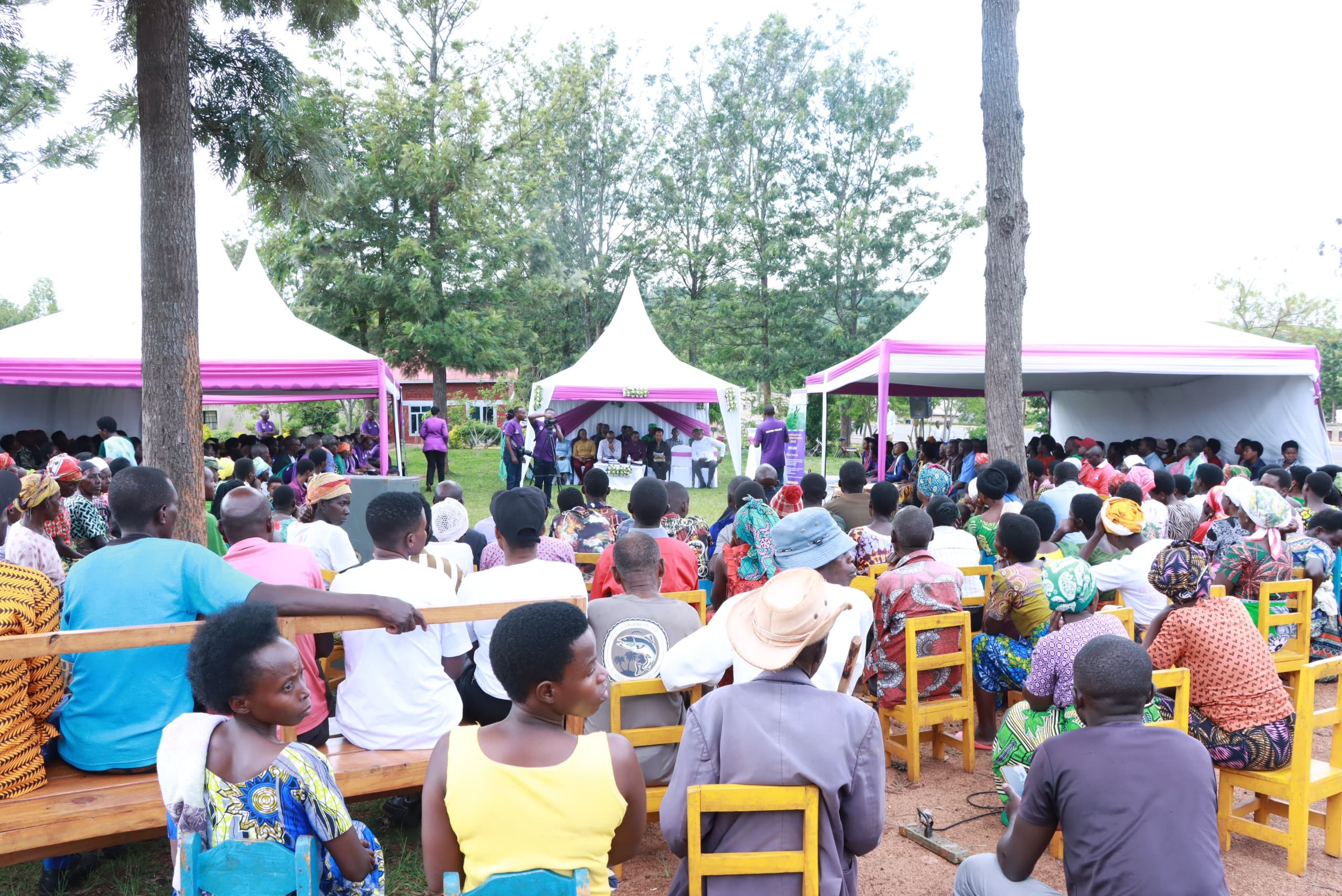
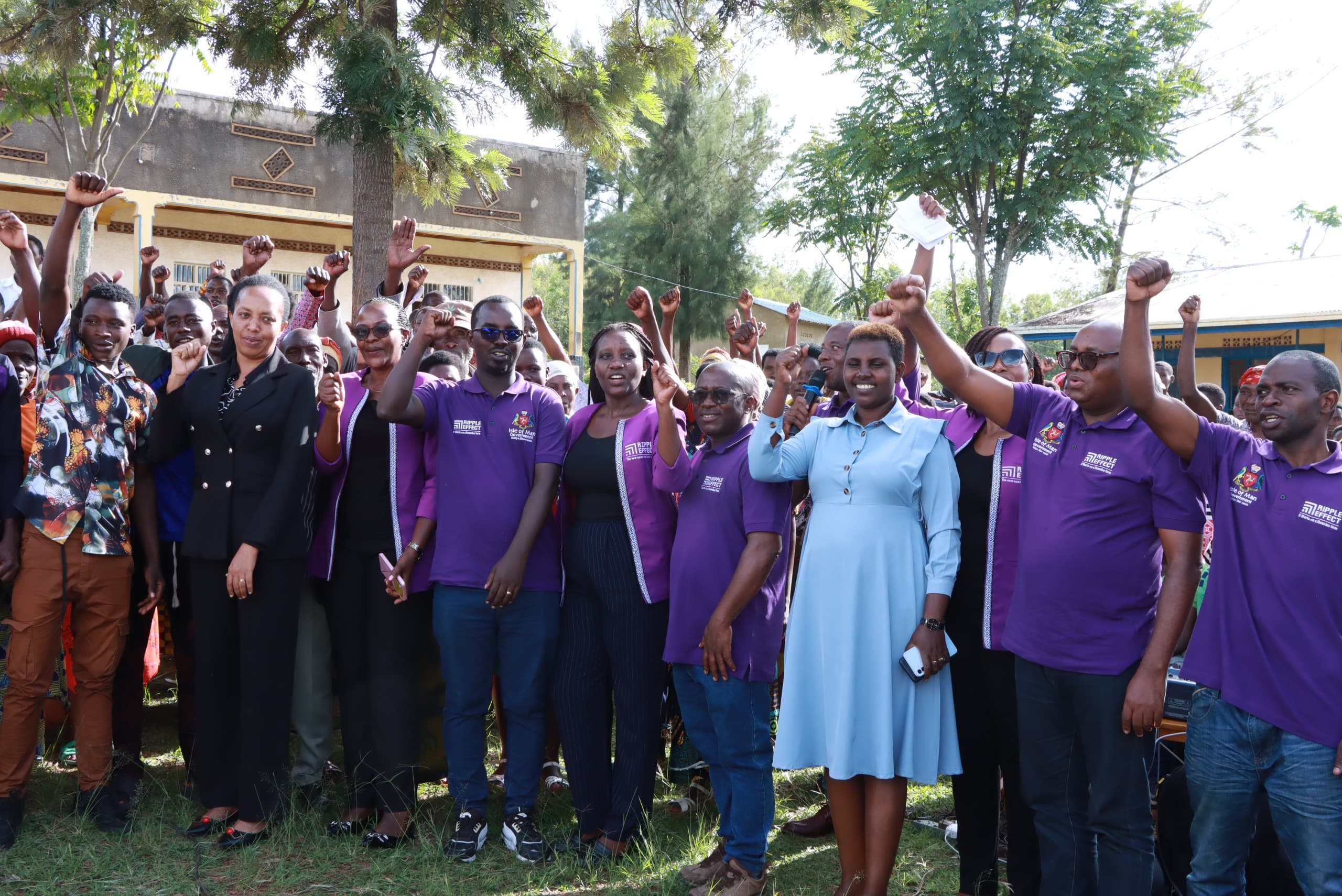
Launched at a colorful ceremony attended by district leaders, development partners, and residents, RESTORE will focus on the Cyohoha Lake catchment area—a region grappling with prolonged drought, shrinking biodiversity, and increasing pressure on natural resources.
According to Ripple Effect Rwanda’s Country Director, Laurent Munyankusi, the project is designed not just as an environmental intervention but as a tool to empower communities to address poverty, food insecurity, and climate change.

“We are dealing with layered challenges here: poverty, hunger, low agricultural productivity, and the effects of climate change,” said Munyankusi. “But we believe that communities themselves can be part of the solution. RESTORE will regenerate degraded land, promote sustainable agriculture, and strengthen the resilience of rural households.”
The initiative targets 1,000 households directly and over 3,000 more indirectly. It will operate in Ruhuha and Nyarugenge sectors, with activities including the restoration of lake buffer zones, erosion control, tree planting, and climate-smart agriculture.
The project also places emphasis on financial literacy and savings culture, gender inclusion, and youth engagement in agro-processing and entrepreneurship.
“Bugesera is particularly vulnerable to climate-related shocks,” Munyankusi explained. “That’s why we’re working closely with local leaders, Peer Farmer Trainers, Community Animal Health Workers, and Natural Resource Management Committees to ensure that every intervention is community-owned and sustained long-term.”
In an interview following the launch, Munyankusi elaborated further: “We consulted both citizens and authorities in identifying the Cyohoha Lake catchment as a high-priority area. It’s not just a lake—it’s a source of life. It provides water, supports biodiversity, and underpins local farming. But over the years, it has suffered due to deforestation, erosion, and invasive plant species.”
He said the RWF 1 billion investment will include training in eco-friendly farming, distributing seeds and livestock, building terraces, and supporting women and youth with agri-business skills. “This is how we create a ripple effect—helping one household at a time while laying a foundation for regional transformation,” he added.
Richard Mutabazi, Mayor of Bugesera District, hailed the RESTORE project as a critical milestone in the district’s development agenda. He pointed out that Bugesera has nine lakes, each under pressure from environmental degradation, and emphasized the role of partnerships in protecting them.
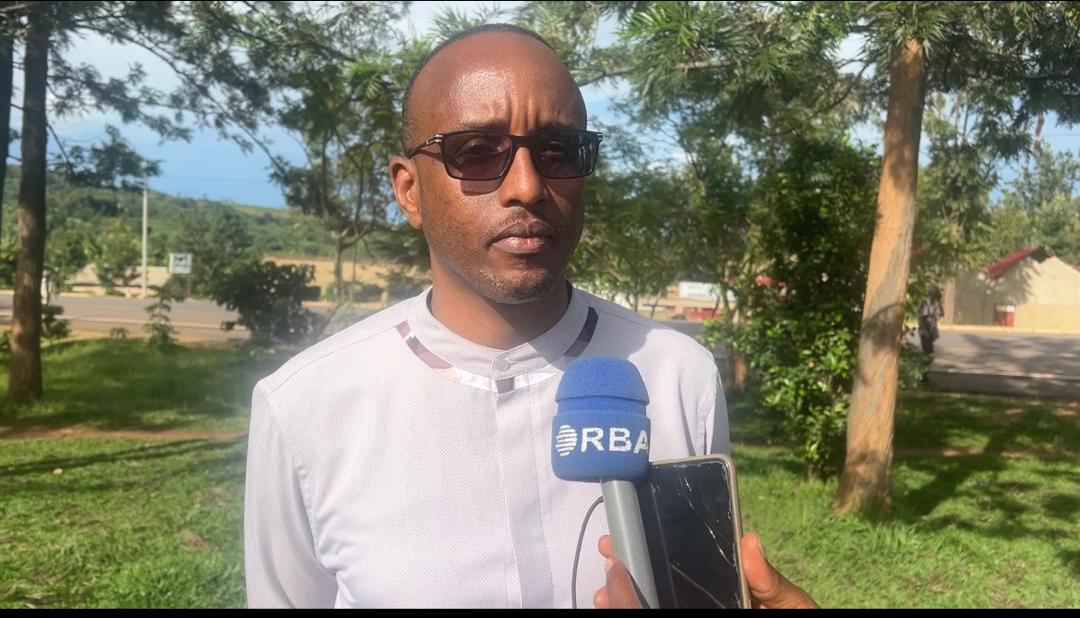
“This project comes at the right time. Cyohoha Lake has been overwhelmed by invasive plants that choke its resources,” said Mutabazi. “With RESTORE, we now have a structured plan to remove those threats and rejuvenate the lake’s ecosystem.”
Mutabazi highlighted the district’s commitment to climate adaptation, noting that public awareness will be key.
“We must start with educating our people about climate change and the value of conservation. If communities understand the benefits of environmental stewardship, they’ll take ownership of the solutions.”
Ripple Effect Rwanda, formerly known as Send a Cow, has operated in Rwanda since 2001, promoting holistic development that integrates agriculture, gender equality, and enterprise. With RESTORE, the organization reinforces its commitment to inclusive, sustainable growth.
As the program rolls out, both officials and residents expressed hope that it would spark a lasting transformation—turning degraded landscapes into fertile land, and vulnerable households into thriving, resilient communities.



theinspirerpublications@gmail.com




Leave a Reply