
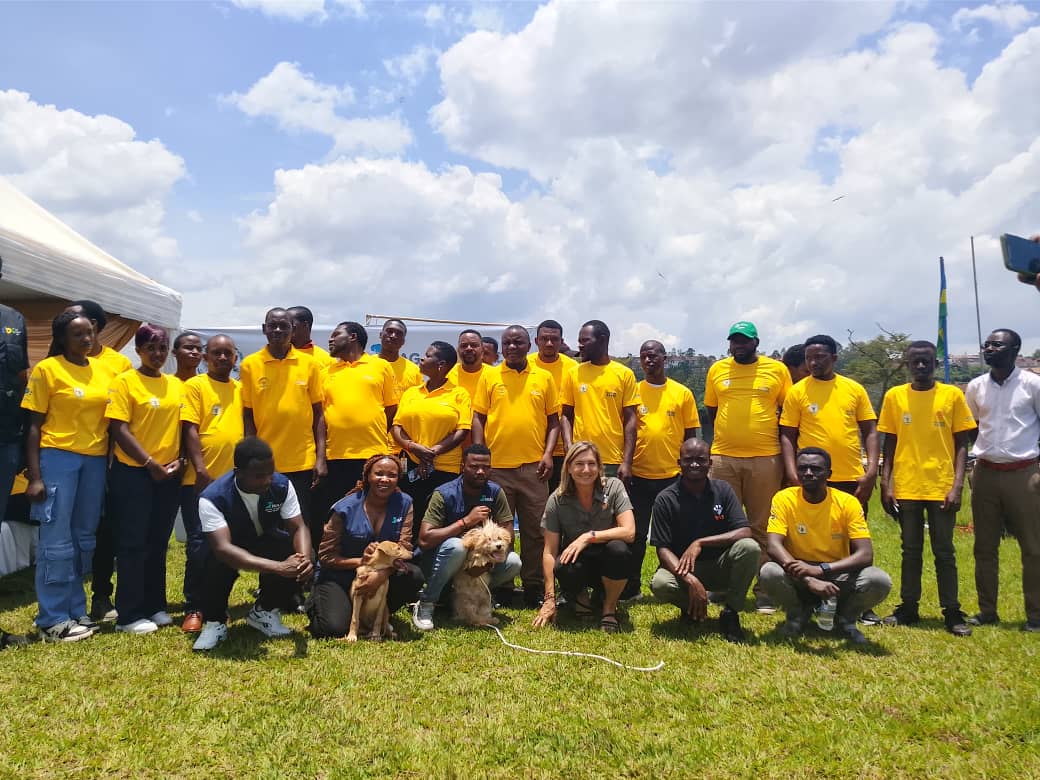
Kigali pilots mass dog vaccination campaign to help eliminate rabies by 2030
By Prince Boris Cyubahiro.
The Rwanda Agriculture and Animal Resources Board (RAB) and the Rwanda Biomedical Centre (RBC) have launched a pilot mass dog vaccination campaign in Kigali City aimed at accelerating Rwanda’s efforts to eliminate rabies in humans by 2030.
The campaign, implemented in Masaka, Kanombe and Rusororo sectors, targets the vaccination of between 5,000 and 6,000 dogs and is expected to reach about 70 percent of the dog population in the three sectors — the threshold scientists say is required to stop rabies transmission.
The initiative is being carried out in collaboration with the Rwanda Council of Veterinary Doctors, Welfare for Animals Guild Rwanda (WAG-Rwanda), and Mission Rabies, a programme of the UK-based charity Worldwide Veterinary Service.
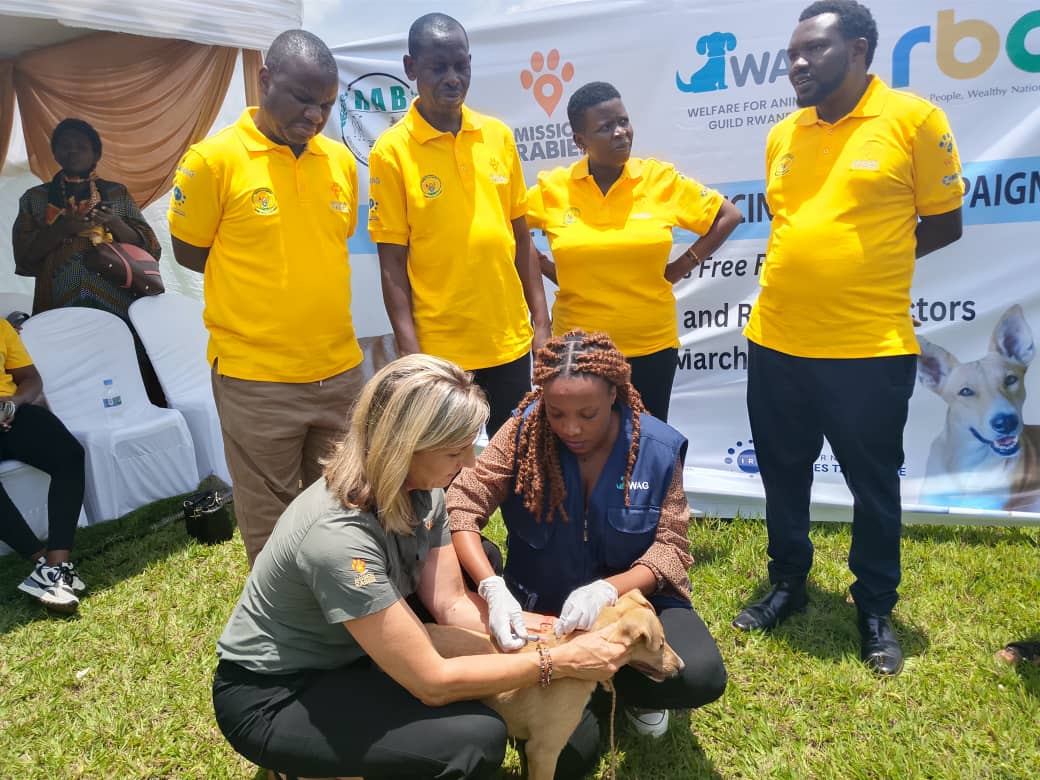
Officials say the pilot campaign will help Rwanda test large-scale mass dog vaccination strategies in both urban and peri-urban settings before rolling out similar campaigns nationwide.
Dr. Richard Nduwayezu, Chair of the Snakebite, Taeniasis and Rabies Elimination Committee, said the project marks a shift toward more systematic vaccination campaigns designed to ensure that all dogs are reached.
“Previously, dog owners were required to bring their animals to a central vaccination site. In this campaign, teams will move through communities and vaccinate dogs within their designated areas, which will help ensure that more animals are reached and counted,” he explained.
Seven vaccination teams composed of a vaccinator, animal handler, data collector and driver have been deployed to carry out the campaign over a 10-day vaccination period.

The teams include licensed veterinarians operating under Rwanda’s Veterinary Sanitary Mandate (VSM), supported by students from the University of Rwanda’s College of Agriculture and Veterinary Medicine and College of Medicine and Health Sciences, who assist with data collection.
Using digital mapping technology provided through the Mission Rabies mobile application, the teams will systematically cover designated geographic zones across the three sectors to vaccinate dogs and collect data on the dog population.
Officials estimate that the three sectors have a population of over 212,000 residents and between 6,500 and 7,000 dogs.
During the campaign, all vaccinated dogs will receive vaccination cards, while community education materials on rabies prevention will be distributed to residents. Vaccination will also be extended to stray and community dogs to ensure wider coverage.
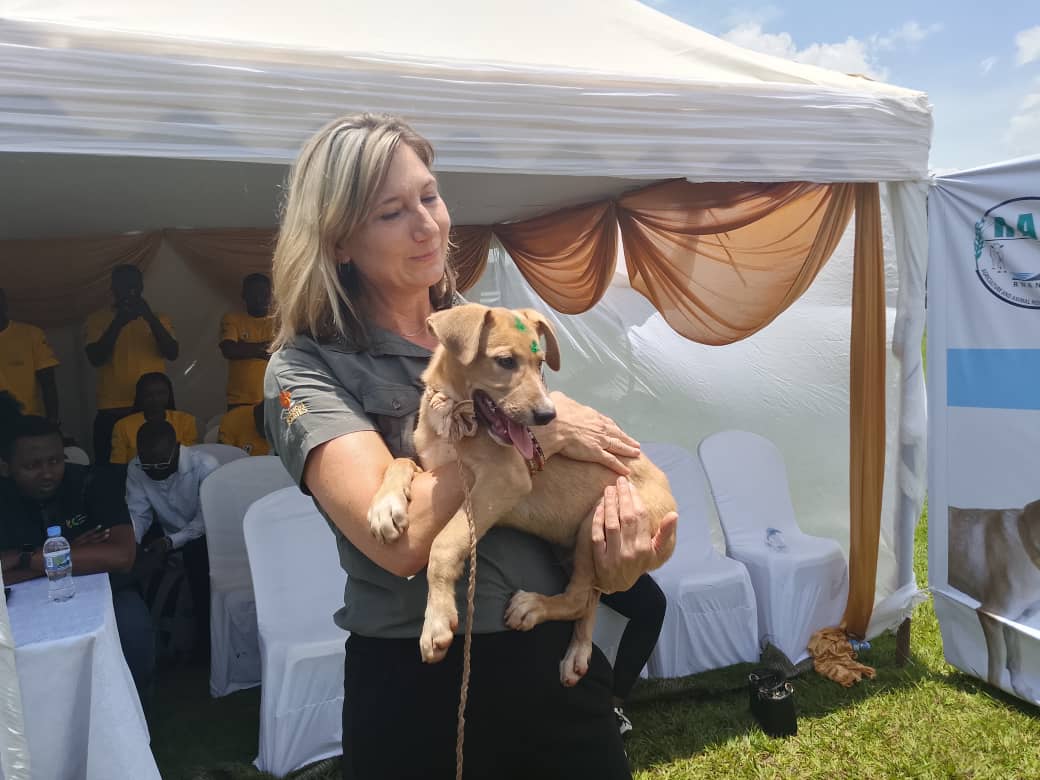
Health experts say dog vaccination remains the most effective way to eliminate rabies, a fatal viral disease transmitted primarily through dog bites.
According to the Rwanda Biomedical Centre, more than 3,000 dog bite cases were recorded in Rwanda in 2025, and five human deaths caused by rabies were reported the same year.
Globally, rabies claims an estimated 70,000 lives annually, with more than 40 percent of victims being children under the age of 15.
Public health specialists emphasize that vaccinating dogs is significantly more cost-effective than treating bite victims with post-exposure prophylaxis (PEP).

Scientific evidence shows that vaccinating at least 70 percent of dogs creates herd immunity, stopping the transmission of the virus between dogs and preventing infections in humans.
The pilot project also aims to train at least 35 veterinarians in safe dog handling, vaccination techniques, and rabies control strategies, strengthening Rwanda’s capacity to run large-scale vaccination campaigns in the future.
Beyond vaccination, the campaign will help establish reliable data on the dog population in the targeted sectors, which will support future vaccine planning and contribute to the development of a national dog registration system.
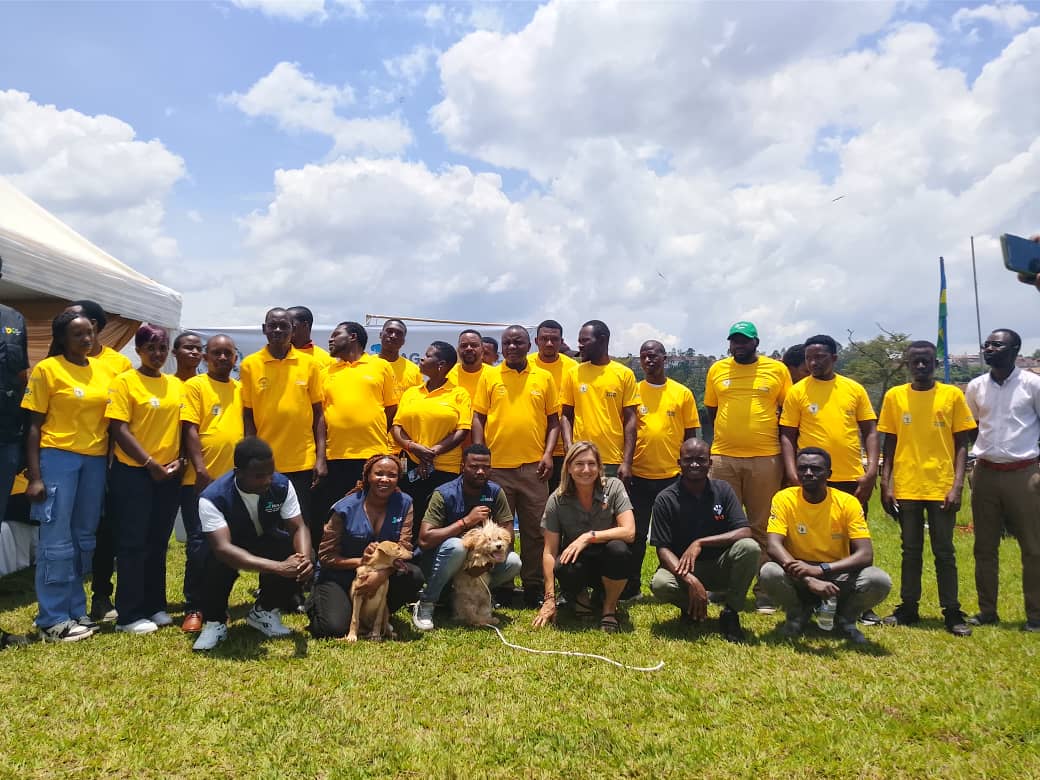
The initiative is part of Rwanda’s broader One Health approach, which brings together institutions working in human health, animal health, and environmental protection to address zoonotic diseases.
Under this framework, government institutions including the Ministries of Health and Agriculture collaborate with agencies such as the Rwanda Development Board and the Rwanda Environment Management Authority, alongside academic institutions and development partners.
Officials say the Kigali pilot campaign is expected to serve as a model for nationwide mass dog vaccination programmes, which are central to Rwanda’s strategy to eliminate rabies by 2030.
theinspirerpublications@gmail.com




Leave a Reply