

Rwanda Develops Roadmap to Strengthen Sweet Potato Value Chain for Local and Global Markets
By Elias Hakizimana.
Rwanda is laying the groundwork to transform its sweet potato value chain, aiming to boost local consumption, improve nutrition, and expand export opportunities.
On November 28, 2024, key stakeholders convened in Kigali for a workshop organized by the International Potato Center (CIP) under the Technologies for African Agricultural Transformation (TAAT) project, funded by the African Development Bank (AfDB).
The meeting culminated in the development of the country’s first sweet potato roadmap; a strategic document designed to guide interventions across the entire value chain.
The roadmap marks a historic moment for Rwanda’s agricultural sector, providing a comprehensive strategy to address challenges, streamline efforts, and align stakeholders’ actions in the sweet potato industry. It will serve as a critical resource for the government, policymakers, and private sector actors, enabling them to collectively enhance productivity and value addition in the sector.

A game-changer for sweet potato in Rwanda
While sweet potatoes have been a staple crop in Rwanda and across Africa for decades, their potential has largely remained untapped due to a lack of coordinated strategies.
“This is the first roadmap for sweet potato in Rwanda,” said Jean Claude Nshimiyimana, Associate Scientist at CIP. “It identifies activities and interventions required to address challenges in the sector and provides a framework for coordinated efforts.”
The roadmap seeks to elevate sweet potatoes from a subsistence crop to a commercially viable and nutritionally significant commodity.
According to Nshimiyimana, it will prioritize interventions such as seed multiplication, dissemination of improved varieties, and strengthening value chain processing.
CIP, part of the CGIAR research centers, focuses on research and development for potatoes and sweet potatoes in Rwanda. The organization has been instrumental in introducing new sweet potato varieties, collaborating with the Rwanda Agriculture and Animal Resource Development Board (RAB) to advance the crop’s production and marketability.

Why sweet potatoes?
Sweet potatoes, particularly the orange-fleshed variety, are increasingly recognized for their nutritional value. Rich in beta-carotene, a precursor to Vitamin A, they offer a natural solution to combat malnutrition.
“Orange-fleshed sweetpotato (OFSP) is a low-input crop with numerous benefits,” explained Laban Ahija, Value Chain Technology Transfer Officer at CIP.
“It boosts immunity, and an important food among breastfeeding mothers and children under five, making it a vital tool in addressing nutrition challenges.”
The TAAT OFSP Compact Project, which spans five countries including Rwanda, Mozambique, Uganda, Ethiopia, and the Democratic Republic of Congo, focuses on scaling up the adoption of technologies to enhance OFSP production and income among smallholder farmers.
“Developing seed roadmaps in these countries is a vital output and hence a key milestone in Rwanda’s efforts,” added Ahija.

Expanding research and innovations
RAB’s Sweet Potato Program has been at the forefront of efforts to enhance sweet potato varieties in Rwanda. Led by plant breeder Dr. Jean Ndirigwe, the program focuses on developing high-yielding, nutrient-rich strains, including OFSP and purple-fleshed sweet potatoes enriched with anthocyanins.
“We are targeting districts with high malnutrition rates, introducing varieties rich in vitamin A to reduce reliance on costly supplements,” Ndirigwe said.
He emphasized that the program balances innovation with tradition, ensuring that traditional white-fleshed varieties remain available to meet diverse consumer preferences.
The program also collaborates with research stations across Rwanda, including facilities in Rubona, Mututu, and Nyagatare, to test and adapt varieties to different agro-ecological zones.
Value addition and market potential
A critical component of the roadmap is its emphasis on value addition. By transforming sweet potatoes into processed products such as puree, bread, mandazi, cakes, and instant porridge flour, the sector can unlock new economic opportunities.
“Processing sweet potatoes into value-added products opens niche markets and creates jobs,” said Ndirigwe.
He highlighted partnerships with local processors such as Sina Gerard and Ikijumba, who are producing innovative products that cater to both local and export markets.

Farmers, exporters welcome the roadmap.
Allen Umulisa, Managing Director of RAI Green Stalils Ltd, expressed optimism about the future of sweet potato farming in Rwanda.
“We are excited to see improvements in the value chain,” she said. “With new varieties and increased market demand, we are confident about meeting local and export needs.”
Umulisa also emphasized the importance of sensitizing farmers about the benefits of sweet potato farming.
“More farmers need to be engaged in cultivating these varieties to satisfy growing demand,” she noted.
Addressing malnutrition and boosting livelihoods
Sweet potatoes play a pivotal role in combating child malnutrition, particularly in vulnerable districts like Rubavu.
“Our district struggles with high child stunting rates,” said Rubavu District Agronomist, Augustin Rwandanga. “Promoting orange-fleshed varieties can improve nutrition, generate income, and fight malnutrition.”
Rwandanga added that the district is working closely with professional vine multipliers to ensure farmers have access to quality planting materials.
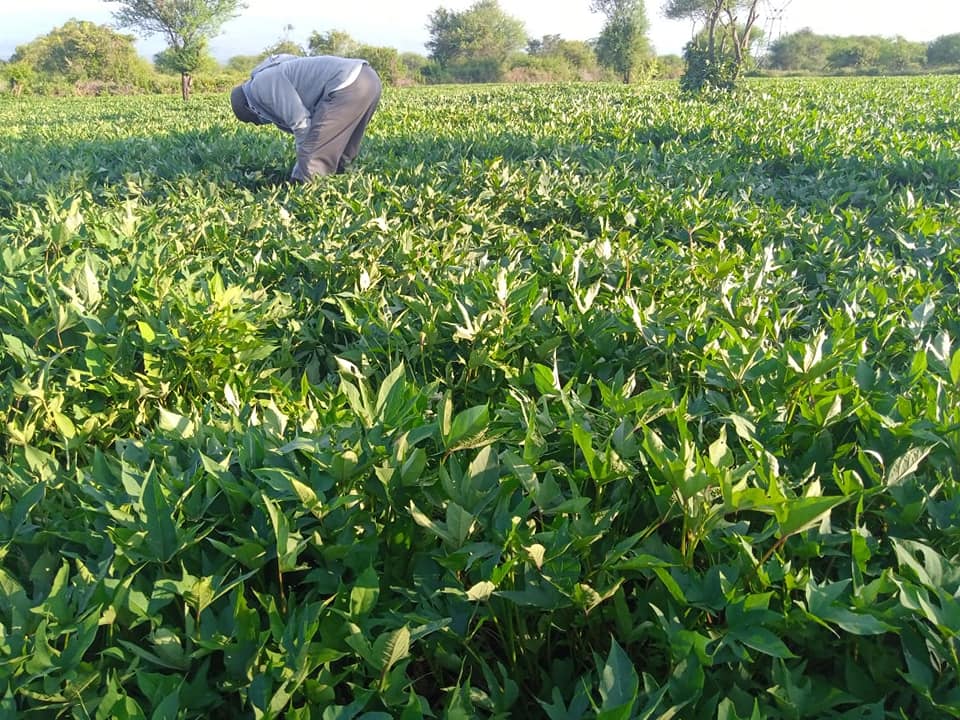
“Farmers often rely on traditional vines, which limits their productivity. This initiative will help address those gaps,” he said.
Overcoming challenges and moving forward
Despite its potential, the sweet potato sector faces challenges, including limited access to quality seeds and inadequate farmer awareness. However, stakeholders remain optimistic that the roadmap will address these issues.
“We now have a clear strategy to guide interventions and ensure all players are aligned,” said Nshimiyimana. “This document will be a game-changer for Rwanda’s sweet potato industry.”
As Rwanda prepares to implement the roadmap, the focus will be on scaling up production, enhancing value addition, and strengthening market linkages. By doing so, the country aims to position sweet potatoes as a cornerstone of its agricultural and nutritional strategies, improving food security and household incomes while tapping into global market opportunities.
With the roadmap in place, stakeholders believe Rwanda’s sweet potato sector is poised for transformation.
“Our vision is to reach more households with nutrient-rich varieties and support rural communities where sweet potatoes are a staple,” Ndirigwe noted.
The roadmap is expected to be finalized and made available to all stakeholders in early 2025, marking a new chapter for sweet potatoes in Rwanda’s agricultural landscape.
theinspirerpublications@gmail.com





Leave a Reply