
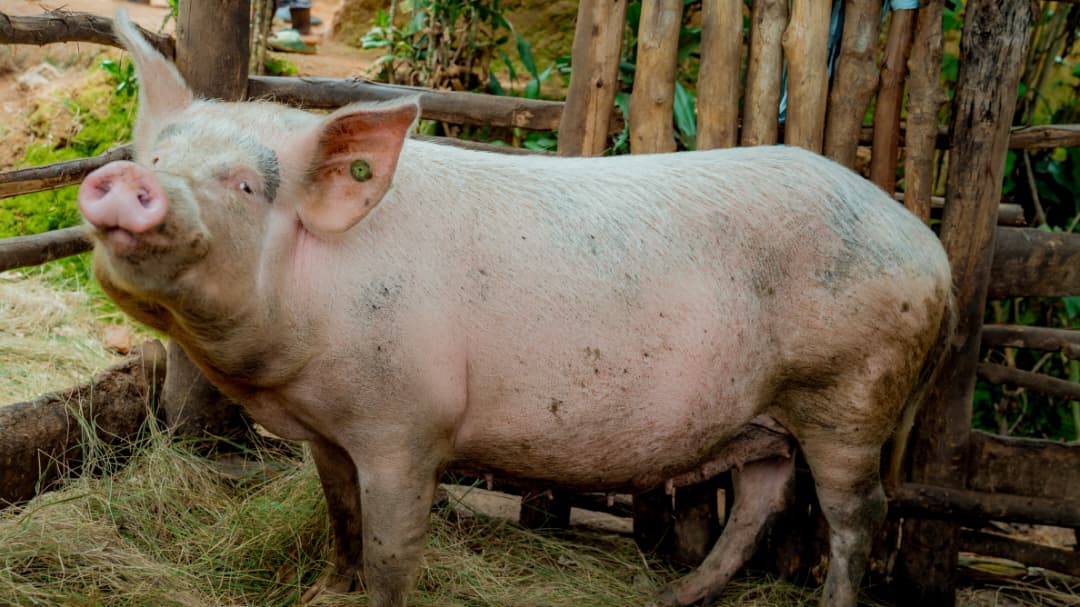
Huye smallholder farmers transform livelihoods through PRISM-supported pig farming
By Elias HAKIZIMANA.
Smallholder farmers in Huye District are seeing their livelihoods transform thanks to modern pig farming practices introduced through the Partnership for Resilience and Inclusive Small Livestock Markets (PRISM) project. Farmers who once struggled to provide for their families are now generating steady incomes, paying school fees, and investing in farm assets.
The project empowered 1,716 farmers (714 men, 1,002 women) across five sectors through 66 self-help groups. Trainings covered holistic community development, nutrition, entrepreneurship, and participatory planning.
Among the success stories is Therese Mukantwari from Karama Sector. She began rearing pigs traditionally, but productivity was limited, and losses were frequent. After joining the PRISM project, she received training in modern pig farming techniques, including Artificial Insemination, and gained access to a productive pig.
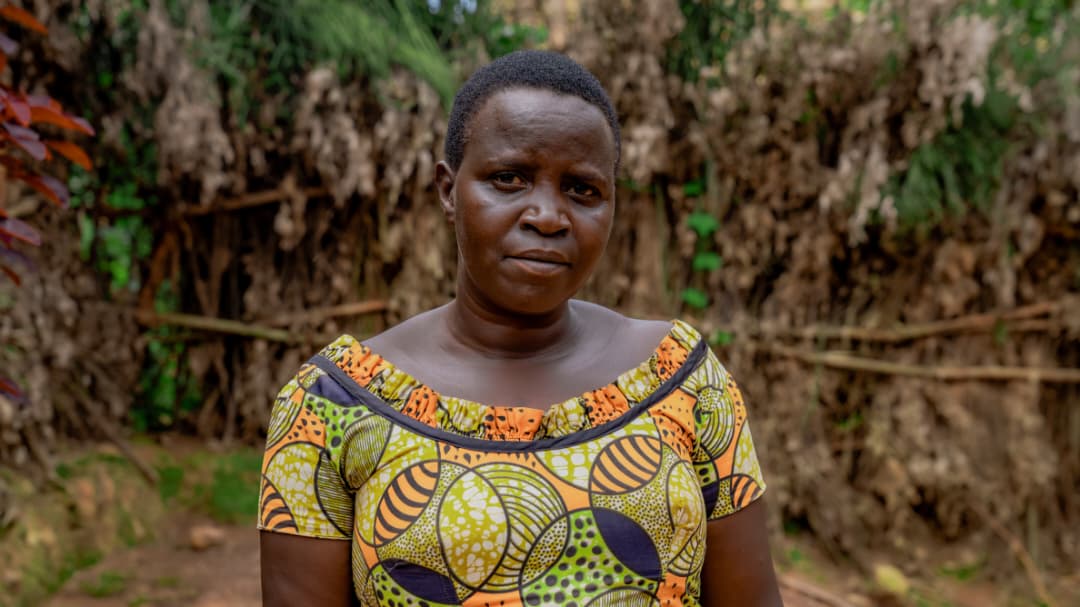
“Before PRISM, I used traditional methods that were not very productive,” Mukantwari said. “One pig gave birth to 13 piglets, another gave 10. I sold many at RWF 20,000 each and managed to pay school fees for all my children in secondary school. I even bought farmland worth RWF 300,000.”
Mukantwari also highlighted the social and knowledge benefits of PRISM. “We learned twelve cornerstones of good family relationships and development. This training strengthened our household decision-making and collaboration. My husband follows up on everything, and together we achieve more,” she explained.
Her husband, Etienne Ndikuryayo, echoed the benefits, emphasizing how structured support and access to modern livestock practices have allowed them to scale their farm and plan for the future. The couple also distributes pigs to other farmers and sells piglets to local markets, multiplying the economic impact of their work.
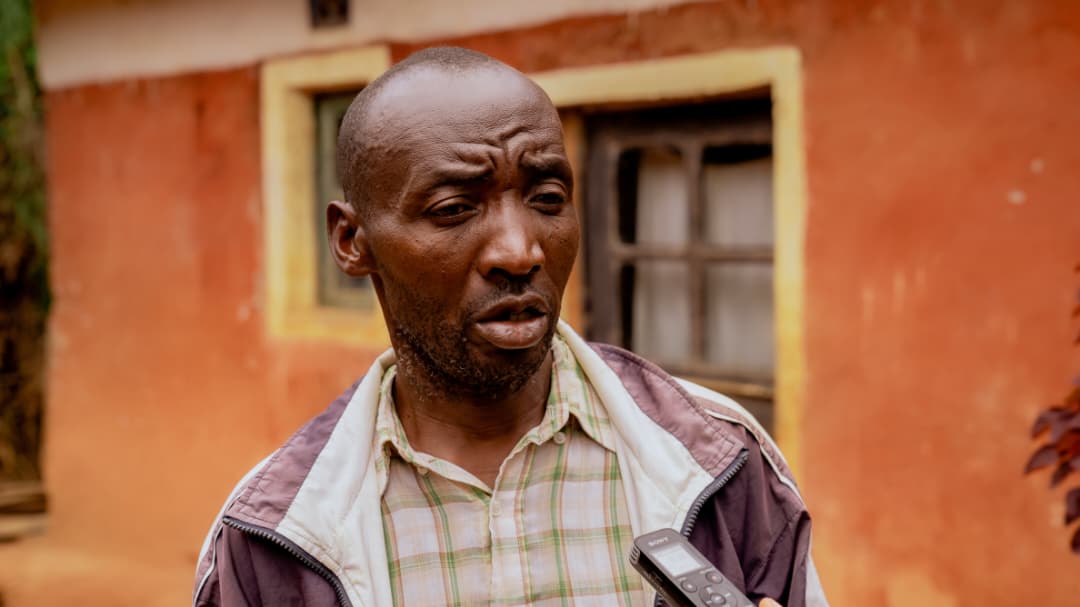
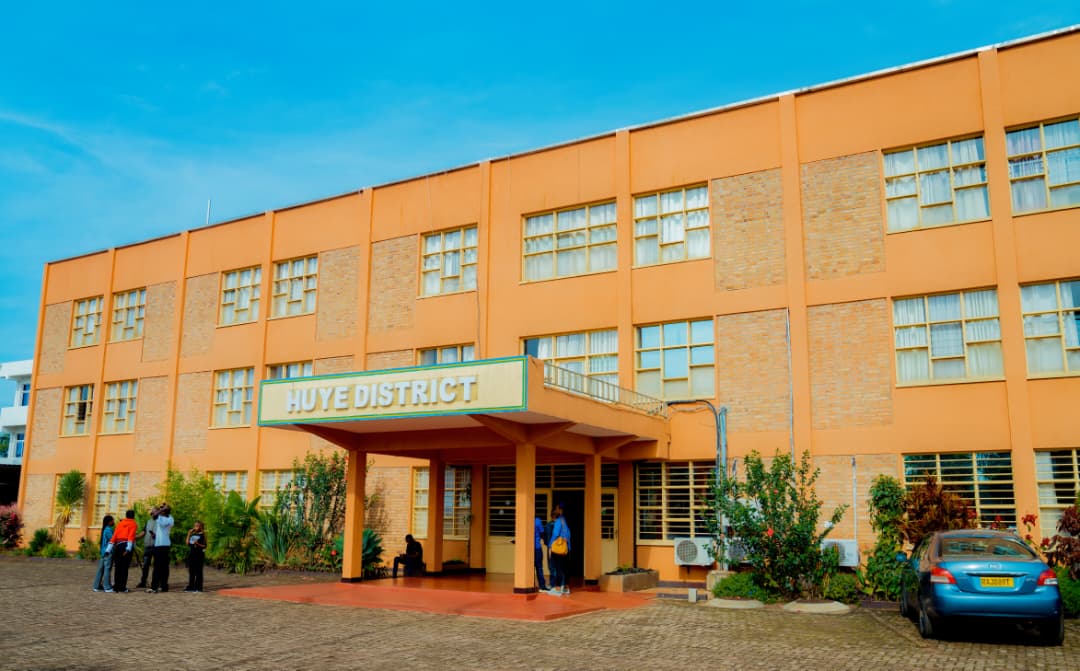
The Huye District administration commended farmers like Mukantwari and Etienne who have embraced self-reliance in producing animal feeds and improving productivity.
“We thank the farmers who took the initiative to produce their own short-term animal feed to ensure continued productivity, and we also appreciate the PRISM project for supporting them,” said Andree Kamana, Vice Mayor in charge of Economic Development.
He added that the PRISM project has been a solution across five sectors in Huye: Gishamvu, Karama, Ruhashya, Rwaniro, and Kinazi. “During district agricultural exhibitions, we see farmers proudly showcasing livestock products that originated from PRISM training and support,” Kamana said.
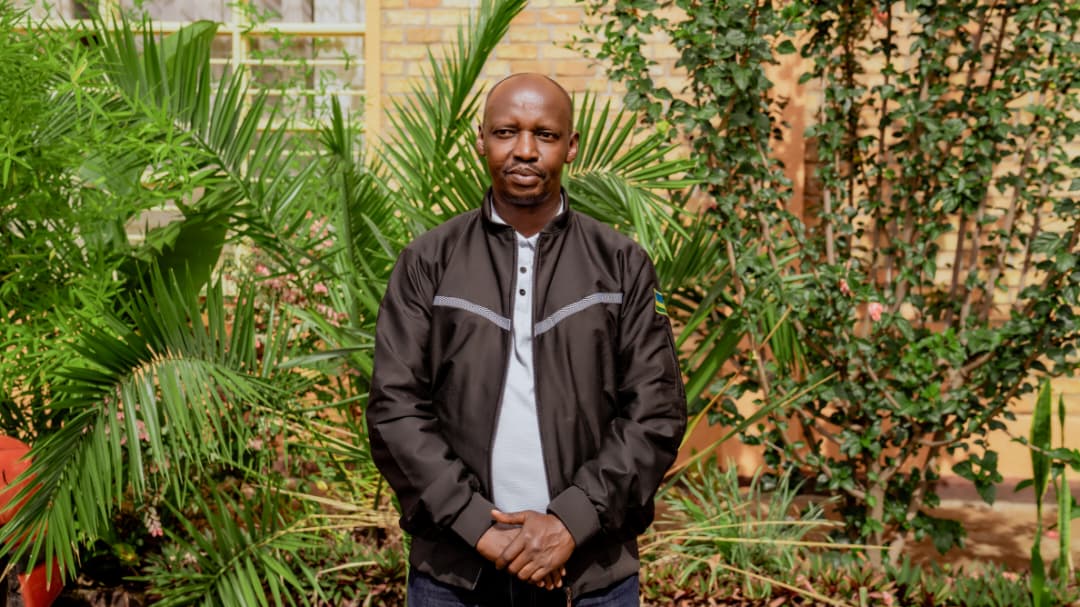
The PRISM project focuses on strengthening small livestock value chains, including pigs, poultry, goats, and sheep, while promoting climate-smart production practices.
Farmers are trained on modern feeding techniques, such as Azolla cultivation, hydroponic fodder, and Black Soldier Fly larvae production, which reduce costs and improve livestock nutrition. Livestock insurance and market linkages are also introduced to protect farmers’ investments and ensure sustainability.
Since the project’s launch, over 1,700 households in Huye District have been mobilized and trained, many of them women and youth. Farmers report higher income, improved nutrition for their families, and increased resilience to shocks. By providing knowledge, livestock, and infrastructure support, PRISM is helping households transition from subsistence farming to organized, profitable livestock enterprises.
For Mukantwari, the change has been life-altering. “PRISM has not only improved our farm productivity but also lifted us out of poverty. We are now more confident, more productive, and our family has a brighter future,” she said.
As Huye smallholder farmers continue to adopt modern livestock practices, the district is witnessing a broader impact: improved rural livelihoods, strengthened local food systems, and the creation of opportunities for youth and women to build sustainable incomes.
theinspirerpubloications@gmail.com
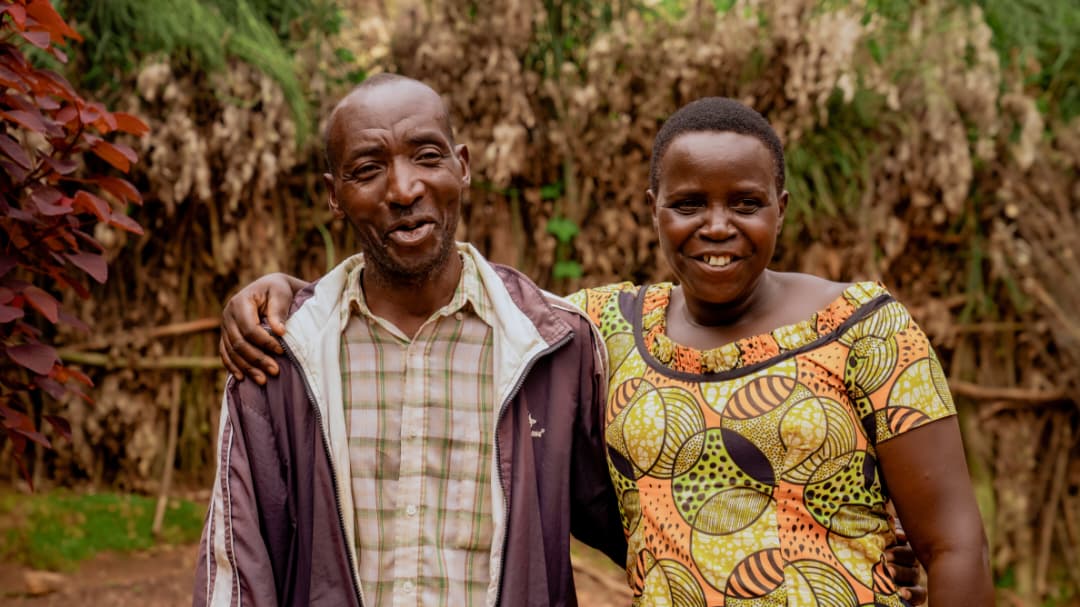 Therese Mukantwali and her husband Etienne Ndikuryayo.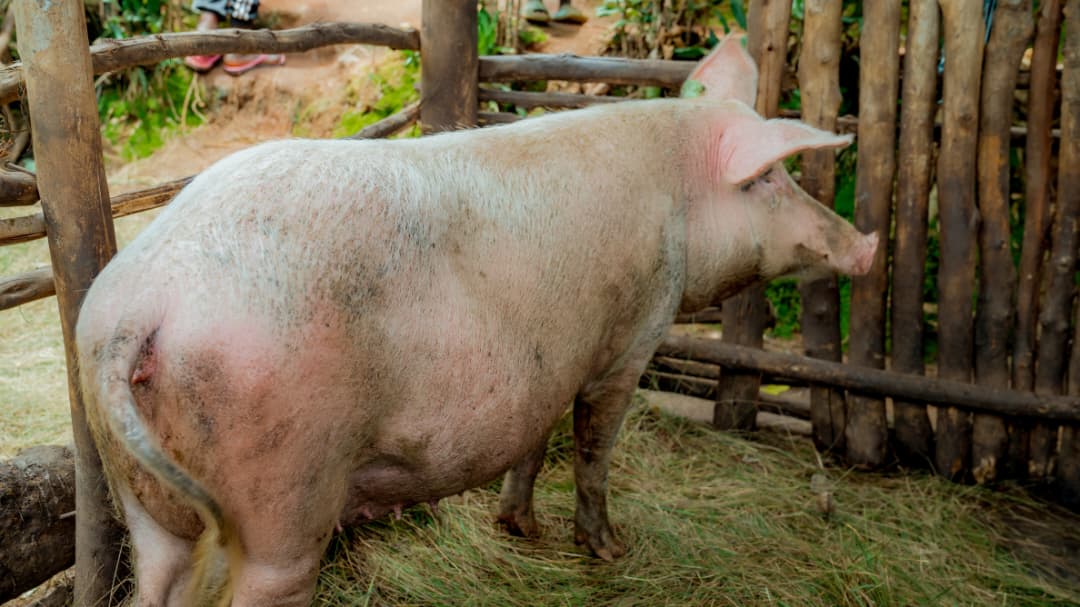



Leave a Reply