

Why Pregnant Women Should Undergo HIV/AIDS Testing
By Elias HAKIZIMANA.
Rwanda Biomedical Centre (RBC) emphasizes the critical importance for pregnant women to undergo early HIV testing.
When a mother is diagnosed with HIV, immediate enrollment into a specialized medical program ensues, aimed at preventing transmission to the child during pregnancy or childbirth.
Statistics reveal a concerning trend with only 47% of women in Rwanda receive comprehensive prenatal check-ups during pregnancy, leaving 53% without regular screenings, as per the 2020 Health and Social Demographic Survey (DHS).
In the period of 2022-2023, out of 1,421 pregnant women tested for HIV, 0.4% were found to be infected.
However, the encouraging aspect is that over 99% of pregnant mothers diagnosed with HIV receive antiretroviral therapy, significantly mitigating the risk of transmission to their babies.
The implementation of pregnancy testing for HIV has been instrumental in Rwanda’s efforts to reduce maternal mortality and HIV transmission to newborns.
Despite these strides, challenges persist. Attitudes and beliefs, particularly prevalent in Kayonza District, often deter women from seeking comprehensive testing during pregnancy.
Gaudance Uwineza from Mukarange District highlights logistical hurdles, citing instances where partners’ absence during testing jeopardizes early detection and treatment.
Conversely, Marie Nyirahabakurama shares a success story, underscoring the transformative impact of early detection and treatment.
For her and her child, timely intervention ensured a healthy outcome, illustrating the pivotal role of proactive healthcare.
Devota Micomyiza repeats prevalent fears among women regarding criminal intentions and witchcraft, further highlighting the multifaceted barriers to comprehensive prenatal care.
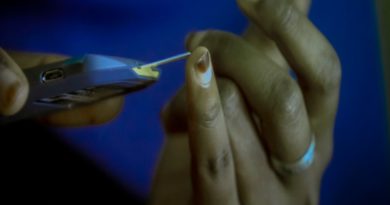
Efforts by the Ministry of Health, including initiatives to engage reluctant male partners and utilize innovative testing methods like the ‘OralQuick’ oral test device, are commendable.
Dr. Ikuzo Basile, head of the AIDS department at RBC, emphasizes the importance of couple testing, stressing its role in safeguarding both maternal and child health.

In light of these challenges, Dr. Ikuzo calls for enhanced support and monitoring by health advisors, particularly for pregnant women, to ensure optimal health outcomes.
The latest Rwanda Demographic Health Survey indicates a concerning HIV infection rate of 3% among the general population, highlighting the urgency of sustained efforts to combat the epidemic.
theinspirerpublications@gmail.com


Leave a Reply