
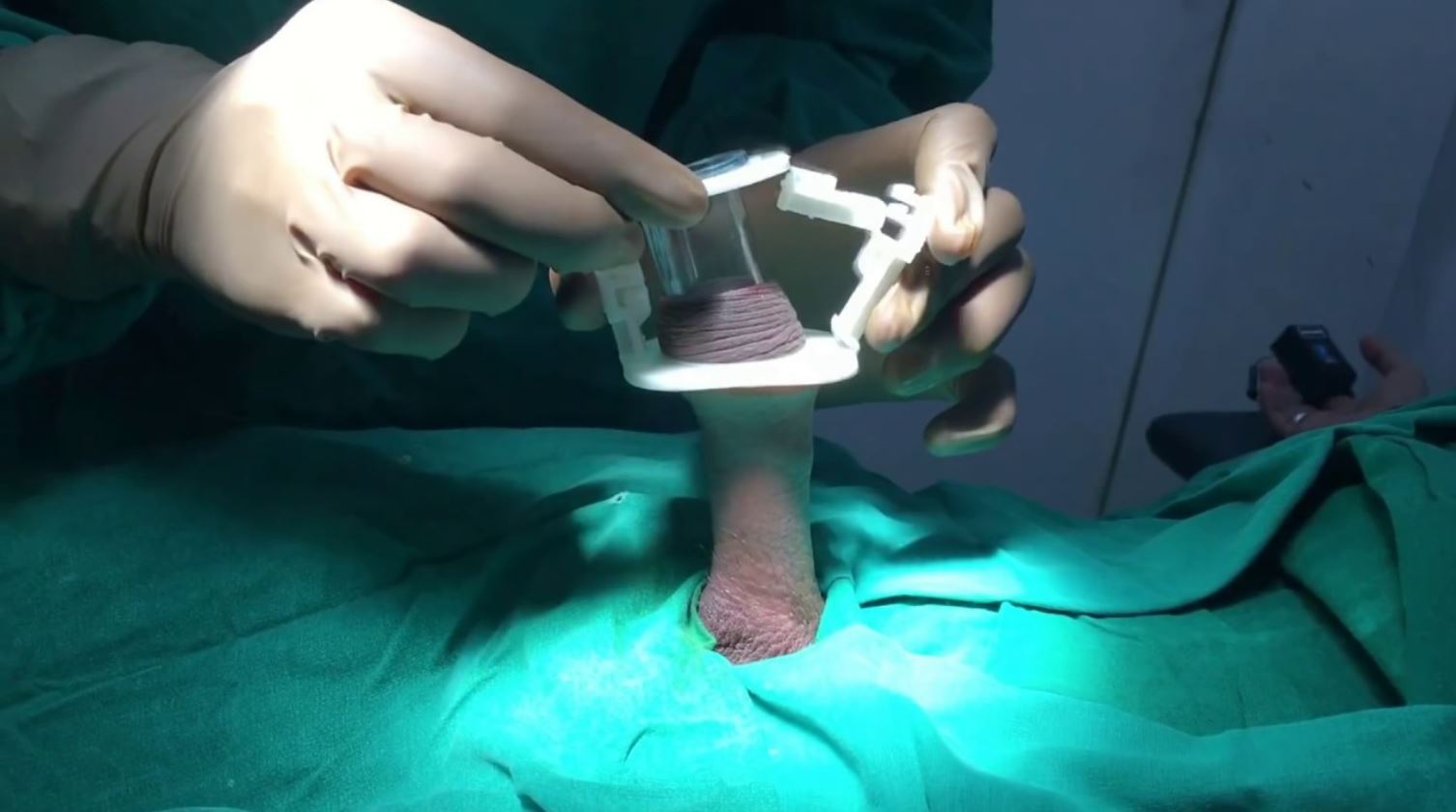
Kayonza: Health Authorities Urge Elderly Men to Embrace Circumcision for Better Health
By Elias Hakizimana.
Some elderly men from Gahini sector, Kayonza district refuse to undergo circumcision, fearing that it will cause prolonged illness and prevent them from providing for their families.
However, local health authorities and officials argue that this is a misguided perception. They have committed to increasing awareness campaigns to change this mindset and encourage older men to participate in circumcision programs.
Health authorities indicate that circumcision can reduce the risk of contracting HIV by over 60%.
On May 11, 2024, during an ongoing HIV/AIDS awareness campaign in Gahini sector organized by the National Health Center (RBC) and its partners, some residents noted that while young people are more likely to participate in circumcision programs, older men often avoid them.

They believe that circumcision would mean staying home for several days, unable to work and support their families.
One resident said, “Young people from the age of 18 and up participate actively, but it’s very rare for older men, especially married men. They think about the recovery time and how it might affect their ability to provide for their children, which makes them avoid it.”
Another resident added, “They say that because they have families to support, they can’t afford to take time off for circumcision unless there was a facility where they could be treated and recover quickly.”
Alphonse Ngarambe, Director of Health Programs in Kayonza District, refuted these concerns, stating that circumcision does not prevent one from fulfilling family responsibilities. He emphasized that ongoing campaigns will aim to change this perception.
“The circumcision program is one of the existing measures to prevent HIV, and while young people participate, cultural factors may lead adults to deem it unnecessary. Our campaigns reach everyone, and though they mention recovery time as a barrier, in reality, a person can resume daily activities within four to seven days. The key is educating the public, especially adults, to change their attitudes and utilize these services available at all health centers and hospitals,” Ngarambe explained.
Jean Damascene Harelimana, Vice Mayor of Kayonza District in charge of Social Welfare, urged men who are hesitant or refuse to undergo circumcision to consider the long-term benefits.
“Compare whether the two or three days you might spend without work could be worth risking your life. Contracting HIV will impact the rest of your life, whereas spending a few days for circumcision can ensure your health and well-being,” he stated.
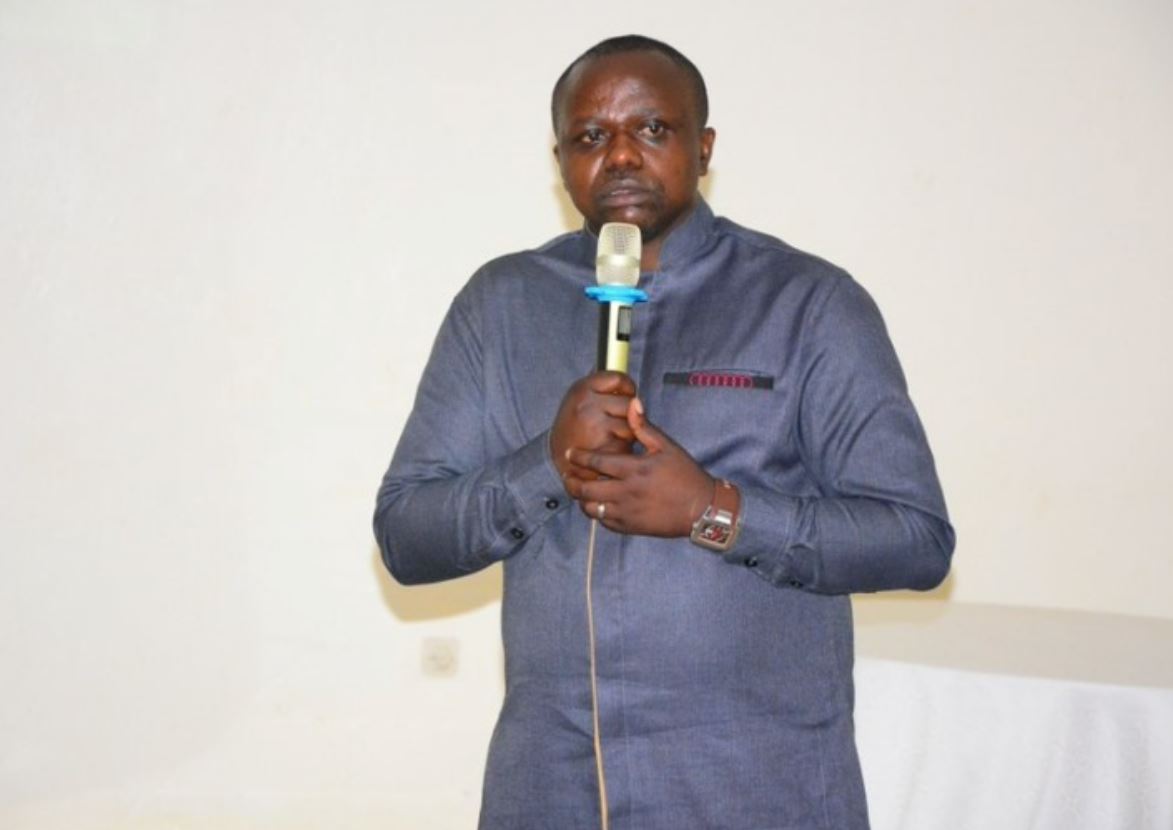
Dr. Ikuzo Basile, Head of the HIV Prevention Unit at RBC, pointed out that circumcision significantly reduces the risk of HIV infection and advised those who undergo the procedure to also use other preventive measures, such as condoms.
“There are challenges with encouraging circumcision among the elderly, but we are working on removing these obstacles to make the program effective for everyone. Research shows that circumcision can reduce HIV infection risk by 60%, but participation remains low among older men,” Dr. Basile stated.
The latest 2019-2020 DHS survey revealed that 56% of people aged 15 to 49 nationwide had undergone circumcision, highlighting the need for increased efforts to involve older men in healthcare programs.
theinspirerpublications@gmail.com




Leave a Reply