
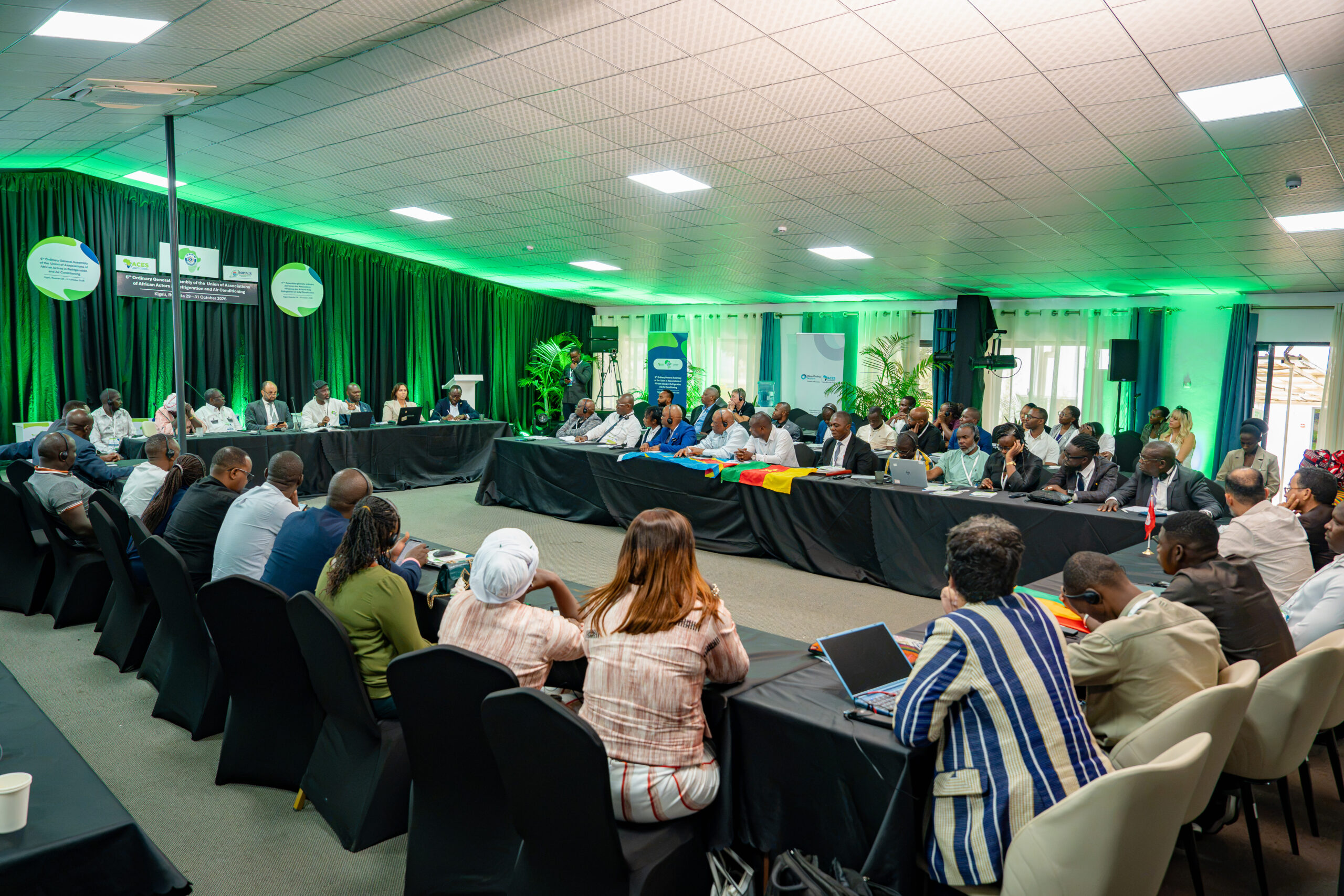
Refrigeration professionals push for policies tailored to African realities
By Elias Hakizimana.
Refrigeration professionals from across Africa have called for greater involvement in decisions shaping the continent’s cooling industry, arguing that technology choices and policies must reflect local conditions and the needs of African countries.
The call emerged during the second day of the sixth Ordinary General Assembly of the Union of Associations of Refrigeration and Air Conditioning (U3ARC), held in Kigali on October 30, 2026.
Madi Sakandé, U3ARC President, challenged the way international decisions on refrigeration have historically been made, saying technicians and other industry professionals were often excluded from discussions that directly affect their work.
“Ten years ago, the world defined refrigeration action without the refrigeration actors,” he said, noting that technicians were later expected to work with new refrigerants and technologies without adequate preparation.
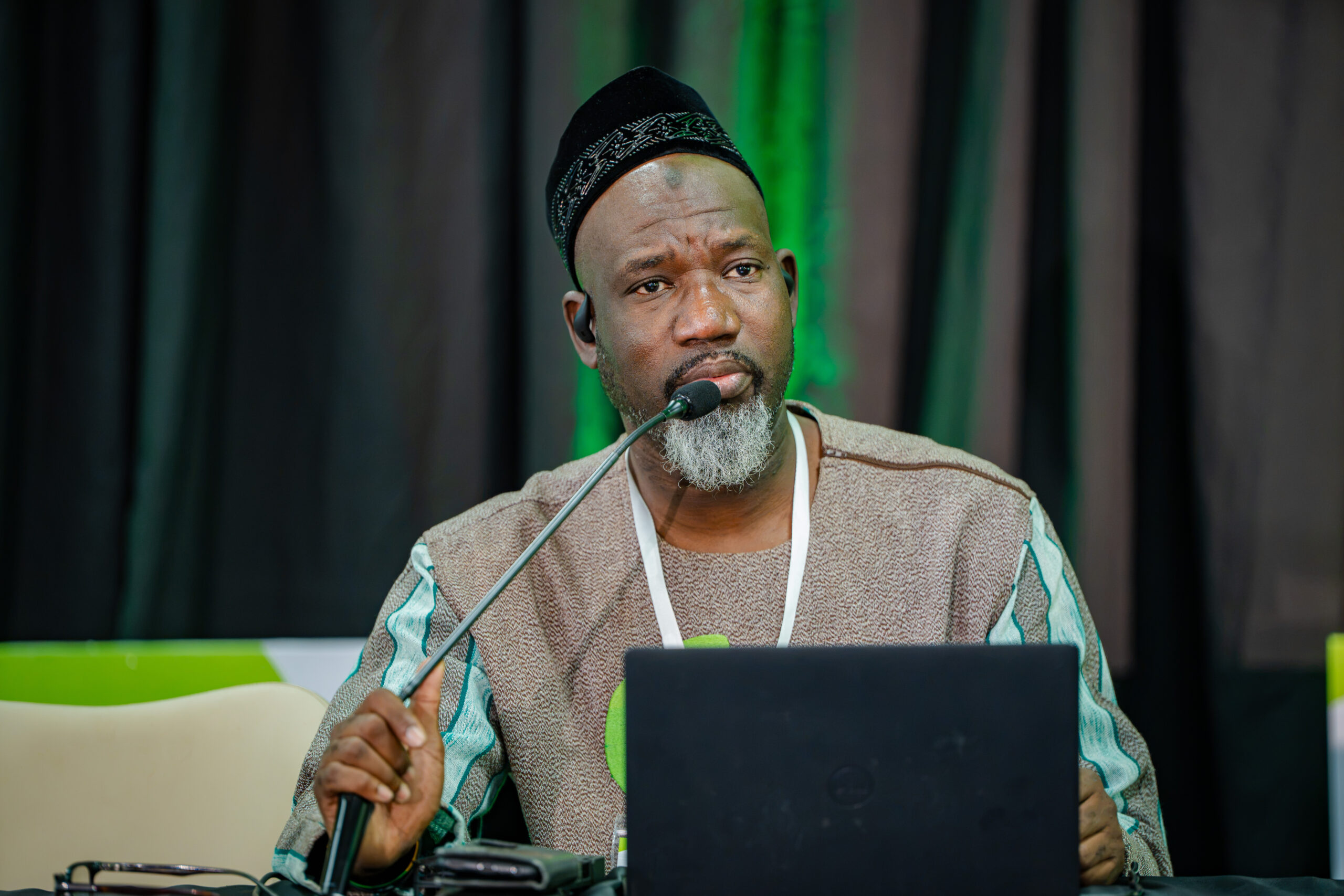
He warned that introducing technologies without sufficient training could expose technicians and communities to risks, calling for African countries to have a stronger voice in determining solutions suited to their circumstances.
“Africa is not a testing ground for technologies. Africa must from now and also choose the technology that is effective for Africa,” Sakandé said.
He also highlighted the influence of domestic policies, including taxation and energy frameworks, on the development of the refrigeration industry.
Representatives from Cameroon, Tunisia, Senegal, Rwanda and the Democratic Republic of Congo shared experiences from their countries, highlighting challenges ranging from technical training and refrigerant availability to professional certification and government engagement.
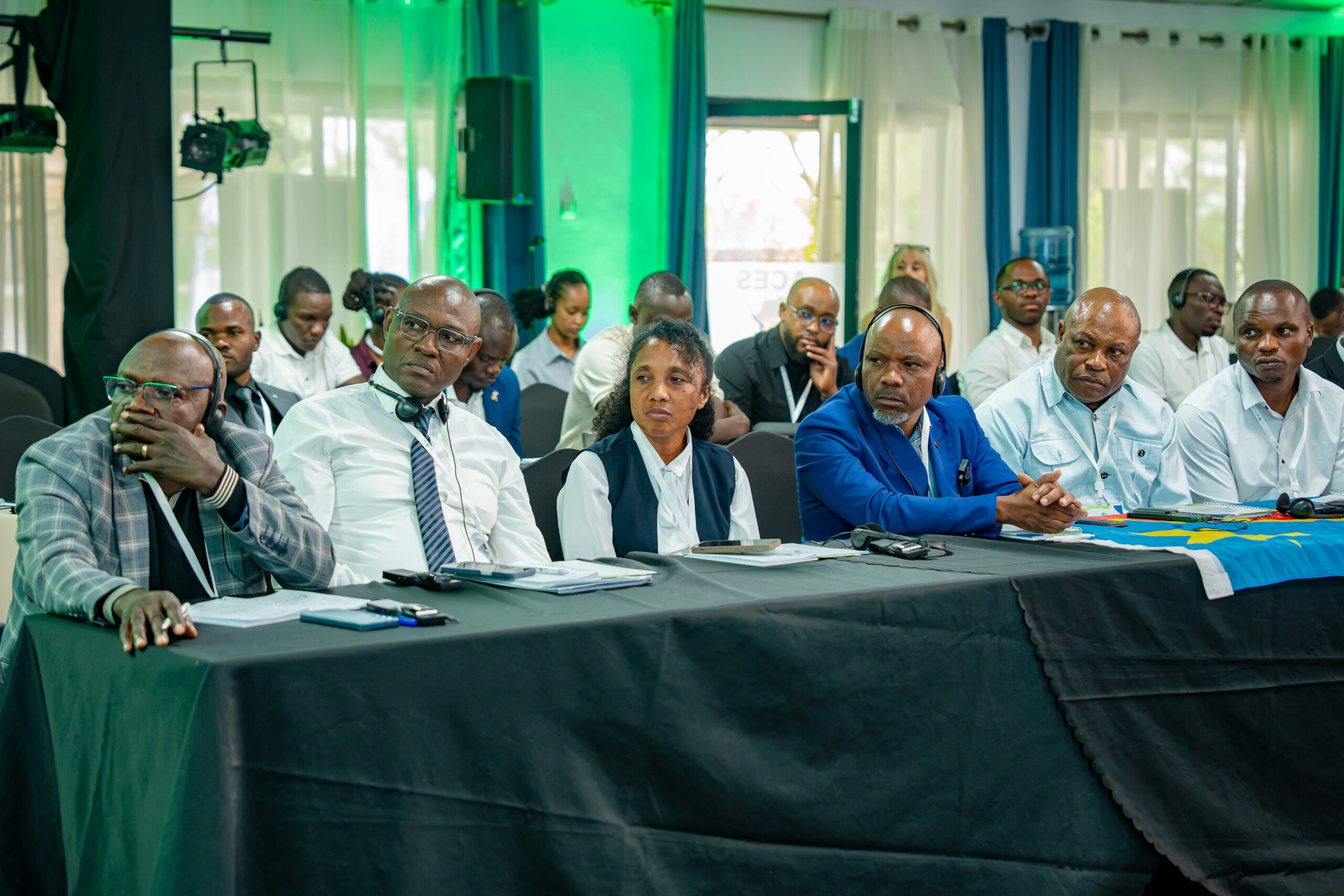
In Cameroon, a representative described how the sector initially relied heavily on foreign expertise before local professionals gradually entered the industry. However, the quality of technical training later declined, with people lacking specialised backgrounds increasingly becoming involved in some areas of the market.
The country has since pursued efforts to strengthen training and engage government institutions. The representative also cited the emergence of local companies manufacturing ventilation equipment as an example of growing domestic capacity.
Senegal’s representative highlighted difficulties in accessing and affording suitable refrigerants, particularly for industrial refrigeration. The country also faces challenges in establishing a comprehensive certification system for technicians, despite years of discussions on the matter.
Rwanda highlights practical approaches
Basile Seburikoko, Technical Director at the Africa Centre of Excellence for Sustainable Cooling and Cold Chain (ACES), outlined Rwanda’s efforts to strengthen professional capacity and formalise its refrigeration sector, which has historically had many informal workers.
He highlighted support from the Rwanda Environment Management Authority (REMA) in training technicians and implementing international agreements, including the Montreal Protocol and its Kigali Amendment.

Seburikoko also pointed to training opportunities at institutions such as Rwanda Polytechnic, noting that the country has advanced diploma-level programmes and is working towards bachelor’s-level training.
However, he identified professional certification as an outstanding challenge, expressing hope that Rwanda would make satisfactory progress by 2027.
He also cautioned that installing cold rooms in rural communities is not enough to guarantee their sustainability. Such facilities require viable business models and must be integrated into local economic activities so that communities can operate and benefit from them.
The assembly also examined how national associations can sustain their activities. Representatives cited membership contributions, paid training programmes and partnerships with businesses as ways of generating income.
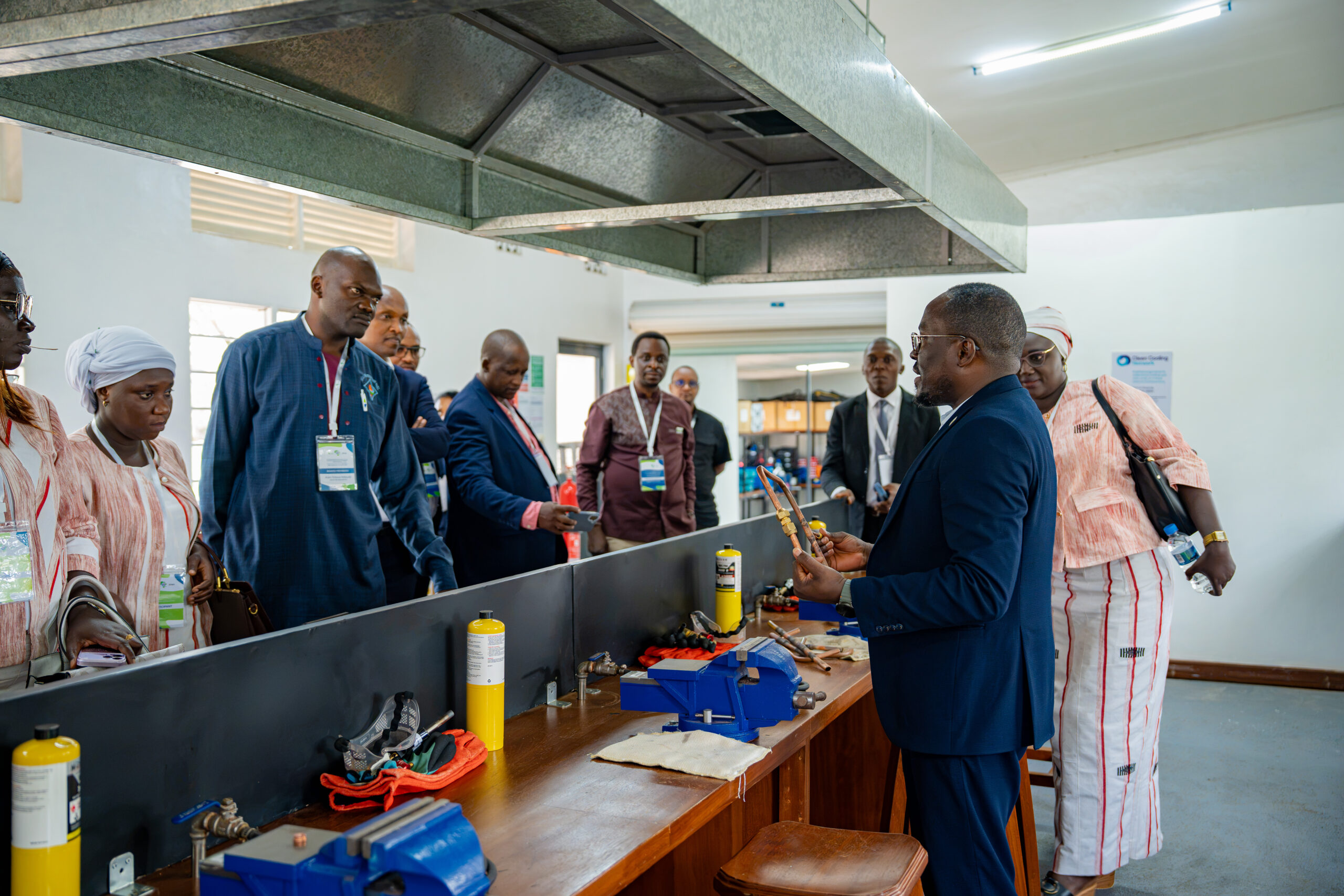
U3ARC representatives encouraged associations to engage contractors, equipment suppliers and other companies as partners, offering opportunities for technical updates and knowledge-sharing rather than relying solely on donations.
The discussions further emphasised the importance of involving refrigeration professionals in government decisions affecting the industry.
Founded in 2020 in Ouagadougou, Burkina Faso, U3ARC brings together more than 45 national associations and over 10,000 registered technicians. The assembly took place ahead of the 38th Meeting of the Parties to the Montreal Protocol (MOP38), scheduled for November 2–6, 2026, in Kigali.
theinspirerpublications@gmail.com



Leave a Reply