
COMESA partners seek stronger geospatial planning to accelerate electricity access in Africa
By Elias Hakizimana.
The Common Market for Eastern and Southern Africa (COMESA), the World Bank and Climate Compatible Growth (CCG) are working with countries in Eastern and Southern Africa to strengthen geospatial planning and improve decisions on expanding electricity access.
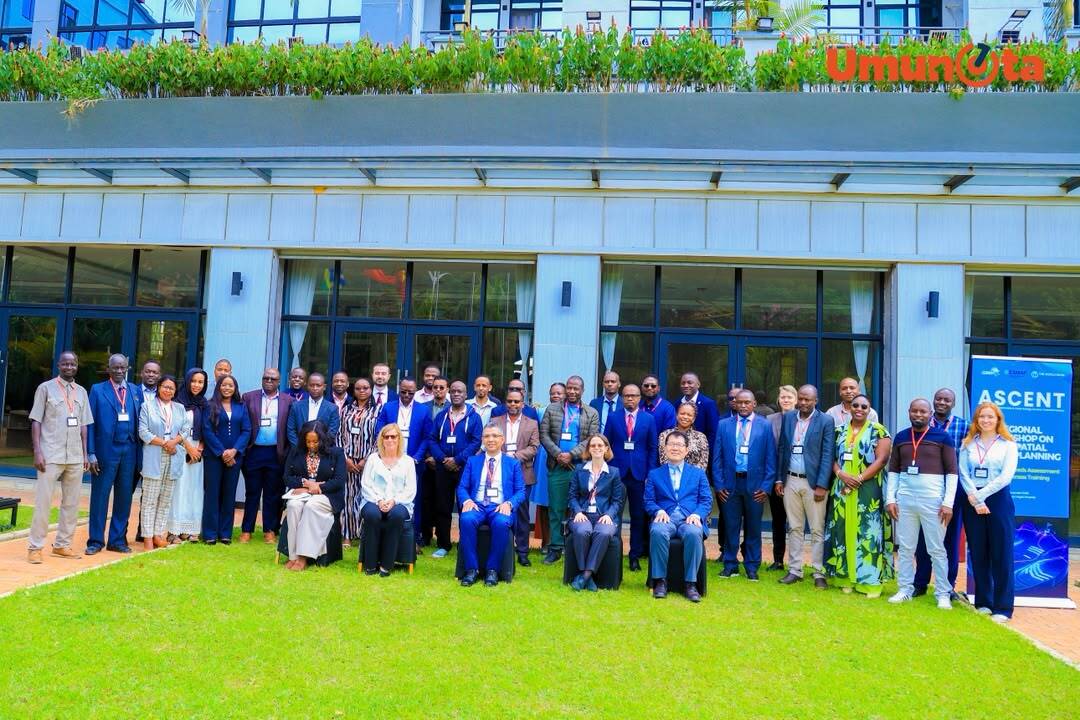
The effort is being advanced through a two-day Regional Geospatial Workshop on Capacity Building for Integrated Electrification Planning, which opened in Kigali on November 2, bringing together representatives from countries participating in the initiative.
Held under the Accelerating Sustainable and Clean Energy Access Transformation in Eastern and Southern Africa (ASCENT) programme, the workshop contributes to Mission 300, an initiative aiming to connect 100 million people to electricity across the region.
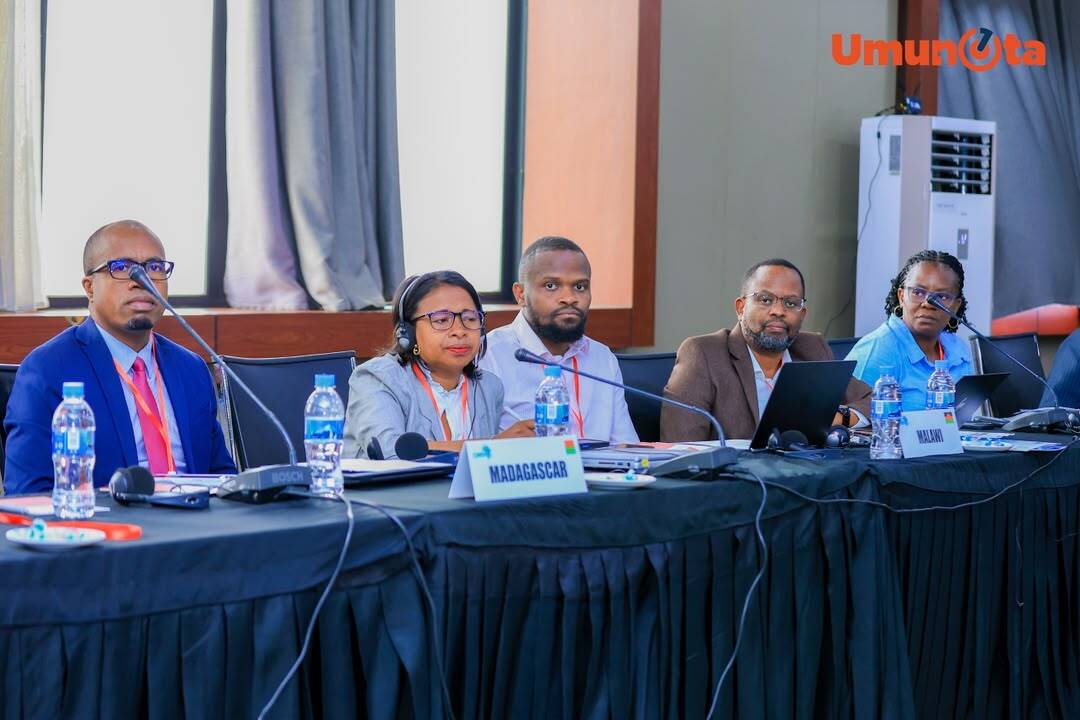
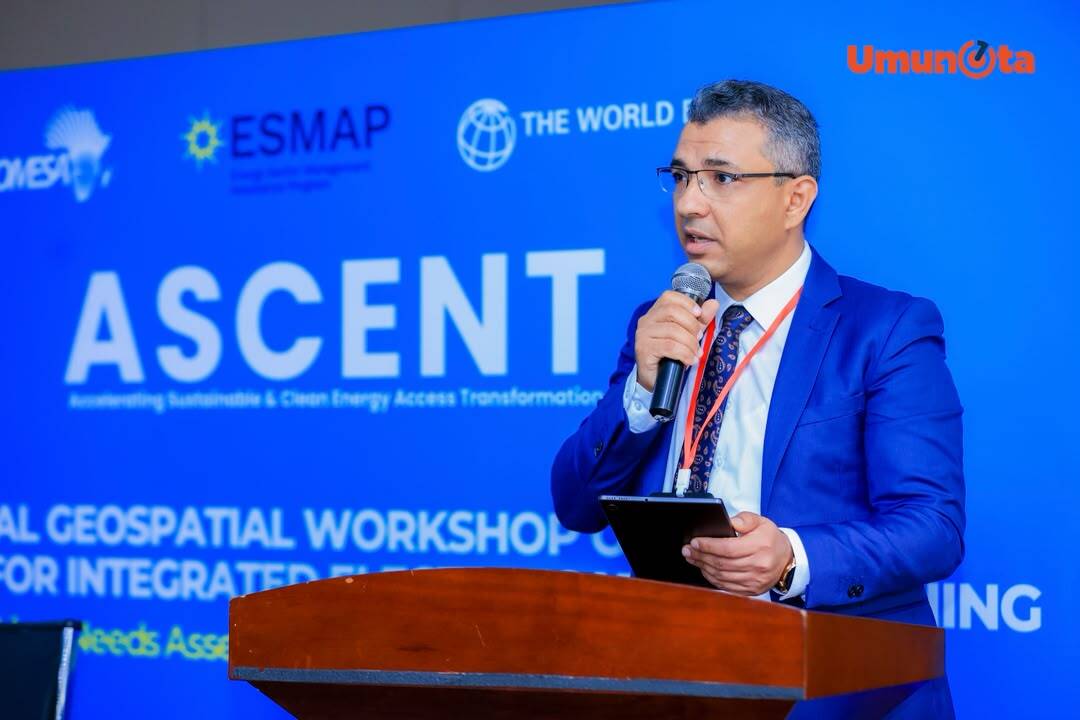
Dr Ahmed Abdallah, an energy economist with COMESA, said the initiative seeks to help member states identify the most efficient and affordable ways of connecting communities.
“The problem now is not only to electrify people and expand the grid. It is to find the best and most optimal way, at the least cost, to provide electricity to them,” he said.
He identified limited access to accurate data and inadequate technical capacity as major challenges facing countries in integrated electrification planning.
Geospatial technologies, including geographic information systems, remote sensing, spatial modelling and data analytics, can help governments establish where people live, map existing electricity infrastructure, assess demand and determine the most cost-effective ways to connect communities.
Abdallah cited remote rural communities located far from existing electricity networks as an example. Through geospatial analysis, planners can compare the costs and suitability of extending the national grid, connecting communities to a neighbouring country’s electricity network or developing independent solar or hybrid power systems.
For Rwanda, the discussions come as the country works towards universal electricity access by 2030 while expanding generation capacity and mobilising investment in the energy sector.
Jovine Nsekanabanga of the Energy Development Corporation Limited (EDCL), a subsidiary of Rwanda Energy Group (REG), said the workshop offers an opportunity to learn from other countries and engage with development partners and project developers.
He said the knowledge and planning approaches shared could help Rwanda strengthen its planning processes, increase renewable energy use and develop an appropriate energy generation mix.
“Rwanda has made considerable progress in electricity planning. We already have several plans in place, including least-cost population electrification planning, transmission planning and distribution planning,” he said.
However, he identified the need to improve data collection and ensure that information used in planning is accurate, reliable and of good quality. He also highlighted the importance of aligning different plans to guide investors and those responsible for implementation.
Nsekanabanga added that effective planning requires technical teams to understand national energy policies, collect the necessary data, develop different planning scenarios and interpret the results to provide evidence for decision-makers.
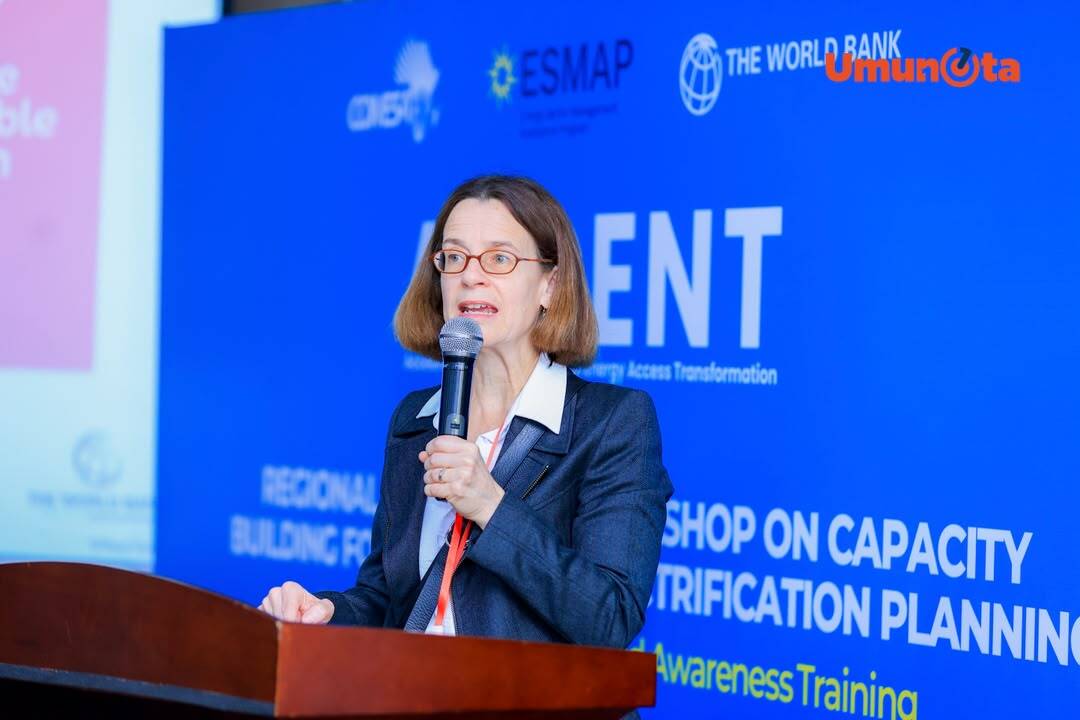
Jana Rysankova of the World Bank emphasised that electricity planning should be continuous rather than a one-off exercise, as population movements and technological developments can quickly make existing plans outdated.
She cited the emergence of mesh grids, which offer an option between solar home systems and mini-grids, as an example of how technological advances can change electrification choices.

COMESA is establishing framework contracts with geospatial planning companies through its Advisory Facility to help member states develop or update national electrification plans and improve their visualisation.
Vivien Foster, International Partnerships Lead at CCG, highlighted the importance of involving local universities and policymakers in building the expertise needed to implement national energy plans and strengthening the link between scientific knowledge and policymaking.
Kenta Usui of the World Bank’s Energy Sector Management Assistance Program (ESMAP) highlighted the role of geospatial data in identifying communities and institutions that need electricity. He also stressed the importance of coordination with sectors such as health, agriculture, education and telecommunications.
The workshop is structured around assessing countries’ existing planning systems, identifying capacity gaps and agreeing on priority interventions and requests for technical assistance.
According to Rudolf Yeganyan, CCG’s Capacity Building Unit Manager, country teams are expected to identify priority capacity-building needs, designate focal points and agree on follow-up actions for requesting support.
The process is intended to ensure that countries retain ownership of their findings and subsequent actions, with further technical assessments and agreements to guide the support required.
theinspirerpublications@gmail.com


Leave a Reply