
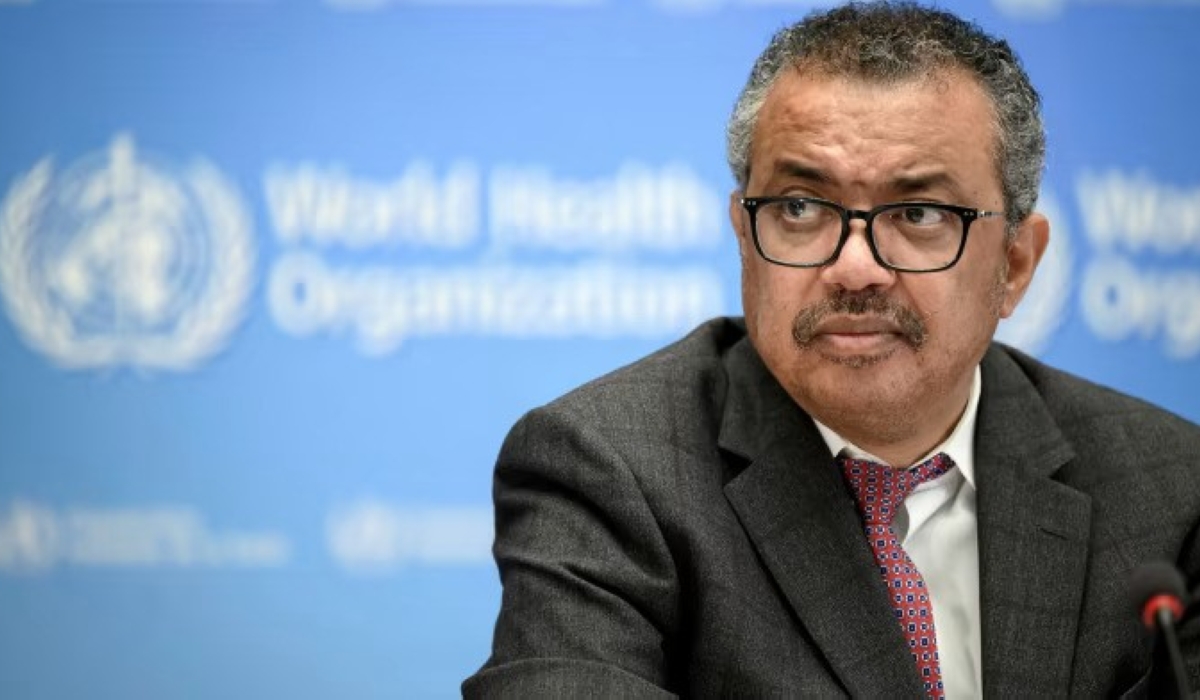
WHO Initiates $135m Global Response Plan to Tackle Monkey Pox Outbreaks
By The Inspirer.
The World Health Organisation (WHO) has set in motion a global Strategic Preparedness and Response Plan (SPRP) as of Monday, August 26, with a clear focus on curbing the spread of Mpox.
This initiative is designed to halt human-to-human transmission through a well-coordinated effort across global, regional, and national levels, emphasizing extensive surveillance, prevention, and preparedness measures.
This plan comes in the wake of WHO’s recent declaration of Mpox as a public health emergency of international concern. Covering the period from September 2024 to February 2025, the WHO’s strategic plan requires approximately US$135 million to be raised for effective response efforts.
Collaborative efforts with Member States, Africa Centres for Disease Control and Prevention (Africa CDC), communities, researchers, and various partners will be crucial for the plan’s execution.
Stressing the critical nature of the situation, Dr. Tedros Ghebreyesus, WHO’s Director-General, highlighted the possibility of controlling and eventually halting the Mpox outbreaks in DR Congo and neighboring regions.
He remarked, “Achieving this goal demands an inclusive and coordinated action plan involving international agencies, national and local partners, civil society, researchers, manufacturers, and our Member States. This SPRP outlines such a plan, grounded in principles of equity, global solidarity, community empowerment, human rights, and intersectoral coordination.”
Member States contributed to the plan’s development, having been briefed on the SPRP on August 23. The plan builds upon the WHO Director-General’s temporary and standing recommendations, with an emphasis on advancing research and ensuring equitable distribution of critical medical resources, including diagnostic tests and vaccines.
Reducing animal-to-human transmission and empowering communities to engage actively in outbreak prevention and control are key priorities within these efforts. Vaccination strategies will particularly target high-risk populations, such as close contacts of recent cases and healthcare workers, in a bid to disrupt transmission chains.
Globally, the WHO is committed to offering strategic leadership and timely, evidence-based guidance to affected countries, while also ensuring that medical countermeasures are accessible to those most at risk. To bolster coordination across critical areas of preparedness, readiness, and response, the WHO will partner with a diverse range of networks and organizations.
On August 29 and 30, a virtual scientific conference hosted by the WHO and its partners will focus on aligning Mpox research with outbreak control objectives. The conference is set to bring together experts from the WHO R&D Blueprint, Africa CDC, Coalition for Epidemic Preparedness Innovations (CEPI), and the National Institute of Allergy and Infectious Diseases.
In the African region, where the urgency is most pronounced, the WHO Regional Office for Africa (AFRO) and Africa CDC will jointly steer the coordination of Mpox response activities. Both entities have agreed to a unified strategy, aligning their plans and budgets under the forthcoming Africa Continental Mpox Strategic Preparedness and Response Plan.
At the national and sub-national levels, health authorities will tailor their approaches in response to the evolving epidemiological landscape, with support from WHO headquarters and regional offices through incident management teams and additional staffing in affected countries.
theinspirerpublications@gmail.com




Leave a Reply