
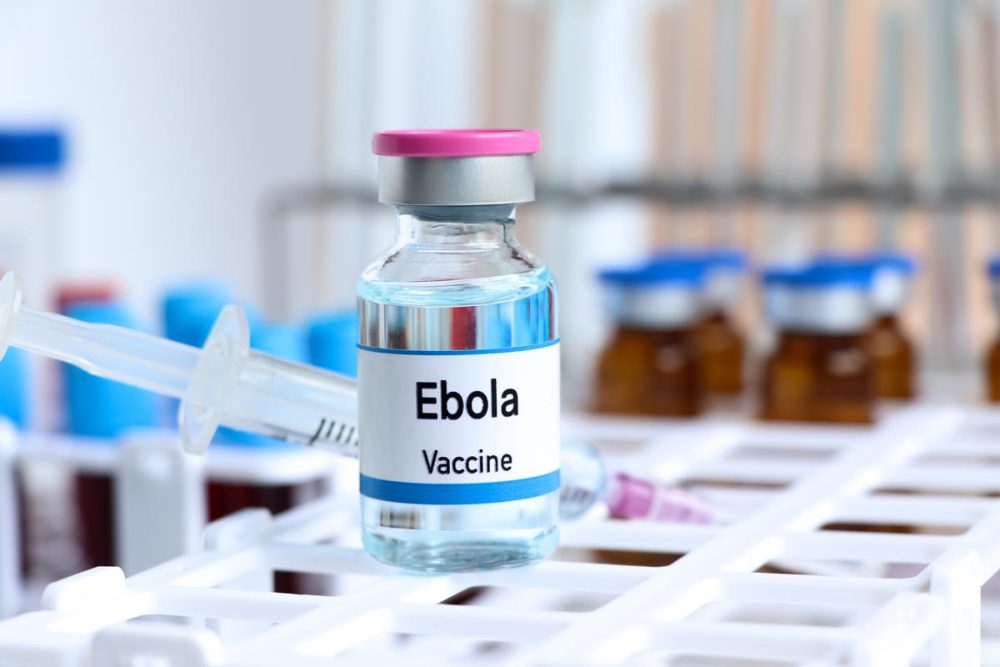
WHO fast-tracks experimental Ebola drugs, vaccines as Bundibugyo outbreak spreads in DRC and Uganda
By The Inspirer.
As health authorities battle a growing Ebola outbreak in Central and East Africa, the World Health Organization (WHO) has moved to prioritize a number of experimental drugs and vaccines for urgent clinical trials targeting the rare Bundibugyo strain of the virus.
The outbreak, which has already affected parts of the Democratic Republic of Congo (DRC) and Uganda, has triggered renewed fears across the region due to the absence of approved vaccines or treatments specifically designed for the Bundibugyo Ebola virus.
In a fresh update released Thursday, WHO identified three experimental treatments that could offer hope in controlling the outbreak. These include MBP134 developed by Mapp Biopharmaceutical, Regeneron’s antibody-based treatment maftivimab, and the antiviral drug remdesivir produced by Gilead Sciences.
According to WHO, the selected treatments and vaccine candidates will now be considered for carefully monitored clinical trials aimed at gathering scientific evidence on their effectiveness and safety.
The agency revealed that supplies of maftivimab are already available in the DRC, opening the possibility for immediate use in treatment programs or research studies if approved by health authorities.
WHO is also exploring preventive options. One of the drugs attracting attention is obeldesivir, an oral antiviral medicine being developed by Gilead Sciences. Health experts believe the drug could help protect individuals who come into contact with confirmed Ebola patients, although success will heavily depend on effective contact tracing.
On the vaccine front, WHO pointed to the single-dose rVSV Bundibugyo vaccine developed by the International AIDS Vaccine Initiative (IAVI) as one of the leading candidates. However, scientists estimate it could take another seven to nine months before the vaccine is ready for human trials.
Another vaccine candidate known as ChAdOx1 Bundibugyo, developed through collaboration between Oxford University and the Serum Institute of India, may become available for testing sooner, possibly within two to three months. Additional laboratory studies are still ongoing.
WHO also reviewed the potential use of Ervebo, currently the world’s only licensed Ebola vaccine developed by Merck. But the agency warned that evidence showing its effectiveness against the Bundibugyo strain remains too limited to justify widespread use outside research settings.
Medical experts advising WHO have additionally proposed testing combined therapies involving monoclonal antibodies and remdesivir in an effort to improve survival rates among infected patients.
The global health agency said it is coordinating with governments in Uganda and the DRC, alongside Africa CDC and other partners, to prepare ethical and scientifically guided clinical trials as the region races to contain the outbreak.
Reuters contributed reporting to this story.




Leave a Reply