
Waste Recycling needs coordinated efforts to avoid health hazards−Experts
By Elias Hakizimana.
Waste management purposes cannot be achieved to make a productive soil and ensure both climate and human health without complying with recycling guidelines according to experts.
The call to action to establish a waste sorting model that caters for both soil productivity and preventing communities from the hazards of informal waste collection was raised by Paulin BUREGEYA, Environmental Expert and Chief Executive Officer of the Company for Protection of Environment and Development (COPED) during the launch of the National Circular Economy Action Plan and Roadmap at the World Circular Economy Forum 2022 that is being held in Kigali from December 6th -8th, 2022.
With the experience of more than 20 years in waste collection, transportation, treatment and disposal, Buregeya recommends three actors (the Government, waste collection and recycling companies as well as citizens in both domestic and industrial communities) to work jointly in order to comply with waste collection model that does not pose any risk to the environment and human health.

Attention to hazardous wastes
“We are encountering challenges, but the journey ahead is promising. From this forum, we gained a lot from the initiative being launched by the government, ‘National Circular Economy Action Plan and Roadmap. It will first of all help in community mindset changing; from the citizens, schools and companies that generate and collect wastes; plus, local authorities for an effective mobilization,” he said.
Learning from the previous experience, Buregeya said that they struggle to transport sorted and unsorted wastes due to existing mindset of the community towards waste collection.
“First, it exhausts our energy in sorting from the collection site, secondly, it harms human health especially people working in production; think about the wastes that include the remains of glasses! Think about broken lights and you know the hazardous chemicals contained in, think about remains of medicines in our households, the old car batteries’ poisons; and think mostly about the employees who have daily contacts with these health risky staffs, we need to also think human health besides making money.” Buregeya warns.
He said that they expect a lot from the National Circular Economy Action Plan and Roadmap to make some changes. They used to hire manpower employees before, and they will use machineries to carry and transport wastes to ensure healthy communities that are free from wastes’ hazards; and to increase productivity.

“It could take six months to produce manure fertilizers from beans wastes, with the new technology, we can get the produce in only 15 days,” he said.
Wastes sources must be on right course
Buregeya calls up on citizens at household level, hotels and factories and other institutions to comply with waste sorting guidelines, from soft to solid stuffs.
Non-compliance with such guidelines affects the business profitability for waste producers because they mix glass bottles, plastics, grasses, metals, papers, stones and the soil.
“Unsorted wastes are useless, but when everyone understands the role of sorting, we shall get money! You sort and save money.
Unsorted wastes can cause cancer
Buregeya explained that unsorted wastes, once manufactured into fertilizers can contaminate the soil and affect crops, that can also cause cancer disease for humans.
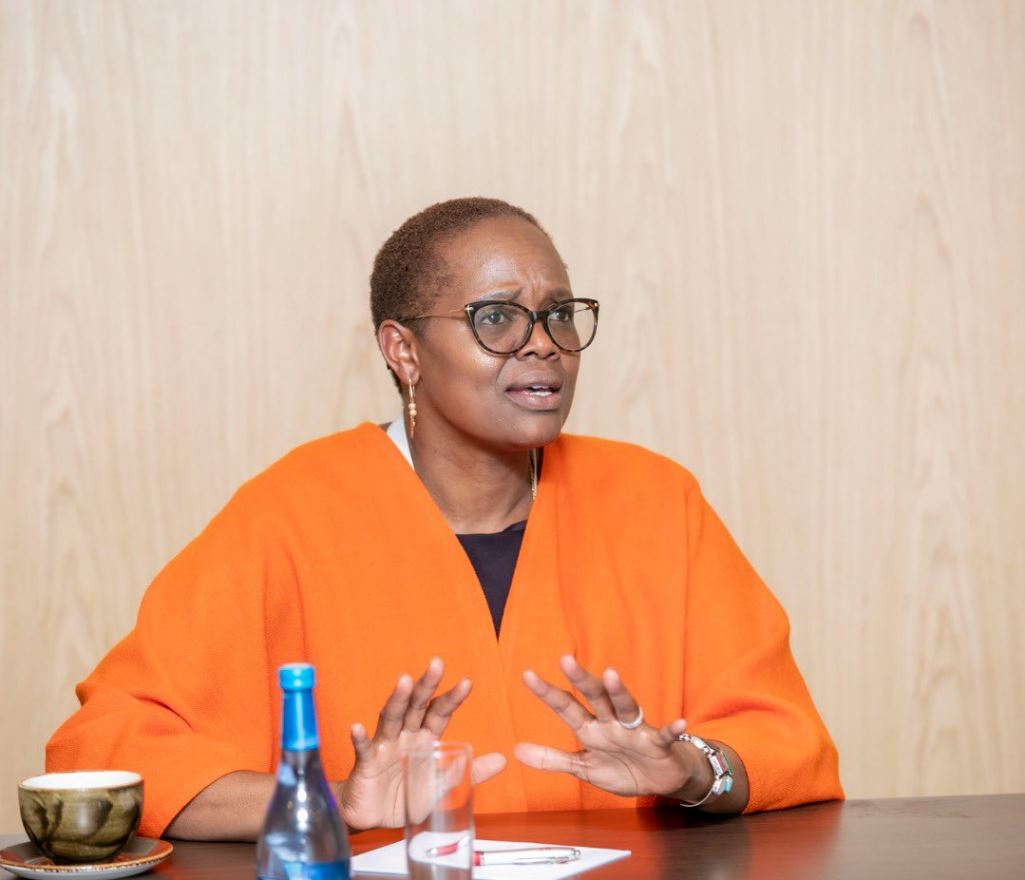
According to Mathai Wanjira, Managing Director for Africa and Global Partnerships, there is need for potential areas of collaboration, especially in land and water resources management to ensure successful implementation of the launched National Circular Economy Action Plan and Roadmap.
According to the Ministry of Environment, the Circular Economy Action Plan and Roadmap will contribute to Rwanda’s vision to be a carbon-neutral and climate resilient nation by 2050, through value retention, reduction of waste and the creation of new economic opportunities.
“Rwanda is an ideal destination for circular and green investments. Through the new National Circular Economy Action Plan and Roadmap, let’s take up that opportunity and build a circular economy that works for people and the planet so we can live in harmony with nature and ensure a sustainable future for generations to come,” said Dr Jeanne d’Arc Mujawamariya, Minister of Environment.

theinspirerpublications@gmail.com




Leave a Reply