
Tajyire launches R&D department to bridge youth skills and market innovation
By Elias HAKIZIMANA.
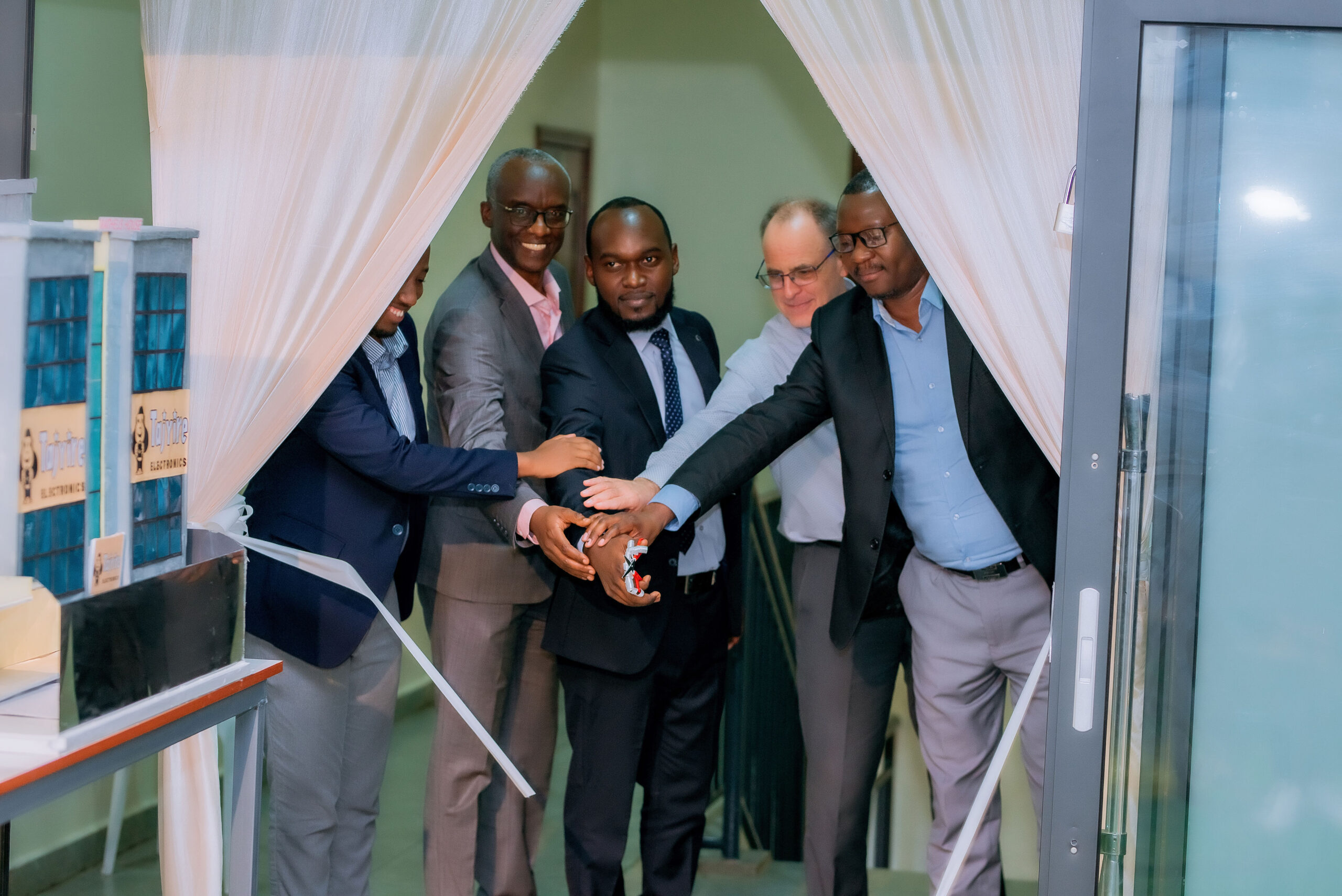
Tajyire Group, in partnership with Rwanda We Want (RWW), has officially launched its Research and Development (R&D) Department, positioning it as a catalyst for youth-driven innovation and job creation.
The launch, held on February 26, 2026, at Tajyire Electronics in Matheus House, Nyarugenge, marks a milestone in a five-year Memorandum of Understanding between the two institutions.
The partnership aims to connect more than 10,000 young people to opportunities in technology, electronics, research and entrepreneurship.
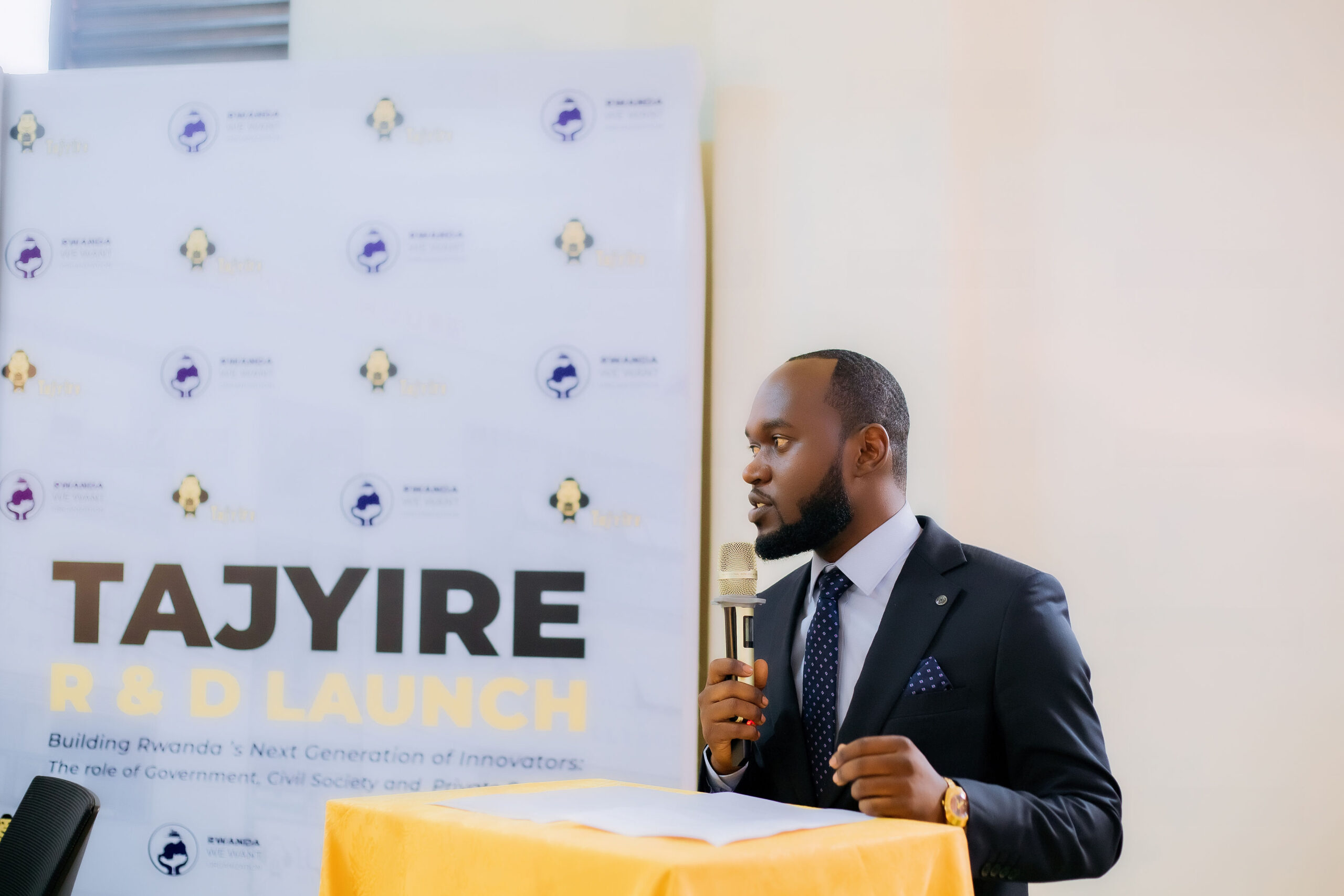
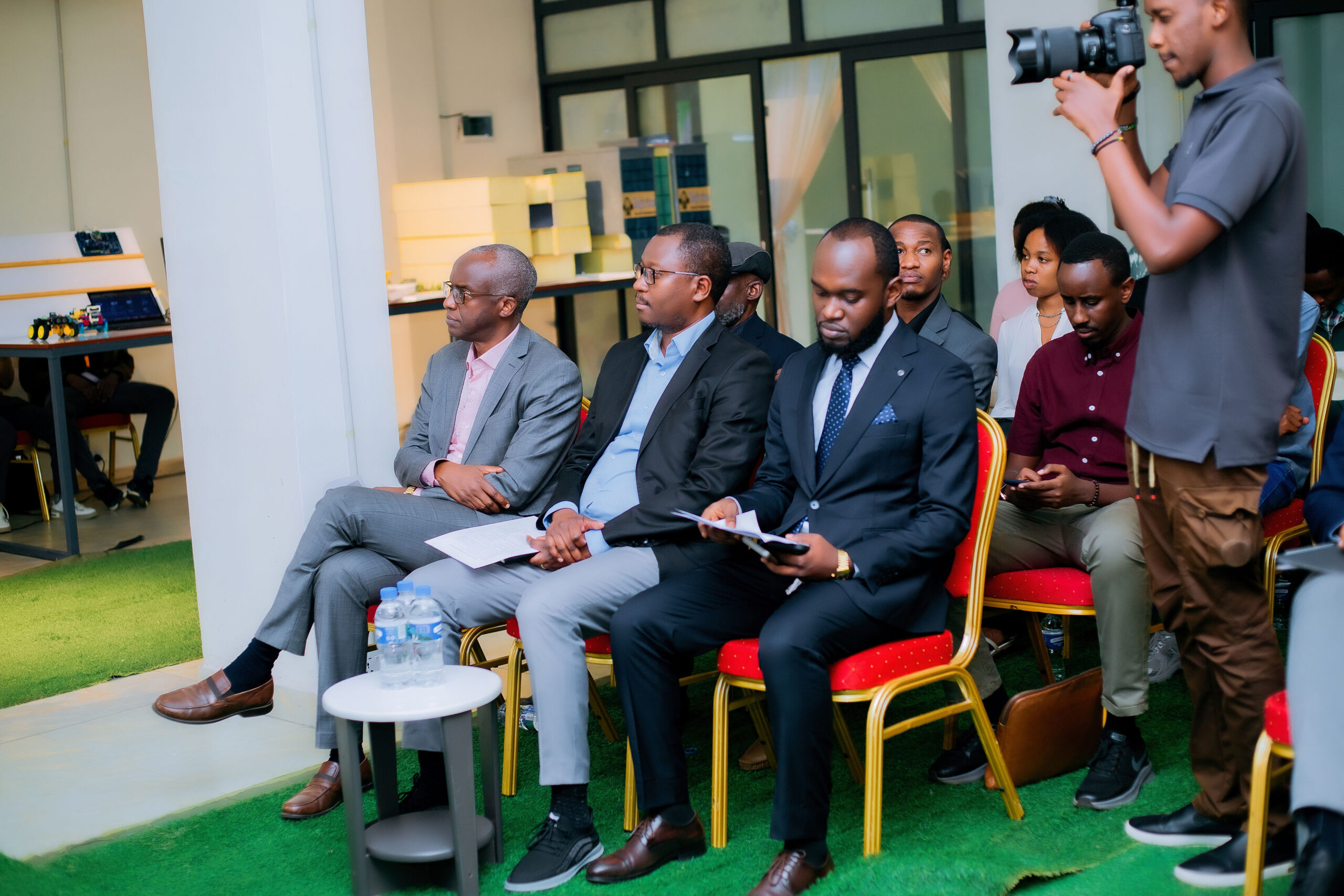
Held under the theme “Building Rwanda’s Next Generation of Innovators,” the event brought together representatives from government, civil society, the private sector and development partners.

Linking skills to markets
Yannick Kayumba, Acting Executive Director of Rwanda We Want, said the initiative responds to persistent youth unemployment despite Rwanda’s economic progress.
“Many young people complete technical and related studies with strong foundational knowledge. However, access to practical innovation spaces, advanced tools and structured employment pathways is still limited,” Kayumba said.
He stressed that bridging the gap between skills and jobs requires cross-sector collaboration.
Lambert Gahungu, Founder and CEO of Tajyire Group, described the launch as a structural step toward building a functional innovation ecosystem.
“No single institution builds an innovation ecosystem alone,” Gahungu said. “Government provides policy and national vision. Civil society safeguards inclusion and social impact. The private sector builds markets, absorbs talent and drives productivity. When these three forces align, transformation accelerates.”

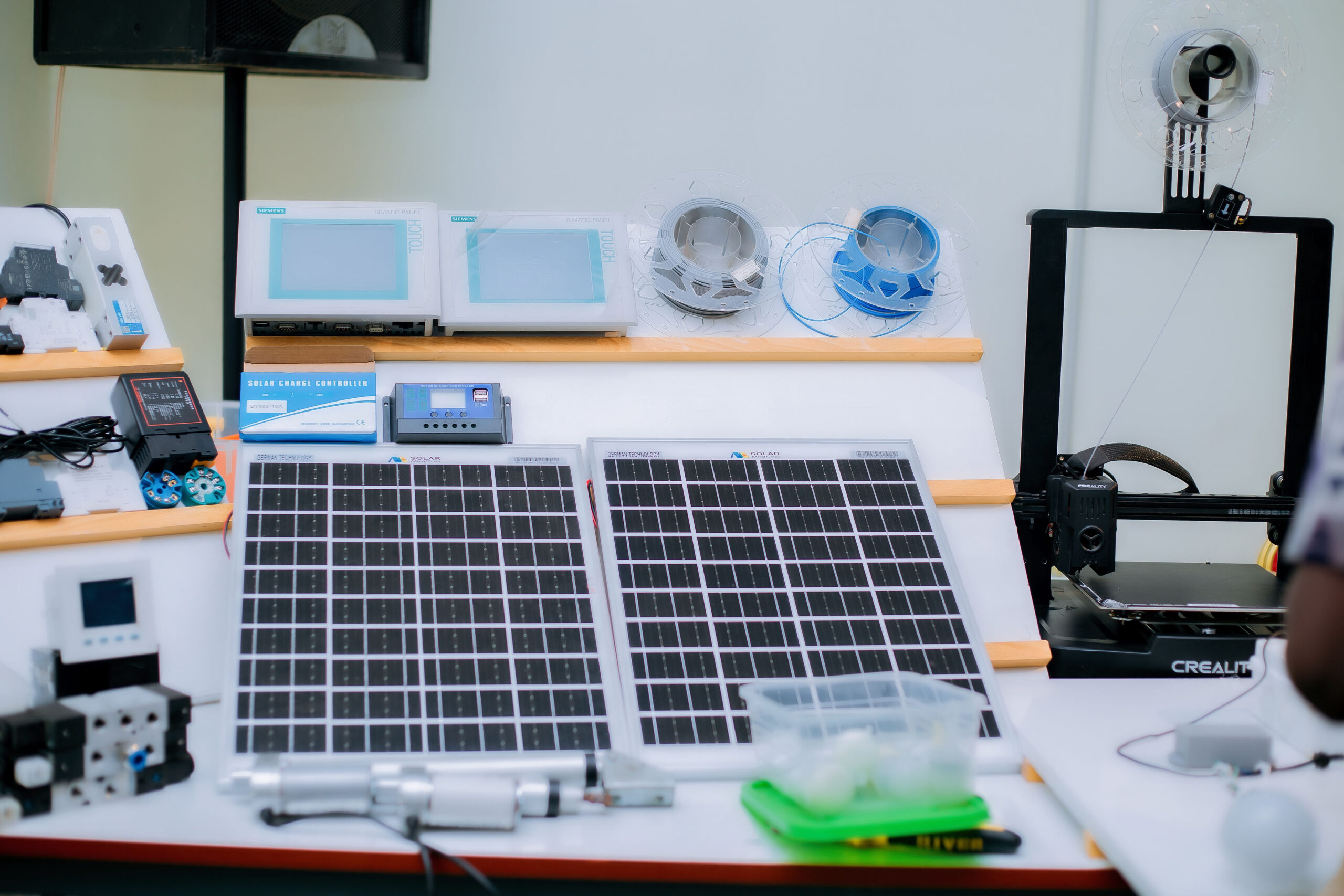
He explained that the R&D Department operates alongside two existing pillars within Matheus House: an electronics marketplace hosting more than 1,000 small businesses and a training centre expected to equip up to 1,000 young people annually.
“Research must lead to products. Products must lead to enterprises. Enterprises must create jobs,” he said.
According to Gahungu, the integrated model ensures that trainees can transition directly into employment or entrepreneurship within the same ecosystem. Innovations developed through the R&D unit will be commercialised through existing distribution channels in the complex, reducing reliance on imports while strengthening domestic production.
Small businesses operating in the building pay between Rwf80,000 and Rwf200,000 per month for workspace, depending on location, in an effort to keep costs manageable.
On intellectual property, Gahungu said innovators would be supported to register and manage their rights under case-by-case partnership arrangements. Addressing financing constraints, he noted that direct access to market outlets can ease funding pressures.
“If someone develops something and can sell it immediately within this ecosystem, funding becomes less of a barrier,” he said.
Innovation must address real needs
Nelson Ijumba, Innovation and Research Programme Lead at Coventry University Africa Hub, described the initiative as a strategic addition to Rwanda’s innovation landscape.
“What stands out is the integration of research and development, retail operations and a training school within one ecosystem,” Ijumba said. “They are training young people while also engaging in research and development, and they have retail outlets within the same structure, creating a ready market channel for products developed through the R&D process.”
However, he cautioned that innovation must remain community-driven.
“You cannot simply develop an idea and then try to sell it. You must first identify a real need and design solutions around that need,” he said, recommending continuous engagement with communities and stronger collaboration with higher learning institutions.
Traders and technicians see practical impact
For businesses operating within the building, the launch signals practical benefits.
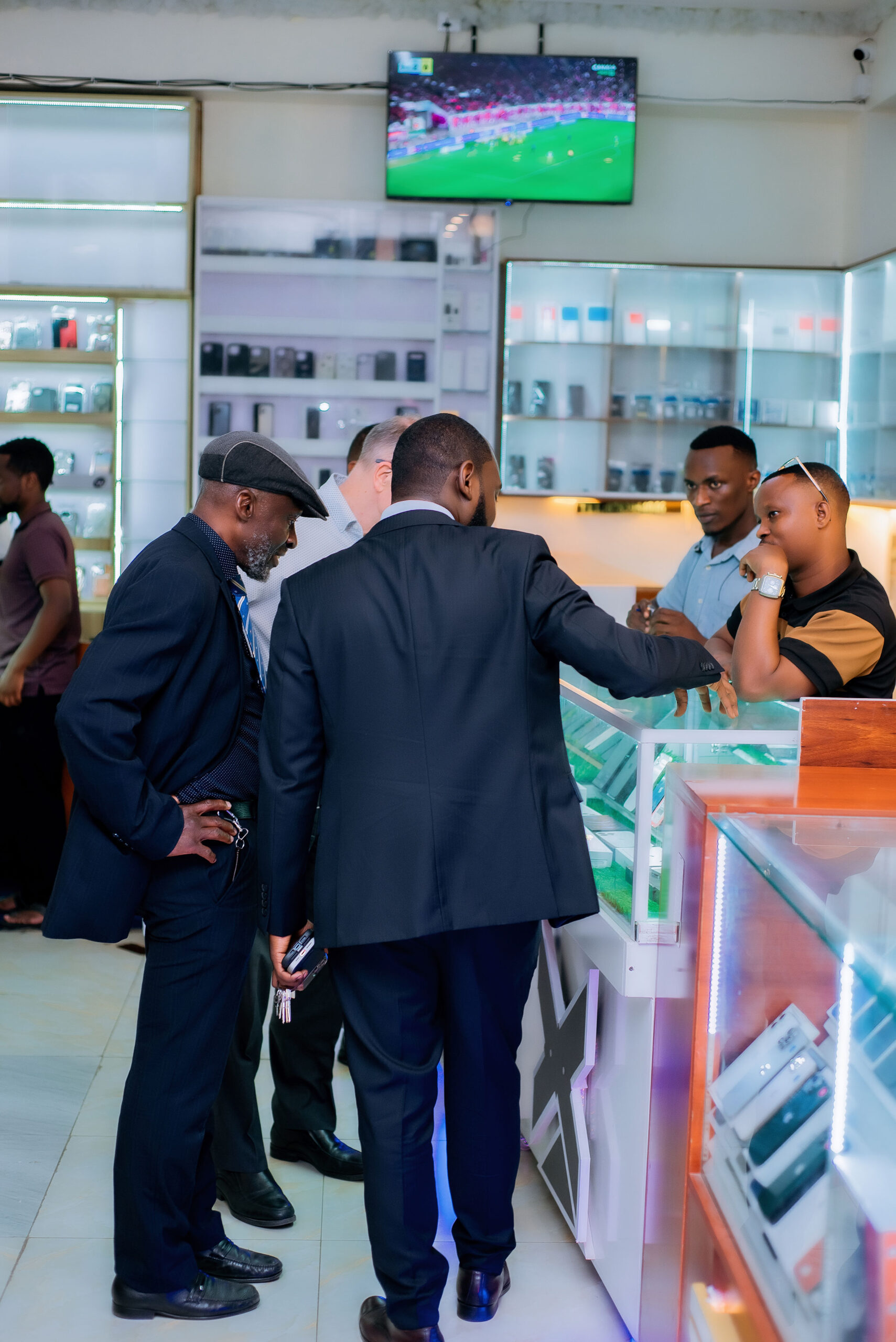
Christopher Ndizeye, a phone seller in the complex, said the model offers solutions to technicians and electronics traders.
“In electronics, you need quick access to spare parts, repair services and new products,” he said. “Having research, training and retail in the same place strengthens our work and gives customers more confidence.”
Innocent Uwimana, an electronics technician with 15 years of experience, including two years at Tajyire Electronics, said the structured environment has improved standards in the sector.
“Before, many technicians worked in isolated spaces with limited tools,” he said. “Here, we operate in an organised marketplace. Now, with the R&D department and training centre, young technicians will not only repair devices but also learn how to innovate and improve products.”

Vision for expansion
Charles Butare, owner of Matheus House where Tajyire operates, welcomed the development and praised Gahungu’s vision.
“When he first approached me with the idea of transforming this building into an electronics hub, it required trust and boldness,” Butare said. “Today, we see that the idea is creating opportunities for many young entrepreneurs.”
Responding to a question from a representative of UNESCO about reaching youth outside Kigali, Gahungu said the company aims to replicate the integrated marketplace-training-R&D model in other provinces, subject to capital mobilisation and strategic partnerships.
By linking training, research, product development and market access under one roof, Tajyire and Rwanda We Want say they are building a pipeline where ideas can evolve into viable enterprises capable of generating employment at scale.
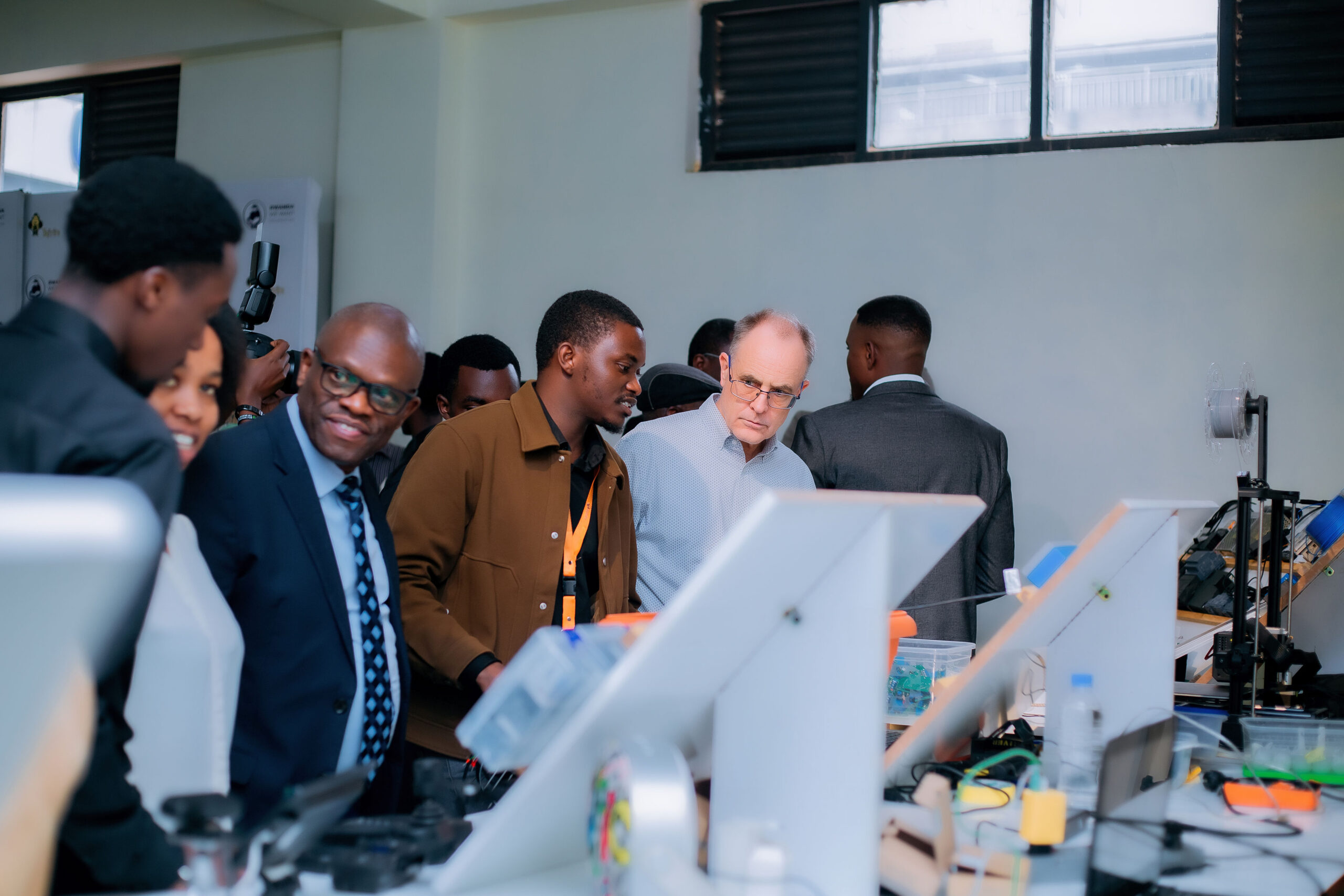
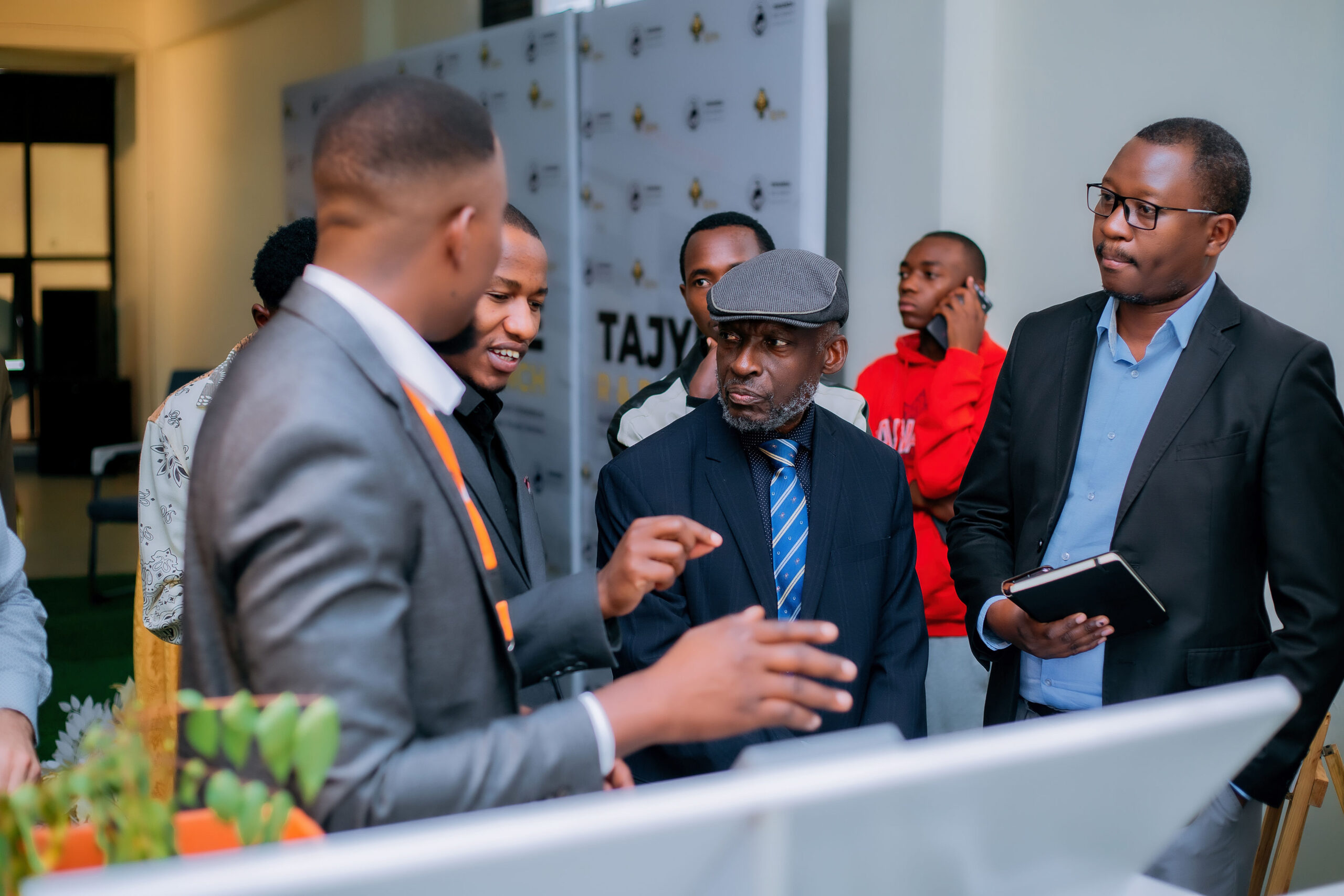
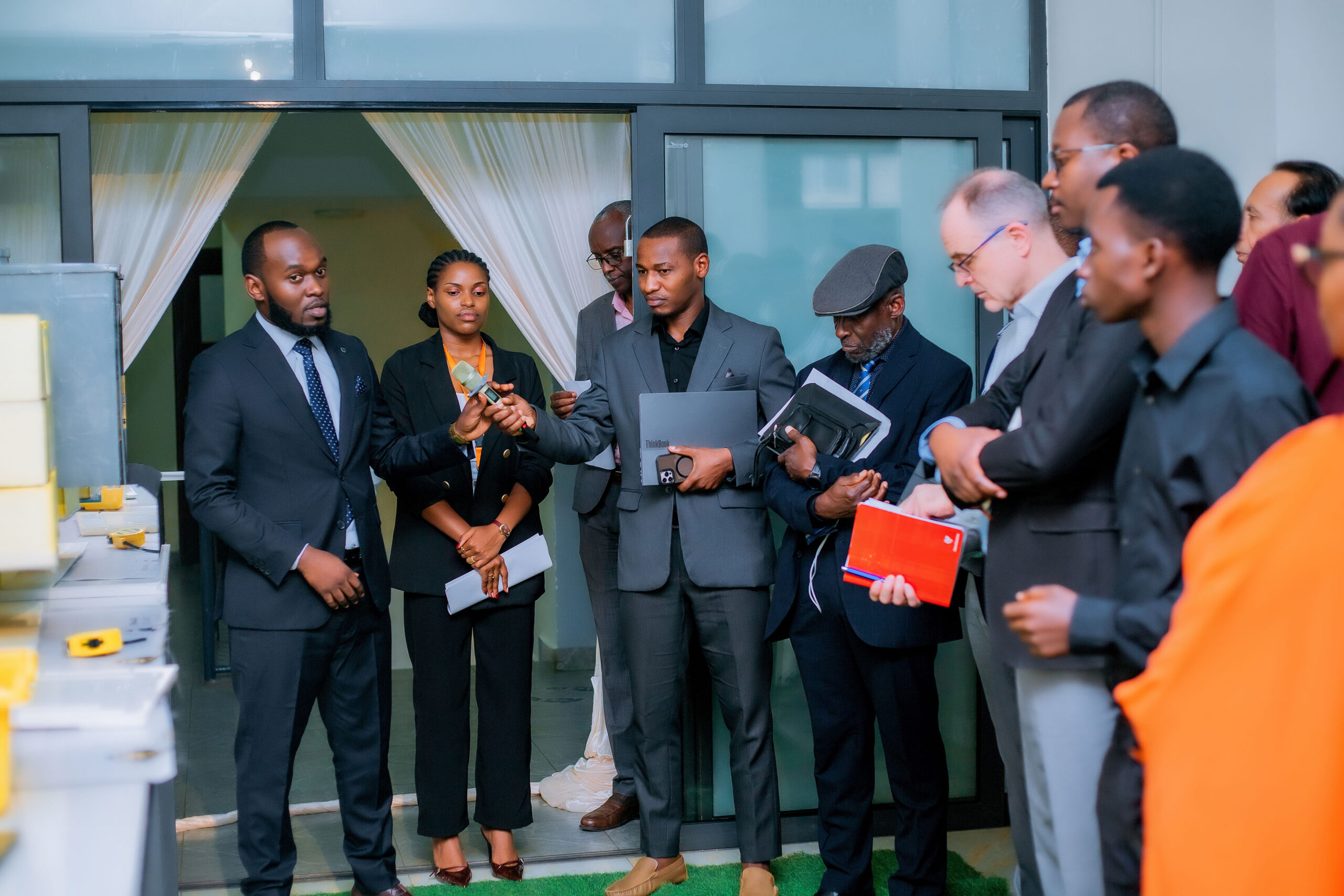
 Prof. Nelson Ijumba, Innovation and Research Programme Lead at Coventry University Africa Hub, wearing a cap, attends the Tajyire R&D launch, praising its integrated approach to youth training and market-ready innovation.





theinspirerpublications@gmail.com




Leave a Reply