

Rwanda pushes to turn climate commitments into bankable investment systems
By Elias Hakizimana.
“Cooling is foundational—it is the difference between the food that nourishes and the food that is lost,” said Honourable Bernadette Arakwiye, Minister of Environment, as she opened the UK–Rwanda Climate Partnership Conference in Kigali on Tuesday, March 24, 2026.
Her remarks set the stage for a high-level panel discussion on turning Rwanda’s climate ambitions into investment-ready projects, which brought together policymakers, financiers, and development partners.
Moderated by David Toovey, Managing Director of Spruik Agency, the panel examines how the country can move from policy frameworks to scalable, investment-ready projects.
Juliet Kabera, Director General of the Rwanda Environment Management Authority, emphasized the central role of policy and regulatory frameworks in guiding investment. She noted that national strategies provide the foundation for coordinated action across sectors.

“Without bigger frameworks like the NST1 and NST2, you cannot have other sectors anchored. That becomes the delivery platform,” she said, adding that these frameworks help translate climate ambition into “clear, actionable programmes and projects.”
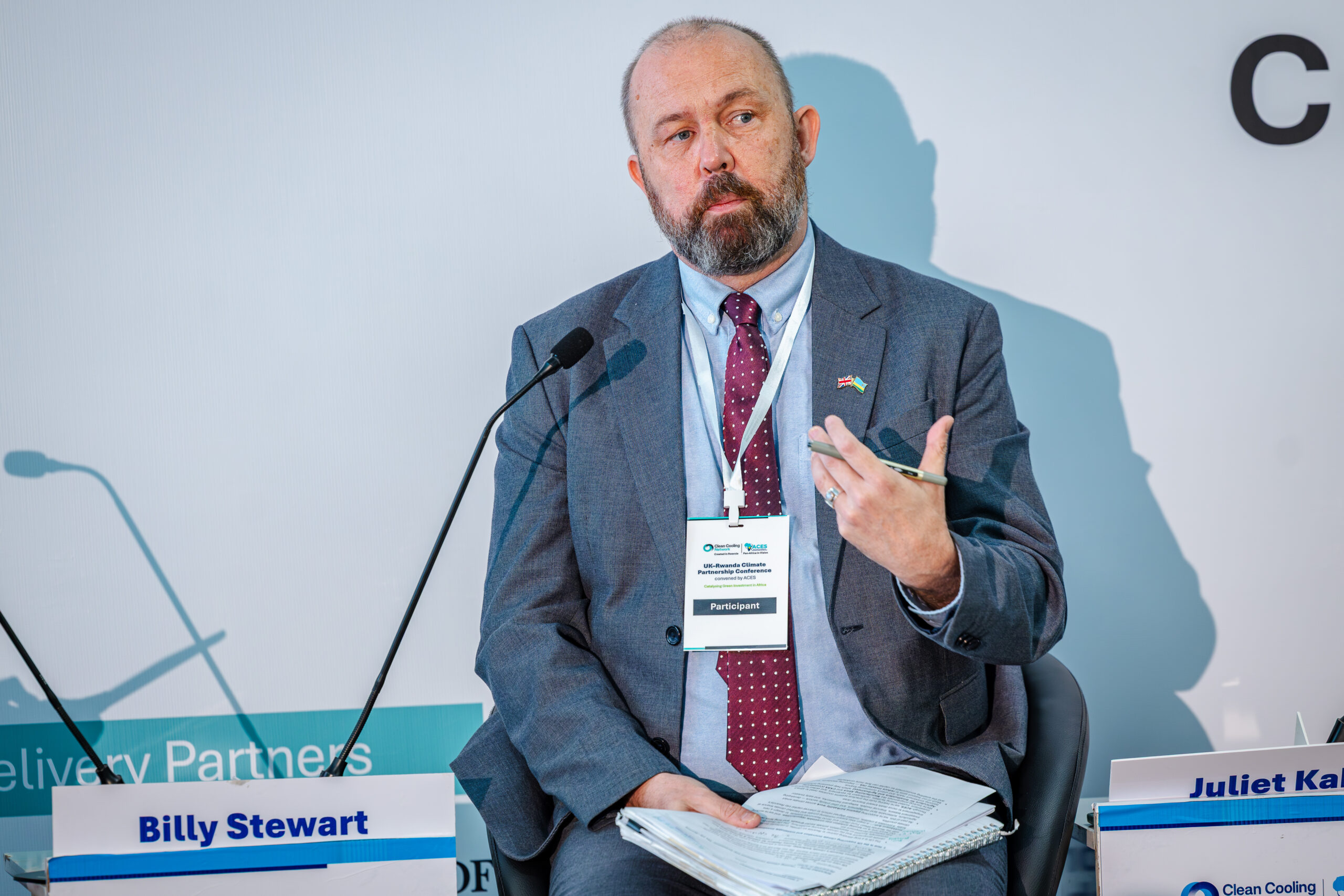
From a development partner perspective, Billy Stewart, Development Director, British High Commission Kigali pointed to a shift in the United Kingdom’s approach to climate financing, moving away from traditional aid models toward partnerships that focus on systems and long-term impact.
“We are moving from simply putting money at a problem to working in partnership and building the ecosystem for financing,” he said, stressing that investor confidence depends on strong institutions, clear regulations, and innovative financing models.
Caroline Raes, Country Representative of the Global Green Growth Institute in Rwanda, highlighted what makes climate projects attractive to investors, pointing to both impact and financial viability.
“At the end of the day, what investors are looking for is strong financial fundamentals. Can we make money with this project?” she said, adding that climate projects must also demonstrate measurable impact, manage risks, and show potential for scalability.
At the financial sector level, Juliet Ingabire, Chief Risk Officer at the Development Bank of Rwanda (BRD), acknowledged that profitability remains a primary consideration, but noted a growing shift toward impact-driven financing.

“As a financial institution, the first thing you think about is, will I get a return on my investment?” she said, while emphasizing that climate finance also requires a focus on “adaptation and mitigation impacts.” Juliet Ingabire said.
She added that building technical capacity within financial institutions and the private sector is critical to successfully deliver green infrastructure projects.

Dalie Marie Dukuze, Program Design Manager at the Rwanda Green Fund, highlighted efforts to shift from isolated projects to scalable investment programmes. She said the focus is on building a pipeline of bankable projects capable of attracting both public and private capital.
“It goes beyond identifying ideas. It involves turning concepts into projects which are economically, technically, and financially viable,” she said.
She pointed to initiatives such as Ireme Invest as key platforms supporting project preparation and mobilizing climate finance at scale.

Discussions also highlighted the urgency of accelerating climate investment, with participants highlighting the need to balance speed with strong systems and safeguards.
“While Rwanda has made significant progress in building policy and institutional frameworks, scaling up bankable projects and strengthening financial innovation will be critical to unlocking climate finance at the pace required.” Said panelists.
The discussion forms part of broader efforts under the UK–Rwanda Climate Partnership to position Rwanda as a regional hub for green investment and climate innovation.

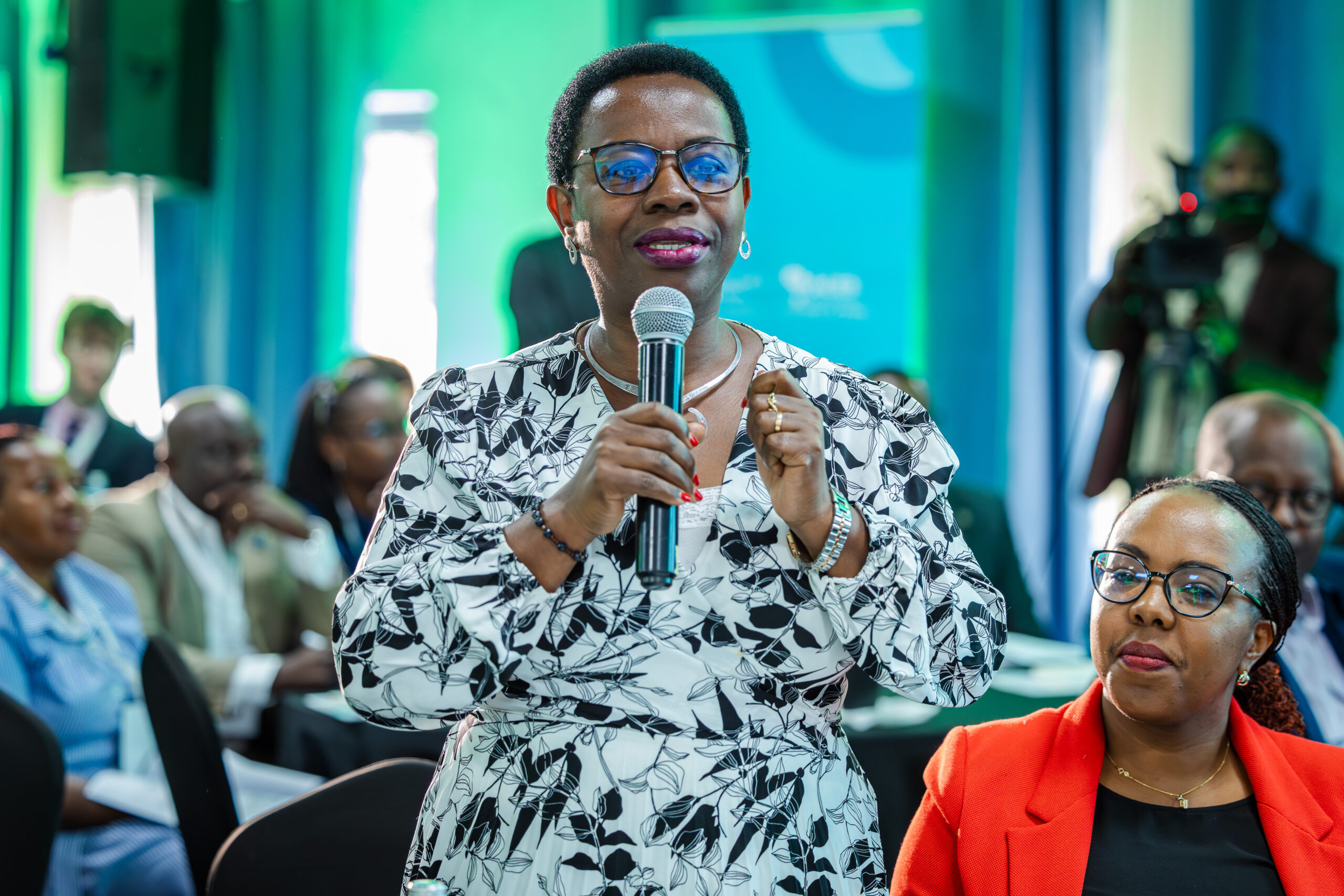 A participant asks a question during the panel discussion on climate investment.
 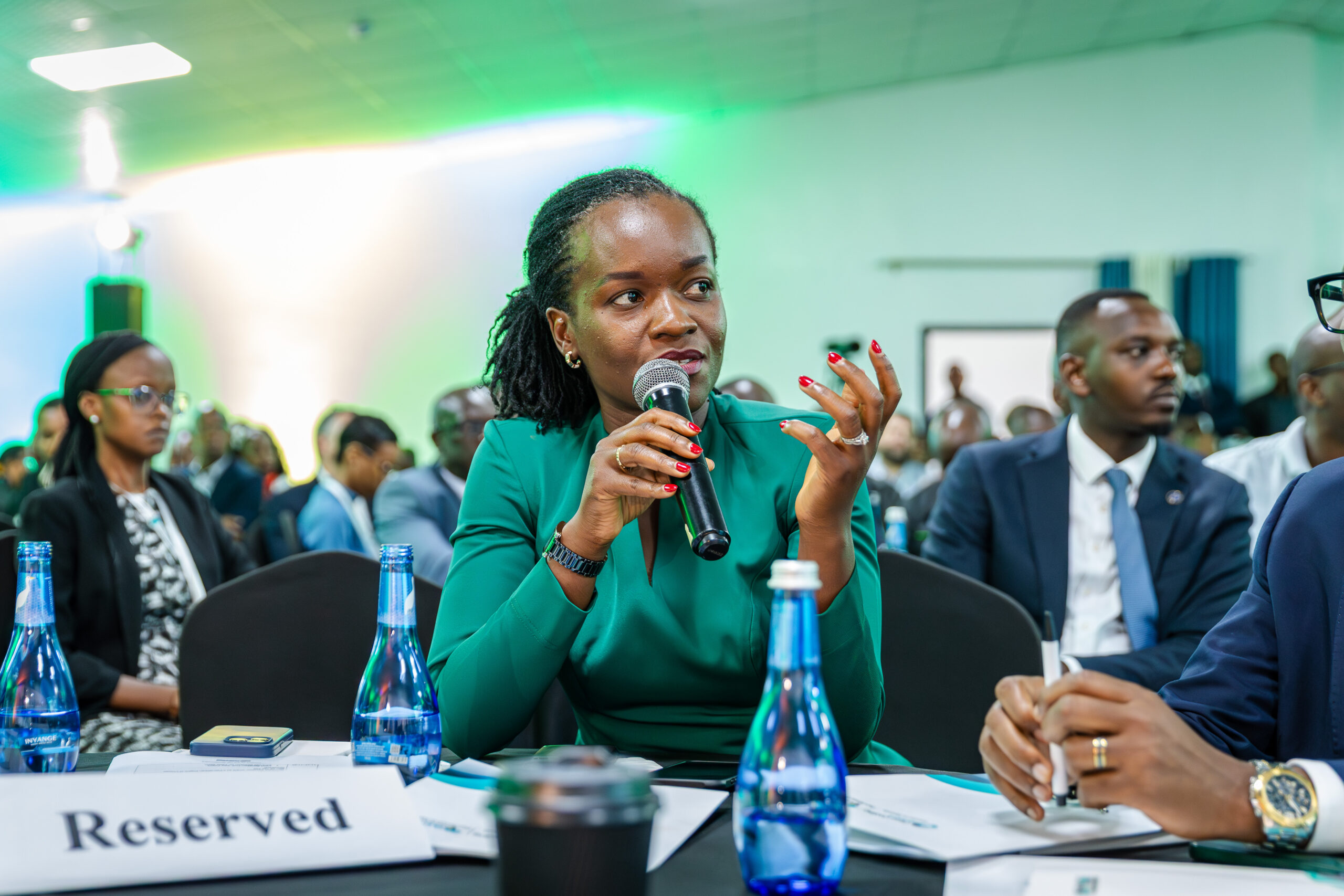 Minister Bernadette Arakwiye participates in the session, asking a question after the panel opened the floor to attendees.

theinspirerpublications@gmail.com




Leave a Reply