

Rwanda: Malaria cases declined by around 10 times in 7 years
By Elias Hakizimana
Rwanda’s efforts to eradicate malaria by 2030 are showing promising results, according to the Rwanda Biomedical Centre (RBC). A week-long campaign has been initiated to assess progress and best practices across the country, involving evaluations of citizen engagement in malaria prevention.
Notable achievements include a significant reduction in new malaria infections, dropping from 5 million patients in 2016 to 621,465 in the fiscal year 2022-23. Severe malaria cases also decreased from 17,941 in 2016 to 1,316 in 2022-2023, with a decline in deaths from 663 to 51 cases during the same period.
Dr. Jean Louis Ndikumana Mangara, Director of the Malaria Prevention Unit at RBC, highlights the progress made in preventing the disease.
“The campaign extends to communities, focusing on areas prone to malaria and difficult-to-reach locations such as military camps and schools. A research initiative conducted in July 2023 in the Western and Northern Provinces indicates positive progress.” Dr. Ndikumana says.
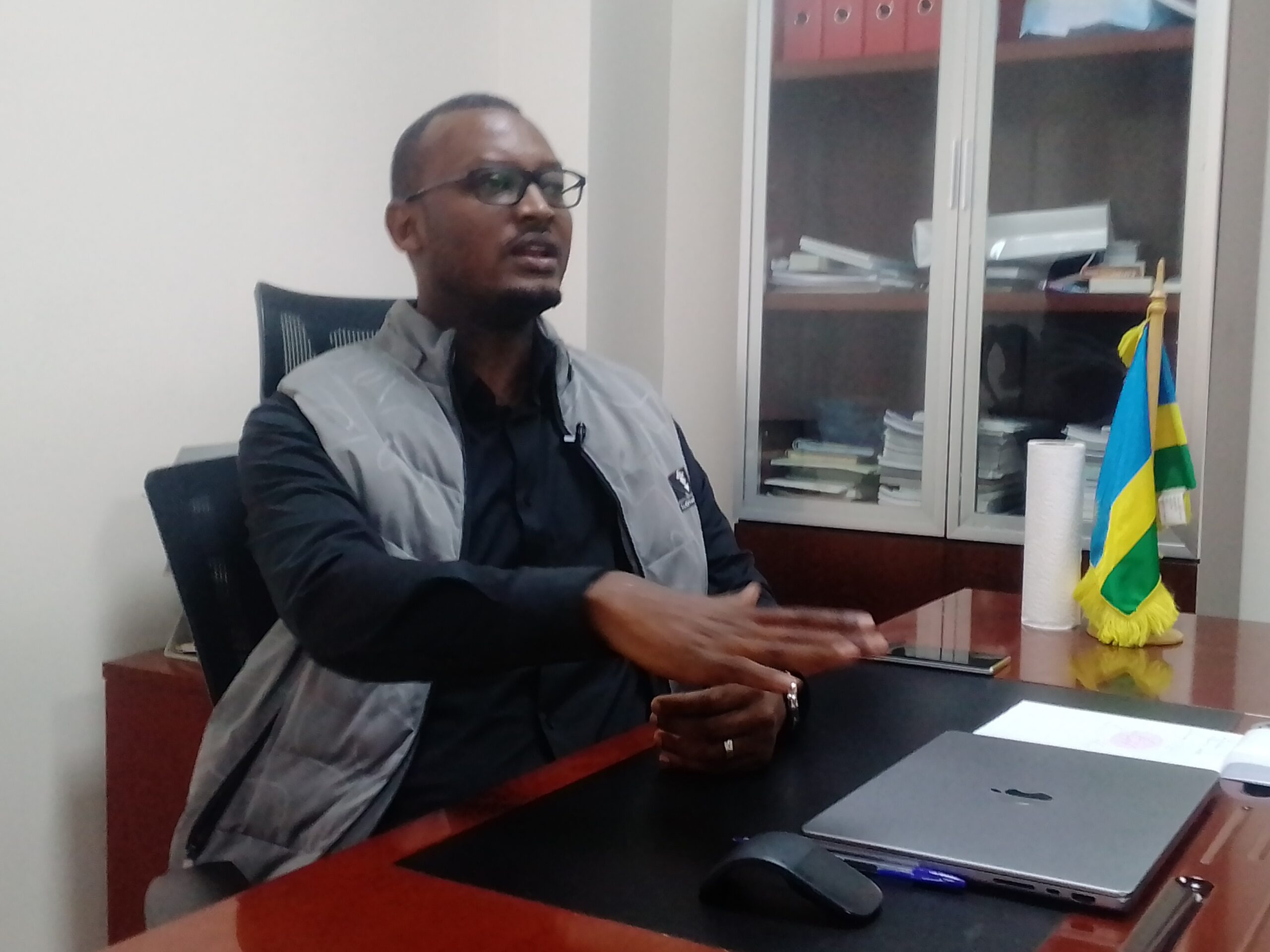
“The assessment involves interviews with citizens to gauge their knowledge and practices related to malaria prevention. RBC healthcare providers also conduct scientific evaluations by testing blood samples for malaria cases. The ongoing research covers 15 districts, with emphasis on the 12 districts most susceptible to infection.” Dr. Ndikumana adds.
Collaborative Efforts and Awareness
RBC collaborates with other government bodies, including the Rwanda Agriculture and Animal Resources Board (RAB) and Rwanda Standards Board (RSB), to enhance the efficacy of pesticides used to spray mosquitoes’ hiding places.
Additionally, efforts are made to dispel misconceptions about the spread of malaria, emphasizing that it is transmitted by Anopheline mosquitoes carrying the plasmodium parasite, not through sugarcane consumption, humidity, or living near marshlands.
Citizens actively participate in malaria prevention, adopting best practices to maintain cleanliness and reduce mosquito breeding grounds. Examples include cutting bushes around houses, ensuring proper hygiene inside homes and toilets, and using bed nets to prevent mosquito bites.
Citizens’ involvement
Djalia Umutoniwase, a resident of Muhoza sector in Musanze district, shares her successful experience in preventing malaria over the past five years. She attributes her malaria-free status to the implementation of best practices focused on improving cleanliness in and around her home.
Umutoniwase emphasizes the key measures she and her community take to prevent malaria.
“We ensure cleanliness by cutting bushes surrounding our houses. This practice reduces potential mosquito breeding grounds, as mosquitoes often lay their eggs in stagnant water found in such areas. We also prioritize hygiene within our homes, including proper sanitation practices.
Umutoniwase highlights the use of mosquito nets as a crucial preventive measure.
Sleeping under a mosquito net, often referred to as a “super net,” helps protect individuals from mosquito bites during the night when the risk of malaria transmission is higher.
These practices collectively contribute to creating an environment that is less conducive to the breeding and spread of malaria-carrying mosquitoes. Umutoniwase’s commitment to these preventive measures reflects the awareness and proactive approach of individuals in the community to combat malaria and contribute to the overall efforts to eradicate the disease in Rwanda.
Ladislas Ntabareshya, a 65-year-old resident of Cyuve sector, echoes the importance of community involvement and a change in mindset in the collective effort to eradicate malaria. He emphasizes that citizens take ownership of best practices starting from their households to combat mosquitoes, contributing to a significant reduction in malaria cases in the area.

“Our community engages in proactive measures such as cutting bushes around households and emptying stagnant water in the neighborhood. These actions target mosquito breeding sites, reducing the mosquito population and, consequently, the risk of malaria transmission.” Ntabareshya says.
He adds that as a result of these concerted efforts, the number of malaria cases in their area has decreased significantly compared to previous years, and, this underscores the effectiveness of community-driven initiatives in combating the disease.
The commitment of individuals like Djalia Umutoniwase and Ladislas Ntabareshya reflects a collective effort to combat malaria at the community level. Such community engagement, coupled with governmental initiatives, positions Rwanda as a leading example in the fight against malaria in Africa.
Global Recognition
Rwanda’s comprehensive approach to malaria response has earned recognition from the World Health Organization (WHO). In the World Malaria Report 2022, Rwanda was highlighted as one of only eight African countries on track to achieve the WHO Global Technical Strategy for Malaria 2026-2030’s target for reducing malaria incidence.
theinspirerpublications@gmail.com




Leave a Reply