
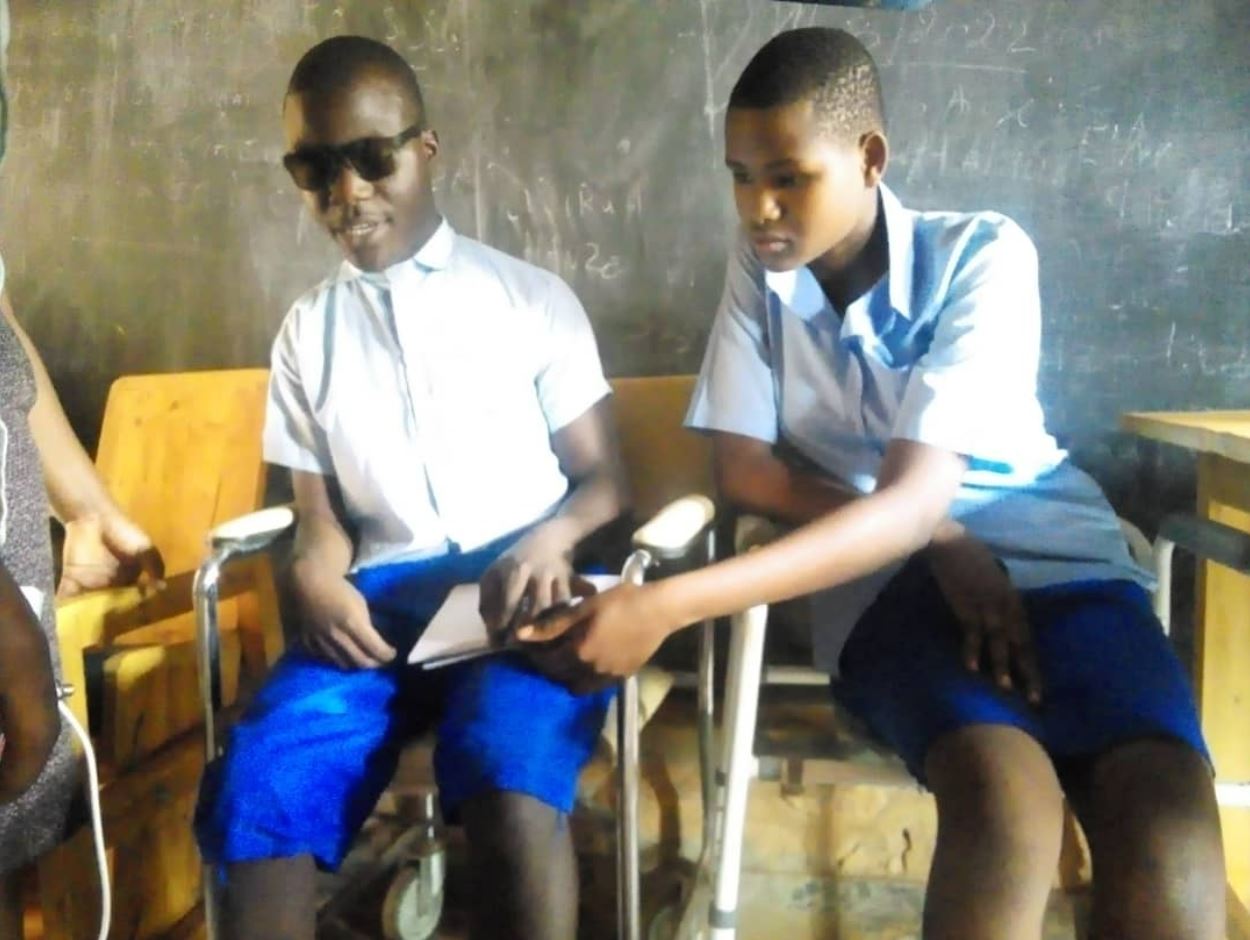
Rwanda: Inclusive schools could retrieve hope among children with disabilities
By Elias Hakizimana.
In recent years, it could be hard to defend how disability is not inability due to unchangeable mindset of Rwandan communities that a child born with disability is a punishment of God.
Children born with such health conditions used to be hidden and deprived of almost the basic human rights such as right to education, healthcare and other fundamental human rights, which in return affect their maturity life and other rights such as rights to public opinion.
An educated child however, can express his/her ability to perform anything because he/she is given an opportunity and equal rights to explore outside home environment.
As the history changes, Rwandan children with disabilities can now enjoy inclusive rights, from inclusive education to inclusive employment and governance.
The goal 16 of the Sustainable Development Goals (SDGs) embarks on promoting peaceful and inclusive societies for sustainable development, provide access to justice for all and build effective, accountable and inclusive institutions at all levels. This cannot be fully achieved without giving equal rights to all children to study.
Some Testimonies gathered by The Inspirer earlier this week in Nyarugenge District, Mageragere sector highlight the best practices of Burema Inclusive school under the support of the National Union of Disability Organizations in Rwanda (NUDOR).
The school has 3,297 students including 96 children with disabilities.
Emmanuel Ishimwe, 19 years old is one of the children who studies at Burema Inclusive School, the young boy has vision impairment and was trained on Braille, a written language for blind people in which characters are represented by patterns of raised dots that are felt with the fingertips.
 Emmanuel Ishimwe.
Besides blindness, Ishimwe has physical and mental disabilities, he has leg and arm impairments, but he performs in class.
“I am now happy because I know braille, before, people could have problems with me because of communication barrier, during examinations, my teacher reads for me and I respond orally, he can also write for me when I say the answer,” Ishimwe says.
Some challenges that can sometimes stop him from studying well is when the braille papers are exhausted and lack of a teacher who knows braille language.
Ishimwe was helped by NUDOR to go to learn braille at one school that has special needs education programs. “I started from this school from p1 to p3, then I joined another school from p1 to p4 to learn braille and I came back here to resume studies with other children from p3, I am now in p6, and I will pass national examinations,” he says.

Parent testimony
Jean Paul Sekamana, one of the parents whose children study at Burema Inclusive School says her 13 years old daughter who has leg disability was helped by NUDOR to study and to access healthcare since she was 4 years old.
“It started smaller but as she drew up, the gravity of the leg problem increased, my wife decided to abandon me because of our daughter, NUDOR helped me to take her for surgery and to follow up on her education and healthcare, she likes studying,” Sekamana says.
Hope Gakumba Gikwerere, Headteacher of Burema Inclusive School says that there is nothing expensive to make any school inclusive.
“We ensure accessibility to the school premises and inclusive infrastructures such as toilets, blackboards, chairs and tables plus teacher training on special needs education, all schools can be inclusive without incurring budget,” Gikwerere says, commending NUDOR for the support rendered in this journey.
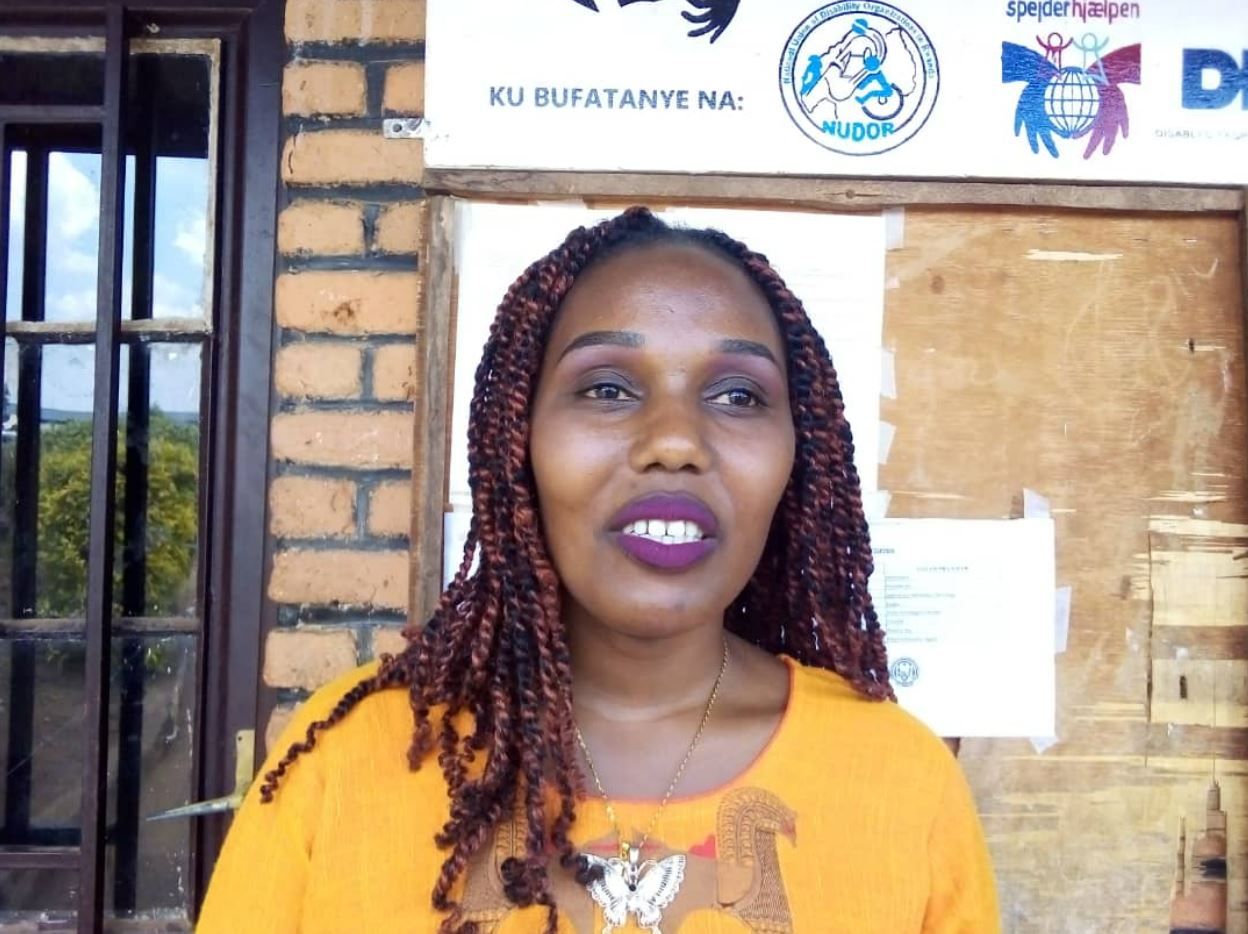
Jean Paul Sekarema, NUDOR Official in charge of Child Empowerment appreciates the journey of inclusive education and lauds the efforts by the Government of Rwanda to foster inclusive education policy.
He calls up on parents and to community to not deprive children with disabilities of their rights to study.
“Parents and service providers need to change mindset, despite the increase of inclusive schools in the country, children with disabilities who are in schools are still few,” Karema says.
According to Richard Kananga, Coordinator of the National Council for Persons with Disabilities (NCPD) in Nyarugenge District, over 350 children with disabilities in only Mageragere sector have been identified and the district work with different partners to support them.
theinspirerpublications@gmail.com


Leave a Reply