

How TESF Network transforms lives through new knowledge generation
By Elias Hakizimana.
A number of communities in Rwanda who could face challenges during their journey of life transformation can now smile, thanks to the interventions by the Transforming Education Systems for Sustainable Futures (TESF) network.
The network was initiated and implemented by the University of Rwanda in partnership with Bristol University and other research institutions since November 2019.
TESF is an international network of academicians and practitioners that examine the role of education in creating sustainable futures.
14 research projects in Rwanda were funded through TESF and have produced their final deliverables.
During a session of sharing experiences, findings, challenges and reflections from different projects that were conducted by the TESF-Rwanda project teams on July 12, 2023, in Kigali, The Inspirer gathered various testimonies.
Berthland Mbarushimana, one of the project partners was assisted to improve activities with his team whom they share activities in a cooperative.

“They trained us on ICT use that helped in our cooperative activities, during the project, they gave us smart phones and computers, we have enough capacity of using internet and ICT gadgets, the project transformed our lives,” Mbarushimana says.
Dianne Mushimiyimana, another beneficiary says that they were given smart phones, sewing machines and other facilities.
Mushimiyimana was identified among other girls who dropped out of school at their early age. “I can now make own clothes and for others, I can also use internet to market what I do because I was trained on ICT use,” she says.
Scovia Umutoni, another beneficiary narrates how the project helped them in the journey of economic development through education and ICT literacy.
“They first assessed our capacity in terms of ICT literacy, they trained us and we managed to use ICT, we manage to link our products with new models and styles of clothes as well as in creating innovations,” Umutoni says.
During the last 12 months, TESF project has impacted over 1,000 people from all the corners of the country.
The project also helped to re-establish peace and economic development among the families that lived in conflicts.
“Before this project, I used to beat my wife and send her to stay outside with children at night, we got training on good relationship and to apologize, our household was among the families that lived in conflicts, now it is among the families that live in peace,” says Emmanuel Nizeyimana, a beneficiary from Musanze sector in Musanze district.
His wife, Gaudence Uwamahoro reiterates the results from the projects as a wife who used to suffer from family conflicts, including physical assaults.
“I used to beaten every Monday and Thursday, sometimes I could be beaten from the street, as since HAGURUKA RWA78 project with University of Rwanda and Bristol University came in, they trained us on conflict resolution, we used a tree as an example, to uproot it from the roots, they educated us on good family relationships, my husband started to change, to discuss and cater for family needs,” Uwamahoro says.
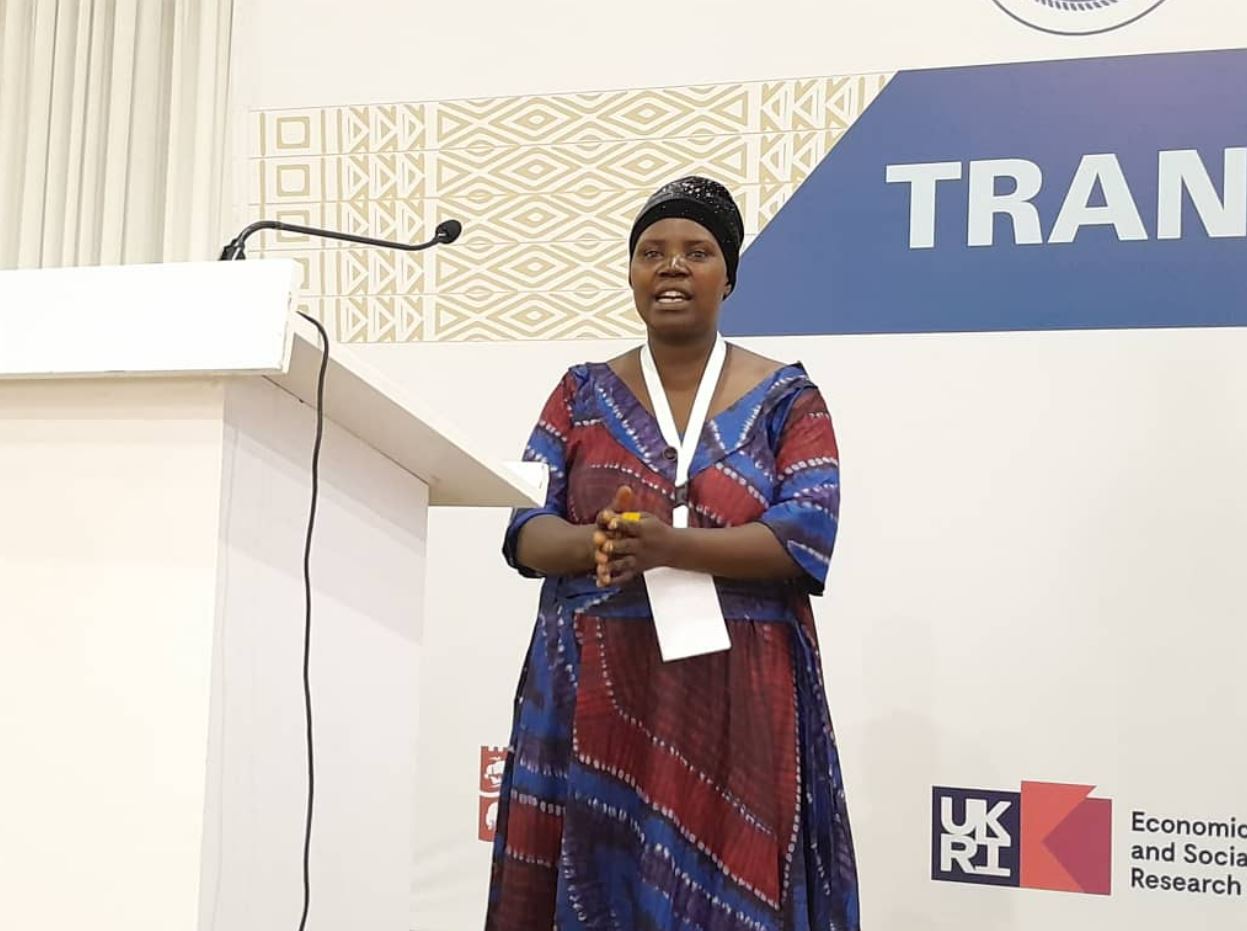
Dr. Beth Mukarwego Onesphor, who was representing the team of deafblind persons under the National Union for Disability Organizations (NUDOR), says their project was to assess life conditions of deafblind children in Gicumbi, Rusizi and Bugesera districts.
“Many of these children are deafblind, they were trained on tactile sign language, they were also reintegrated into their families and were given small cattle including goats and rabbits, plus training to cater for these animals, to feed them glass and water so that they feel involved,” Mukarwego says.
Justine Mirembe, a researcher who was leading the team of other researchers in TESF network says they aimed to build capacity of women to tackle Sexual Gender-Based Violence (SGBV), involving their husbands.
“We trained 20 families of 40 people, wives and husbands, in our action research/baseline, we identified their needs, most of women used to face physical assaults and SGBV, they could not have family talks and their children had dropped out, we trained them and we are today celebrating achievements,” Mirembe says.
Dr Michael Rwibasira, TESF network coordinator of the 14 projects who is a Lecturer at University of Rwanda says the projects impacted partners in Education, Research and Community engagement.
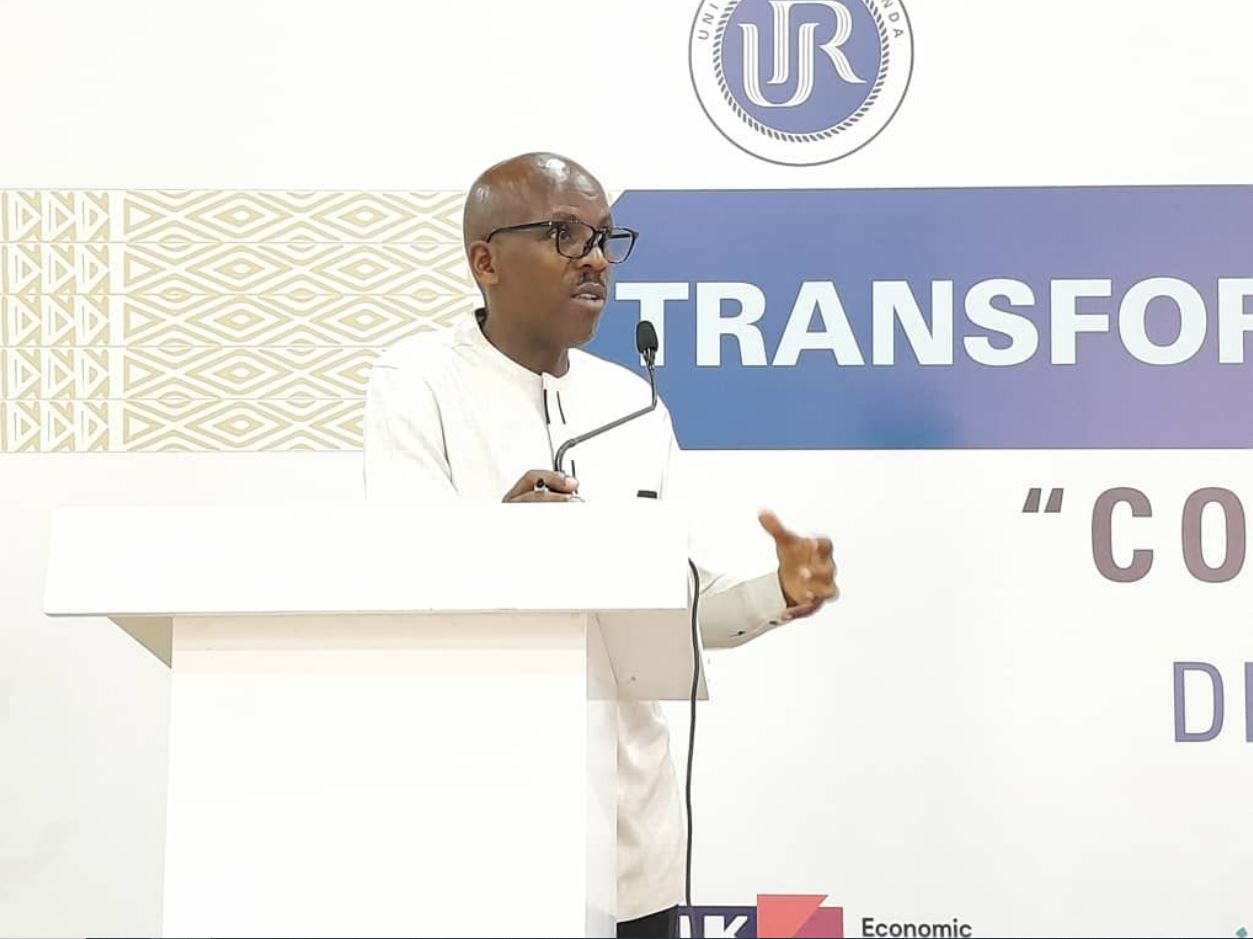
“They planted fruit trees at schools to supplement school feeding, we trained children on good values and they were educated about their role in achieving Sustainable Development Goals (SDGs). An example of Karangazi project in Nyagatare district, some girls who had dropped out due to early pregnancies were helped to join Vocational Education such as sewing and they were given smart phones plus digital literacy skills,” Rwibasira says.
theinspirerpublications@gmail.com




Leave a Reply