

Rwanda CSOs urged to use Public Interest Litigation (PIL) to advance SRHR
By Elias Hakizimana.
KIGALI, September 30, 2026 — Civil society organisations (CSOs) in Rwanda have been urged to use public interest litigation (PIL) to address sexual and reproductive health and rights (SRHR) challenges affecting wider communities, particularly when dialogue and advocacy efforts fail to resolve them.
The call was made on Wednesday during a three-day training workshop on the role of public interest litigation in advancing SRHR in Rwanda, taking place in Kigali from September 30 to October 2, 2026.
The training, organised by the Great Lakes Initiative for Human Rights and Development (GLIHD), brings together civil society actors and other stakeholders to strengthen their knowledge and practical skills in using litigation to protect rights and contribute to legal and policy change.
Opening the training, GLIHD Executive Director Vestine Umulisa said the workshop was an opportunity to strengthen participants’ capacity to use litigation strategically in SRHR-related cases.

She also thanked Health Development Initiative (HDI) for supporting the training in collaboration with the Swedish International Development Cooperation Agency (SIDA).
The training is being facilitated by Meitre Faustin Bagabo, a lawyer and lecturer at the School of Law at the University of Rwanda.
Bagabo said CSOs should assess whether an issue affects a wider group of people before deciding to pursue it through strategic litigation.
“The simple way to identify a strategic case for public interest litigation is to make sure that case has public interest. It affects many people, the community or a bigger number of the state’s citizens,” Bagabo said.
He said litigation is one of the advocacy options available when other approaches have failed to produce results.
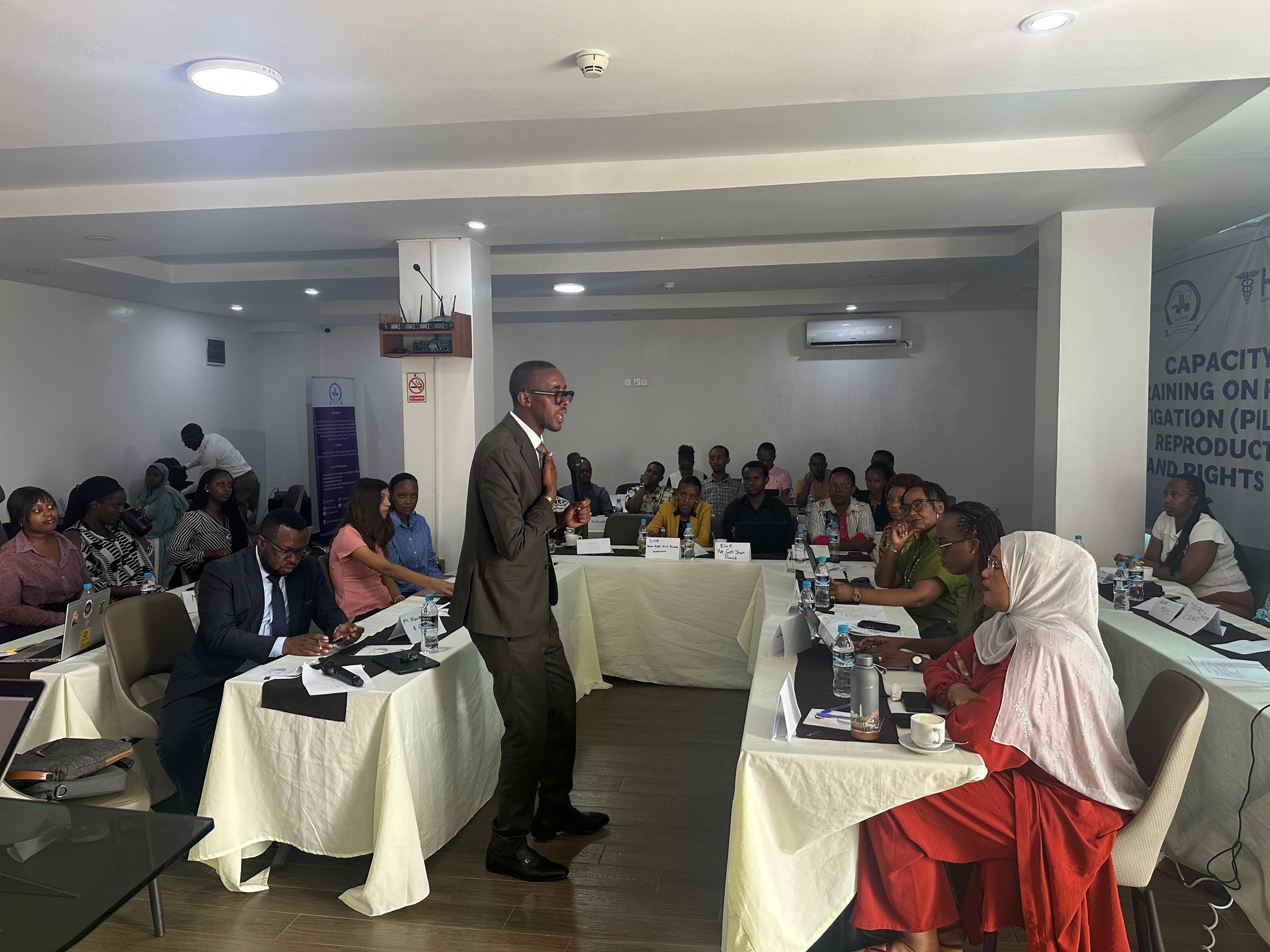
The training is examining how PIL can protect marginalised groups, clarify the interpretation of laws, challenge unlawful or discriminatory policies and practices, strengthen accountability and contribute to legal and policy reform.
Participants are also discussing challenges associated with litigation, including the costs of research, evidence collection and preparation of reports required in court proceedings.
“Doing research, getting evidence, collecting evidence, doing some reports that can be presented before the court require you to invest,” Bagabo said.
He also highlighted limited awareness and expertise in strategic litigation as another challenge.
The workshop examined international examples, including India’s Hussainara Khatoon case, which addressed prolonged detention of undertrial prisoners.
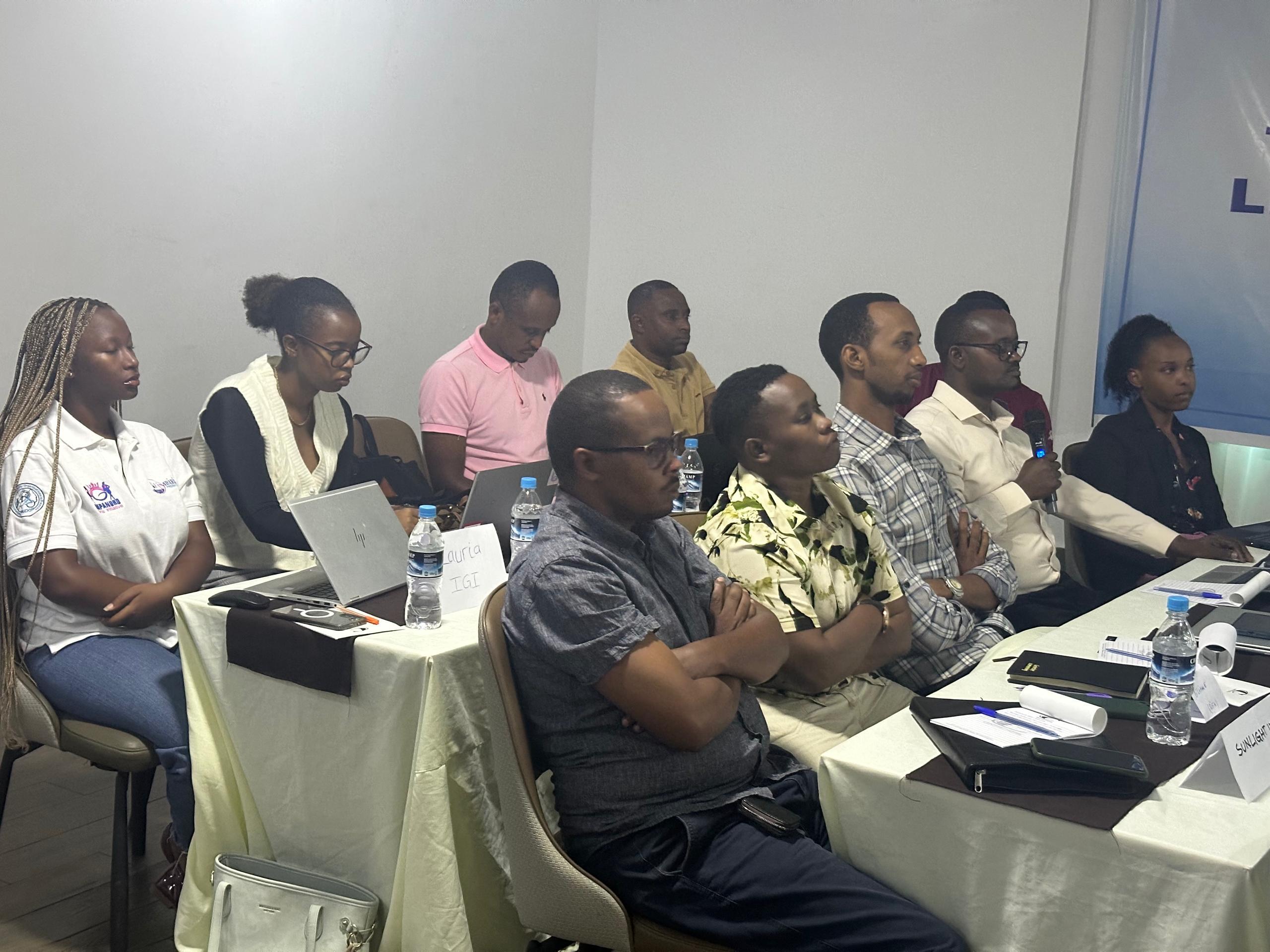
For Rwanda, Bagabo highlighted the Re-Mujisha case as an important development in public interest litigation, saying it strengthened the possibility of pursuing public interest cases without necessarily demonstrating a personal interest in the matter.
“Re-Mujisha has contributed a lot to strengthen the issue of public interest, because before that case, it was not easy for someone to file a case without proving his personal interest. But this case has taken away that condition,” he said.
The training is also covering requirements for preparing public interest petitions, including demonstrating the public interest involved, providing evidence and expert analysis, showing efforts to resolve the issue through other avenues and explaining the consequences of inaction.
Igihozo Yassina, of the Rwanda NGOs Forum on HIV/AIDS and Health Promotion (RNGOF on HIV/AIDS & HP), said the training would help strengthen advocacy around SRHR.
“We are here to learn about sexual reproductive health rights and legal frameworks on how we can submit legal cases in this regard. We expect increased advocacy which is more informed,” she said.

Marie Ange Ishimwe, a human rights advocate from Thriving Inclusive Community Organization, said she hoped to gain practical knowledge on identifying SRHR cases with wider public interest and developing them into strategic litigation cases.
She said such knowledge would strengthen her organisation’s advocacy and documentation work, particularly when people face barriers to accessing their sexual and reproductive health rights.
Ishimwe identified limited awareness of rights and legal remedies, fear of stigma and discrimination, confidentiality concerns, lack of financial resources and limited legal support as some of the barriers people face when seeking justice.
She also pointed to gaps between protections provided under laws and policies and their implementation in practice.

Ishimwe said stronger collaboration among CSOs, lawyers and affected communities could help identify cases that reveal broader systemic problems.
“CSOs are often close to affected communities and can help identify cases, document experiences, provide referrals, and support advocacy. Lawyers can provide legal advice, assess potential legal remedies, and help develop strategic cases,” she said.
The training continues until October 2, with participants expected to further develop practical skills in using public interest litigation to advance SRHR in Rwanda.
theinspirerpublications@gmail.com


Leave a Reply