
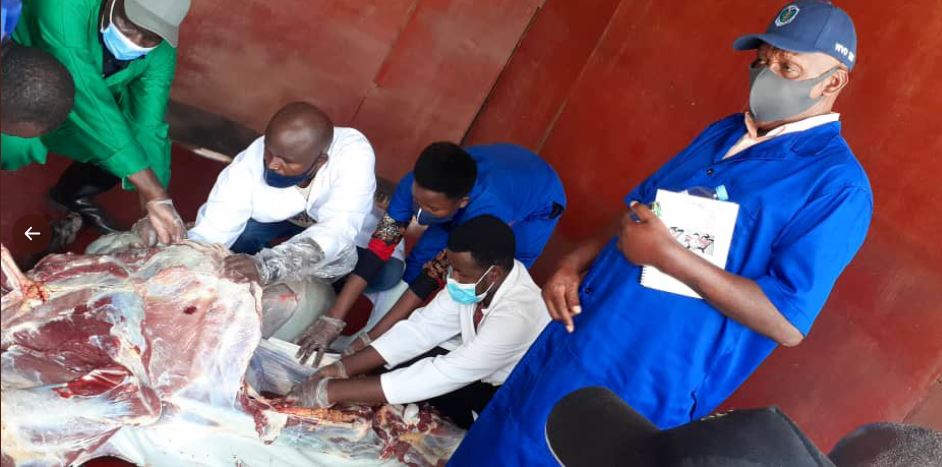
Private Veterinary doctors concluded training in post-mortem practical courses
By Elias Hakizimana.
Private veterinary doctors concluded a practical training on Post-mortem on May 4, 2021 in Kigali, at Mulindi Agrishow ground. the initiative will respond to the existing shortage of private vet doctors who have skills in this regard.
A post-mortem examination, also known as an autopsy, is the examination of a body after death. The aim of a post-mortem is to determine the cause of death. Post-mortems are carried out by pathologists (doctors who specialise in understanding the nature and causes of disease).
The training was an effort by Rwanda Council for Veterinary Doctors (RCVD) in Partnership with the Ministry of Agriculture and Animal Resources through Rwanda Agriculture and Animal Resources Board (RAB) and the National Agriculture Insurance Scheme (NAES).
The 2 days refresher course of vets doctors in post mortem techniques and disease diagnosis was achieved to ensure quality service to farmers and insurance companies as well.
Dr Fabrice NDAYISENGA, Head of Department Animal Resources Research and Technology Transfer in Rwanda Agriculture and Animal Resources Board said that they will keep training more private Vets doctors to ensure there is enough of them delivering post mortem services to farmers for animal insurance target.
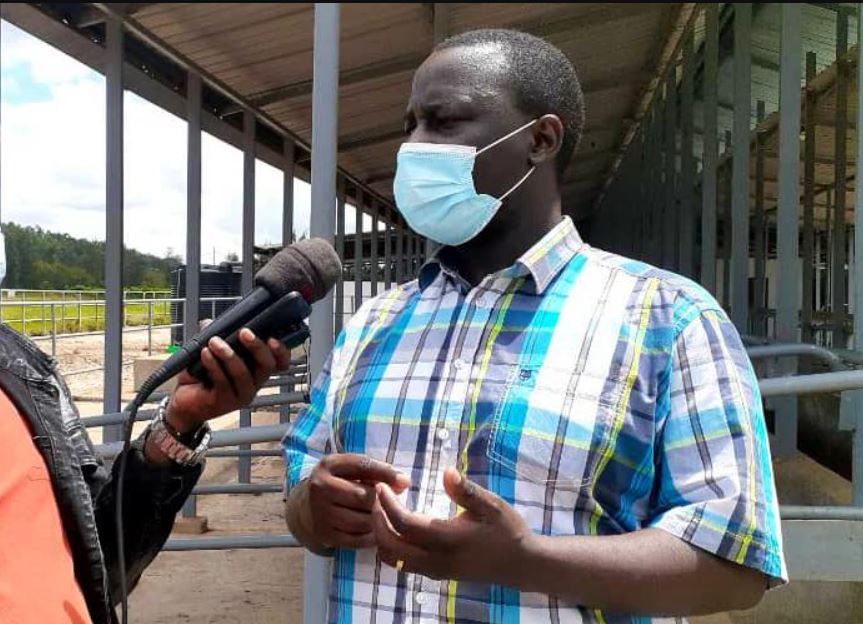
Ndayisenga highlighted the contribution of Goverment to support private vets doctors in increasing their capacity to ensure if there is enough of them delivering post mortem services to farmers to help them get timely compensation.
Dr Charles Nkuranga, RCVD board member and chairperson of vets doctors in Eastern Province said that the initiative is in line with the government’s programme to put animal health into health insurance.
“We are increasing skills for current vets doctors especially self-employed ones in the private sector to be able to conduct a successful post-mortem and prove what killed livestock, they later draft good report to the insurance company to help them know if the death was an accident or poor attention of a farmer.” Dr Nkuranga noted.
Dr Patience BATESI, one of the trainees said that the training leaves them with a significant package of knowledge on post-mortem.
“We used to do post-mortem for various dead livestock such as cows, pigs and hens but with limited knowledge where we could only use a knife, now we have learnt that we must assess various parameters like feeding status of the livestock, farm environment, feeds store and more before we run a final post-mortem.” she said.


Leave a Reply