
Occupational Therapy Boosts Livelihoods and Mental Health Recovery in Mahama Refugee Camp
By The Inspirer.
Mahama Refugee Camp, Rwanda —Occupational therapy is proving to be a lifeline for refugees living with mental health conditions in Mahama Refugee Camp, helping individuals regain stability, dignity, and economic independence.
Sandra, 34, is one of many refugees whose life has been transformed by mental health and psychosocial support (MHPSS) programs. She arrived at Mahama in 2015 with her six children, fleeing conflict.
Like many others, she faced overwhelming trauma. The emergency situation triggered severe anxiety, post-traumatic stress disorder (PTSD), depression, and suicidal thoughts.
“I used to move aimlessly around the camp and wanted to commit suicide,” Sandra recalls. “I couldn’t care for my children or afford school kits, which led them to drop out of school. My husband also abandoned us.”
Sandra’s experience reflects the broader impact of mental health conditions in humanitarian settings—where stigma, discrimination, and poverty often compound the psychological toll.
In response, Save the Children Rwanda, in partnership with the Government of Rwanda, UNHCR, and the Bureau of Population, Refugees, and Migration, has implemented a robust MHPSS program.
The initiative includes psychotherapy, medication, and occupational therapy activities aimed at reintegrating people with mental health conditions into the community while tackling stigma and discrimination.
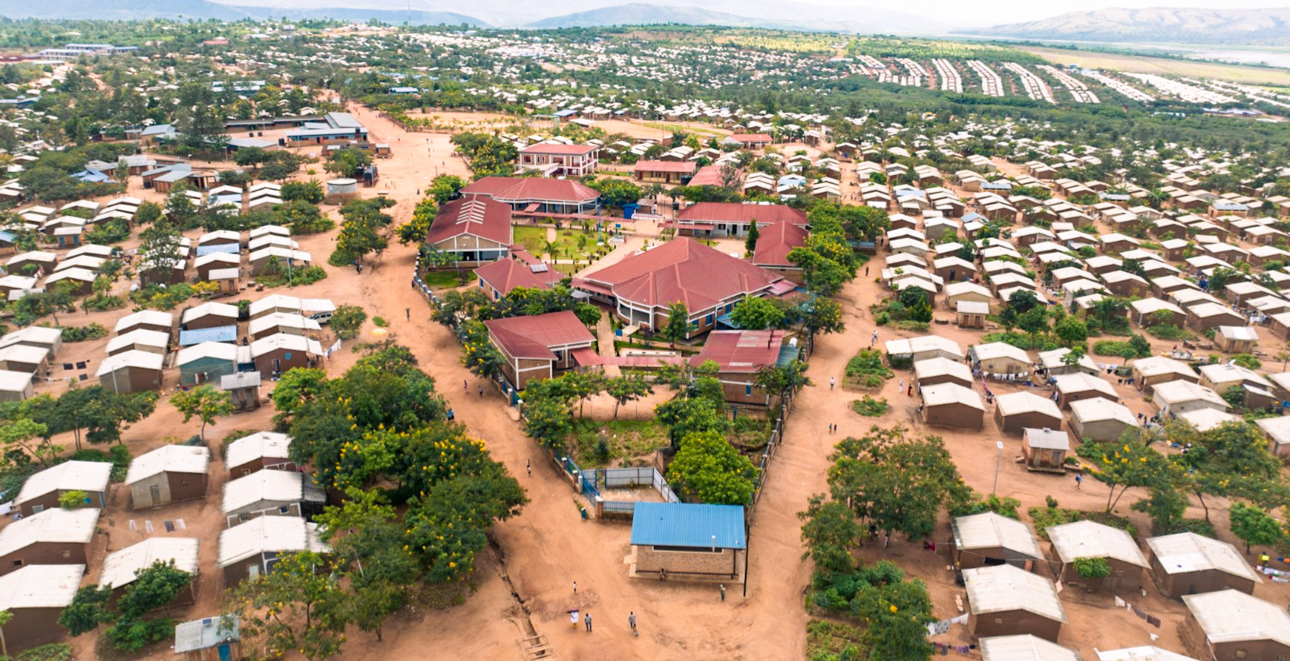
In 2023 alone, Save the Children supported 351 individuals in Mahama Camp facing mental health challenges.
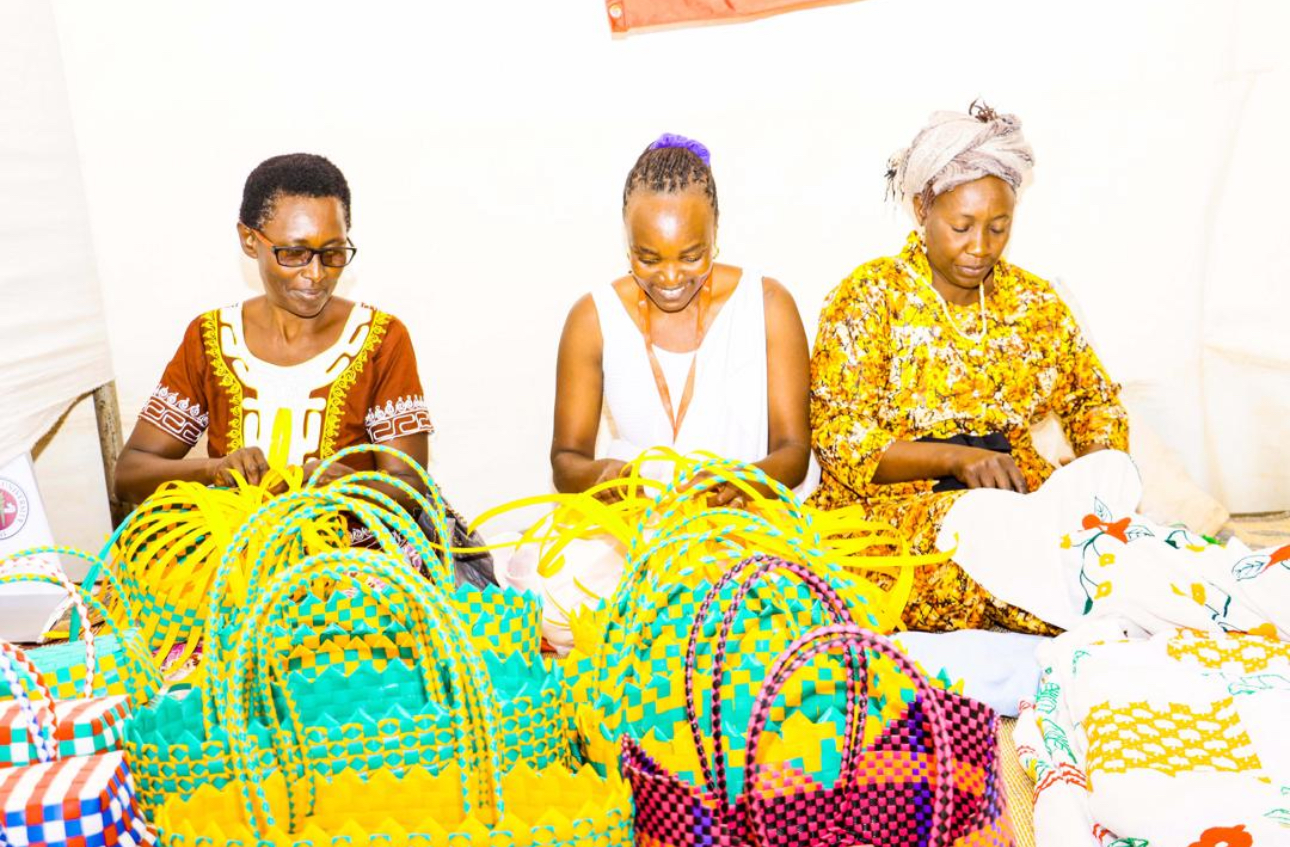
Sandra was enrolled in the Occupational Therapy Program in 2022. She began learning how to make handmade bags and other crafts. Alongside 39 others, she received training and materials. Of those enrolled, 37 completed the program and were successfully reintegrated into the community with improved mental health and skills.
Today, Sandra produces up to 40 handmade bags a month, earning around 42,000 Rwandan francs (approximately $40 USD). Her income enables her to buy school supplies and food for her children, allowing them to return to school and regain a sense of normalcy.
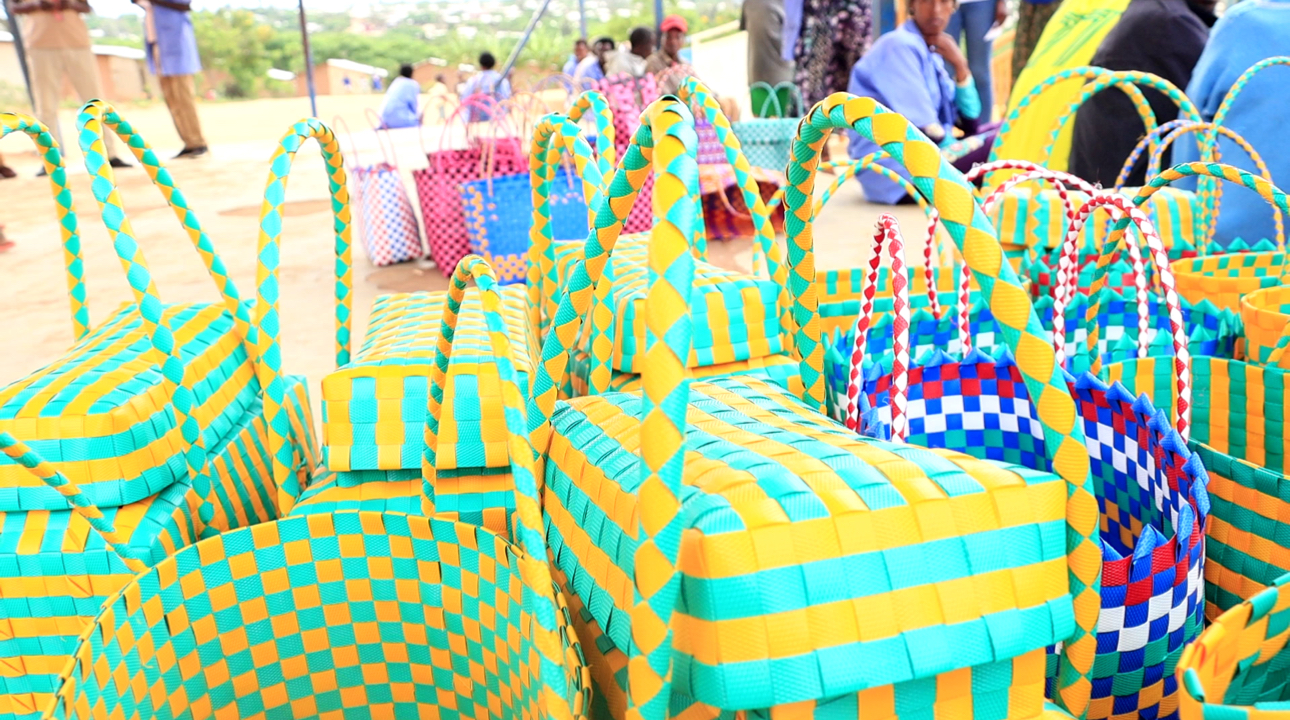
“I have improved my well-being. Now I can provide for my children’s basic needs, including school kits,” she says. “I’ve also taught my neighbors how to make handmade bags, which has helped me rebuild relationships and feel accepted again.”
According to the Rwanda Biomedical Centre, one in five Rwandans experiences a mental health condition. The Health Management Information System (HMIS) recorded 2,879 suicide attempts nationwide.
“Stigma remains one of the main reasons people avoid seeking mental health care,” says Dr Jean Damascene Iyamuremye, Director of Psychiatric Care at Rwanda Biomedical Centre. “Until communities treat mental health as a normal and urgent issue, many will continue to suffer in silence.”
Despite these efforts, humanitarian actors warn that funding shortages may limit the reach of such services. Many refugees and asylum seekers in need of mental health care may be left behind due to resource constraints.




Leave a Reply