

New approach to combat Air pollution in schools
By Xaverine Cyiza.
Scientists reveal a new strategy to deal with air pollution through school programs in Kigali City, under the Intergovernmental Hydrological Program (IHP) supported by the Rwanda National Commission for UNESCO in Rwanda (CNRU).
The IHP model implements the project dubbed: “Pollution Mitigation Strategies and Air Quality Digital Monitoring in TVET and Secondary Schools in Rwanda”, with the aim to raise awareness of atmospheric pollution mitigation strategies among the schools’ staffs and students; and to digitally monitor the indoor air quality at school community.
Gisa Murera, Coordinator of IHP program explains that the program is part of UNESCO’s long-term scientific initiatives to help students and school staff to get rid of air pollution through education and information availability.
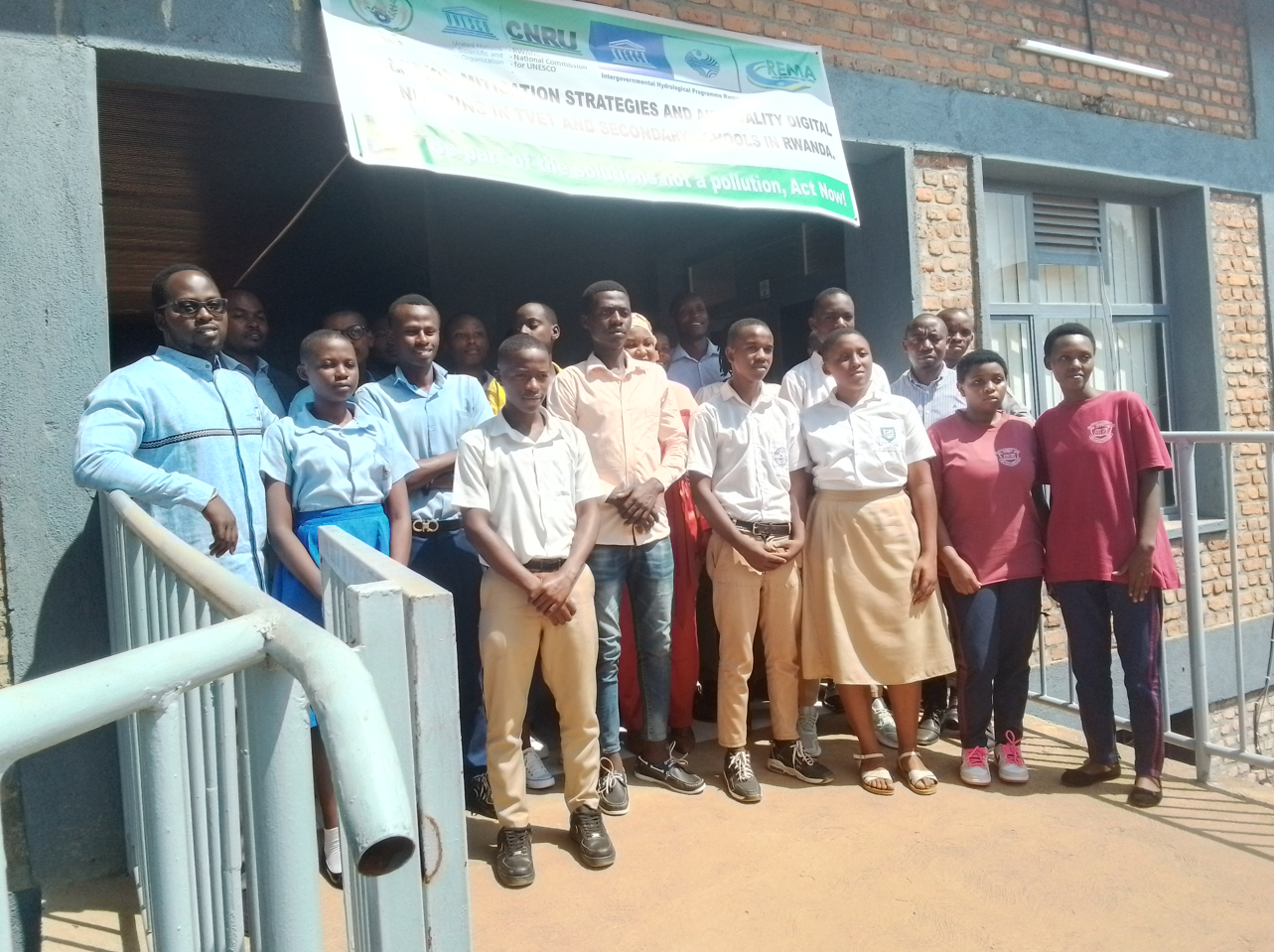
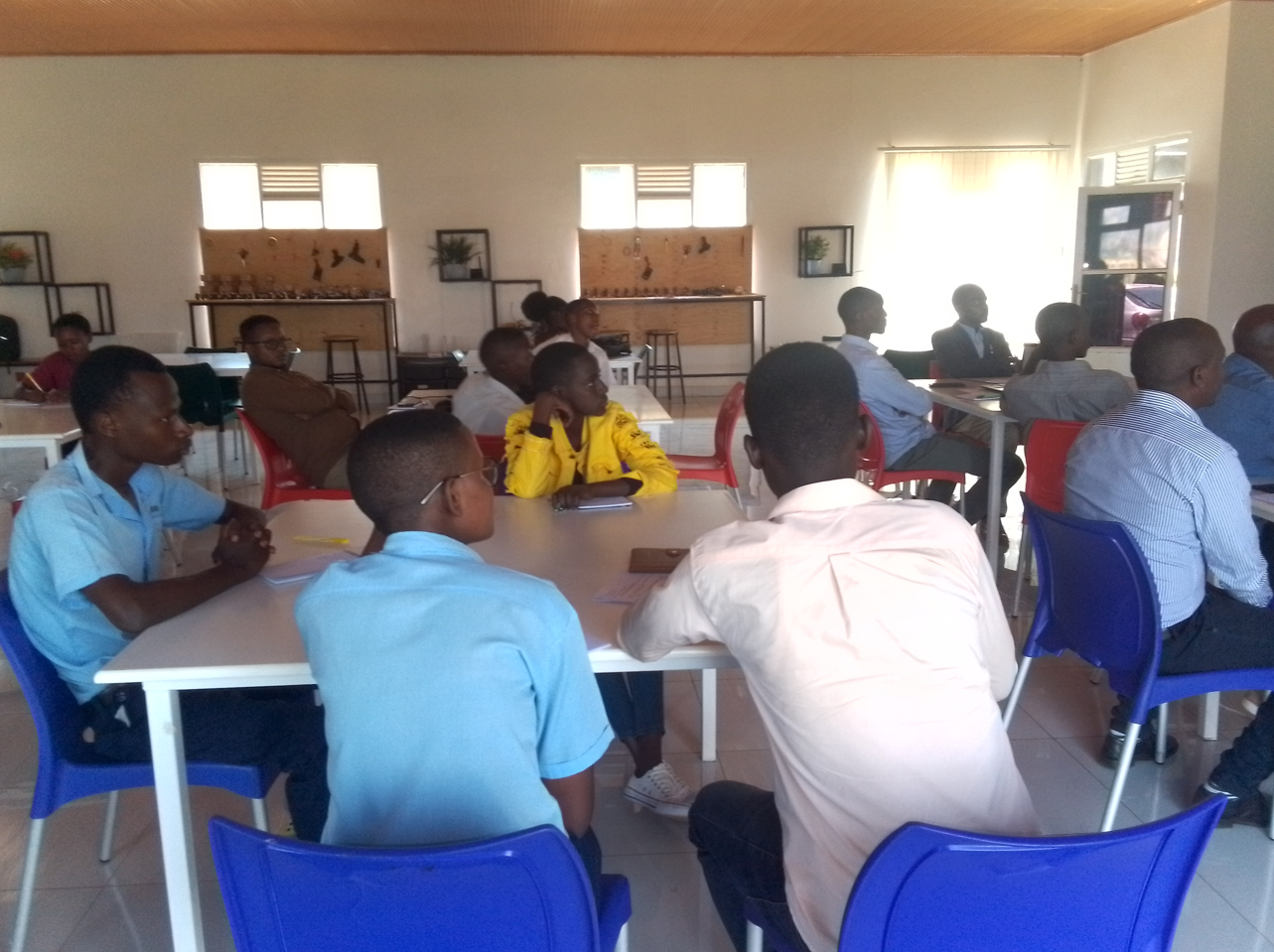
Murera was speaking to the media during a recent workshop that targeted secondary school students in Kigali.
At least 8 schools in Kigali are benefitting from the program and they were identified basing on their environment and location.
“We assess the impacts of air pollution, a student will take stringent measures to avoid exposure to air pollution as s/he knows its causes, the impacts and long-term consequences,” Murera says.
The phase one aims at raising awareness while the second phase is to measure the extent at which the school is exposed to air pollution, through digital monitoring air quality at school level.
“We shall install digital sensors at every school under the second phase, which will give us basic information to be able to warn them on air pollution prevention accordingly,” Murera adds.
The program used a systematic strategy to identify beneficiary schools. An example is one school that is near Nduba waste dumping site in Gasabo district that produces some quantity of air pollution.
“The air pollution reduces concentration of a student in class, we believe that when we get much funding, we can expand the project to more schools countrywide,” clarifies.
Matias Sindayigaya, Headteacher of G.S Imburabuturo in Kicukiro district says that the school used to be a neighbour to factories that could emit air pollutants and now is a neighbour to a playground, with much dust that can affect students’ respiration system.
The school accommodates 10,15 students. Sindayigaya says that they do not have capacity to control pollution.
“We use firewood fuel to cook for children, but in the near future, we will embrace other cooking fuel that are environmentally friendly, for the moment, we have other models to help students cope with the situation,” Sindayigaya adds.
Students speak out
Peace Safari, a student in Senior2 in G.S Imburabuturo says some air pollutants include dust, that mostly affects pedestrians.
“We can have flu or other respiratory complications as result of air pollutants from the vehicles, this training will enable us to control our behaviours at school in terms of preventing from the pollutants, we can for instance wear the face masks as a mitigating solution,” Safari says.
Aime Patrick Uwayo, a Senior 5 student at G.S Rugando gives a reason to wear a face mask when going or coming to school.
“Sometimes we pass by vehicles carrying cements with flying cement and dust, it is better to wear a face mask in that situation,” Uwayo says.
theinspirerpublications@gmail.com
Follow us @theinspirerpubl



Leave a Reply