

Inside newly launched Rwf132 billion project for Rwanda’s dairy subsector development
By Elias HAKIZIMANA.
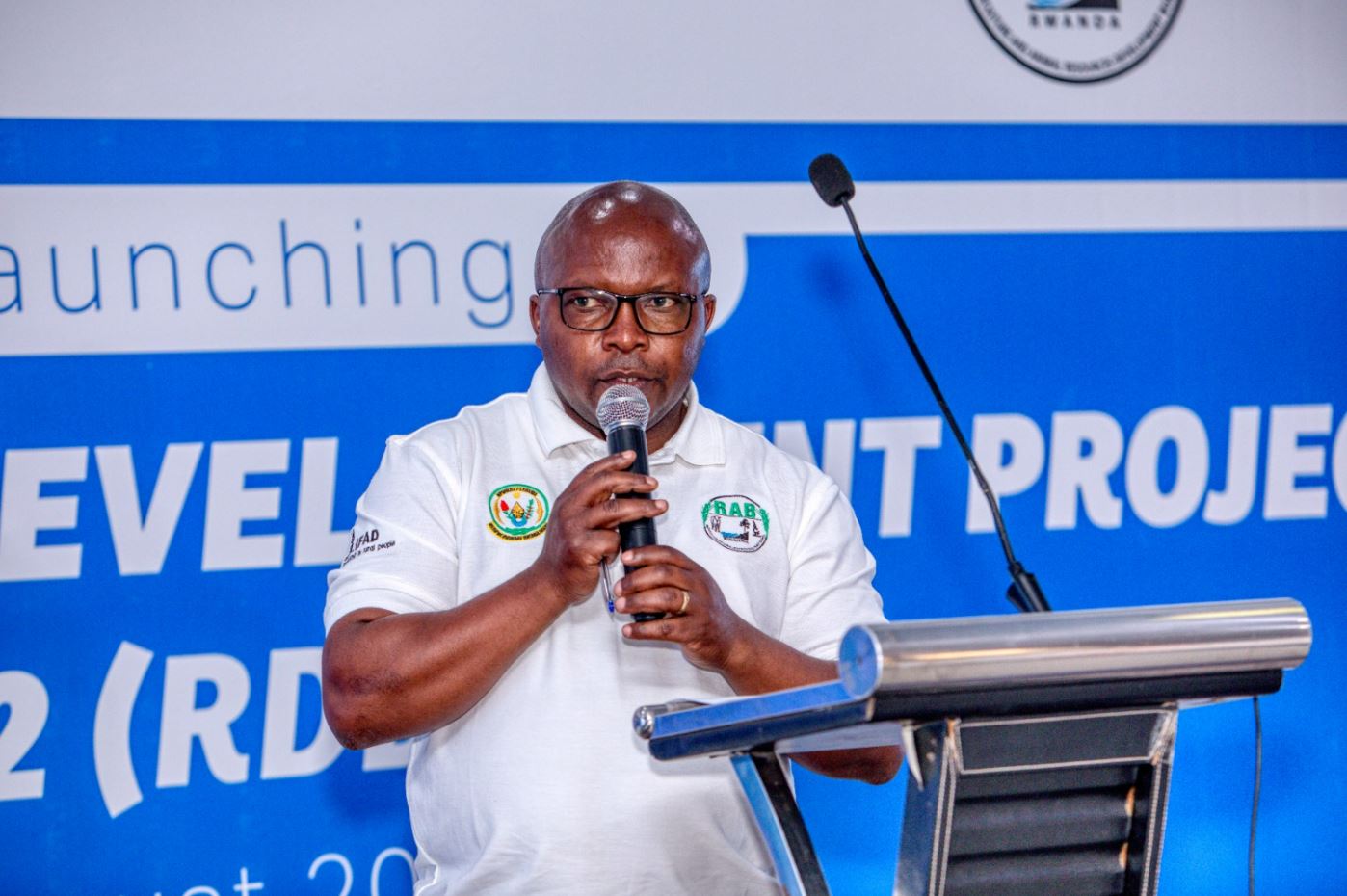
Rwanda has embarked on an ambitious journey to revolutionize its dairy industry through the launch of the second phase of the Rwanda Dairy Development Project (RDDP2).
This transformative initiative, valued at Rwf132 billion (approximately $100 million), is set to uplift over 175,000 farmers across 27 districts, focusing on increasing milk production, modernizing livestock infrastructure, and introducing climate-smart practices.
Building on the success of the first phase, RDDP2 was officially launched on August 30, 2024, in Bugesera District.
The first phase of RDDP supported 100,000 farmers in 14 districts, addressing challenges in milk productivity and market infrastructure. However, significant obstacles remained, prompting the need for a more comprehensive approach.
With RDDP2, the project’s scope has expanded to 27 districts, aiming to significantly increase the impact on Rwanda’s dairy sector.

Dr. Olivier Kamana, the Permanent Secretary of the Ministry of Agriculture and Animal Resources (MINAGRI), highlighted the broader ambitions of RDDP2.
“This project is not only about increasing milk production but also about improving the overall living standards of our population through better nutrition and sustainable income sources,” he stated.
The project’s objectives include enhancing milk quality, improving transportation and storage infrastructure, and empowering farmers with the necessary knowledge and resources to boost productivity.
Key components and objectives
RDDP2 focuses on three core components to enhance the dairy sector. The first component aims to boost production and services by improving dairy cattle breeds, expanding fodder cultivation, and introducing modern farming techniques. Farmers will benefit from training on sustainable practices and support for building infrastructure necessary for maintaining high standards of milk production.
The second component addresses the efficiency of the entire dairy value chain, encompassing milk collection, transportation, processing, and marketing. RDDP2 seeks to reduce post-harvest losses and ensure a consistent supply of high-quality milk by enhancing cold chain systems and integrating digital technologies throughout the value chain.
The third component involves policy support and project management to ensure effective implementation and alignment with national policies. This includes overseeing monitoring and evaluation processes and coordinating efforts among government agencies, private sector partners, and international organizations to achieve the project’s objectives.

Stephen Rwamurangwa, the coordinator of the Single Project Implementation Unit (SPIU), emphasized the importance of these components in achieving the project’s goals.
“We are focused on creating a robust and resilient dairy sector that can withstand challenges such as climate change and market fluctuations. By working closely with all stakeholders, we aim to ensure that the benefits of this project are felt across the entire country,” he explained.
Farmers’ expectations and challenges
The launch of RDDP2 has been met with enthusiasm from farmers who anticipate significant improvements in their livelihoods.
Livingstone Abiyingoma, a farmer from Karangazi Sector in Nyagatare District, shared his optimism.
“RDDP1 helped us transition from traditional cattle farming to more modern practices. With RDDP2, we hope to further increase our productivity and improve the quality of our milk.”Abiyingoma said.

However, the journey is not without challenges. Farmers like Floride Nyirangirababyeyi, a widow from Nyarugenge Sector in Bugesera District, expressed concerns about the knowledge gaps that still exist.
“Many farmers lack the necessary skills to manage their cattle effectively. We need more training and support to reach our full potential,” she said.
Floride’s dairy cow currently produces 5 liters of milk per day, but with the right support, she believes this could increase to 15 liters.
Jacky Murekatete, a farmer from Gahini Sector, echoed these sentiments, emphasizing the need for better infrastructure to support fodder storage during droughts and access to advanced breeding techniques.
“We need more hangars for storing fodder and support for Artificial Insemination (AI) to breed cows with higher milk production,” she urged.

Private sector involvement and future prospects
RDDP2 also places a strong emphasis on private sector collaboration. James Gatari, a representative from Inyange Industries, one of Rwanda’s leading dairy processors, highlighted the importance of improving the quality of animal feeds to ensure high-quality milk production.
“Our dairy industries require around 1 million liters of milk daily to meet production demands. By working with RDDP2, we aim to increase the quality and quantity of milk supplied by farmers,” he stated.
The project also includes a substantial investment in empowering women and youth in the dairy sector. An additional $25 million has been allocated to support 10,000 young entrepreneurs and 15,000 women in livestock activities, further enhancing the project’s potential to reduce poverty and improve livelihoods.

Vision for the future
As Rwanda looks to the future, RDDP2 represents a critical step towards achieving a modern, sustainable, and inclusive dairy industry.
Pudence Rubingisa, the Governor of Eastern Province, expressed his optimism about the project’s potential.
“We expect this project to significantly improve the lives of farmers in the Eastern Province. By expanding Milk Collection Centers (MCCs) and improving infrastructure, we are laying the groundwork for a thriving dairy sector,” he said.
The Government of Rwanda in partnership with the International Fund for Agricultural Development (IFAD) and other stakeholders, is committed to ensuring that RDDP2 achieves its ambitious goals.
As the project unfolds over the next six years, the hope is that it will not only transform the dairy sector but also contribute to broader national objectives of poverty reduction, food security, and sustainable development.
theinspirerpublications@gmail.com





Leave a Reply