
Hospitality Investors, Leaders, and Employees Discuss Gender Equality Initiatives Impacts
By Elias Hakizimana.
Rwanda has made significant strides in fostering gender equality across all sectors, 30 years after the Genocide against the Tutsis. Testimonies from the private sector highlight the importance of gender inclusivity in accelerating national development.
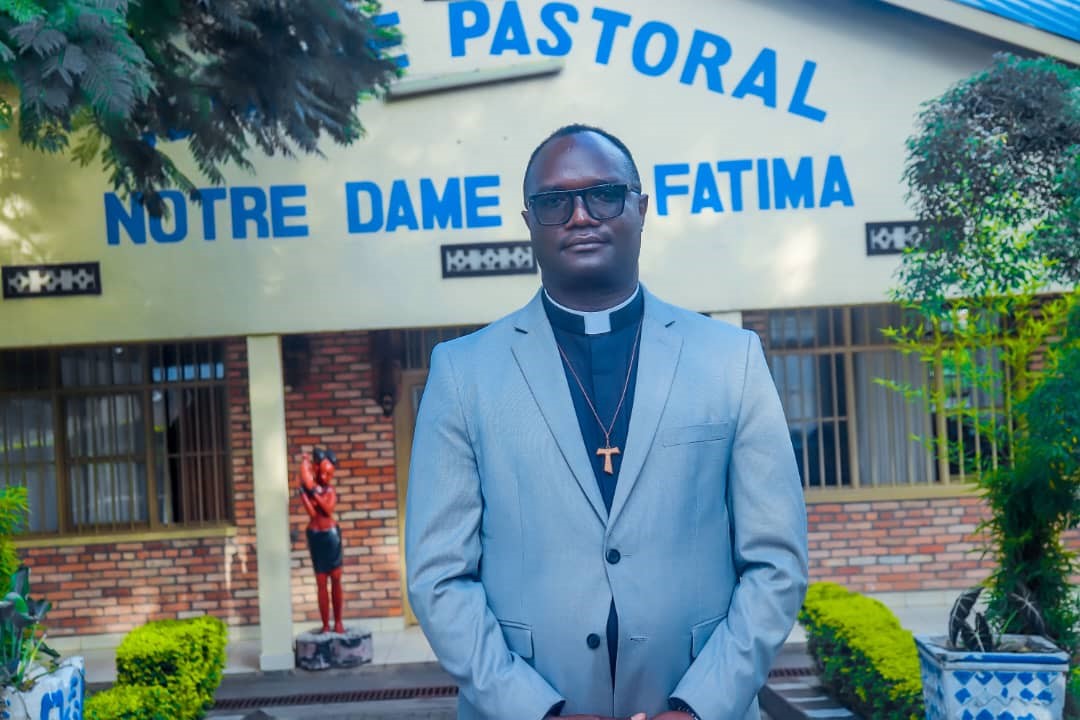
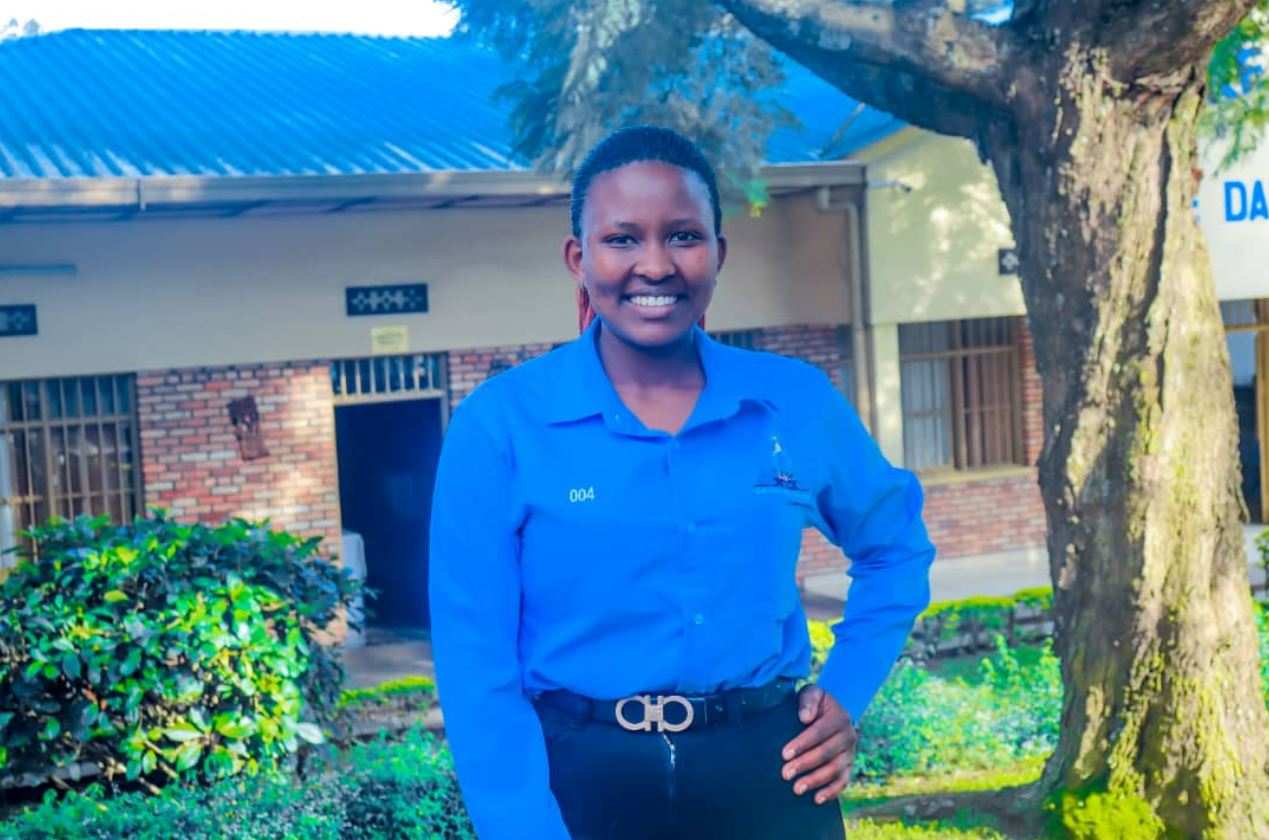
Ange Ingabire, an employee at Centre Pastoral Notre Dame de Fatima in Musanze district, underscores the significance of a gender-inclusive environment. She emphasizes, “Gender equality principal compliance helps us as girls to feel involved… we do not have gender segregation here.”
Father Felicien Nsengiyumva, Director of Centre Pastoral Notre Dame de Fatima, expresses their intent to embrace gender equality. “Here, our girls and boys enjoy gender equality… Our most services host tourists and the big number of our employees are women and girls to welcome our guests.”
Enterprise Urwibutso, led by Dr. Sina Gerard, exemplifies gender equality in the workplace. “Here, from my wife as a good example, 60 percent of our employees are women and girls… women are capable and they are involved in our entire businesses,” says Dr. Sina Gerard.
Dr. Sina Gerard’s wife, reflecting on their inclusive approach, states, “We see both women’s and men’s contribution in our business.”
Daphrose Azagaruka, a senior employee at Entreprise Urwibutso, highlights the supportive environment at Entreprise Urwibutso. “Some of women here are in high-level decision-making places… it helps to boost work productivity,” she notes.
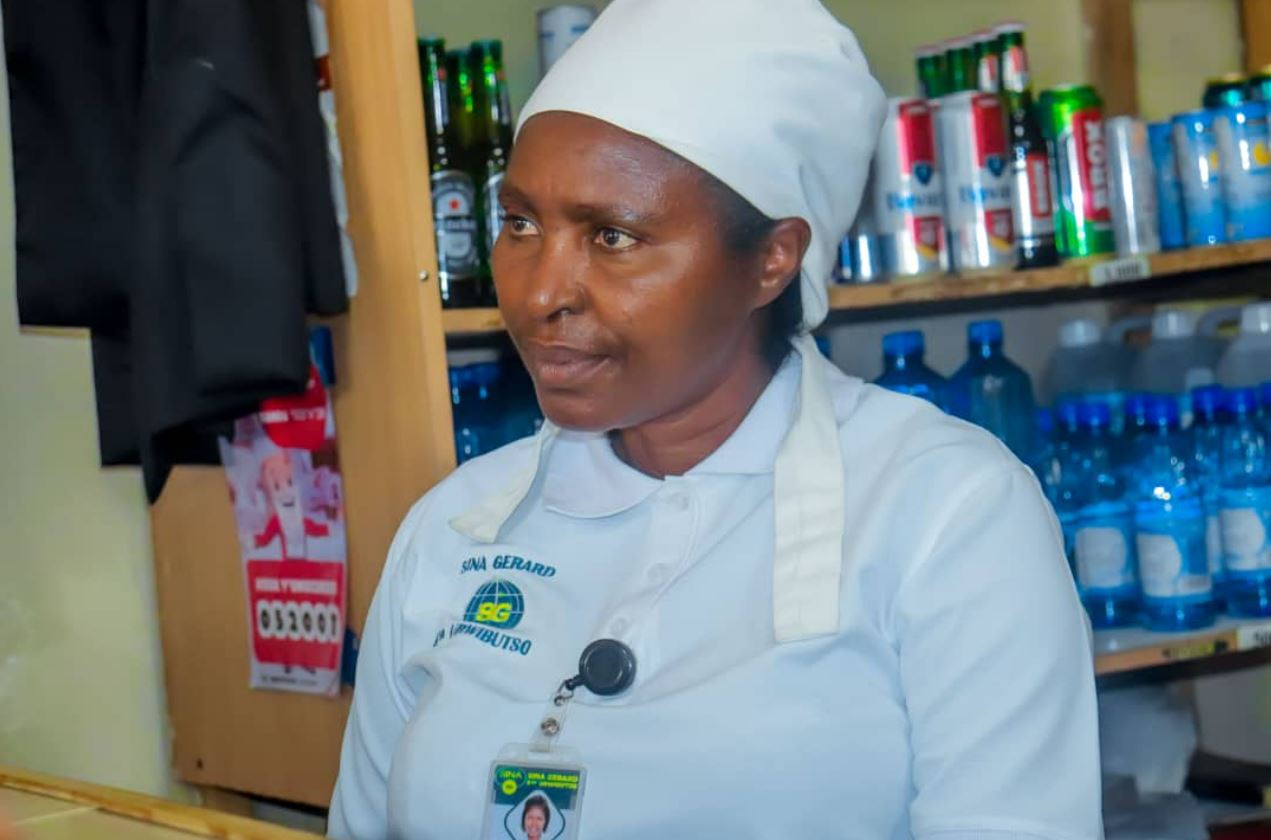
Enterprise Urwibutso has recently been awarded the gender seal certification. Sina Gerard’s wife shares, “We are proud of this achievement and the recognition of our commitment to gender equality.”
Rwanda has initiated a month-long campaign in the Northern and Western Provinces to evaluate compliance with the gender certification seal program.
Florien Rurihose, Deputy Chief Gender Monitor at Rwanda Monitoring Office, explains, “We are commemorating our progress to date, marked by the initiation of numerous policies and laws advocating for gender equality. Even Article 10 of the national constitution enshrines equality between women and men, boys and girls. Across various sectors like trade, industries, construction, energy, transport, and ICT, both genders receive equal treatment, evident in the widespread presence of women throughout our nation’s workforce,”

Emmanuel Gatera, National Standards Division Manager at Rwanda Standards Board (RSB), highlights the vitality of the gender certification seal program in enhancing national development.
“Since 2020, RSB has been actively contemplating how standards can become more inclusive in the private sector. Previously, women’s ideas were often overlooked or disregarded. Recognizing the importance of enhancing women’s capacity from various perspectives, we’ve partnered with UNDP and UN Women to promote the gender certification seal program through this campaign,” Gatera explains.
theinspirerpublications@gmail.com




Leave a Reply