

IMRO hosts national dialogue to drive private sector action on menstrual health in Rwanda
By The Inspirer.
Kigali, Rwanda | June 12, 2025– IMRO Rwanda convened a high-level national dialogue, aimed at forging sustainable private sector solutions to improve access to menstrual health products across the country.
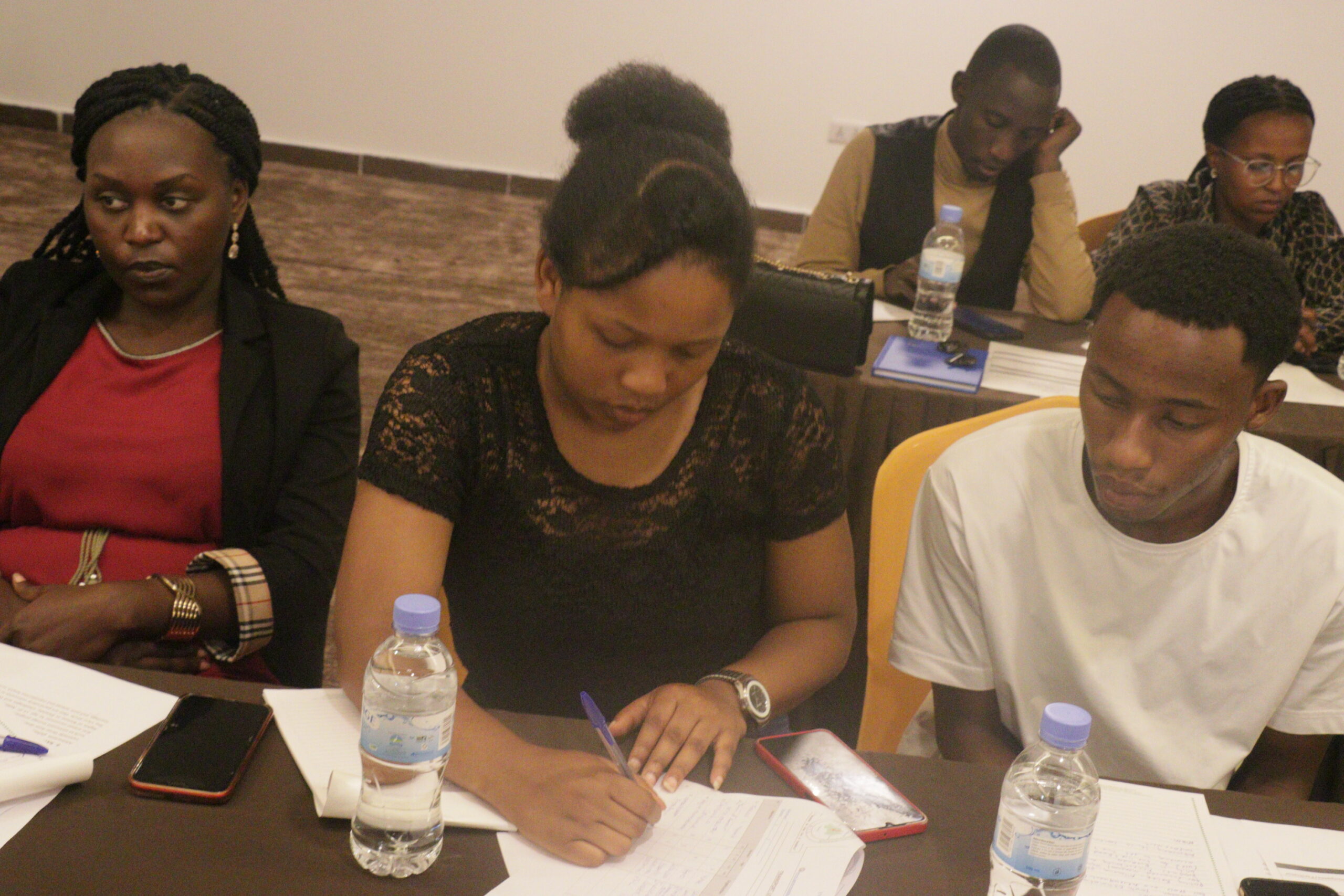
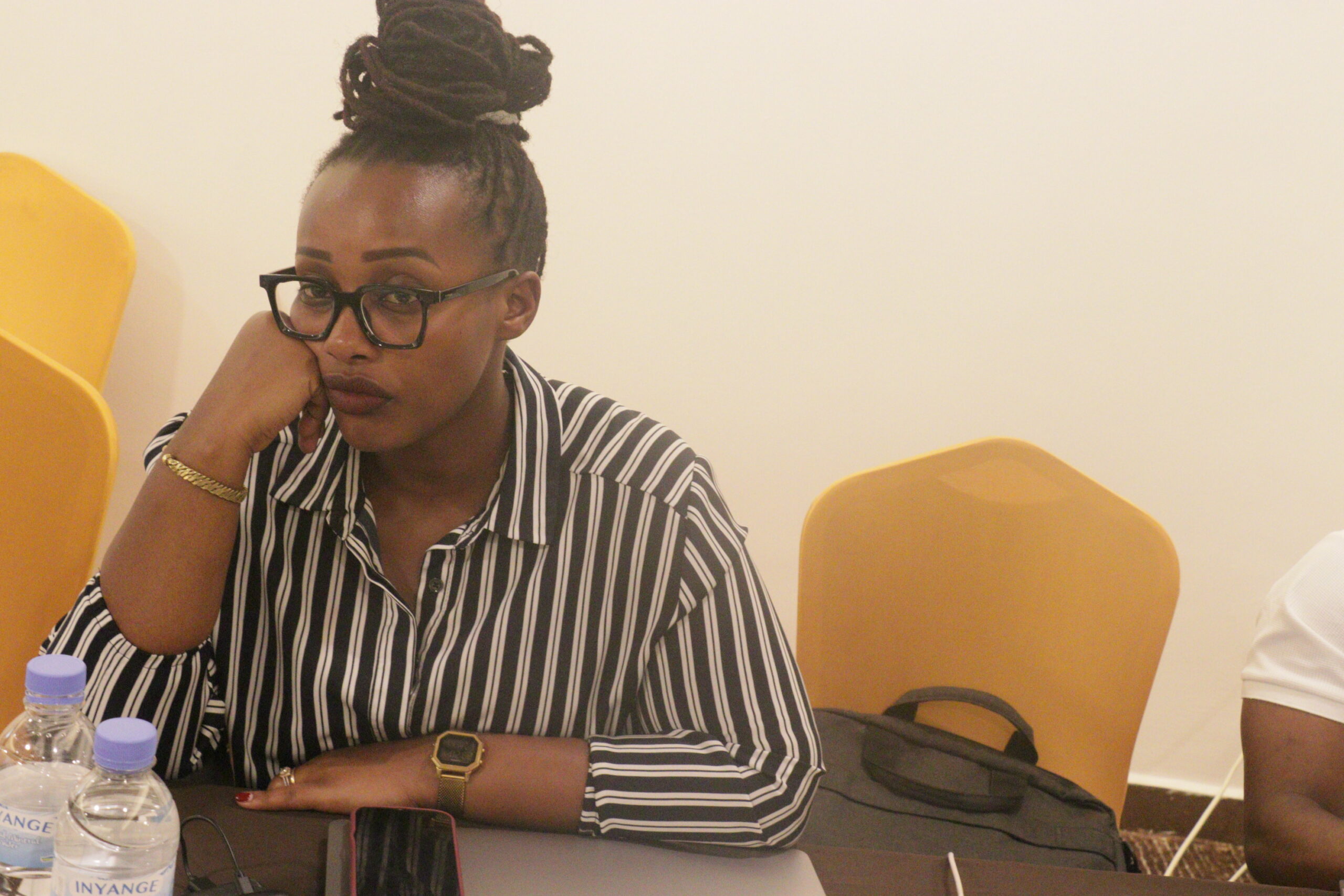
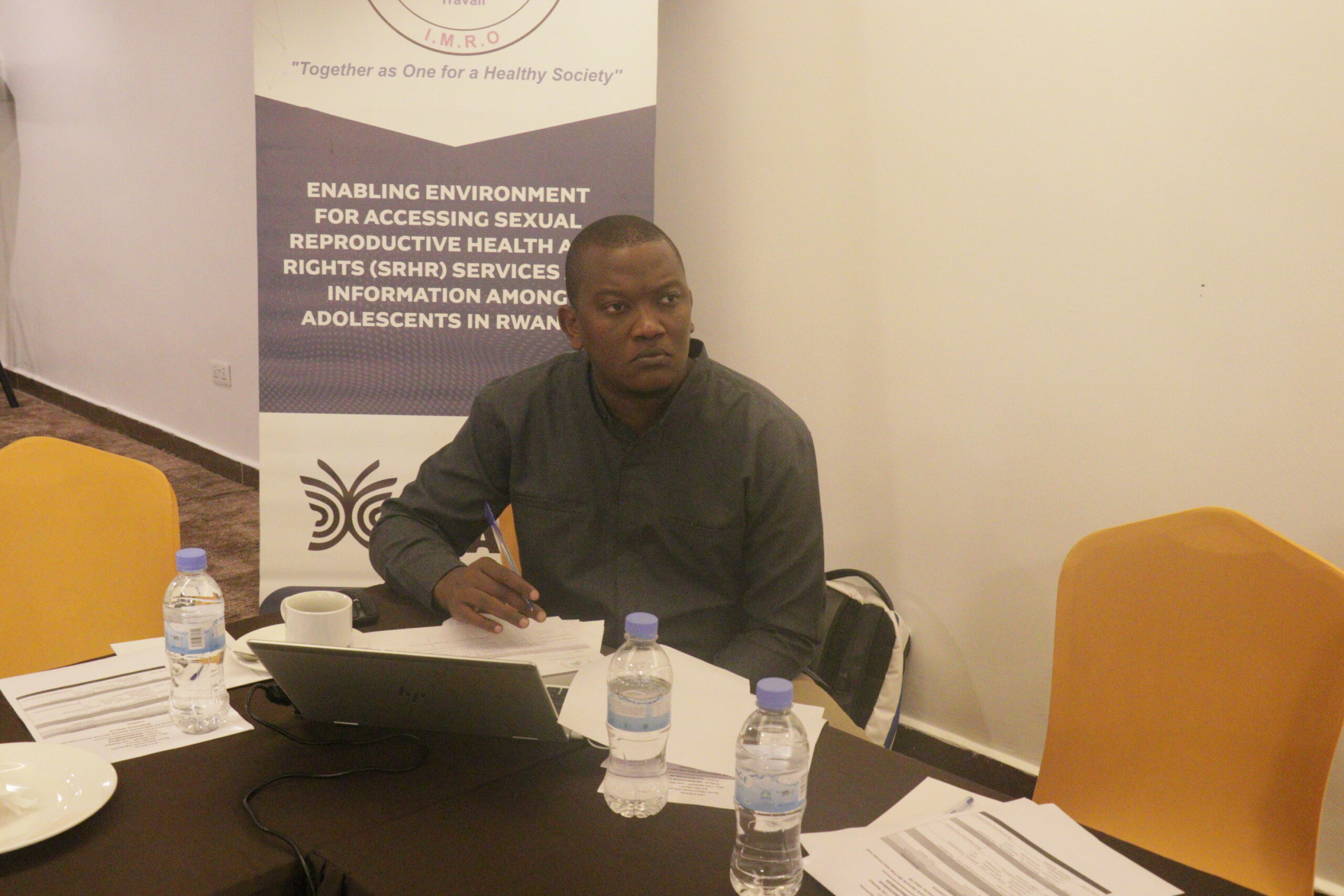
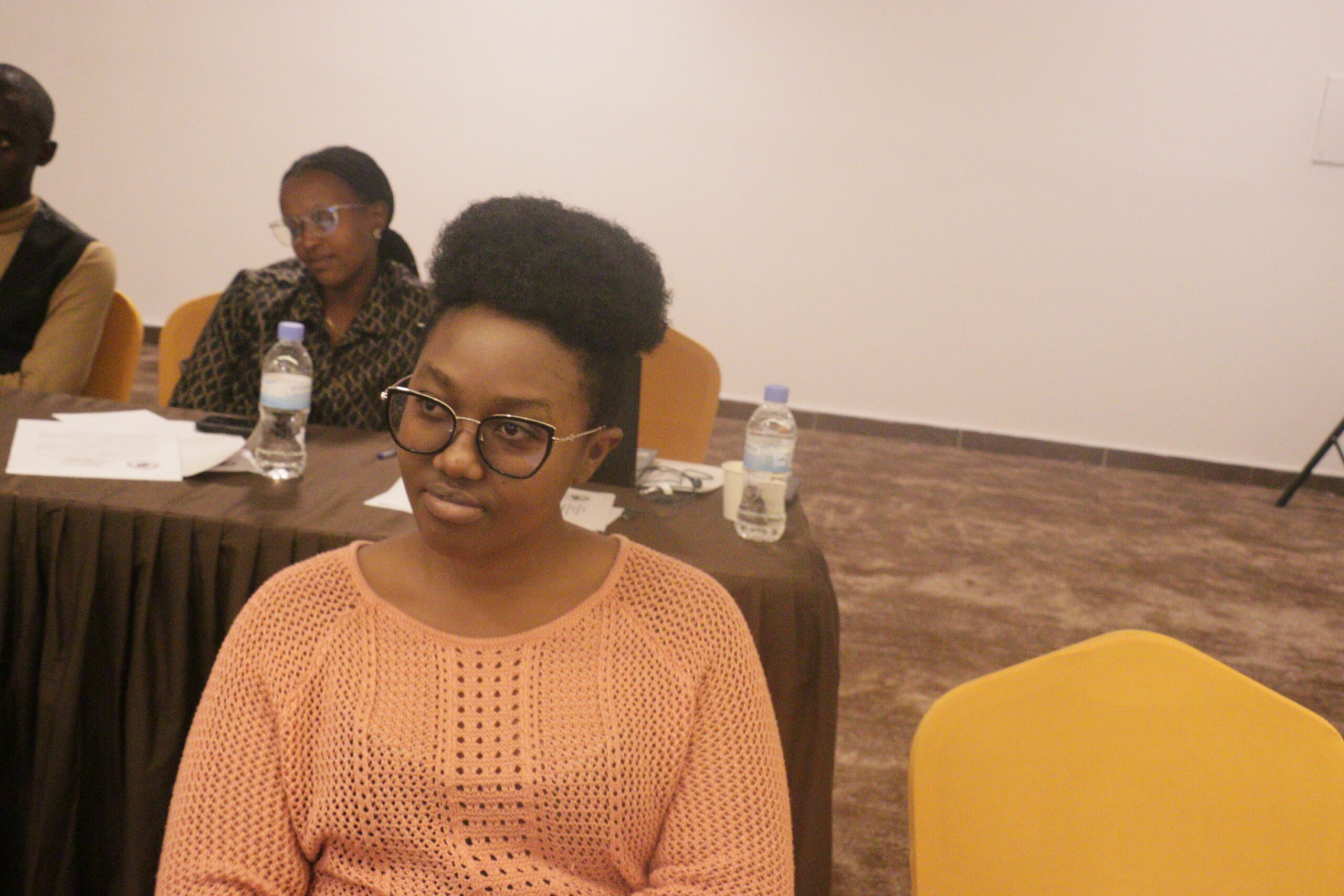
The dialogue brought together 30 participants, including representatives from the Private Sector Federation, pharmaceutical companies, local producers, NGOs, and government institutions.
The event focused on tackling the pressing issue of menstrual health as a matter of public health, education, and gender equity. In Rwanda, many women and girls still face significant barriers to accessing safe, affordable, and sustainable menstrual products.
These challenges contribute to poor hygiene practices, school absenteeism, and workplace limitations, further entrenching cycles of poverty and inequality.
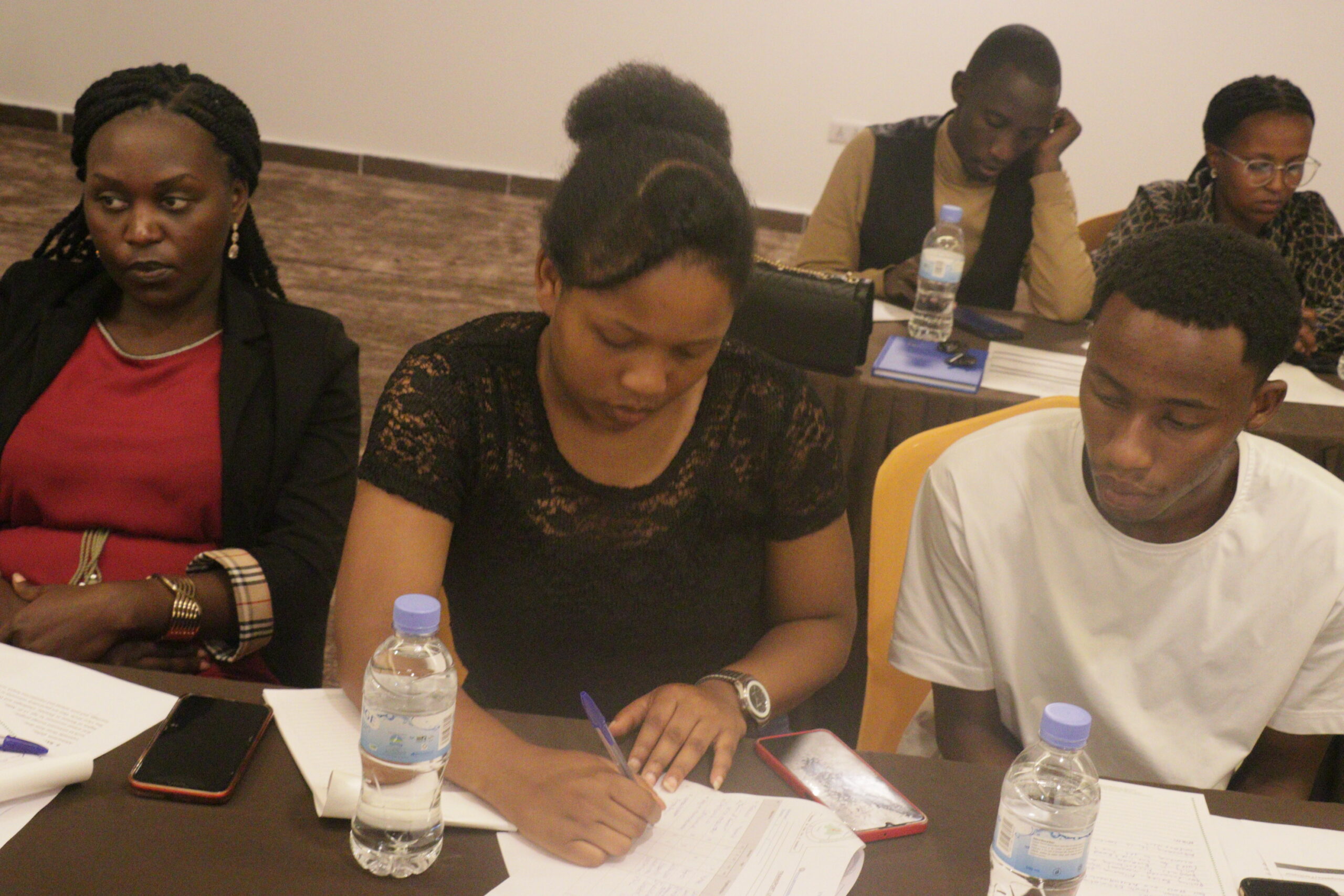
Organized by IMRO Rwanda, a non-governmental organization with over 25 years of experience in community development and health promotion, the dialogue emphasized the urgent need for market-driven, innovative solutions.
The private sector, including product manufacturers and distributors, was recognized as playing a pivotal role in bridging the access gap—particularly by investing in reusable, eco-friendly products and improving national distribution systems.
Throughout the day, stakeholders engaged in collaborative discussions to identify gaps and opportunities within the menstrual health market. Emphasis was placed on supporting local production and aligning private sector efforts with national health and gender equity policies.
The event also highlighted the importance of forging strong public-private partnerships to scale up effective solutions.
Social media updates shared by IMRO during the event highlighted the importance of collective action. “Every voice matters, every story counts,” read one post. Another reinforced the event’s core message: “Menstrual health is a human right, not a privilege.”
The dialogue concluded with a shared commitment to continue working toward sustainable access to menstrual health products, especially for vulnerable and underserved populations. Organizers and participants expressed optimism that such collaborations would pave the way toward ending period poverty in Rwanda and ensuring that every woman and girl can manage her menstrual health with dignity.





Leave a Reply