
Rwanda’s inflation rises to 6.9% in May as food and hospitality costs soar
By Elias Hakizimana.
Rwanda’s inflation rate continued its upward trend in May 2025, reaching 6.9% year-on-year, up from 6.3% recorded in April, according to the latest data released by the National Institute of Statistics of Rwanda (NISR) on Tuesday, June 10.
The rise in inflation, as measured by the Consumer Price Index (CPI) — the country’s primary gauge of inflation — is driven largely by increased costs in food, hospitality, and essential services.
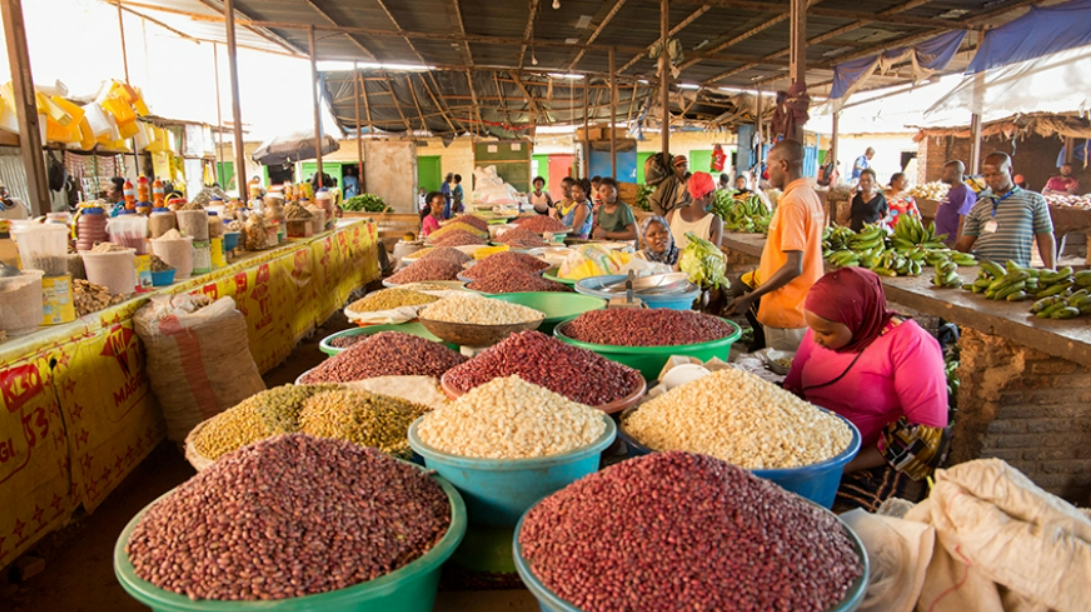
The category of Food and Non-Alcoholic Beverages saw a significant increase of 9.2% on an annual basis, and 0.5% month-on-month. This continues to put pressure on household budgets, particularly for low-income families who spend a large share of their income on basic necessities.
Fresh products in particular saw the sharpest annual rise of 12.3%, although prices slightly declined by 1.4% compared to April — likely due to seasonal harvests.
Hospitality and restaurants see sharpest increase
Among all sectors, Restaurants and Hotels recorded the highest inflation spike, surging by 16.6% year-on-year and 1.7% month-on-month. This points to increasing operational costs and post-COVID recovery adjustments within the service industry.
Housing, Water, Electricity, Gas, and Other Fuels rose by 3.3% annually and 0.7% from the previous month. Similarly, Transport prices increased by 3.7% year-on-year and 0.4% month-on-month, reflecting changes in fuel prices and possibly vehicle maintenance and spare parts.
Imported vs. local products
Both local and imported goods experienced equal annual inflation of 6.9%. However, imported products showed a sharper monthly price increase of 2%, compared to just 0.1% for local goods. This reflects currency fluctuations and international supply chain dynamics, which continue to affect Rwanda’s import-heavy market.
Energy prices show mixed signals
Despite a 0.8% annual decline in energy prices, the category saw a 1.9% month-on-month increase — signaling short-term fluctuations, possibly influenced by global oil prices or domestic adjustments in utility tariffs.
Meanwhile, the core inflation index — which excludes volatile items like fresh produce and energy — rose by 6% annually and 1.1% monthly, suggesting a steady underlying inflation trend.
Outlook
As Rwanda navigates its post-pandemic recovery and ongoing global economic challenges, the latest figures highlight persistent inflationary pressures across key sectors. While food and hospitality lead the surge, the equal inflation in local and imported goods reflects a broader systemic trend.
Policymakers may need to monitor closely the cost of living, especially for vulnerable households, as inflationary trends could impact purchasing power and economic stability.
For now, consumers continue to feel the pinch, particularly at the dining table and in daily commuting expenses.





Leave a Reply