
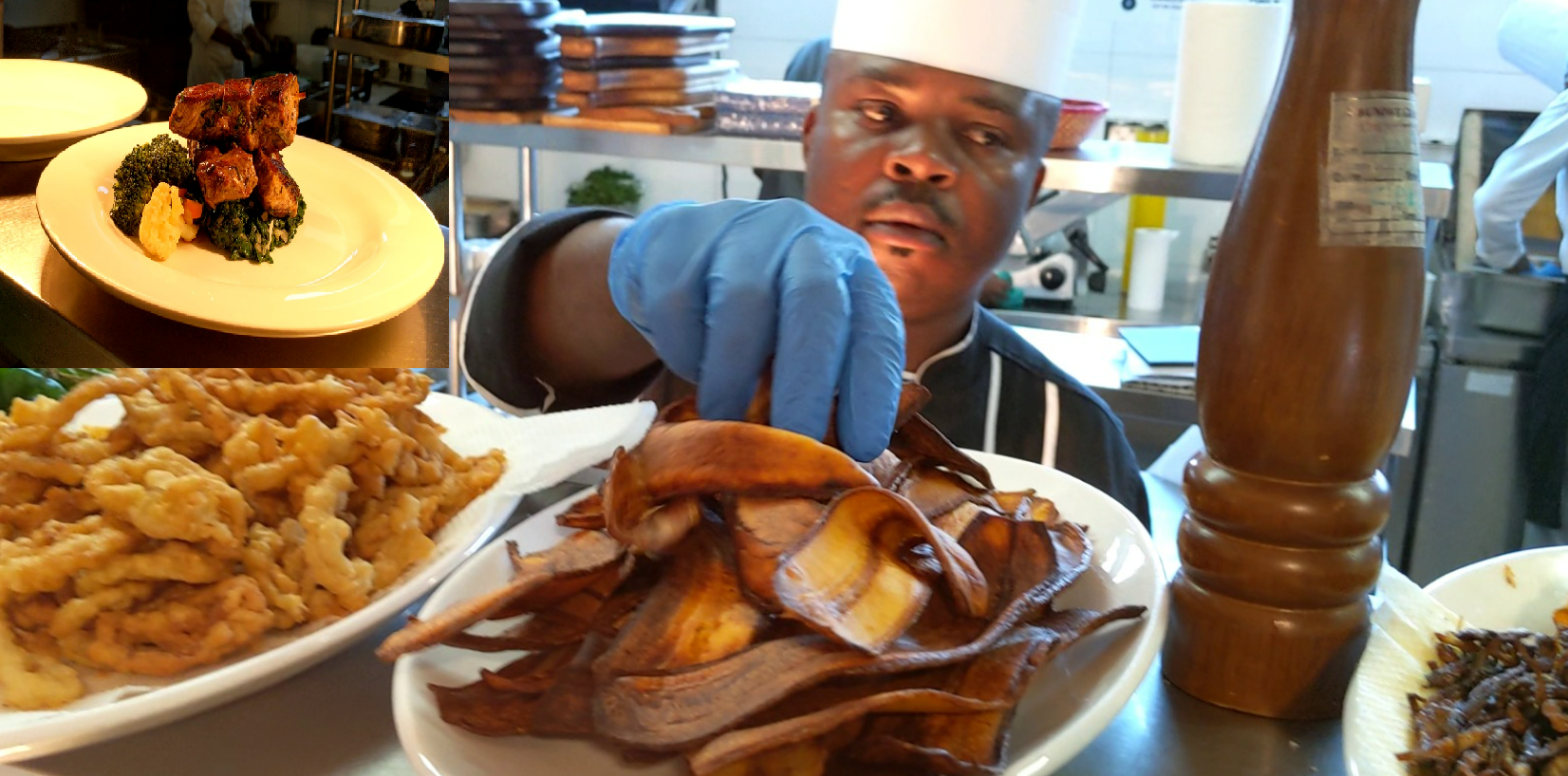
Food Safety Incompliance Could Derail Business Losses in Hotels, Catering Services
By Elias Hakizimana.
Some hotels and catering services in Rwanda should beware of business losses due to noncompliance with food safety standards requirements as the latter have now become a key emphasis for hospitality visitors.
The main reason, according to testimonies, was lack of knowledge to deal with such safety requirements.
The country has invested significant efforts in hospitality and tourism but there is still a need to strengthen the value chain so that all players understand and implement efficient and professional hospitality with food business standards.
Janet Niyigena, Acting Director General of La Palme Hotel in Musanze says that they could seek for experts from abroad to train workers about food safety. Fortunately, the hotel got training on food safety compliance and was given the Hazard Analysis and Critical Control Point (HACCP) a system to prevent food safety hazards, thanks to the efforts of Rwanda Standards Board (RSB) in partnership with Trade Mark Africa (TMA) to support the training and certification process.
“The major gap was limited experience in food safety compliance, after getting training and certificate, every personnel is now performing well in each hotel service, we started the journey during covid-19 pandemic, we could not manage to test the microbes in food before getting the training but with the guidelines of safety compliance, we can control everything to ensure safety of food from farm to the table,” Niyigena says.

She adds that the hotel could receive some clients’ complaints over unsafety of meals, noting that none is raising such an issue after getting the certificate.
Emmanuel Masengesho, HACCP Team Leader at La Palme Hotel reiterates that the certificate added value to their business and re-established their reputation among the clients.
Musanze District is among the secondary cities and Tourism hotspots that welcomes many tourists.
“Before, we lacked safety compliance at both local and international level, we did not have enough clients, only contracted institutions and other current permanent clients plus few casuals, we could not have a big number of customers, since we got the certificate, we have communicated the good news through social media and tour agencies, so we can now attract many clients,” Masengesho says.
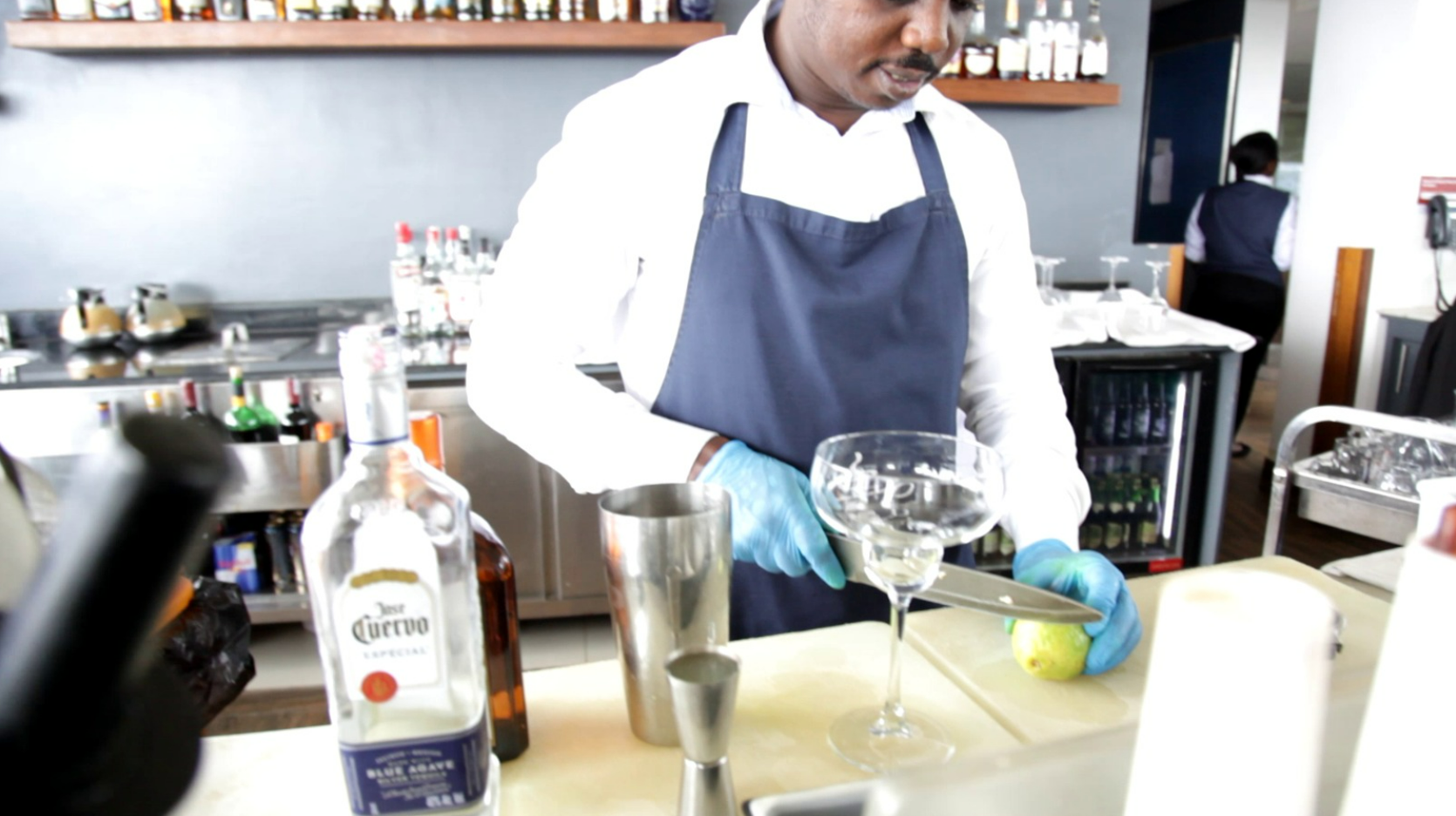
He adds that HACCP has built a system that helps the hotel to ensure food safety by setting up processes and procedures from farm to fork.
“Through these procedures, we can monitor food safety and every employee is involved in that chain. Our suppliers of vegetables and meat are also involved in the system, they were trained on the requirements of safety from farm and we first visit them before signing contracts with them and everyone is concerned about preventing hazardous products that can contaminate food,” he adds.
Father Celestin Nizeyimana, Director General of Fatima Hotel (4 stars) in Musanze district says they started the journey of HACCP certification since 2019 with the support of RSB and they have invested Rwf100 million to buy kitchen kits, to train workers and renovate the kitchen after understanding the importance of having food safety certificate.

“Before we were using our ordinary knowledge but with the HACCP system, we have got required professional skills to ensure food safety. Some clients could complain of food poisoning, we now understand and try to maximize food safety standards with our suppliers who are also involved in the value chain.” he adds.
He says that HACCP reduced losses the hotel could have, including food waste due to bad storage conditions. He encourages other investors in hospitality, food catering services to embrace the HACCP certification journey and boost quality service as well as business profitability.
Suppliers speak out
Victor Sibomana, a vegetable farmer from Runyagwe village, Rwambogo cell in Musanze district grows spinach, Brocolie, Chou-frères, Cucumber, Courgettes and Lettuces, which he supplies to La Palme Hotel. He says that he tries to use a minimum level of pesticides and ensure hygiene during harvesting.

“We also put in place a good pest control and monitoring system, the hotel gave us training on food safety standards, with that knowledge, we are planning to serve other hotels,” Sibomana says.
Learning from the experience of the market he lost due to noncompliance of safety requirements at one market in Kigali, Sibomana says that HACCP certificate cannot be limited to hotels and big suppliers, but also need to be a must for crops and livestock growers.
Jean Bosco Mulindi, Director of Product Certification Unit at Rwanda Standards Board (RSB) says that HACCP is a key requirement in promoting hospitality and tourism in the country.
“This is the journey, more hotels need to have HACCP and 60 are now in the process, we encourage everyone who wants to venture into hospitality and food business to approach RSB for advice and support for good implementation of their project,” Mulindi says.
Countrywide, 17 hotels including 4 in Musanze district have got HACCP certificate since the beginning of the journey in 2019.

theinspirerpublications@gmail.com





Leave a Reply