
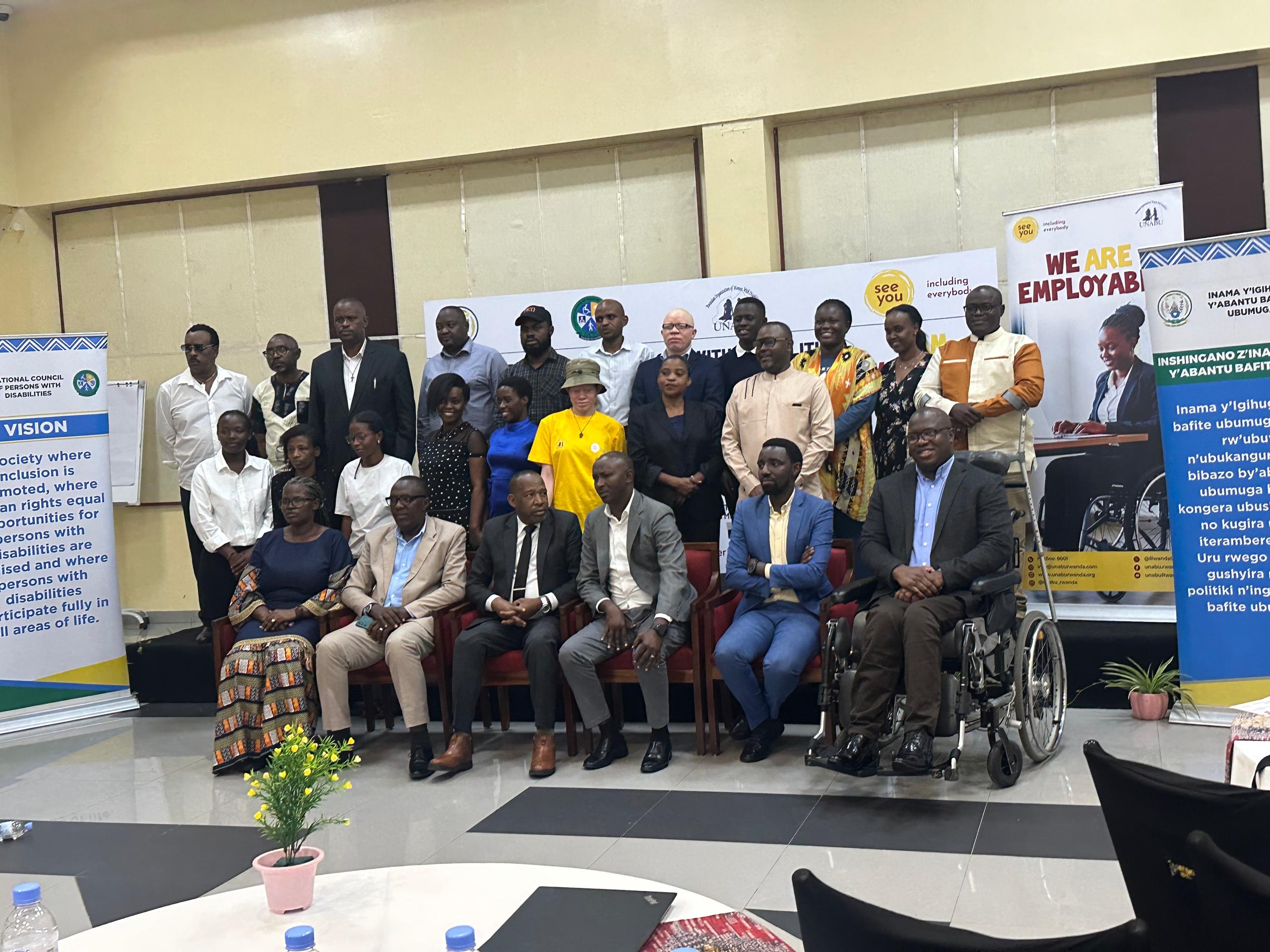
Disability rights bodies call for stronger inclusive employment
By Elias Hakizimana.
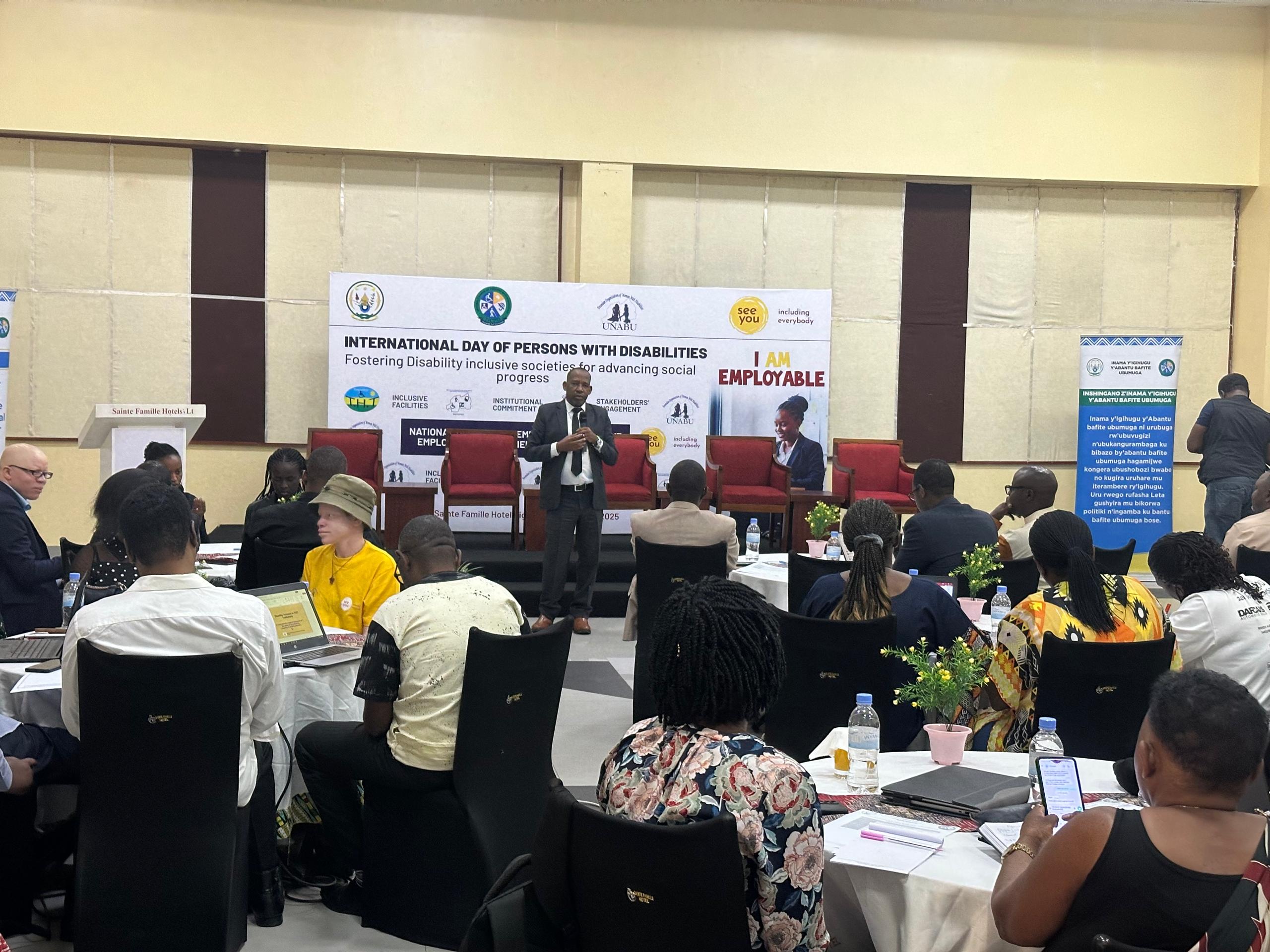
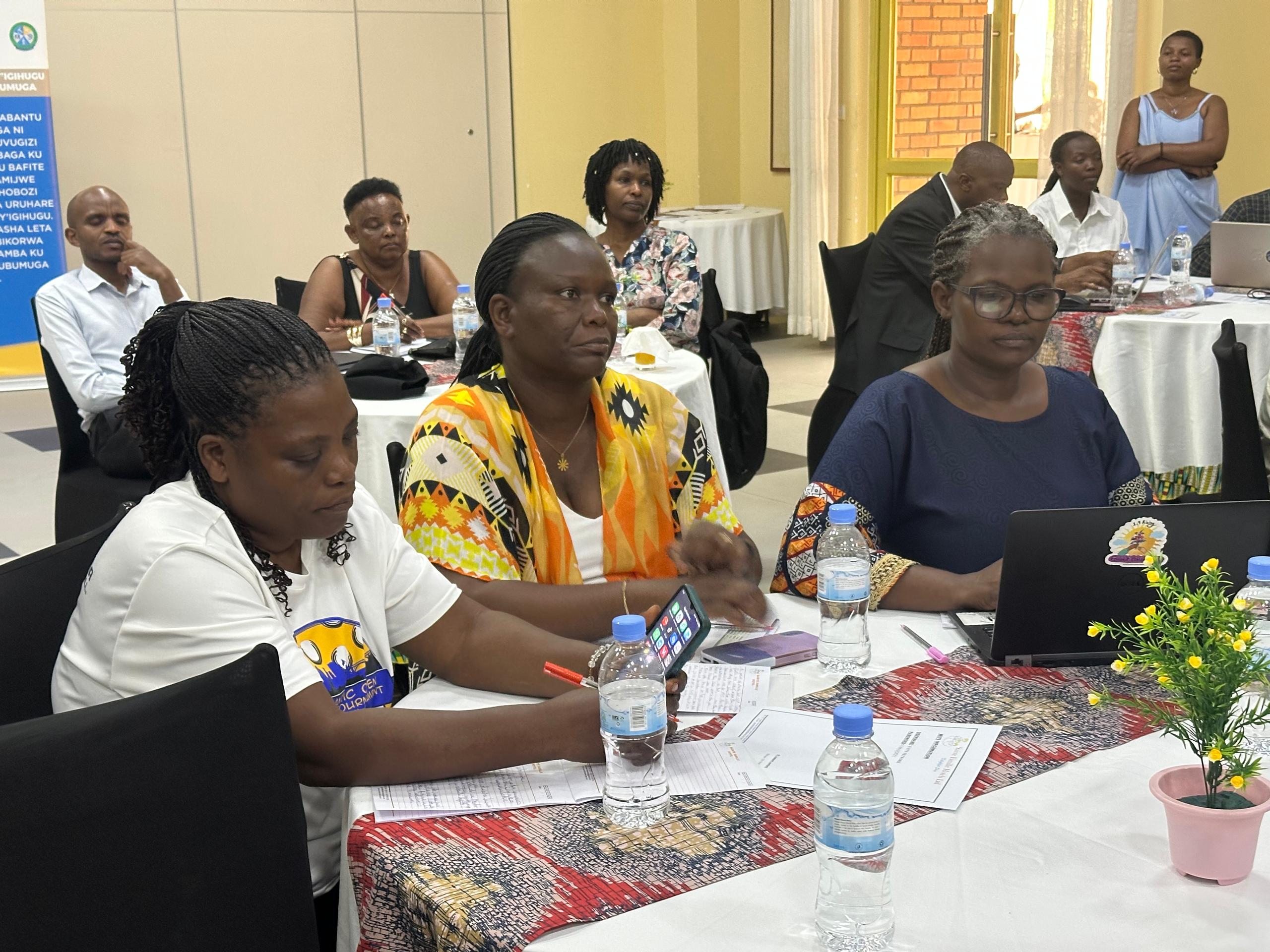
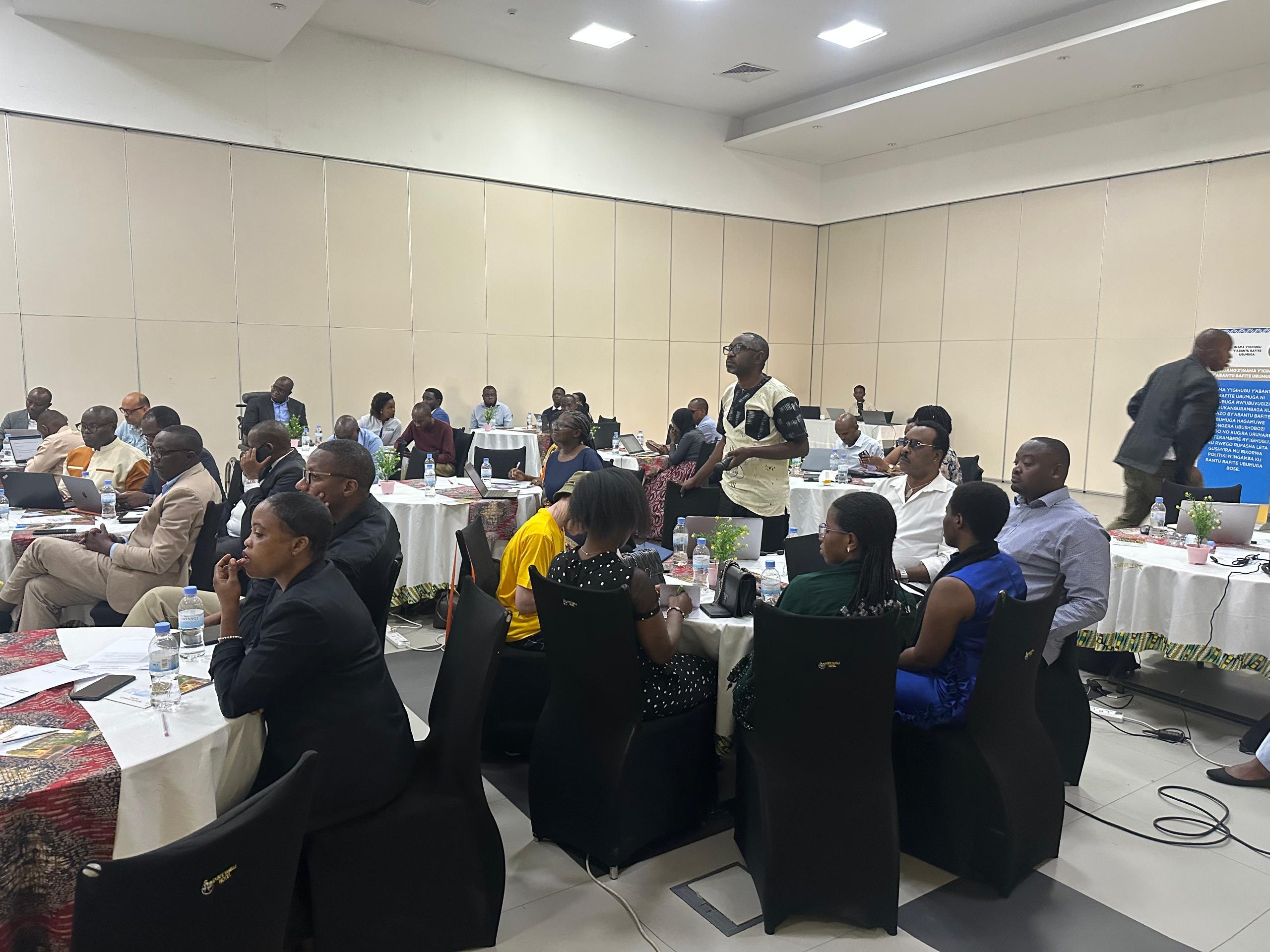
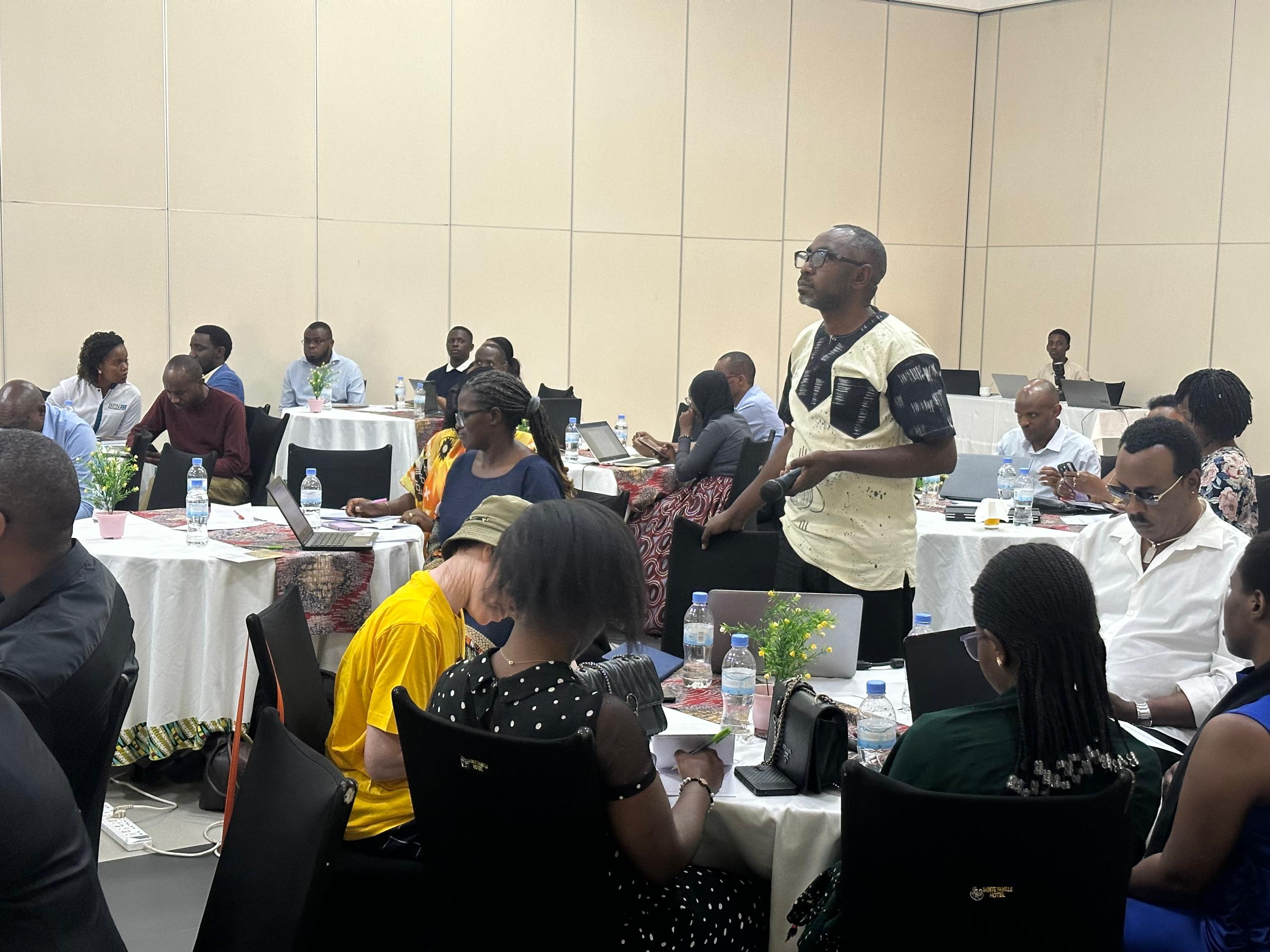
Kigali, November 28, 2028 — Rwanda hosted a National Dialogue on Empowering Inclusive Employment for Women with Disabilities, bringing together policymakers, civil society organizations, development partners, and representatives of persons with disabilities to advance strategies for strengthening disability-inclusive employment across the country.
Organized by Umbrella of Organisations of Women with Disabilities (UNABU) in collaboration with the National Council for Persons with Disabilities (NCPD), the dialogue formed part of national activities ahead of the International Day of Persons with Disabilities, marked globally every December 3. This year’s theme is “Fostering disability-inclusive societies for advancing social progress.”
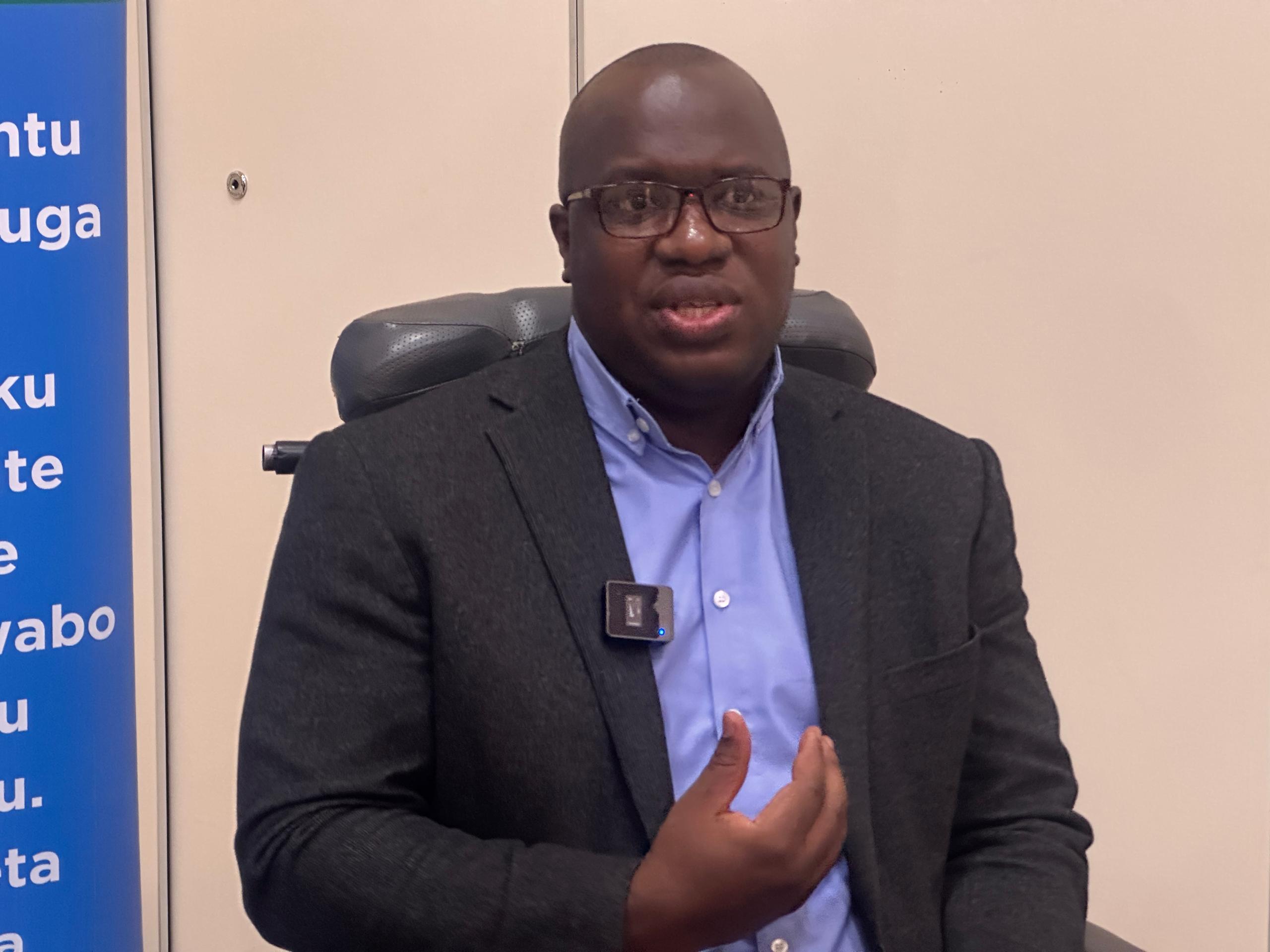
In his opening remarks, Emmanuel Ndayisaba, Executive Secretary of NCPD, highlighted the country’s progress in protecting the rights and welfare of persons with disabilities, noting that Rwanda has significantly expanded access to education across TVET, primary, secondary, and higher learning institutions. He emphasized that the wellbeing of persons with disabilities is not charity but a fundamental right.
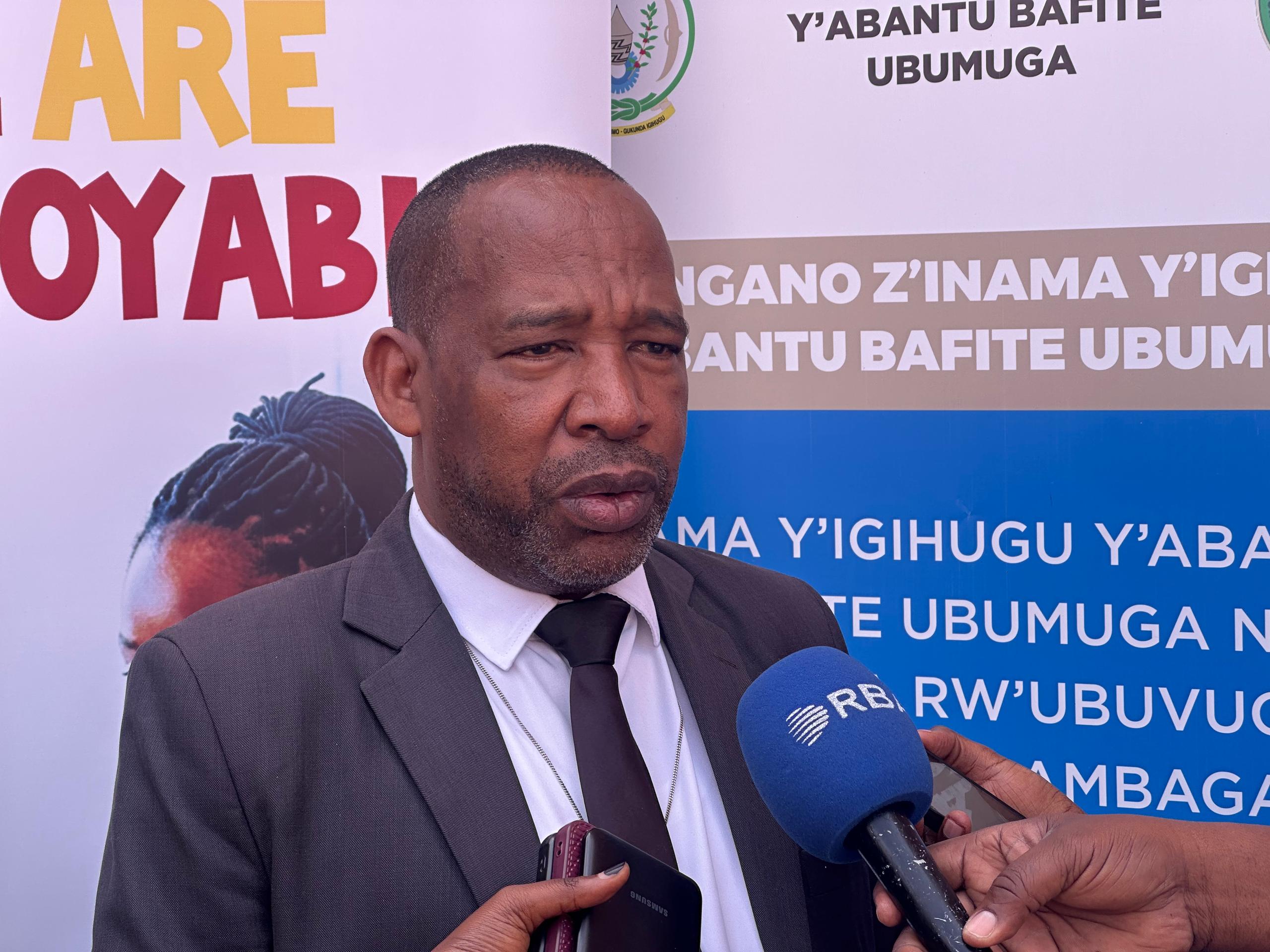
He added that many learners with disabilities now access bursaries and scholarships, including annual support from the University of Rwanda, which allocates 40 bursaries to students with disabilities each year.
Ndayisaba acknowledged ongoing challenges, especially in employment, noting that many persons with disabilities remain unemployed despite growing opportunities. He commended the Ministry of Public Service and Labour for promoting inclusive hiring but stressed that more needs to be done. He reaffirmed NCPD’s commitment to strengthening inclusive employment pathways and urged stakeholders to identify practical solutions during the dialogue.
Research findings presented by an NCPD consultant revealed persistent disparities in education and employment despite national reforms. Using March 2023 MINEDUC data, the study showed that learners with disabilities represented only 0.9 percent of Rwanda’s 4.1 million students, with numbers declining sharply at higher levels of education.
It also highlighted significant barriers such as inaccessible classrooms, lack of assistive devices, inadequate adapted learning materials, and limited specialized support. The consultant added that enrolment of learners with disabilities in TVET institutions remains very rare.
Employment data from the 2023 Labour Force Survey indicated deeper inequalities. Labour force participation among persons with disabilities stands at 20.3 percent compared to 60.3 percent among persons without disabilities. While unemployment for persons with disabilities is 18.9 percent, the study notes this figure is misleading because nearly 80 percent of persons with disabilities are entirely outside the labour force, neither working nor seeking work.
Additional data shared by Ndayisaba shows that 74,000 persons with disabilities are currently employed nationwide, with 66 percent working in agriculture and livestock, 2 percent running their own businesses, and around 3,500 working in other sectors.
Speaking to the media, Ndayisaba said Rwanda has strong policies, but implementation must keep pace. He explained that NCPD reviews national policies and requests amendments wherever gaps appear, especially in areas such as housing and infrastructure.
He pointed to Masaka Farms Ltd as a successful example of inclusive employment, where persons with disabilities demonstrate high productivity. He encouraged the Private Sector Federation to increase efforts in promoting workplace inclusion.
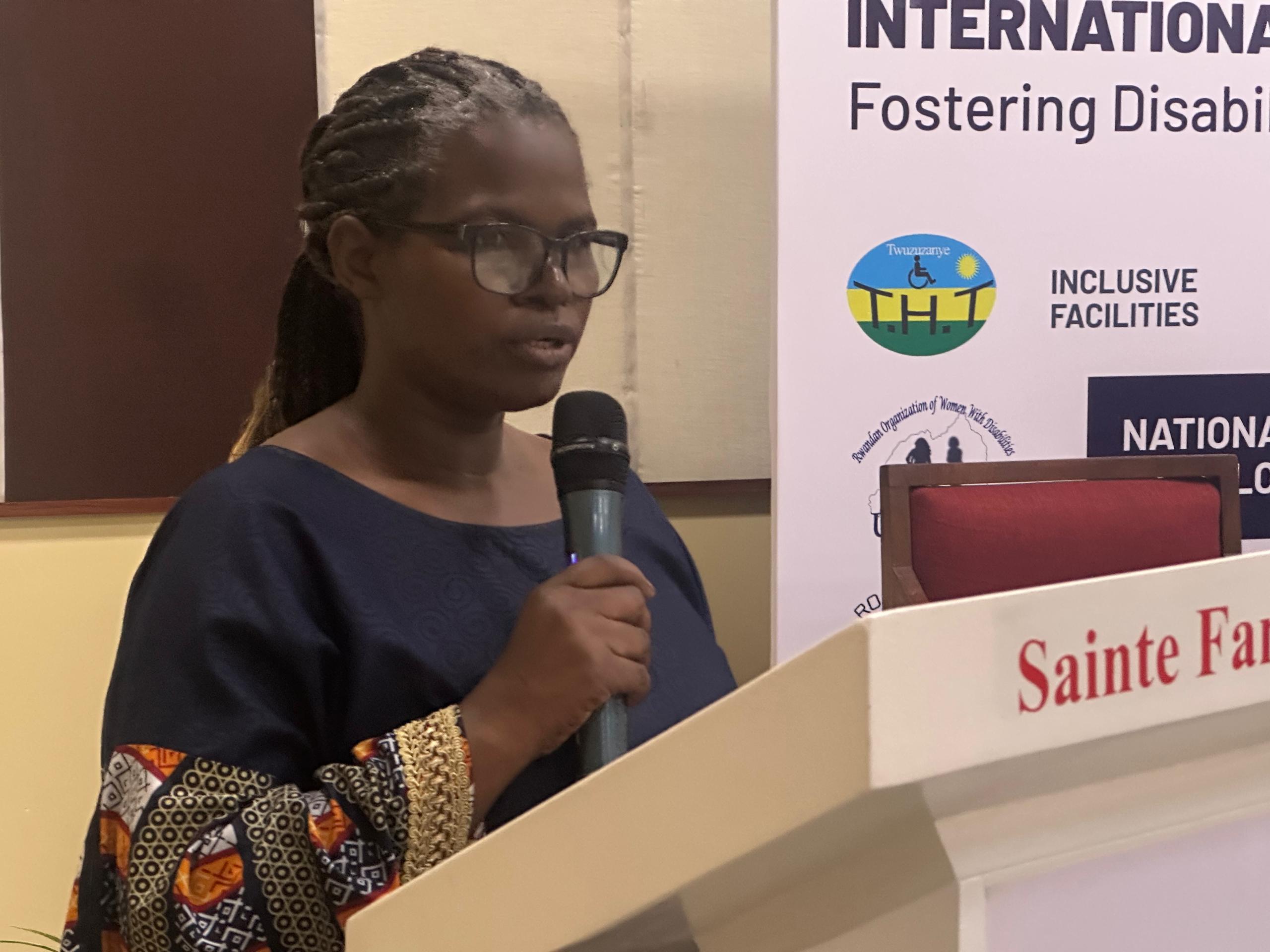
Gaudence Mushimiyimana, Executive Director of UNABU, commended the government for establishing inclusive policies since 2007 but noted that several barriers remain. She raised concerns about outdated disability data, families that hide children at home, stereotypes that link disability to curses, limited accessibility in schools, and inadequate sign language, braille, and adapted learning materials.
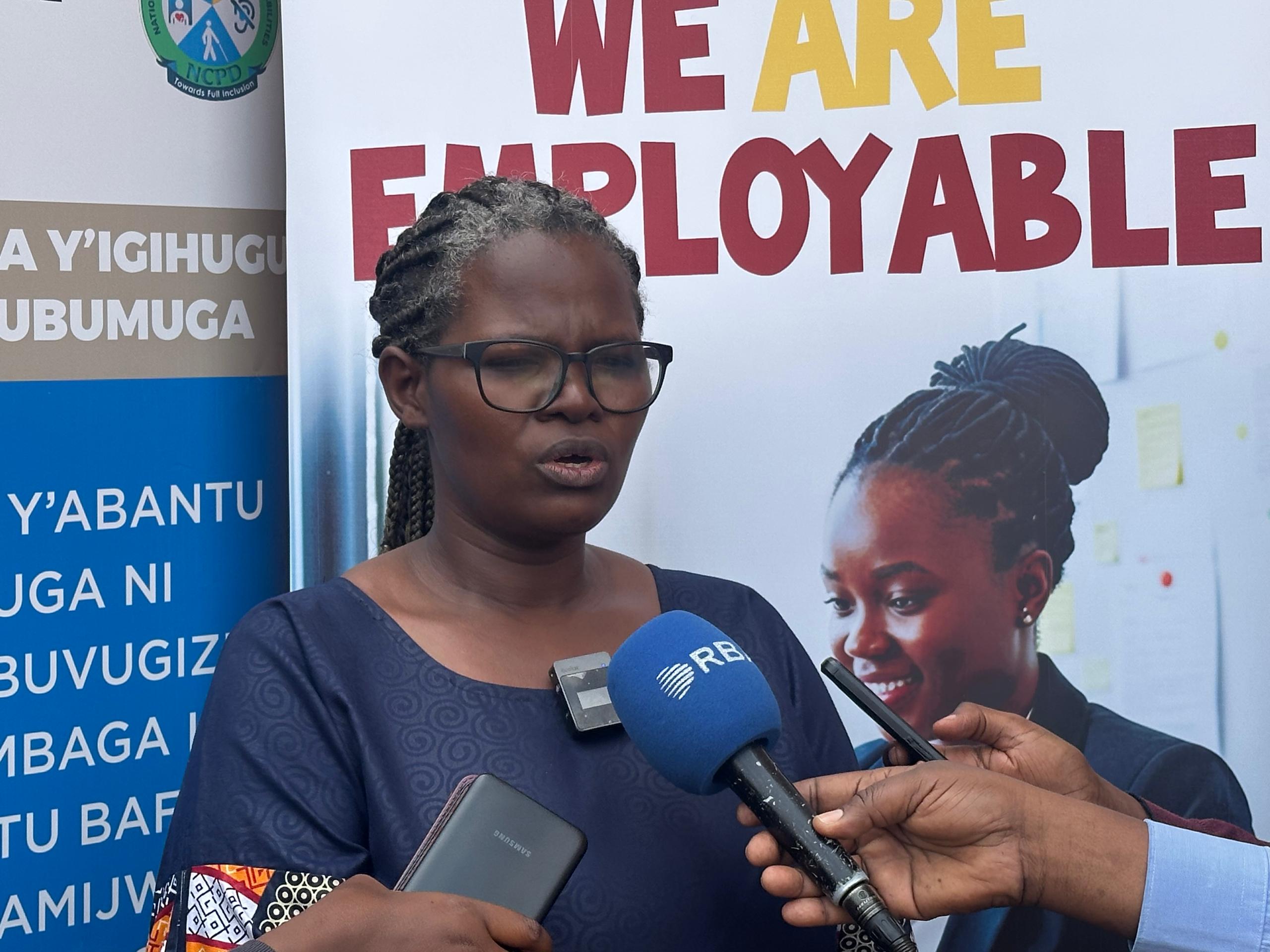
She emphasized that mindset change must come first before removing other barriers.
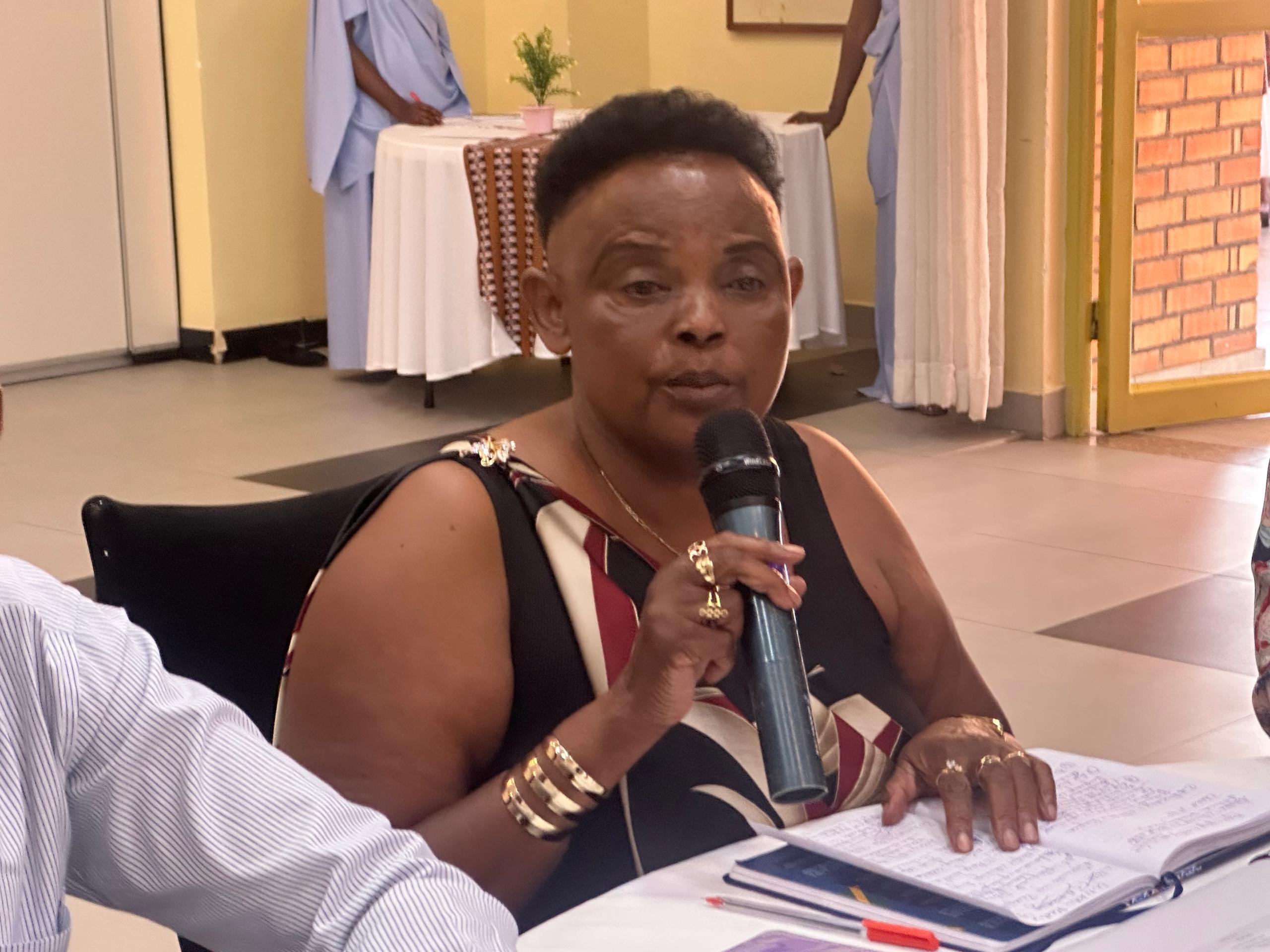
Participants also shared perspectives from the field, highlighting that women and girls with disabilities face unique challenges requiring tailored interventions.
Disability rights activist Crescence Mukantabana urged stakeholders to identify sector-specific gaps and expand job creation across multiple industries without leaving others behind.
The dialogue concluded with renewed commitments to improve data systems, expand education access, strengthen workplace inclusion, and deepen collaboration among stakeholders. Participants agreed that inclusive employment is not only a matter of rights but also a catalyst for national development, ensuring that persons with disabilities participate fully and equitably in Rwanda’s progress.
theinspirerpublications@gmail.com



Leave a Reply