
African universities must prioritize collaboration to drive innovation, experts say
By Elias Hakizimana
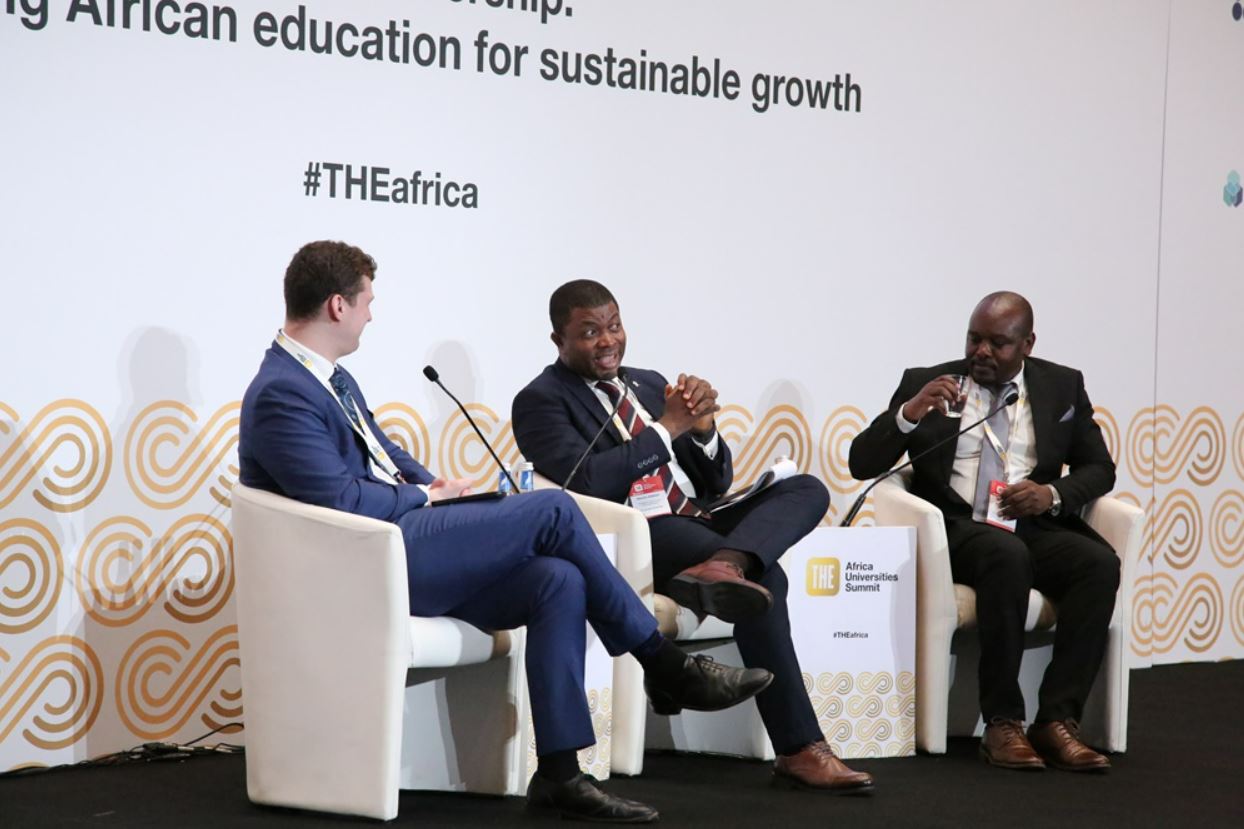
African universities must embrace stronger partnerships to enhance research, innovation, and academic excellence, experts emphasized during the ongoing Africa Universities Summit organized by Times Higher Education (THE) in Kigali on March 19, 2025.
Speaking at the summit, former Vice-Chancellor of Covenant University, Prof. Abiodun Adebayo, and Director of Academics at Carnegie Mellon University Africa, George Okeyo, underscored the transformative power of collaboration in higher education. The discussion was moderated by THE’s Regional Director for Africa, Tristan Horlick.
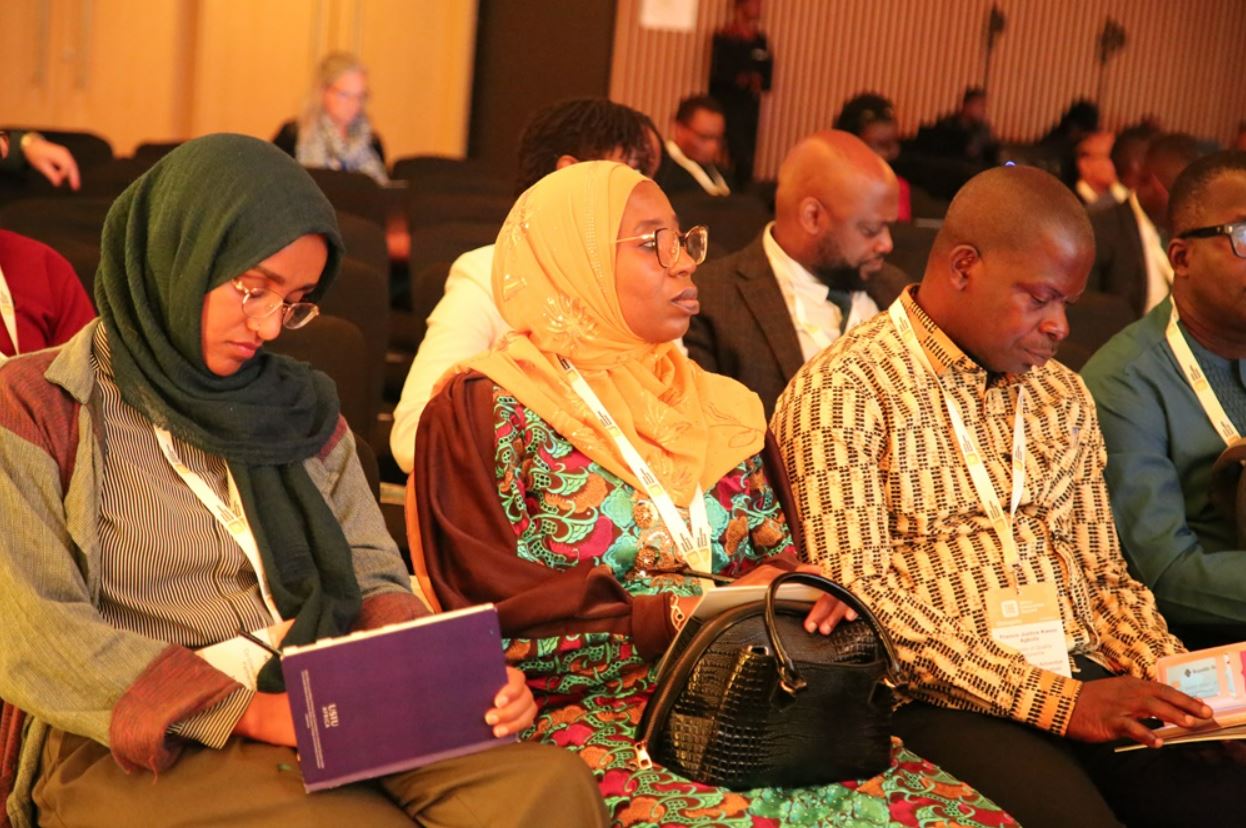
During an open session, audience members engaged panelists on the challenges and opportunities surrounding institutional partnerships.
Chris Miyake, from Nigeria’s National Universities Commission, emphasized the need for clear objectives in collaborations. “Most institutions enter partnerships without a well-defined vision of the expected outcomes. Clarity of intentions is key to ensuring sustainability,” he remarked. He also raised concerns about trust, questioning the frameworks in place to manage relationships effectively.
 Panelists responded by stressing the importance of establishing trust from the outset.
“Trust must be built into the foundation of any collaboration,” one speaker noted. “In our experience, defining clear pillars—such as research, teaching, and pathways to opportunity—helped align expectations and foster stronger relationships.”
He noted that early engagement with partner institutions allowed for a better understanding of compatibility and mutual goals.
Effective models of collaboration
Reinforcing Adebayo’s perspective, Okeyo highlighted Carnegie Mellon University Africa’s involvement in the AfriTech Network, a coalition of institutions advancing engineering and technology education on the continent. He emphasized that African institutions must take an active role in shaping collaborative projects rather than adopting a top-down model imposed by foreign partners.
“One of our key successes is the Tech Skills Marketplace, which connects students with startups for internships. This initiative not only gives students hands-on experience but also provides startups with skilled interns, creating a mutually beneficial ecosystem,” Okeyo explained.
However, he acknowledged challenges, particularly in institutional capacity.
“Many universities lack the support systems needed for research and business incubation. Strengthening these structures is crucial to ensuring that partnerships yield tangible results,” he said.

Transnational education and knowledge gaps
Louis Adekola, a university strategy consultant, posed a question on Transnational Education (TNE), a growing trend in Africa. He expressed concerns that some university leaders lacked a full understanding of the model, drawing a comparison to India’s gradual adaptation.
“If institutions don’t grasp the fundamentals, they can’t ask the right questions or make informed decisions,” Adekola argued.
Responding to this, a panelist acknowledged that knowledge gaps exist but highlighted ongoing efforts to bridge them. “TNE is still relatively new, and institutions are working to integrate it effectively. Initiatives like joint degree programs, where African and foreign universities collaborate on curriculum and certification, offer viable solutions,” he explained. He reassured the audience that regulatory bodies, such as Nigeria’s NUC, were actively working to support universities in adapting to this evolving landscape.
Encouraging young academics and shifting mindsets
Adekola also addressed the issue of mindset, particularly regarding young African professionals struggling to gain recognition. He noted that younger academics often feel overlooked compared to their Western counterparts, despite their expertise.
“Brilliant young Africans are doing exceptional work, but without the right networks or institutional backing, their contributions often go unnoticed,” he said.
A panelist encouraged young professionals to remain persistent. “Mindset shifts take time. Keep solving problems, share your work widely, and use platforms like social media to showcase your contributions. Recognition will come with tangible impact,” he advised.
Leveraging regional networks for growth
Panelists urged African universities to maximize existing networks such as the Regional Universities Forum for Capacity Building in Agriculture (RUFORUM) instead of creating redundant frameworks. Okeyo also encouraged institutions to initiate new networks where gaps exist, citing artificial intelligence in agriculture as an example.
Adebayo warned against ineffective partnerships, pointing out that many institutions sign Memorandums of Understanding (MOUs) that never materialize. “Too often, these agreements gather dust. Universities must ensure that collaborations are dynamic, with clear objectives and accountability mechanisms,” he stated.
Sustainable research and innovation partnerships
The speakers pointed to successful initiatives such as the African Research Universities Alliance (ARUA) and the Partnership for Skills in Applied Sciences, Engineering, and Technology (PASET) as models for strengthening research collaboration. They also praised the Education Collaborative by Ashesi University, which brings together African university leaders to elevate higher education standards.
Adebayo likened academic partnerships to a tree’s survival: “A tree doesn’t move, yet it thrives by collaborating with the sun, soil, and rain. Likewise, institutions must actively seek out collaborations to flourish.”
As the summit continues, panelists stressed that African universities must prioritize sustainable, mutually beneficial partnerships to drive innovation and economic development.
“We cannot be self-sufficient in isolation,” Adebayo concluded. “Collaboration is the only way forward.”

theinspirerpublications@gmail.com





Leave a Reply