

Stakeholders convene to tackle urban governance issues in Rwanda’s secondary cities
By Elias HAKIZIMANA.
Urban governance challenges facing Rwanda’s rapidly growing secondary cities were at the center of the National Utafiti Sera Stakeholders Convening held on June 5, 2025, in Kigali.
The event was organized by the Institute of Policy Analysis and Research (IPAR-Rwanda) in collaboration with the Partnership for African Social and Governance Research (PASGR), a Kenya-based think tank with a continental reach.
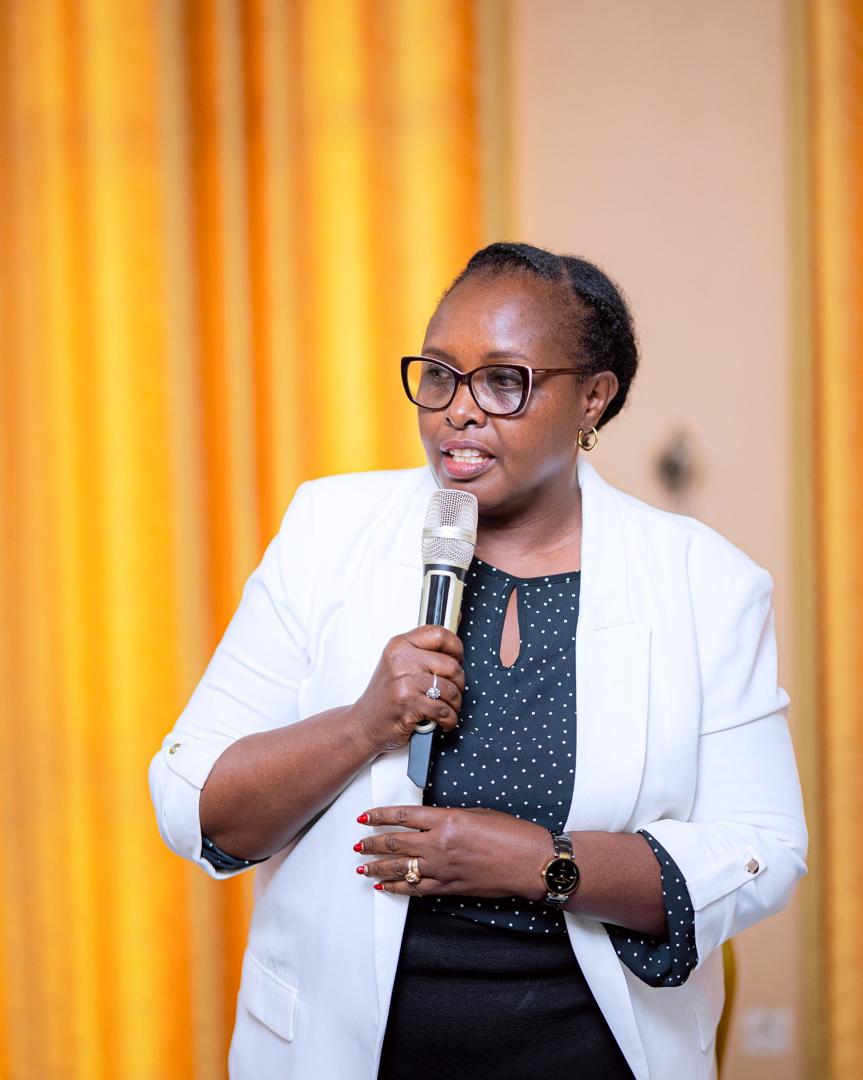
Opening the convening, Kayitesi Eugenia, the Executive Director of IPAR-Rwanda warmly welcomed participants and thanked them for dedicating their valuable time to the dialogue.
“Our mission is to promote evidence-based policymaking and foster a culture of dialogue,” she said, emphasizing IPAR’s 17-year legacy of shaping public policy through rigorous research, stakeholder engagement, and knowledge sharing.
Since 2018, IPAR-Rwanda and PASGR have worked together under the Utafiti Sera initiative, a Swahili term meaning “research policy.” The initiative bridges the gap between research and policymaking by building platforms where researchers, policymakers, and communities engage throughout the policy cycle.
This model—applied in multiple African countries—shifts away from traditional top-down research delivery, instead promoting continuous, inclusive dialogue and co-creation of policy solutions.
Sam Oando from PASGR stated: “At PASGR, our approach is not to impose solutions or tell people what to do. We cannot expect Rwanda to adopt what works in Kenya. Instead, we aim to bring people together to identify their own challenges based on their lived experiences and local realities. Our role is to create a platform for dialogue, where evidence and collaboration drive context-specific solutions.”
In Rwanda, urban governance was selected as the Utafiti Sera thematic focus, aligning with the country’s Vision 2050, which aspires to achieve 70% urbanization by mid-century. The National Strategy for Transformation (NST1) highlights secondary cities—such as Huye, Musanze, Nyagatare, Rusizi, Muhanga, and Rubavu—as key to driving inclusive urban growth and development.
Findings shared at the convening were drawn from localized forums conducted in these cities since 2021.
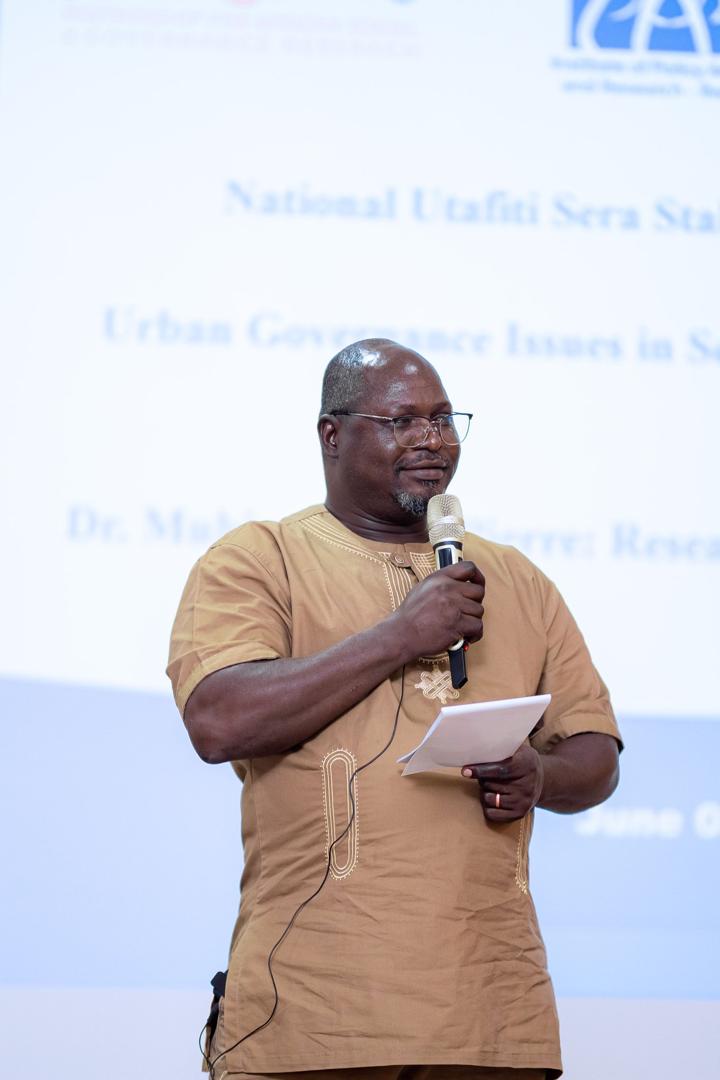
According to Dr. Muhirwa Jean Pierre, a research fellow at IPAR-Rwanda, the forums used a participatory approach that brought together local government leaders, researchers, citizens, and urban planners to identify context-specific challenges and explore policy solutions.
The dialogues revealed common challenges across Rwanda’s secondary cities, including overlapping master plans, weak intersectoral coordination, limited infrastructure budgets, environmental degradation, and rapid, unplanned urban growth.
City-specific issues also emerged, including vulnerability to climate-related hazards, weak enforcement of urban plans, environmental threats, inadequate infrastructure, and limited access to essential services. Several cities also face high youth unemployment, informal settlements, and declining economic activity driven by institutional shifts and low investor confidence.
Dr. Muhirwa emphasized that “Urban governance must evolve to match the dynamic needs of rapidly growing cities if Rwanda is to achieve its development goals.” He added that national policies should avoid applying uniform frameworks across all districts and instead adapt to the unique contexts of each city.
As the Executive Director highlighted, this convening builds on a series of engagements that have helped IPAR-Rwanda and its partners map stakeholders, strengthen policy networks, and stimulate evidence-informed decision-making.
The event concluded with a collective commitment to consolidate key lessons, ideas, and recommendations from the dialogue into a national report. This report will serve as a foundation for evidence-based advocacy by IPAR-Rwanda to improve urban governance in line with the country’s long-term development aspirations.
“Together, we can harness the benefits of urbanization through coordinated planning and inclusive governance,” the Executive Director affirmed, expressing hope for fruitful discussions and impactful outcomes from the convening.

theinspirerpublications@gmail.com


Leave a Reply