
DIWA empowers women with disabilities in the fight against gender-based violence
By Prince Boris Cyubahiro.
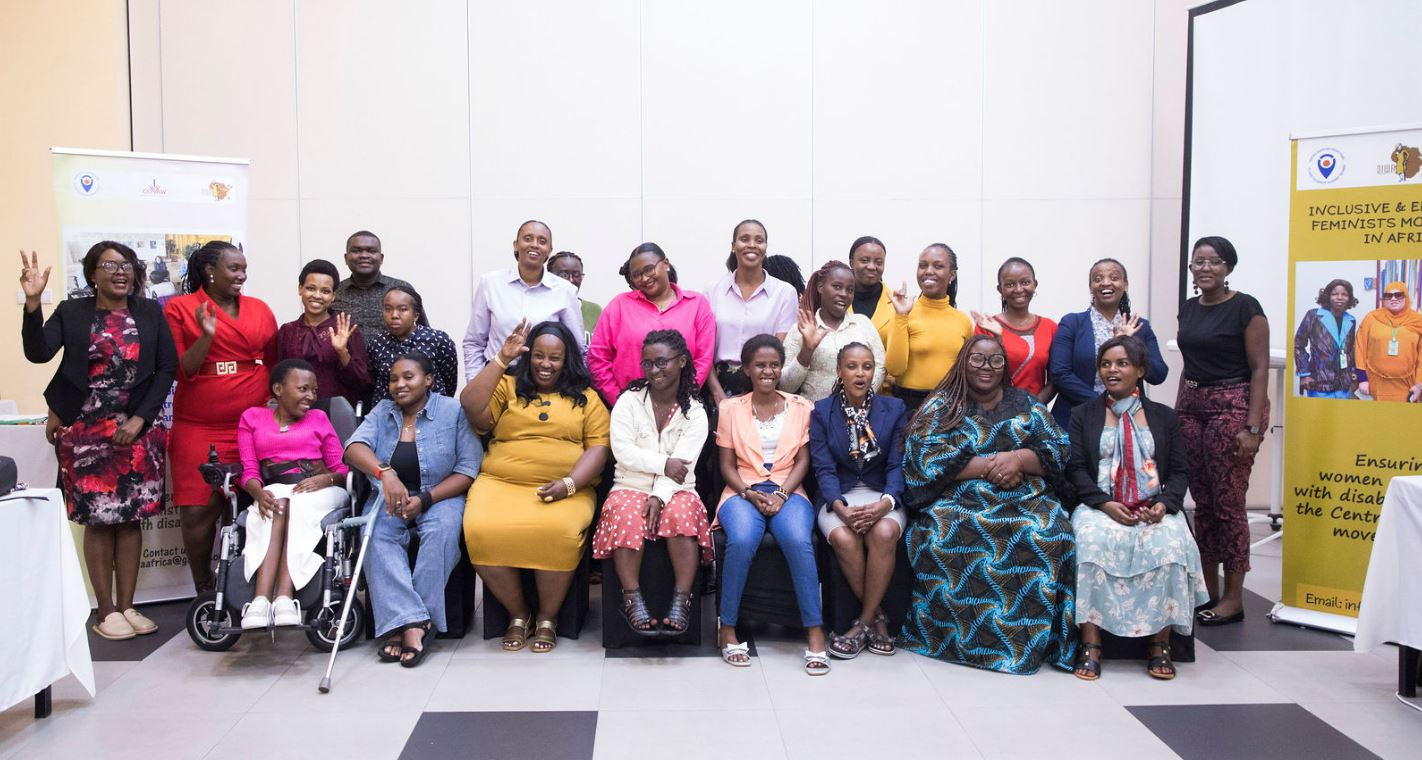
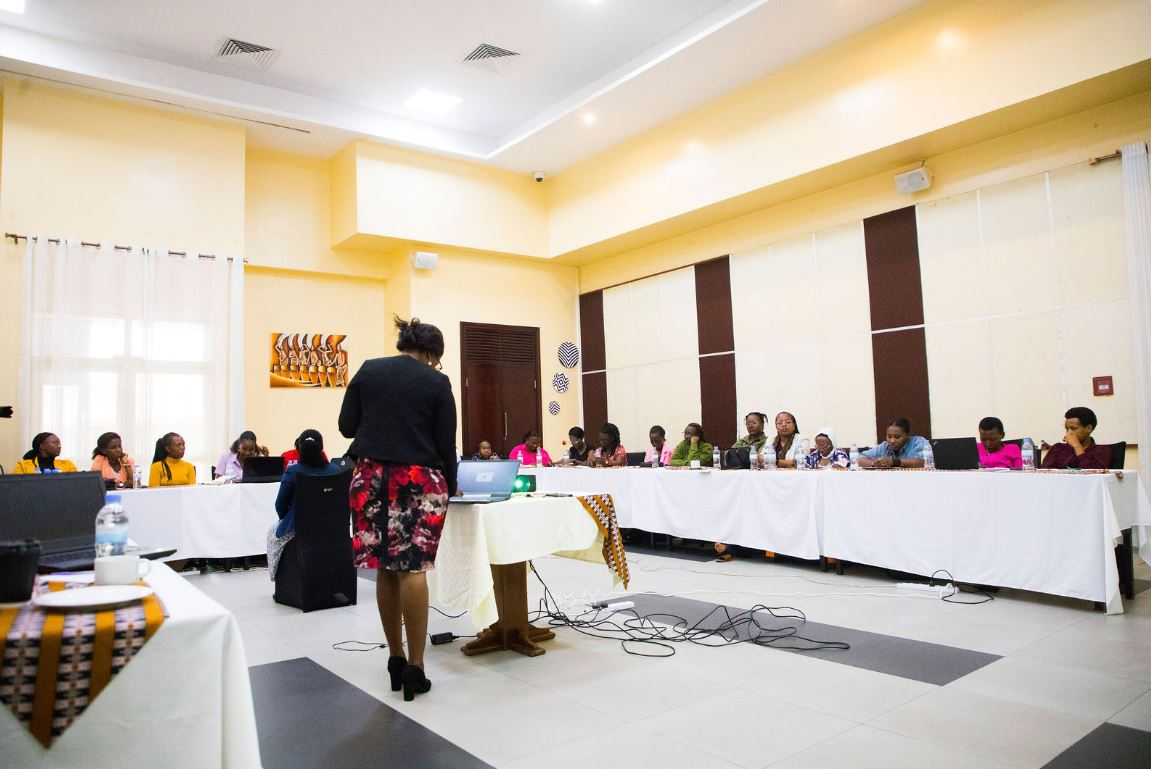
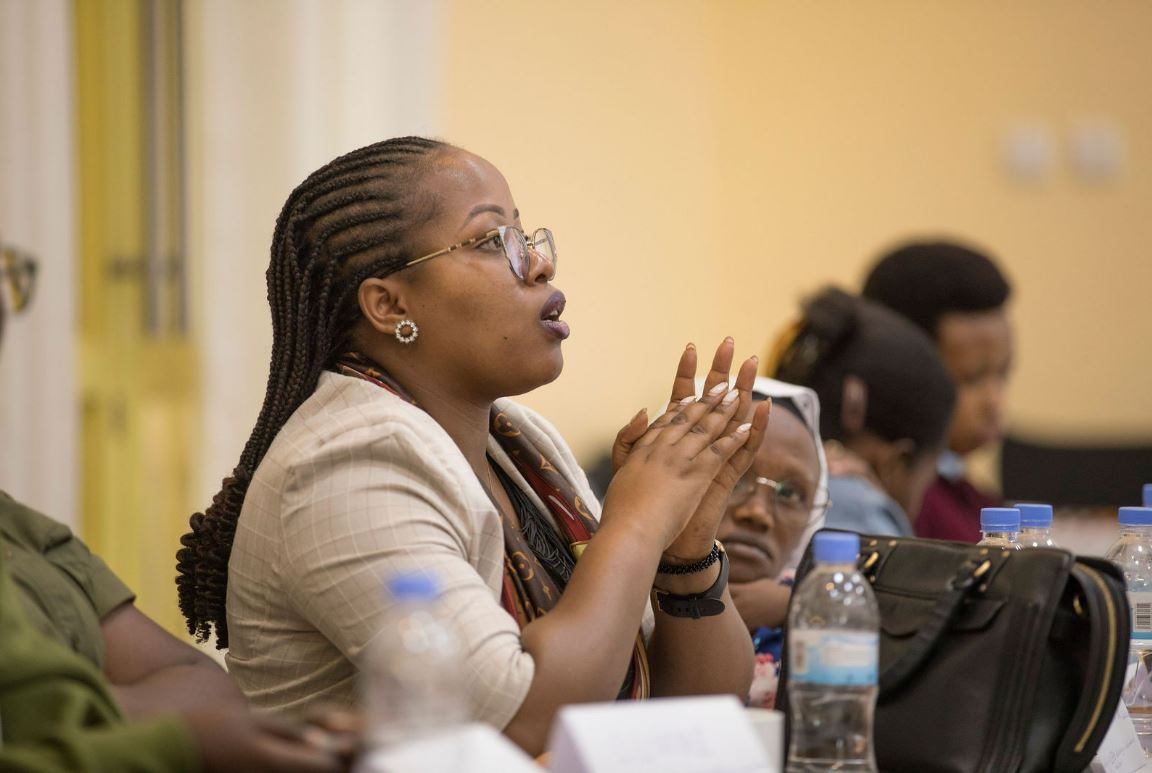
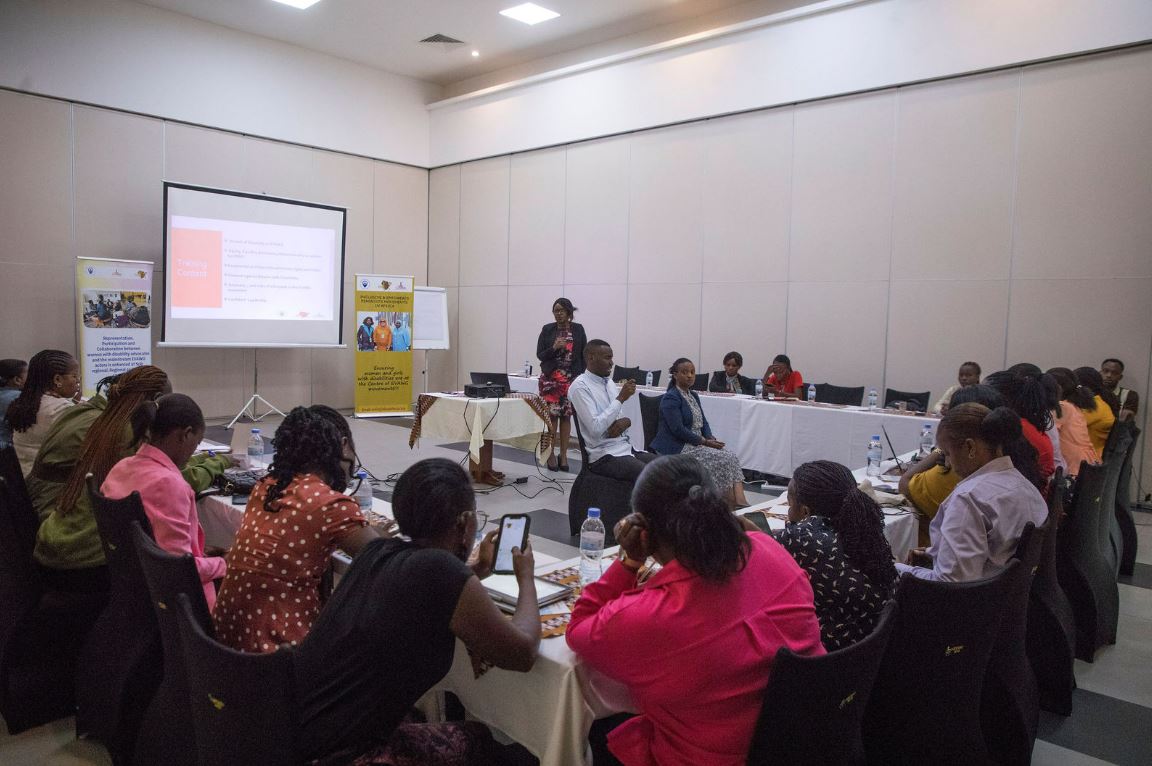
Kigali, Rwanda – June 4, 2025 – Disabled Women in Africa (DIWA), a regional network based in Malawi, has launched a two-day capacity-building workshop in Kigali aimed at strengthening the leadership and advocacy skills of women and girls with disabilities in addressing gender-based violence (GBV).
The initiative is part of the Inclusive and Empowered Feminist Movement in Africa project, implemented in collaboration with the Kenya-based Coalition on Violence Against Women (COVAW) and funded by the UN Trust Fund.
Bringing together Rwandan women with disabilities, the workshop offers intensive training and dialogue to enhance their understanding of international policy frameworks, explore the unique forms of violence they face, and develop essential leadership and advocacy tools.
“This two-day workshop is about equipping women with disabilities with the knowledge and confidence to advocate for their rights and be key players in the movement to end violence against women and girls,” said Virginia Mzunzu Kwizombe, Programme Manager for the Ending Violence Against Women project at DIWA.
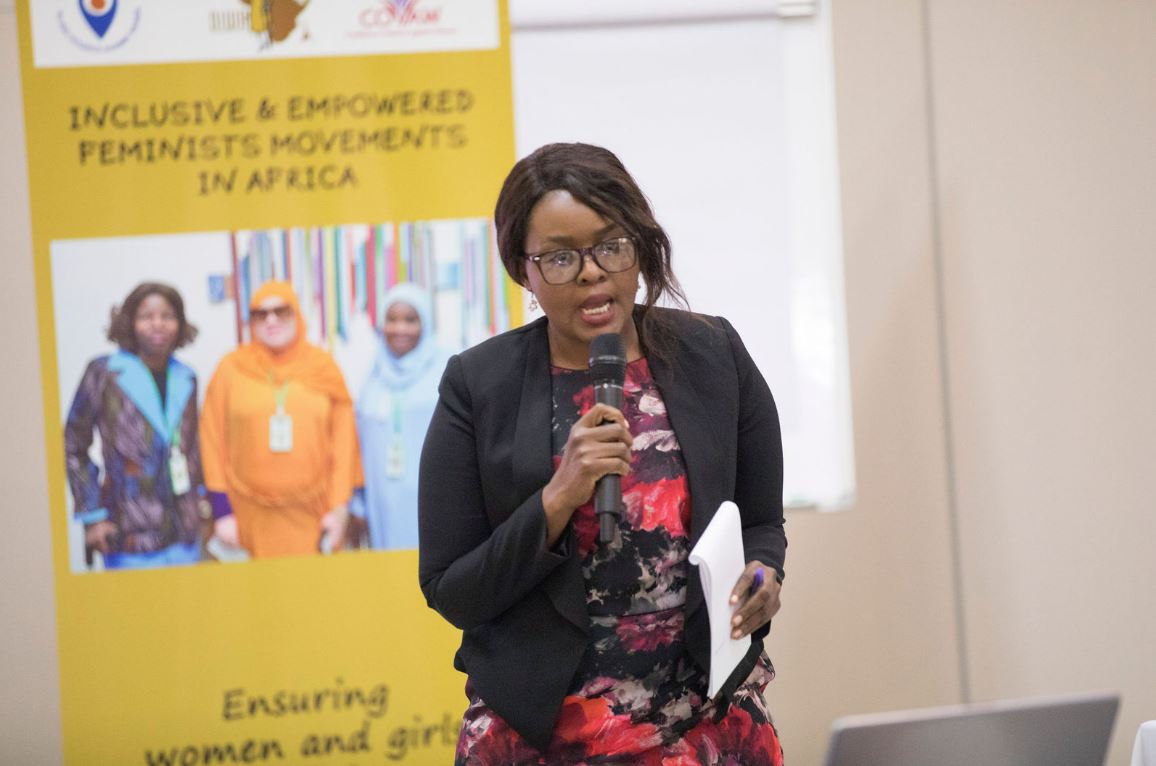
According to Kwizombe, the project aims to correct a longstanding gap in representation by integrating the voices and experiences of women with disabilities into broader feminist movements and policy-making spaces, both nationally and across the continent.
The workshop’s key objectives include strengthening the leadership and advocacy capacities of women with disabilities to enable their effective participation in the Ending Violence Against Women and Girls (EVAWG) movement; deepening their understanding of national and international legal frameworks such as the UN Convention on the Rights of Persons with Disabilities (UNCRPD), the Convention on the Elimination of All Forms of Discrimination Against Women (CEDAW), and the African Disability Protocol (ADP); and providing practical tools for confident advocacy, including the development of compelling elevator pitches for engaging policymakers and stakeholders.
One of the practical strategies taught during the workshop is how to formulate a concise and persuasive “elevator pitch”—a brief but impactful message tailored to decision-makers. This tool enables participants to articulate their advocacy goals in high-stakes situations, such as lobbying for government ratification of key frameworks like the African Union Convention on Ending Violence Against Women and Girls (AUCVAC).
“Many women with disabilities don’t report abuse because they don’t even recognize it as violence,” Kwizombe noted. “Through this workshop, we want them to understand what violence looks like, and how they can use existing policy frameworks to claim their rights and push for change.”
The event marks a significant step in empowering women with disabilities to not only protect themselves but also lead the charge in shaping inclusive, gender-sensitive policies across Africa.
Jovine Uwamariya, President of Umbrella of Organisations of Women with Disabilities (UNABU), expressed heartfelt gratitude for the workshop.
“During this training, we gained valuable knowledge about international legal frameworks that protect women and girls with disabilities,” she said. “We are hopeful for many positive changes, and we will continue to educate our members about these protective laws—especially those rooted in international human rights instruments like the Maputo Protocol and the UNCRPD. These frameworks guide our advocacy efforts.”
Uwamariya emphasized that advocacy is a tool for change. “Whenever we see that progress is stalling, we double our efforts to raise awareness of the laws that defend the rights of persons with disabilities.”
However, she also acknowledged the challenges that persist. “Some members are not aware of the laws that protect them. Others mistakenly believe those rights don’t apply to them. And many struggle with feelings of hopelessness, feeling as though they’ve been left behind.”
To address these barriers, UNABU frequently organizes general assemblies with community members—including persons with disabilities and their families—to raise awareness and strengthen grassroots advocacy.
Looking ahead, Uwamariya expressed high expectations. “We’re eager to learn from the experiences of countries like Malawi and Kenya. At UNABU, we already conduct training on issues such as violence against women and girls with disabilities, and we believe this regional exchange will enrich our efforts.”
She concluded with optimism: “The good news is that we now have the right information and tools. We are ready to apply what we learn to reinforce our advocacy and help drive lasting, meaningful change.”
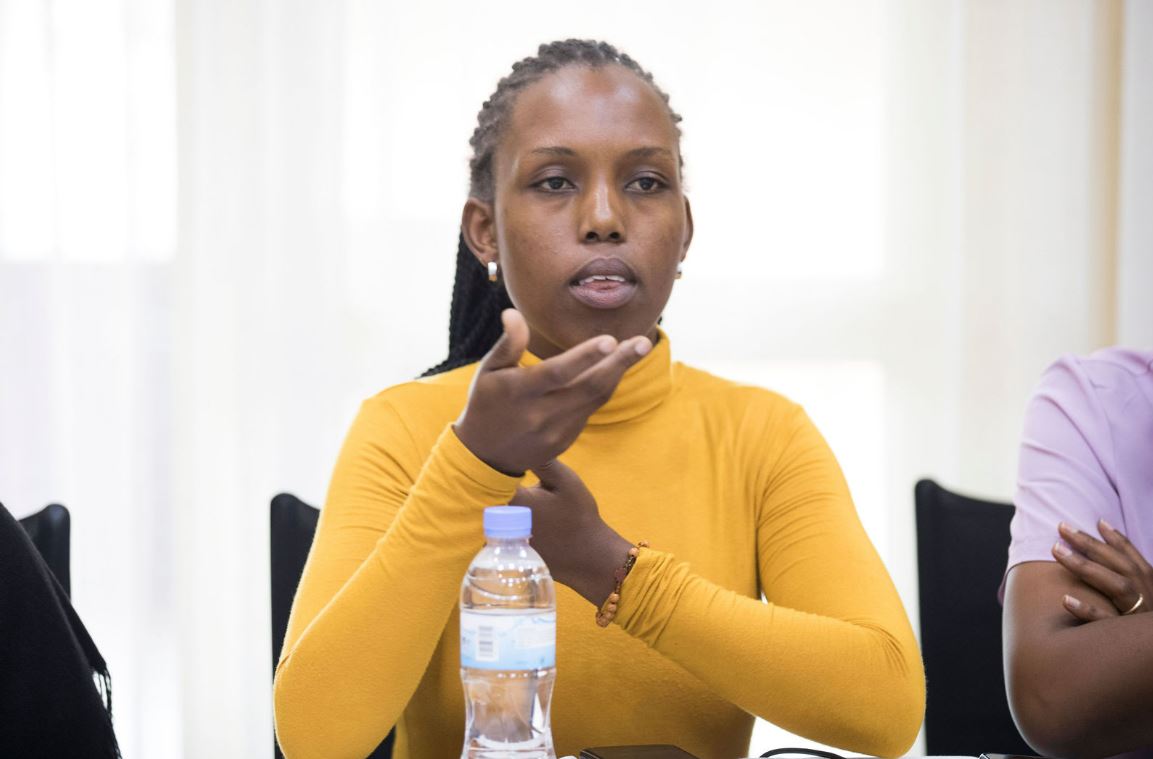
Personal stories from workshop participants further revealed how deeply rooted stigma and exclusion continue to affect women with disabilities. One participant explained how being overlooked and underestimated shaped her desire to become a voice for change in her community. “As a woman with a disability, I have faced many challenges — being underestimated, ignored, or treated like I have no voice. But these experiences made me stronger. I learned to speak up not just for me, but for my family and other women like me.”
She also highlighted the persistent challenge of stigma that hinders effective advocacy. Despite often feeling invisible, she draws strength from community allies and inclusive networks. “The biggest challenge is stigma — people think a woman with a disability can’t be a leader or protect her family. But I keep going. I use sport, my work, and my voice to show that I’m capable. I also connect with other women and groups who believe in inclusion — together, we are stronger.”
theinspirerpublications@gmail.com



Leave a Reply