

African cooling leaders call for investment in refrigeration to curb food losses and create jobs
By Elias Hakizimana.
African refrigeration and air-conditioning leaders have called for greater investment in cold-chain infrastructure, affordable equipment and technical training, warning that inadequate cooling contributes to food losses, threatens public health and limits employment opportunities.
The Union of Associations of African Actors in Refrigeration and Air Conditioning (U3ARC) made the call as it opened its sixth Ordinary General Assembly in Kigali on Thursday, October 29, ahead of the 38th Meeting of the Parties to the Montreal Protocol (MOP38), which Rwanda will host from November 2 to 6.
Held at the Africa Centre of Excellence for Sustainable Cooling and Cold-Chain (ACES), the three-day assembly is focusing on technician certification, alternative refrigerants, women’s participation and a common African position on sustainable cooling.

U3ARC President Madi Sakandé said improved refrigeration could help farmers preserve produce, reach wider markets and reduce dependence on imported food. Citing figures attributed to the Food and Agriculture Organization of the United Nations, he said post-harvest losses in Africa range from 40% to 70%.
“When we are importing food from other countries, the industries producing it generate emissions, while we waste our own food,” Sakandé said.
He urged governments to expand cold storage near farming communities, promote solar-powered cooling where electricity is unreliable and strengthen technical education.
Sakandé cited a U3ARC survey indicating that import taxes on cooling equipment reach between 40% and 111% in some African countries. He said high costs can prevent technicians from acquiring tools, establishing businesses and extending services to underserved communities.

Refrigeration is also vital for hospitals, vaccine and medicine storage, telecommunications, data centres and industry. Expanding the sector could create jobs in installation, maintenance and repair.
The assembly comes ten years after Kigali hosted the adoption of the Kigali Amendment to the Montreal Protocol, under which countries committed to phase down hydrofluorocarbons (HFCs), powerful greenhouse gases used in cooling equipment.
Anita Gikundiro, ACES director of operations, said international climate commitments would ultimately depend on the people installing and maintaining cooling systems.
“Targets are written in conference halls. They are made in workshops, in cold rooms, on rooftops and in hospital plant rooms,” she said, pointing to technicians who recover refrigerants rather than release them and trainers who teach young women to handle alternative refrigerants safely.
“The Kigali Amendment will succeed in your hands or it will not succeed at all,” Gikundiro said.

She said cooling supports food security and health by preserving harvests and keeping vaccines potent. ACES, a partnership involving the Government of Rwanda, UNEP and the UK Government, provides training, research and technology demonstrations.
Oluyomi Banjo, who leads the United Nations Industrial Development Organization’s (UNIDO) work on the Montreal Protocol and sustainable cooling, also stressed that the transition depended on skilled professionals.
“One lesson stands out from this decade. The transition is won or lost in the hands of the type of people that are seated in this room,” Banjo said.
UNIDO supports Montreal Protocol programmes in 44 African countries. In Rwanda, it is equipping a central unit and four provincial centres of excellence and supplying refrigerant reclamation units and identifiers.
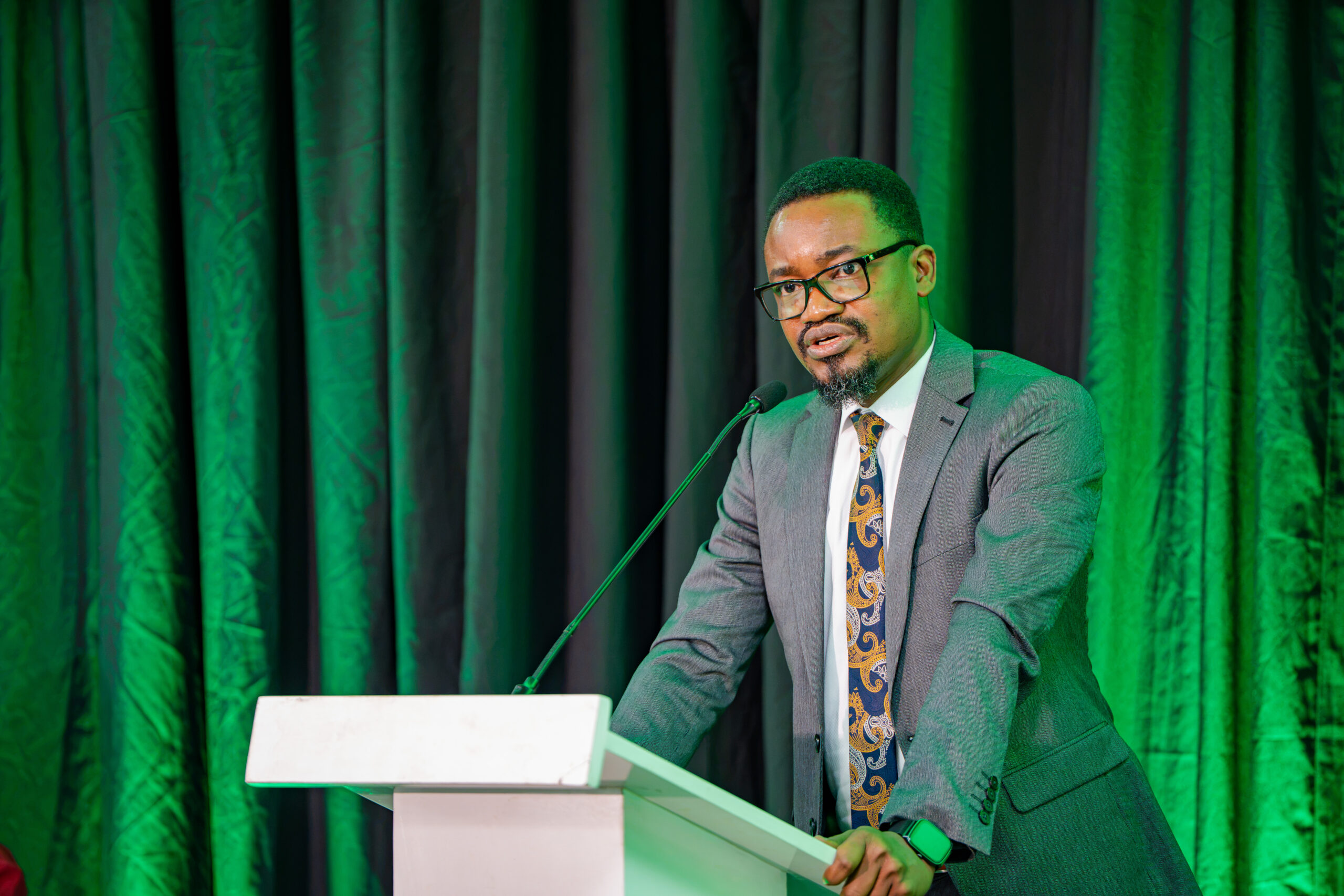
Banjo said eight Rwandan trainers completed a two-week training programme in Cairo in 2025 before sharing their knowledge locally. In South Africa, four demonstration projects using natural refrigerants at supermarkets, a food-processing plant and a public hospital reportedly improved energy efficiency by 25% to 40%.
Some alternative refrigerants are flammable or operate under high pressure, making training, certification, safety standards and appropriate equipment essential. Banjo urged governments to reduce duties on tools and equipment while strengthening refrigerant recovery, recycling and reclamation systems.
Opening the assembly on behalf of the Government of Rwanda, Eric Mudakikwa Ruhanamirindi, Environment Analytics and Lake Kivu Monitoring Division Manager at the Rwanda Environment Management Authority (REMA), said climate commitments must translate into practical action.
He described technicians as central to the transition and professional associations as a link between governments and workers, including those in the informal sector. Rwanda expects the meeting to produce recommendations on natural refrigerants, national preparedness and equipment costs, he said, while calling for greater participation by women and regional cooperation so technicians’ qualifications can be recognised across African countries.

Dr Jean de Dieu Iyakaremye, chair of the organising committee and a senior lecturer, energy at ACES said African technicians must be prepared to manage the risks and opportunities associated with alternative refrigerants.
He said the amendment’s success rests on technicians who install, service, repair and decommission cooling equipment. The programme includes discussions on harmonised certification, women’s participation and alternative refrigerants.
“Ten years ago, you gave the world an amendment. This week, let Kigali give Africa a voice,” Iyakaremye said, referring to the Kigali Message expected from the assembly.

Women’s representation was also highlighted by Raoudha Massaoudi, president of the Tunisian Association of Refrigeration and Air Conditioning and U3ARC’s secretary responsible for gender mobilisation and promotion.
Massaoudi said some technical training classes have only one woman among 20 students. An engineer since 2005 who also trains male technicians, she said gender stereotypes and cultural expectations continue to discourage women from entering the profession.
She called for wider access to technical education and employment, plus public awareness of safe refrigeration and food storage. The assembly will recognise practical skills through the Dr Charity Kpabek and ARIWA awards.

Founded in 2020 and based in Ouagadougou, Burkina Faso, U3ARC brings together more than 45 associations and over 10,000 registered technicians, according to organisers.
Participants are expected to adopt the Kigali Message, setting out African refrigeration professionals’ priorities ahead of MOP38.
For farmers, health facilities and businesses, leaders said, investment in cold chains, affordable equipment and skilled technicians could mean less food wasted, safer medicine storage and more employment opportunities.
theinspirerpublications@gmail.com
Related photos:




Leave a Reply