
Why has a Rwf 900 Million silk factory been stalled for four years?
By The Inspirer.
Rwanda’s Ombudsman, Madeleine Nirere, has raised concerns over the inactivity of a Rwf 900 million silk processing factory that has been dormant for four years. Despite significant investment and the factory’s potential to boost Rwanda’s silk industry, the project has struggled to find a new investor after the previous partner terminated their contract.
During her address to both chambers of Parliament on October 22, 2024, Nirere presented a detailed report covering the activities of the 2023/2024 fiscal year, as well as upcoming plans for 2024/2025. One of the key issues raised was the stalled silk factory located in Masoro.
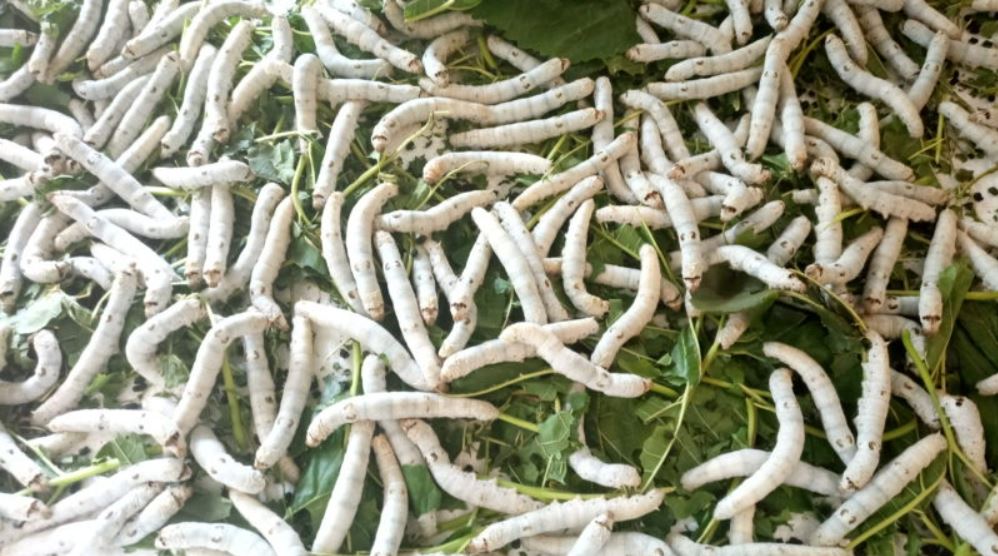
“The factory was built to process silk derived from mulberry-fed silkworms, and it was expected to operate in partnership between NAEB and HEworks Rwanda Ltd. However, since the termination of the contract by the investor, the factory has been inactive for four years, leading to losses for farmers involved in mulberry cultivation,” Nirere explained.
Farmers left in midpoint
The original plan for the factory was to cultivate mulberry trees on 10,000 hectares of land, benefiting over 5,000 farmers across Rwanda. However, due to the factory’s closure, many farmers have been left with no option but to abandon mulberry farming.
Nirere elaborated, “The factory was equipped with machines capable of processing 70 to 100 tons of silk per year, but it’s been sitting idle. The investor pulled out in 2021, citing the economic impact of the COVID-19 pandemic, which left them unable to sustain operations.”
The stalled factory has resulted in financial setbacks not only for the farmers but also for the government, which invested heavily in the project. According to Nirere, the factory’s closure has led to substantial losses, with the government now scrambling to find a new investor.
Government scrambles for solutions
NAEB and the Rwanda Development Board (RDB) have been tasked with reviving the factory by finding a new investor. At the same time, efforts are being made to encourage farmers to continue cultivating mulberry trees despite the uncertain future of the silk industry in Rwanda.
“NAEB was supposed to provide silkworms to farmers, who would cultivate mulberry trees. When the time came for harvest, the silk would be produced and processed at the factory,” Nirere noted.
The road ahead
Despite the setbacks, the silk industry has shown potential for growth. Between 2011 and September 2024, Rwanda exported 152.3 tons of silk. Additionally, the country earned $535,000 from silk exports between 2019 and 2023. These numbers indicate a market for silk production, yet the lack of a functioning factory has hindered further progress.
The Ombudsman’s report has now placed the spotlight on this issue, urging swift action to salvage the project and prevent further losses. While NAEB continues its search for an investor, the fate of the Rwf 900 million silk factory—and the livelihoods of the farmers who depend on it—remains in the balance.
theinspirerpublications@gmail.com





Leave a Reply