
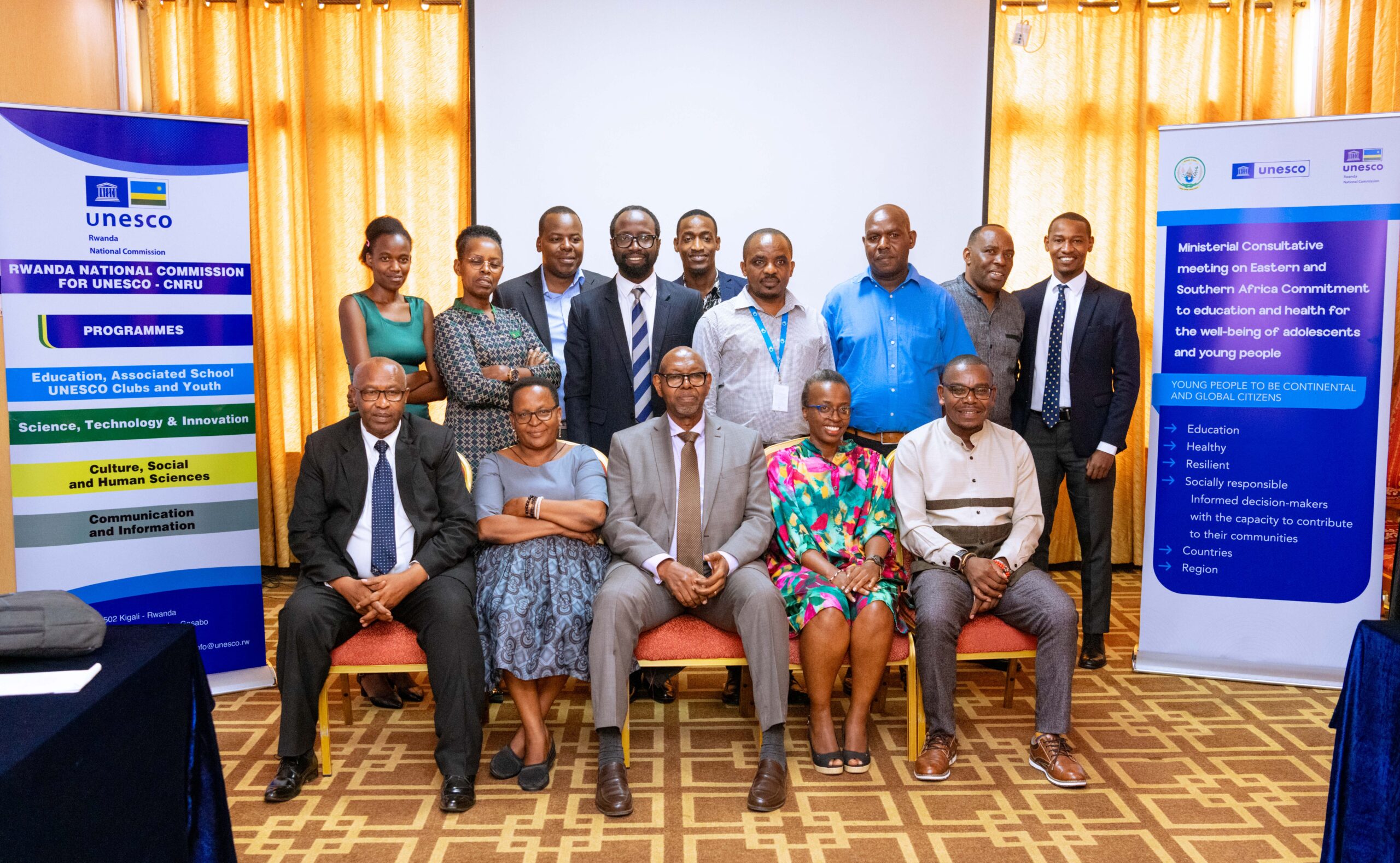
Rwanda Advances Commitment to Adolescent Health and Education
By Elias Hakizimana.
A crucial consultative meeting convened in Kigali today, on October 22, 2024, gathering key stakeholders from Rwanda’s Ministries of Education, Health, Gender, and Youth, alongside other partners, to endorse and propel the Eastern and Southern Africa (ESA) Ministerial Commitment on Education and Health.
Hosted by the Rwanda National Commission for UNESCO (CNRU), this meeting aimed to fortify national efforts toward the holistic development of adolescents and young people, prioritizing their health, well-being, and social responsibility.
This initiative is a continuation of the ministers’ reaffirmed commitment to empower African youth during the International Conference on AIDS and STIs in Africa (ICASA) held in December 2021. The commitment emphasizes the critical roles of gender equity, education, and youth-friendly services in addressing pervasive challenges such as HIV, early pregnancies, and gender-based violence (GBV).
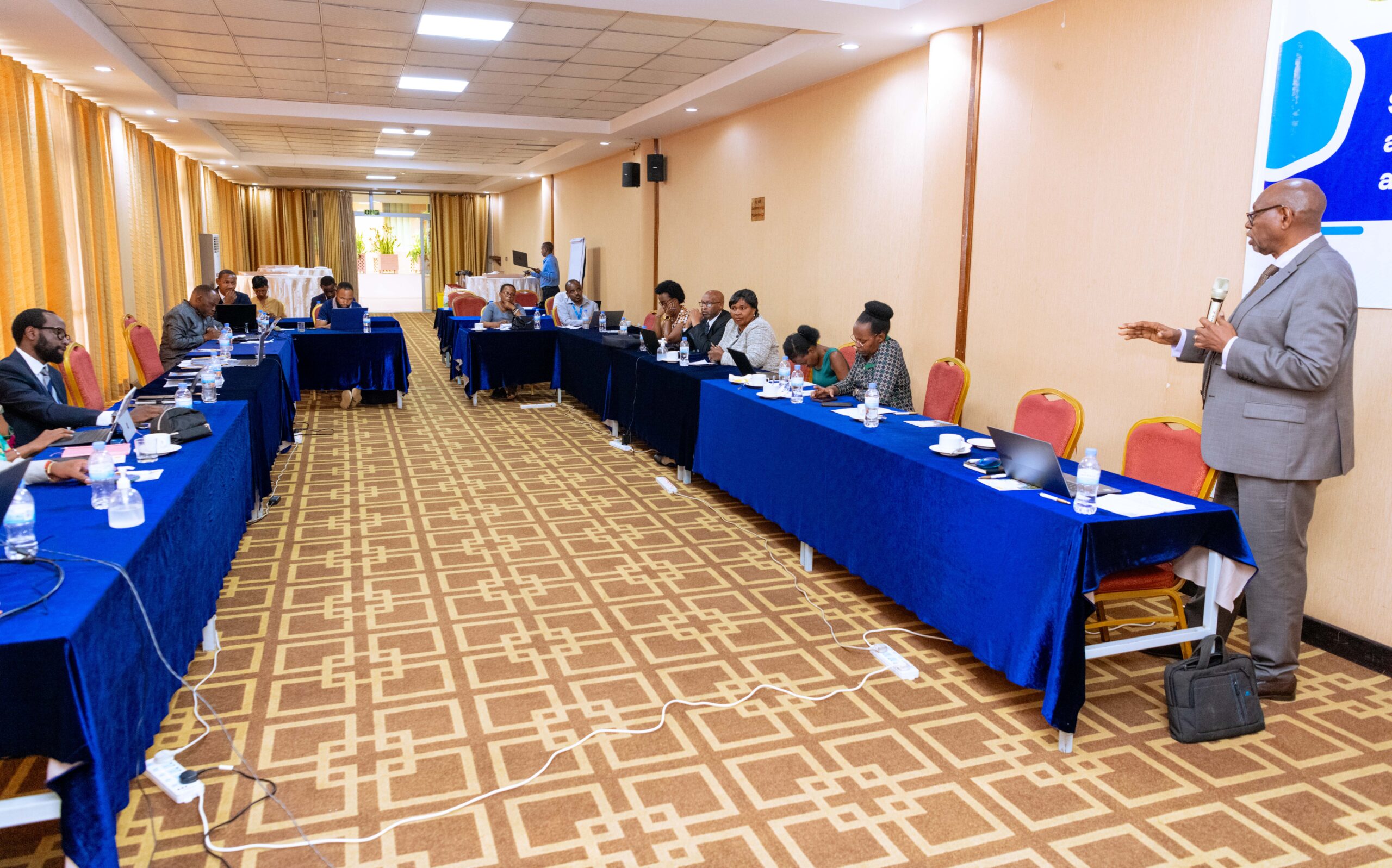
By fostering cross-sector collaboration, the ESA commitment seeks to equip young individuals with the skills necessary to make informed life decisions and contribute meaningfully to their communities.
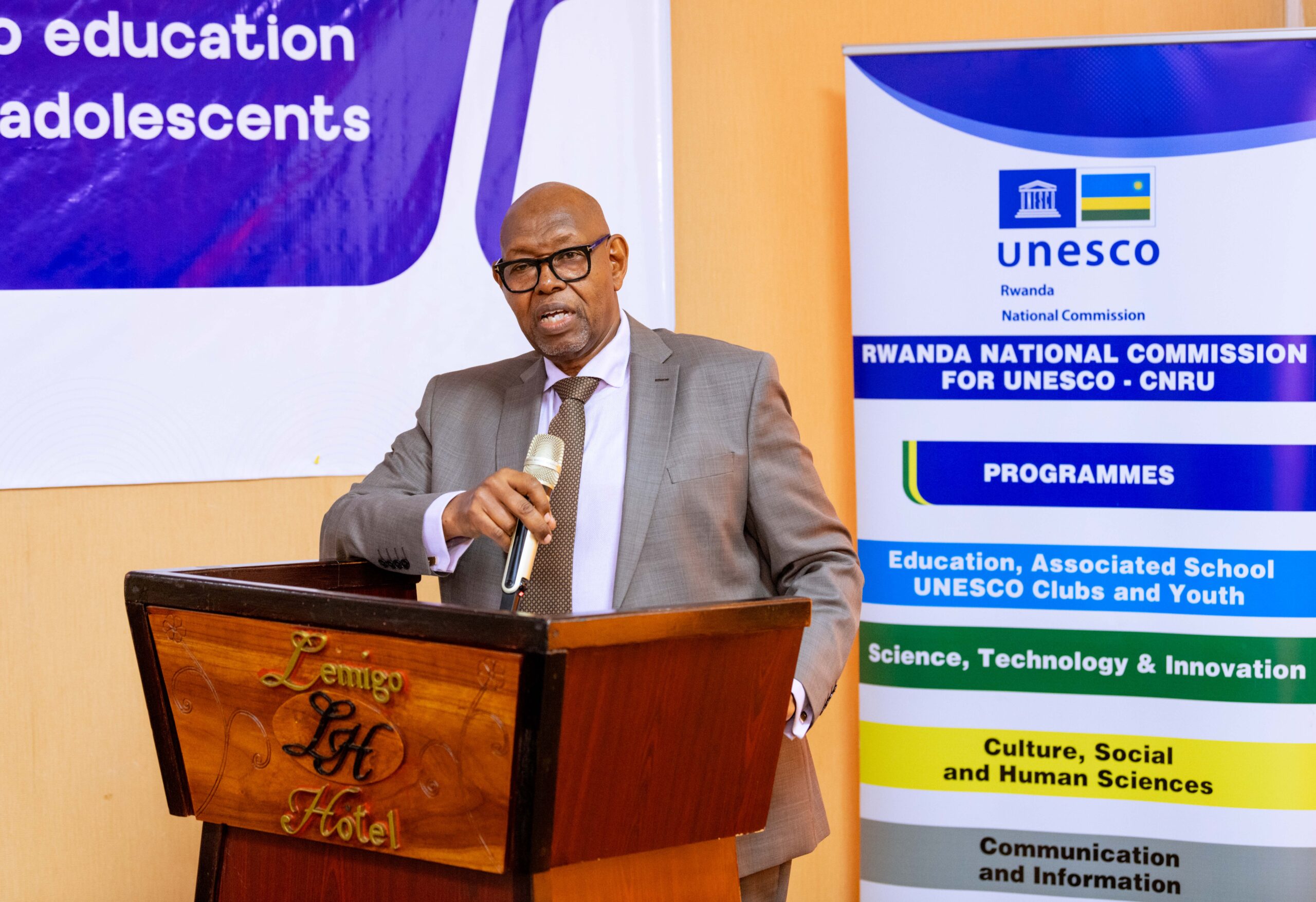
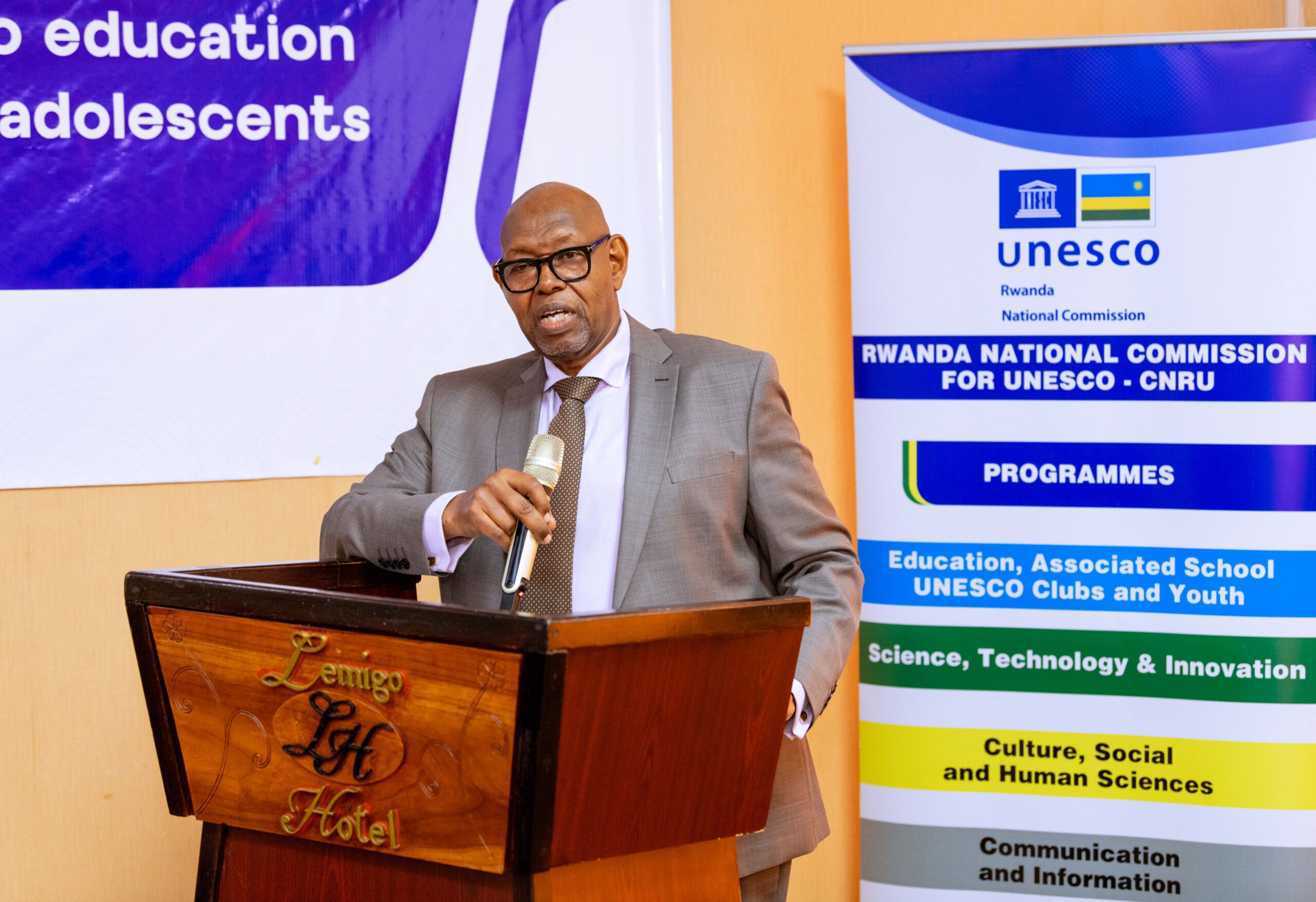
Mr. Albert Mutesa, Secretary General of CNRU, articulated the significance of the regional commitment during his address.
“Today’s meeting marks a pivotal moment in our collective effort to ensure that adolescents and young people in Rwanda have access to comprehensive education and health services,” he stated.
“By endorsing the ESA commitment, Rwanda is reinforcing its dedication to investing in youth empowerment, gender equality, and inclusive health services. This is a crucial step toward addressing the challenges faced by our young population, such as early unwanted pregnancies, HIV, and sexually transmitted infections (STIs).” Mutesa added.
Focus on Integration of Health Education
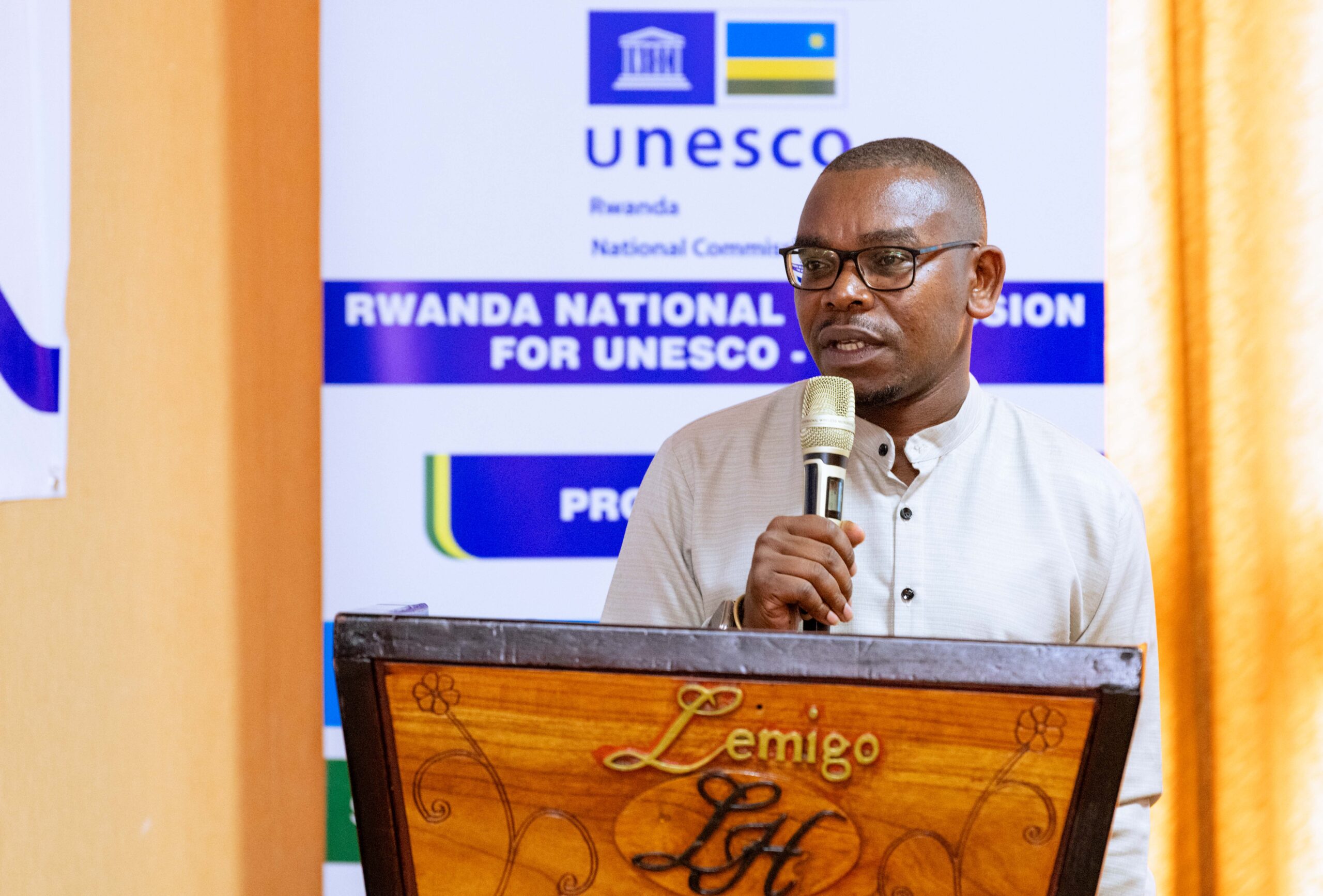
A key highlight of the meeting was a presentation by Dr. Ben Alexandre Mpozembizi, UNESCO Rwanda Antenna Coordinator and O3 National Project Officer, who emphasized the importance of harmonizing health education within school systems.
He asserted that healthy learners perform better academically, and well-educated students are more capable of leading healthy lives. His insights underlined that investing in school health programs is a strategic approach for enhancing both education and health outcomes, vital for achieving Sustainable Development Goals (SDGs) 3 and 4.
Dr. Mpozembizi discussed the African Union’s Continental Strategy for Education on Health and Wellbeing, which aims to improve the health and well-being of adolescents across Africa. This strategy aligns with the African Union’s Vision 2063 and Agenda 2030, focusing on equipping young people with the knowledge and skills needed for informed health decisions.
He also highlighted Rwanda’s progress in integrating life-skills-based sexuality education into its curriculum, addressing school violence, sexual and reproductive health, and GBV.
Addressing Unplanned Pregnancies and Knowledge Gaps
The meeting included a vital discussion on the pressing issue of unwanted pregnancies in Rwanda.
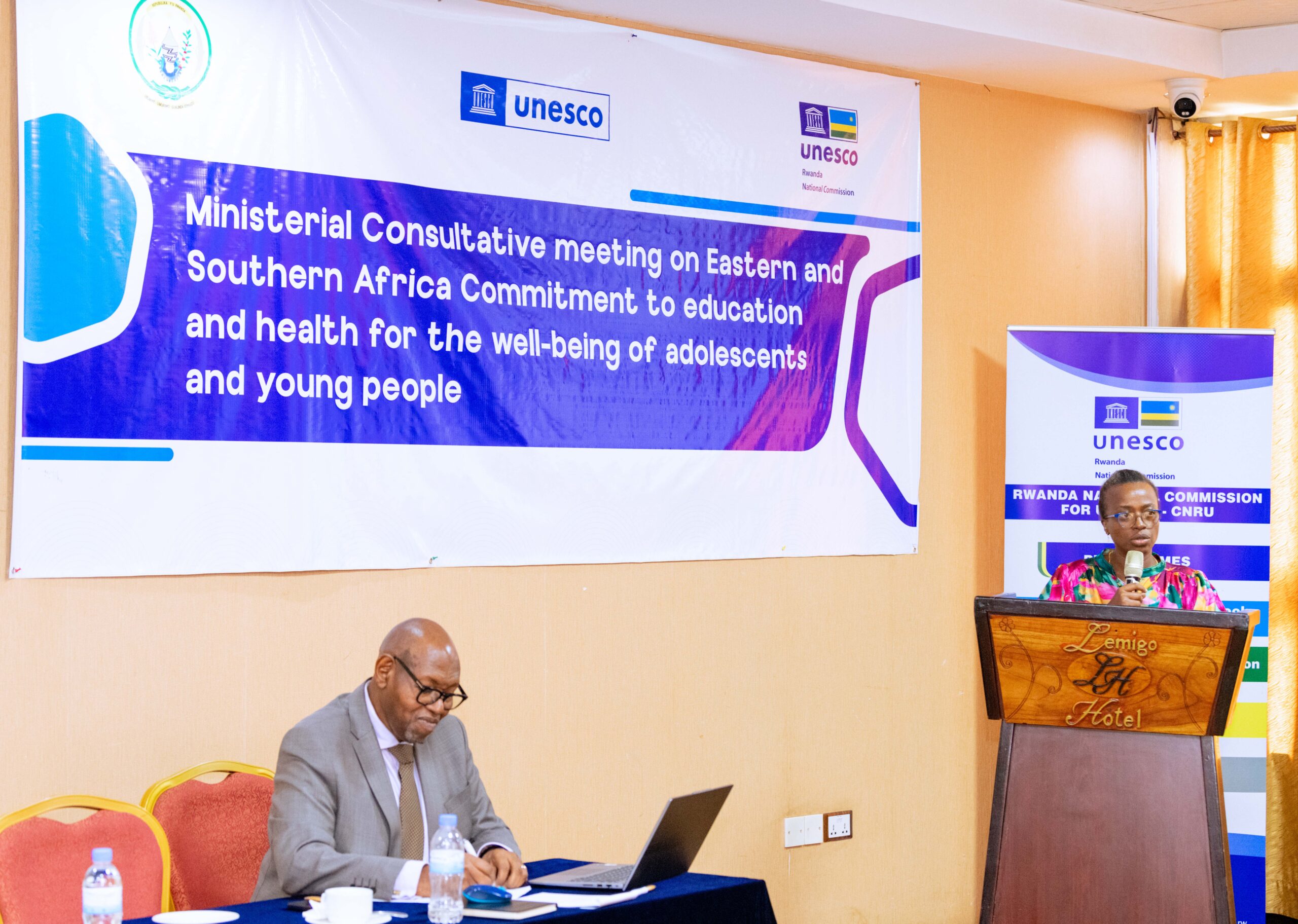
Dr. Aline Uwimana, in charge of child and maternal health at the Rwanda Biomedical Center (RBC), emphasized the necessity of providing young adolescents with access to reliable sexual and reproductive health information.
“These young adolescents must always be kept informed about sexual and reproductive health and the physiological changes in their bodies during puberty,” she stated, noting the consequences of misinformation.
Statistics reveal a challenging landscape: as of 2020, Rwanda’s fertility rate stood at approximately 4.1 children per woman, with about 20% of women aged 15-19 having initiated childbearing. Reports indicate that between 2016 and 2023, around 250,000 adolescents faced unplanned pregnancies, highlighting an urgent need for effective educational interventions.
Additionally, a report from the National Youth Council (2021) indicated that over 50% of youth lack sufficient knowledge about contraception and reproductive health services, underscoring a critical gap that contributes to increased vulnerability.
Dr. Uwimana remarked, “While we have made progress in reducing unwanted pregnancies, the results are not as favorable as we would like based on statistics. Some districts remain vulnerable, and we have identified family conflicts as one of the contributing factors to early pregnancies.”
Moving Forward
The meeting concluded with a resolute call to action for ministries and stakeholders to finalize the signing of the ESA Ministerial Commitment, with the signing ceremony scheduled to occur before end of 2024. This formal adoption of a collaborative framework is anticipated to enhance the well-being of adolescents and young people across Rwanda.
As Rwanda continues to confront the challenges of adolescent health and education, today’s consultative meeting marks a significant step forward in fostering a healthier, more informed generation capable of contributing positively to society.
theinspirerpublications@gmail.com




Leave a Reply