
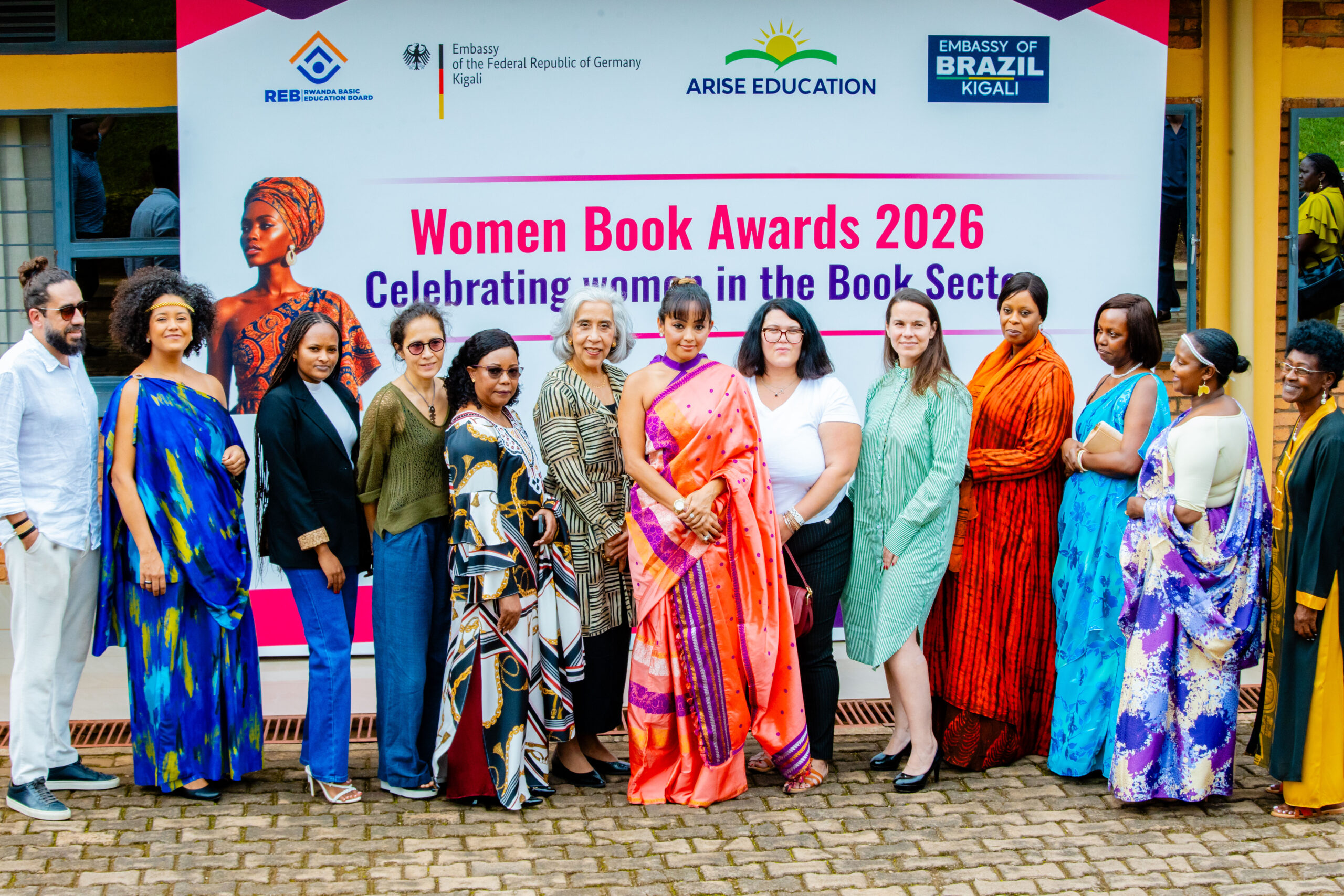
Women Book Awards 2026 celebrate female voices shaping Rwanda’s literary landscape
By The Inspirer.
The Women Book Awards 2026 brought together Rwanda’s literary community in a vibrant celebration of women shaping the country’s publishing and storytelling landscape.
Held during Women’s Month on March 6, 2026, the event recognized outstanding contributions by women authors, publishers, and literary leaders who are redefining what it means to write, publish, and promote literature in Rwanda.
From emerging voices to established figures, awardees were honored not only for the quality of their work but also for their commitment to nurturing a culture of reading and storytelling across communities nationwide.
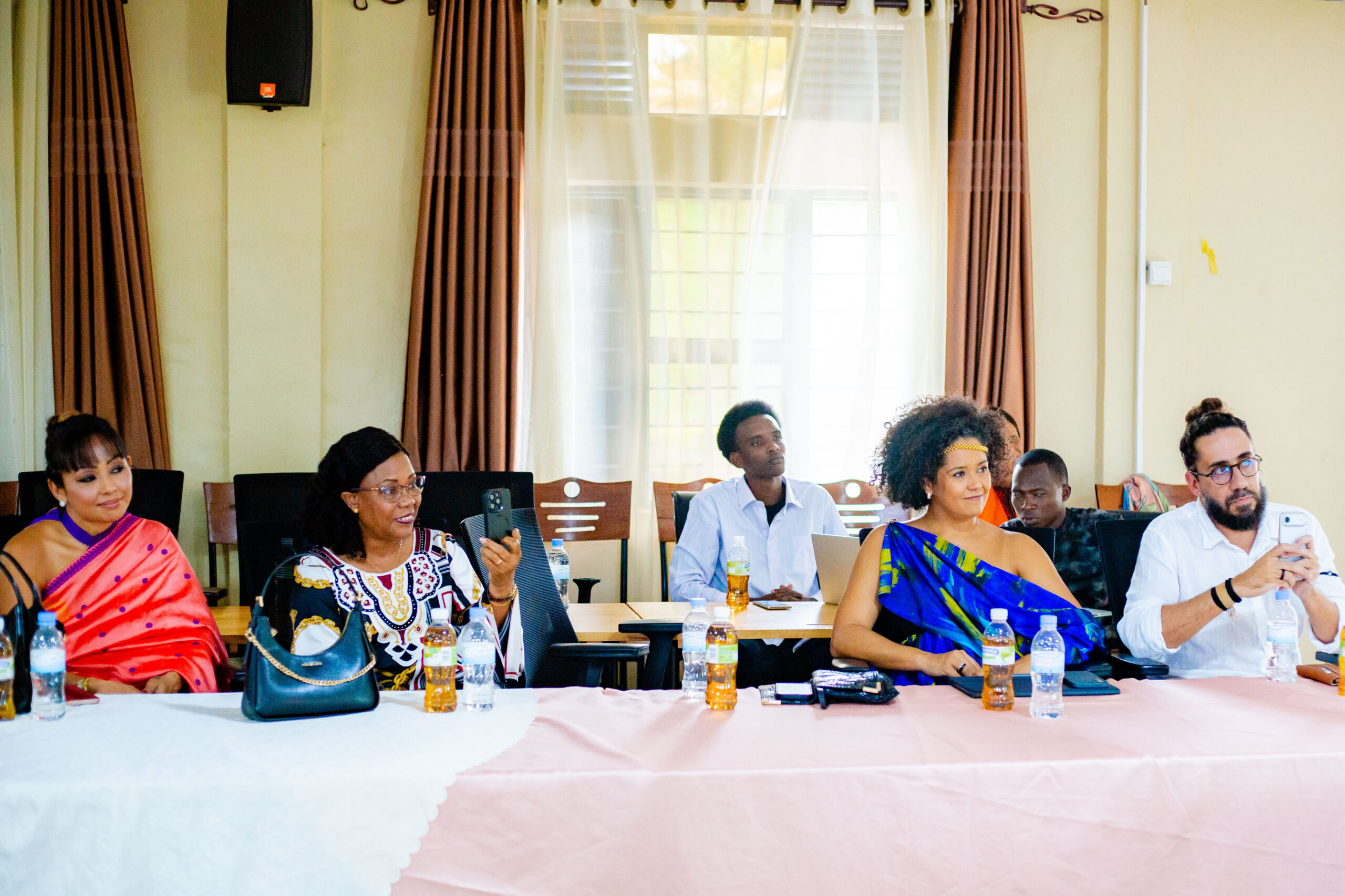
The ceremony attracted writers, publishers, educators, diplomats, and cultural leaders who gathered to celebrate women’s achievements in the book sector while reflecting on the role of literature in national development.
In Rwanda, where literacy and education remain key pillars of progress, books continue to serve as tools for learning, preserving culture, documenting history, and shaping conversations around identity, gender, and social transformation.
Among the winners was Mukagasana Yolande, who received the Outstanding Woman Author Award for her originality, creativity, and storytelling that resonates with readers and critics alike. Her work reflects Rwanda’s cultural heritage while addressing contemporary issues, strengthening the diversity of voices in the country’s literary landscape.
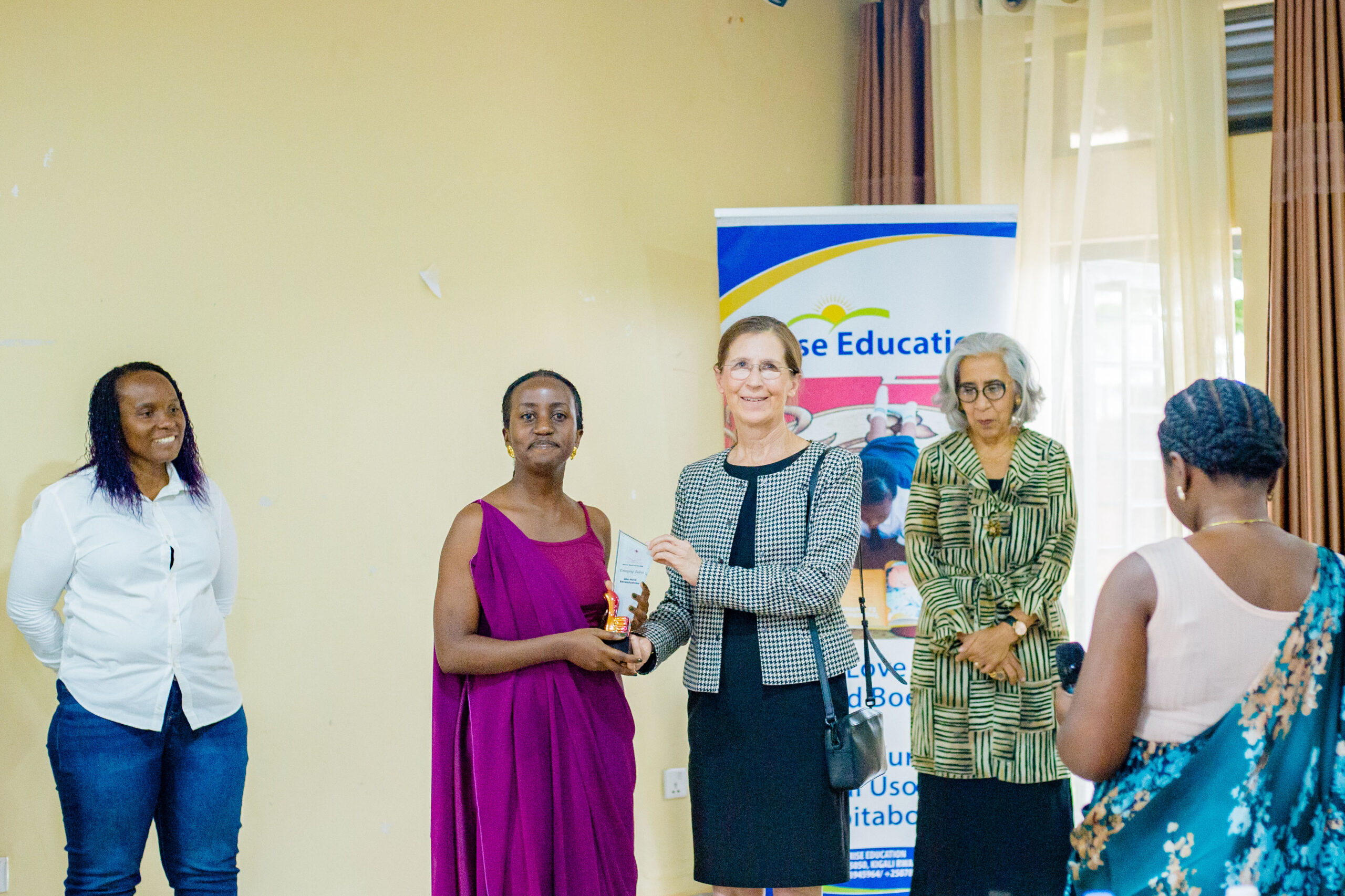
In the publishing leadership category, Inzozi Publishers was recognized for its dedication to promoting literature and supporting writers. The publishing house has played an important role in nurturing emerging voices and ensuring that Rwandan stories reach readers both locally and internationally.
Beyond recognition, the Women Book Awards also emphasize community impact. As part of the initiative, books worth RWF 200,000 were donated to libraries and reading spaces. For author categories, copies of the winning authors’ books were printed and distributed, while other categories included in-kind book donations to support literacy initiatives.
Organizers said the effort ensures that the awards’ impact extends beyond the ceremony to benefit readers, students, and communities.
Distinguished guests highlighted the importance of women’s leadership in literature and creative industries.
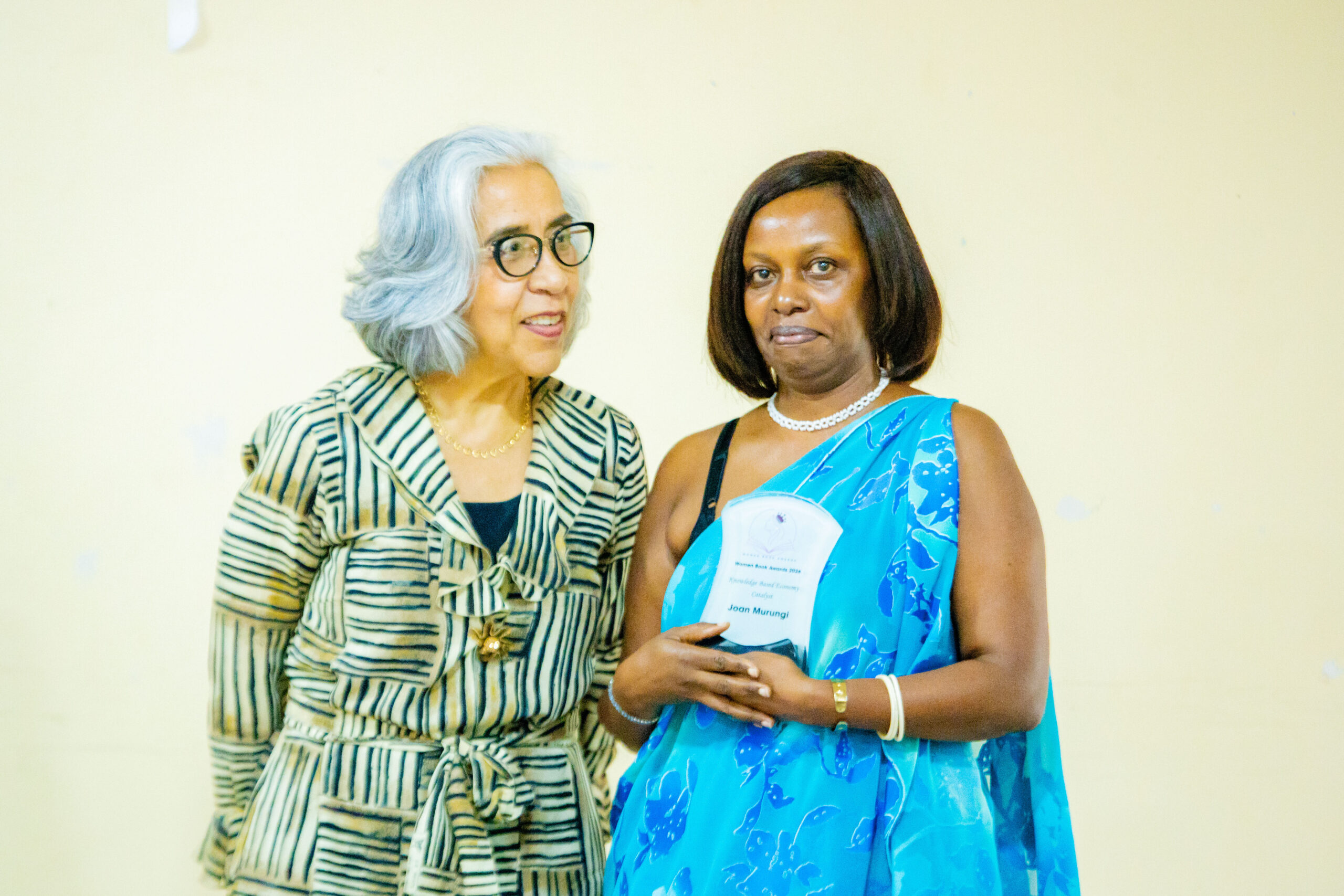
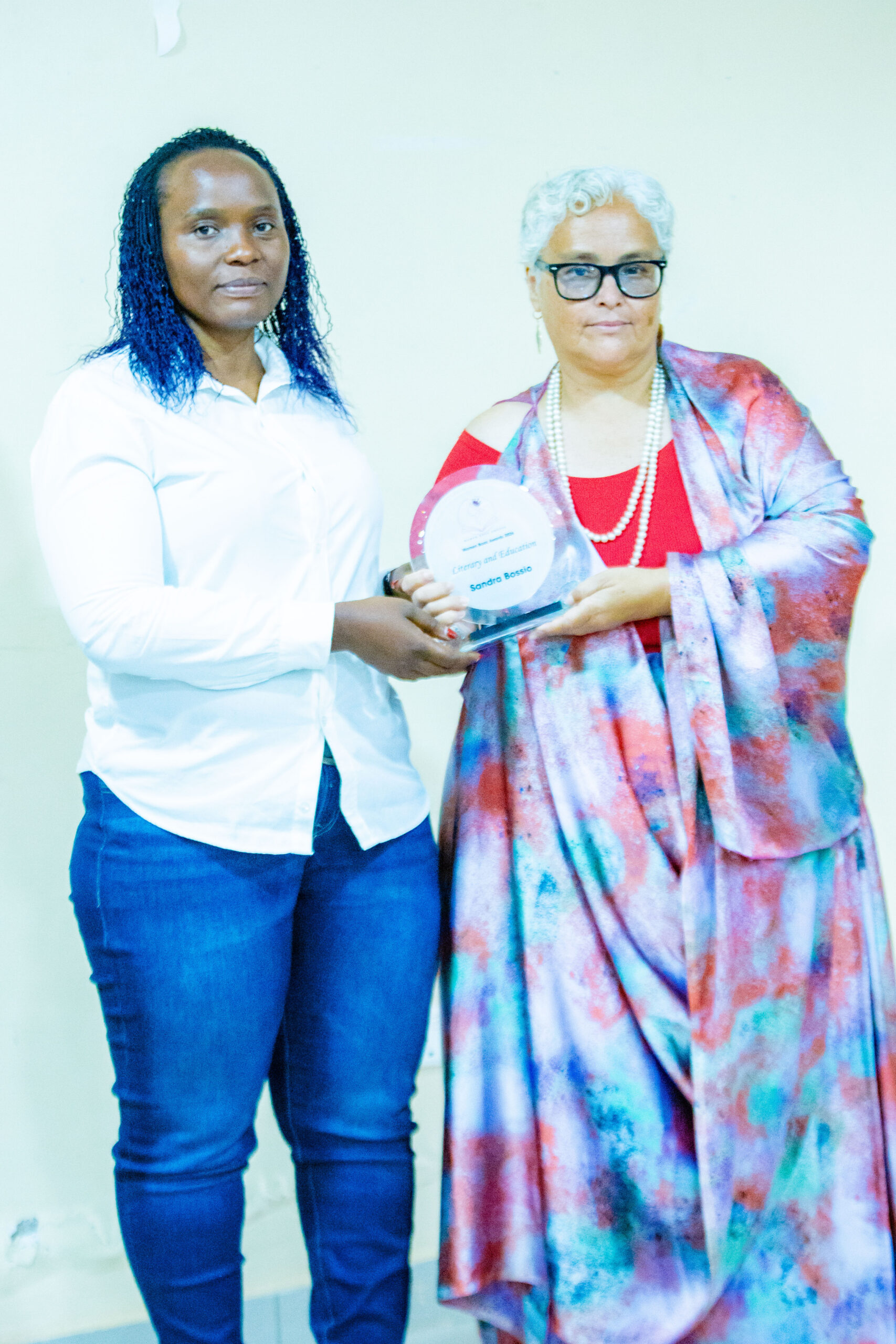 The DDG REB Dr flora mutezigaju awarding Sandra Bossio
Irene Vida Gala, the Ambassador of Brazil to Rwanda, encouraged women to confidently claim their place in professional and cultural spaces.
“Women sometimes need to be a little annoying in order to take up space,” she said with a smile, explaining that persistence and determination are often necessary for women to be heard and recognized. “Not in a negative way, but in a positive way—by speaking up, insisting on opportunities, and refusing to disappear from the spaces where decisions and ideas are shaped.”
Her remarks echoed one of the central themes of the awards: visibility. For many women in publishing, gaining recognition remains challenging, particularly in industries where opportunities and resources are limited.
By highlighting women who excel in writing, publishing, and literary advocacy, the awards seek to create new opportunities for leadership within the sector.
Delivering the keynote address, Brazilian author and activist Bianca Santana reflected on the global significance of women’s representation in leadership. She praised Rwanda’s progress in gender equality, noting that the country has the highest representation of women in parliament worldwide, with women holding about 60 percent of parliamentary seats.
Santana contrasted this with Brazil, where women account for around 18 percent of parliamentarians. She urged writers in attendance to embrace their voices and produce work rooted in quality and authenticity.
“Do not hold back,” she told the audience. “Write boldly, work toward excellence, and let your voices speak through the stories you tell.”
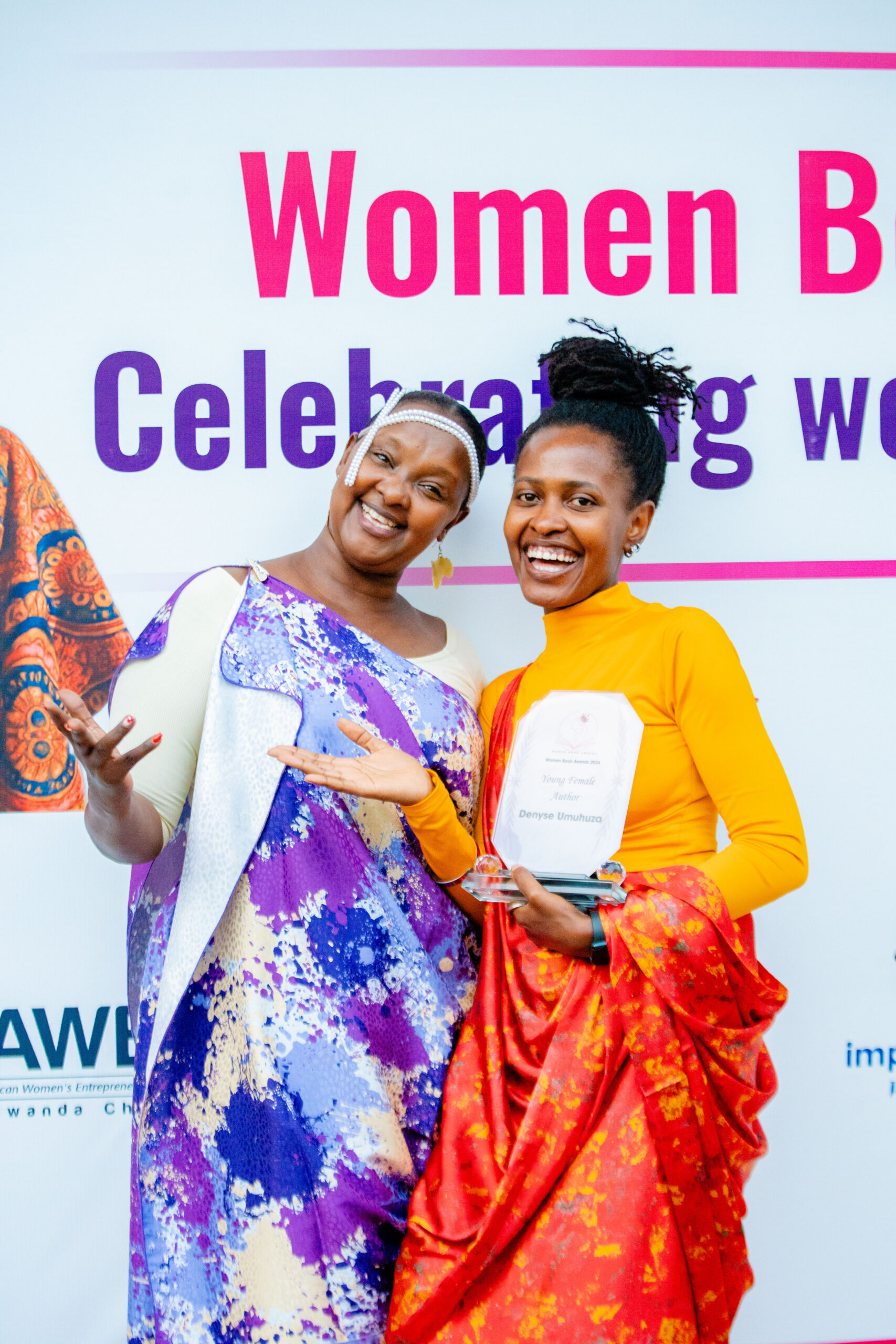 Gasana Mutesi, curator of the Women Book Awards, poses for a photo with awardee Denyse Umuhuza at the 2026 edition of the awards.
The education sector also expressed strong support for the initiative. Representing the Rwanda Basic Education Board, Deputy Director General Dr. Flora Mutezigaju commended writers and publishers for their role in strengthening education through literature.
“We appreciate the important contribution writers make to quality education,” she said. “Writers and publishers help bring knowledge to life and support the development of a reading culture among learners.”
She added that the institution remains committed to supporting literary initiatives that promote education and literacy, encouraging both established and emerging authors to continue contributing to the sector.
The vision behind the Women Book Awards was articulated by the event’s curator, Gasana Mutesi, who said the initiative was created to shine a spotlight on women whose contributions to the book industry often go unnoticed.

“The Women Book Awards aim to showcase the incredible women working in the book sector and to give them a platform for growth and visibility,” she said. “There are many talented women writing, publishing, editing, and promoting books, and their work deserves recognition.”
She added that the 2026 edition marks the beginning of a broader effort to strengthen Rwanda’s literary community while encouraging more women to pursue careers in writing and publishing.
As the evening concluded, the ceremony served as a reminder that literature is more than an art form—it is a force that shapes societies, preserves stories, and inspires new ideas.
For many attendees, the Women Book Awards represented not only a celebration of achievement but also a statement about the future of literature in Rwanda.
With growing support from educators, cultural institutions, and the diplomatic community, the awards signal a promising step toward ensuring that women’s voices remain central in shaping Rwanda’s literary and intellectual landscape.
theinspirerpublications@gmail.com




Leave a Reply