
Five public officials fail to explain source of wealth, Ombudsman reports
By The Inspirer.
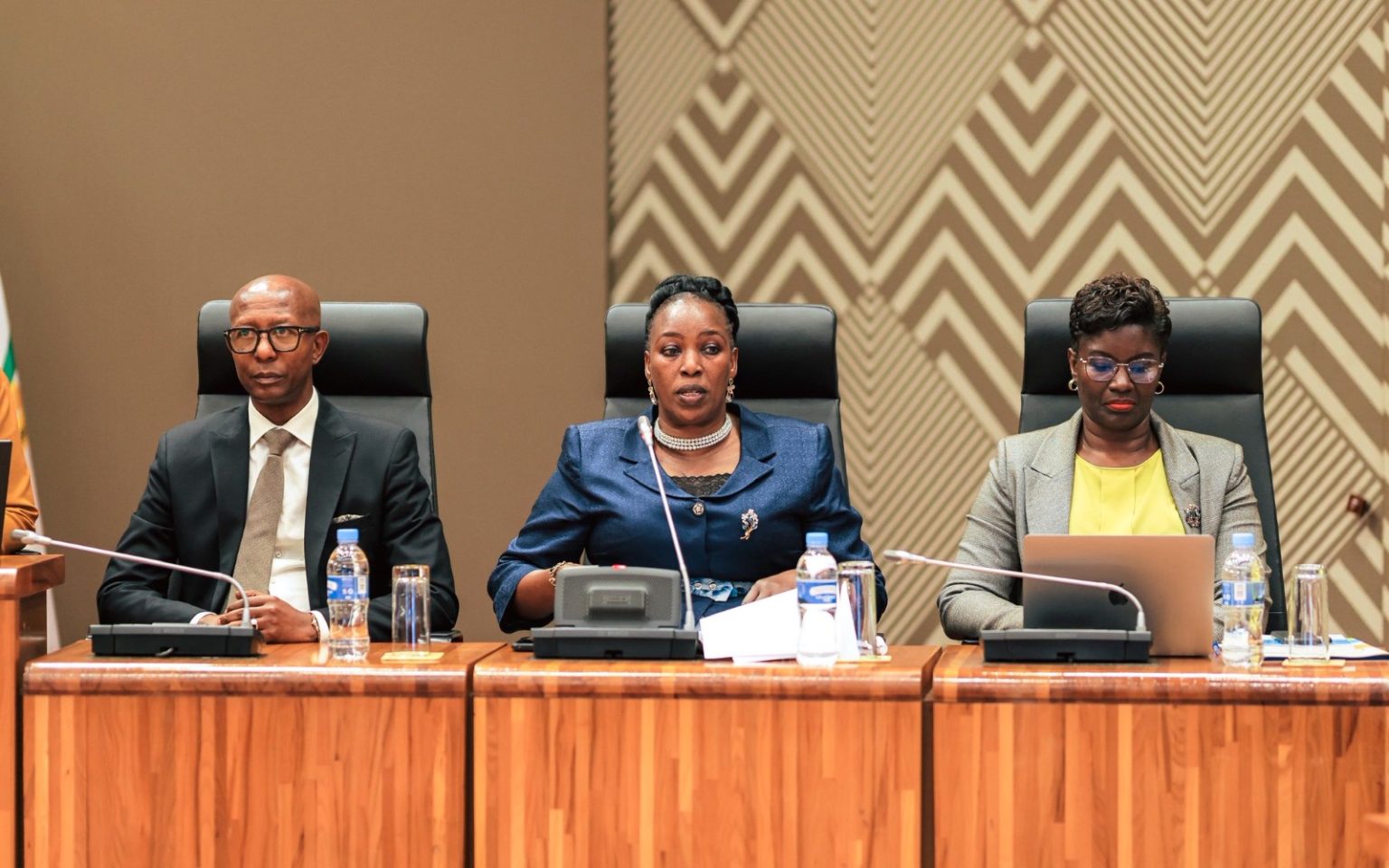
Five public officials responsible for finance and asset management failed to explain the source of their wealth during asset verification exercises conducted by Rwanda’s Office of the Ombudsman, with three cases referred to relevant authorities for investigation.
The findings are contained in the Ombudsman’s 2025–2026 annual report presented to both chambers of Parliament by Chief Ombudsman Madeleine Nirere.
According to the report, the office examined the assets of 3,794 officials from 29 institutions over three fiscal years, from 2023–2024 to 2025–2026, to assess compliance with laws governing asset declarations.
The officials included those responsible for finance, asset management, internal auditing and public procurement.
“Of the officials examined across 29 institutions, five could not explain the source of their wealth. Reports on three were referred to the relevant authorities for investigation, while further information is still being sought in the remaining cases,” Nirere said.
The Ombudsman’s office also reviewed the assets of 2,084 employees in 11 districts. Three of them failed to explain the source of their wealth, and their cases were referred to the relevant authorities for investigation.
Ombudsman returns more than Rwf100 million to state treasury
Nirere told lawmakers that budget constraints limited the asset verification exercise to five districts, explaining that the office lacked sufficient funding to extend it further.
She also said the office returned more than Rwf100 million to the national treasury because the money, initially allocated for staff salaries, had not been fully spent.
“The money returned by the Office of the Ombudsman was not intended for activities under our mandate; it was allocated for salaries,” she said.
Nirere explained that some positions were filled by acting staff, leaving part of the salary budgets unspent. The office also saved money by working with other institutions that covered the costs of activities such as staff training.
For example, when a ministry requests training for its employees and pays the associated costs, the Ombudsman’s office can save the funds it had budgeted for that activity.
The savings were subsequently returned to the national treasury, she said.



Leave a Reply