
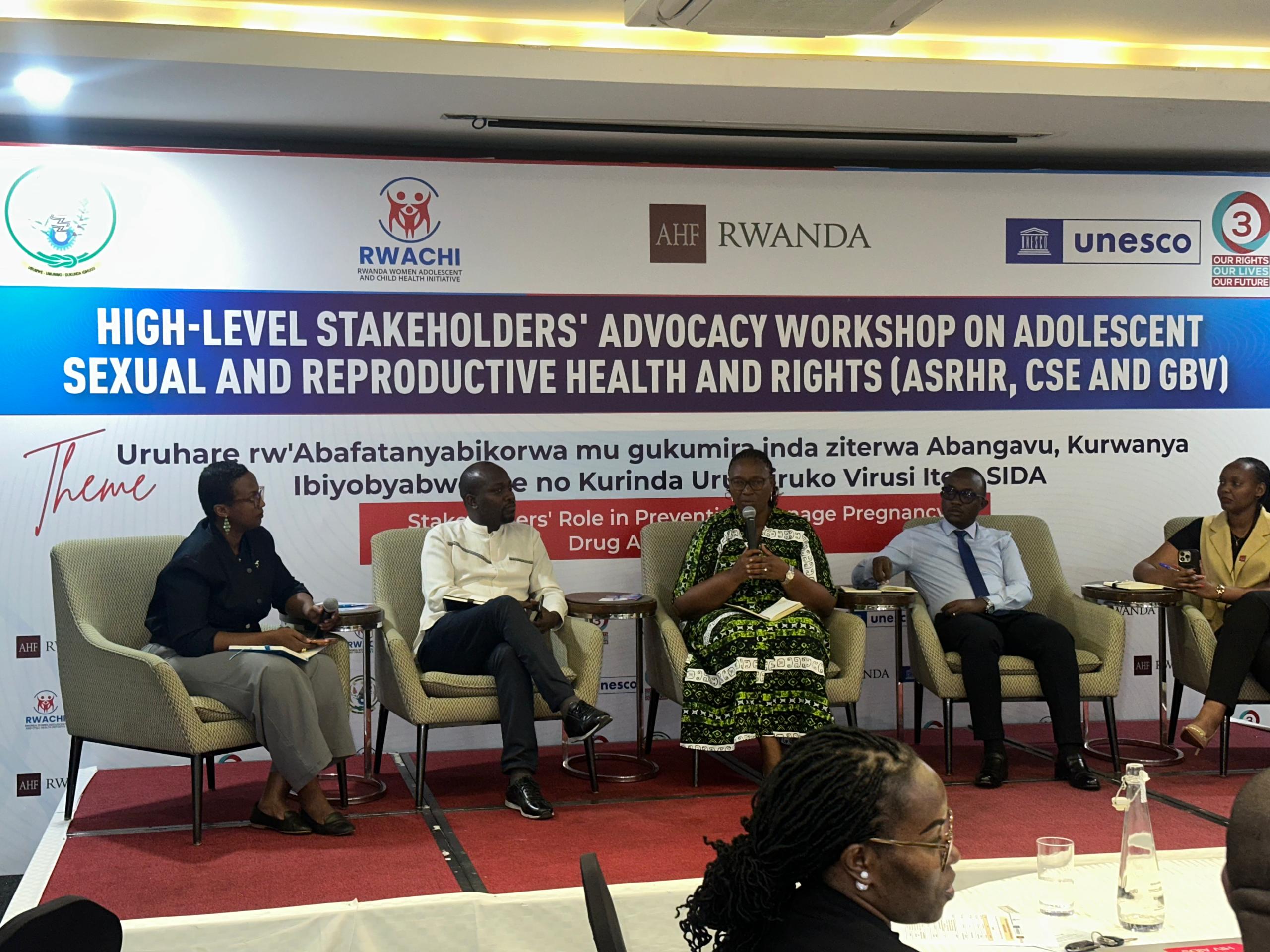
Kigali workshop highlights stakeholders’ role in preventing teenage pregnancy and promoting adolescent health
By Elias Hakizimana.
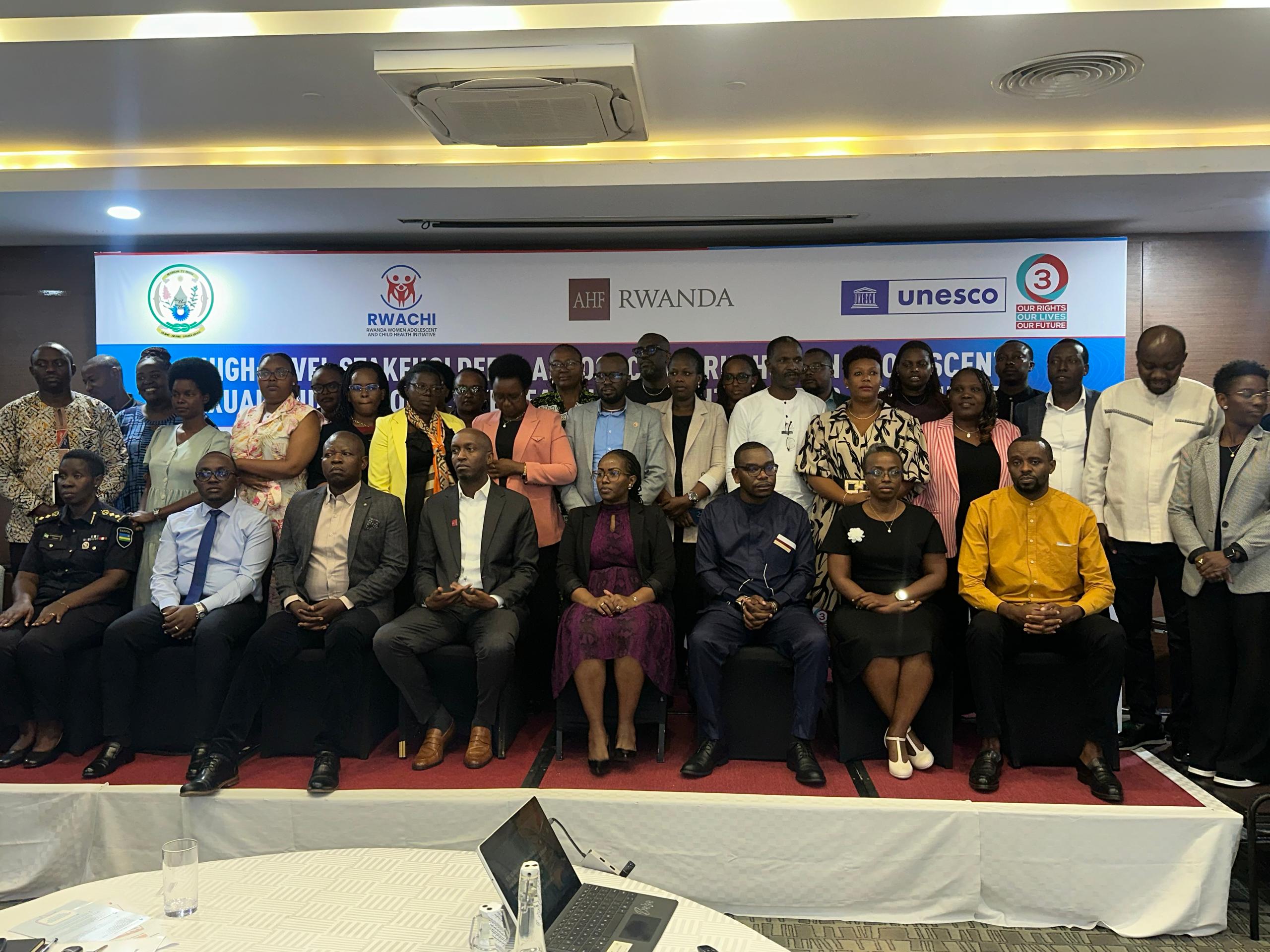
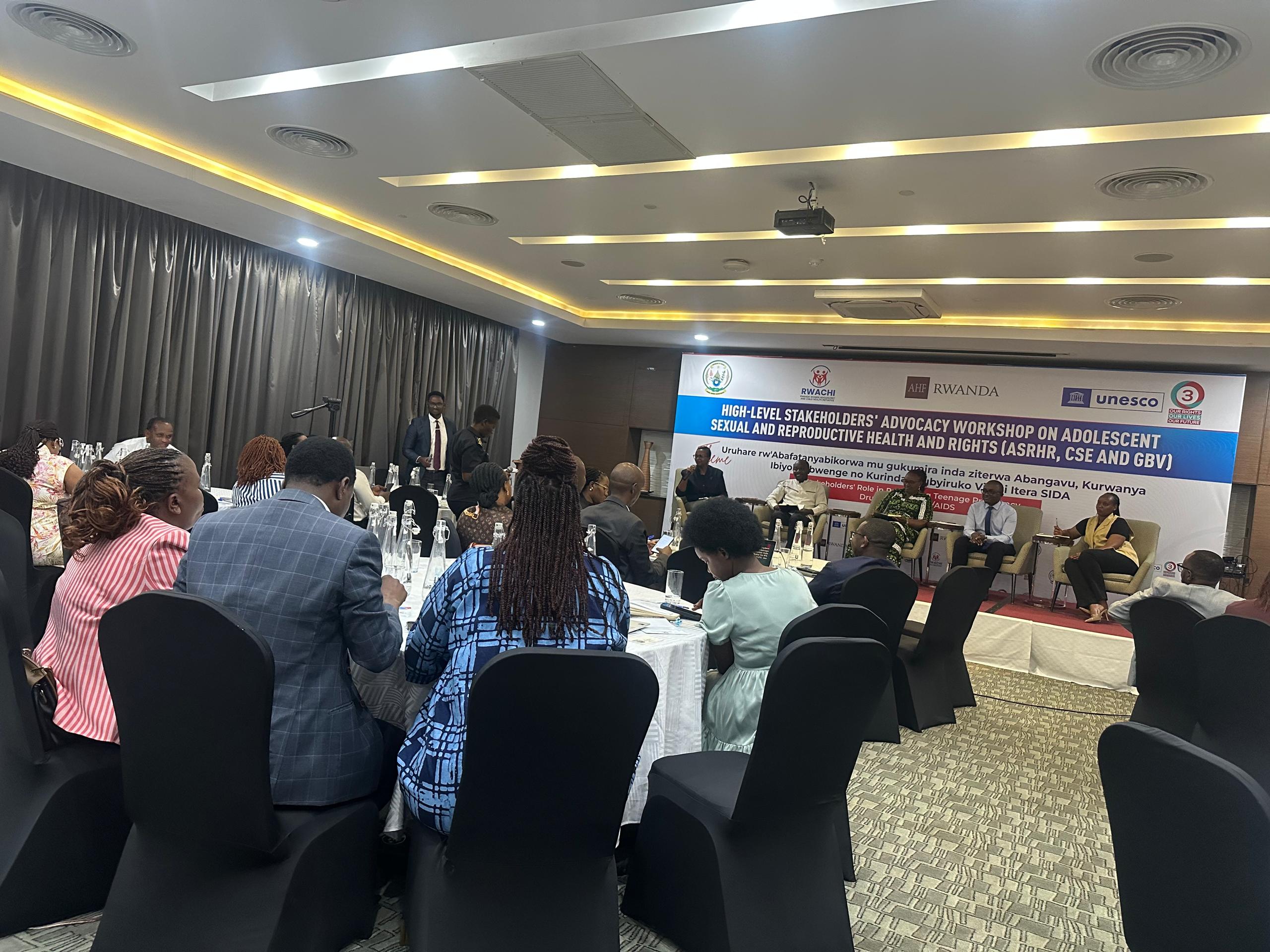
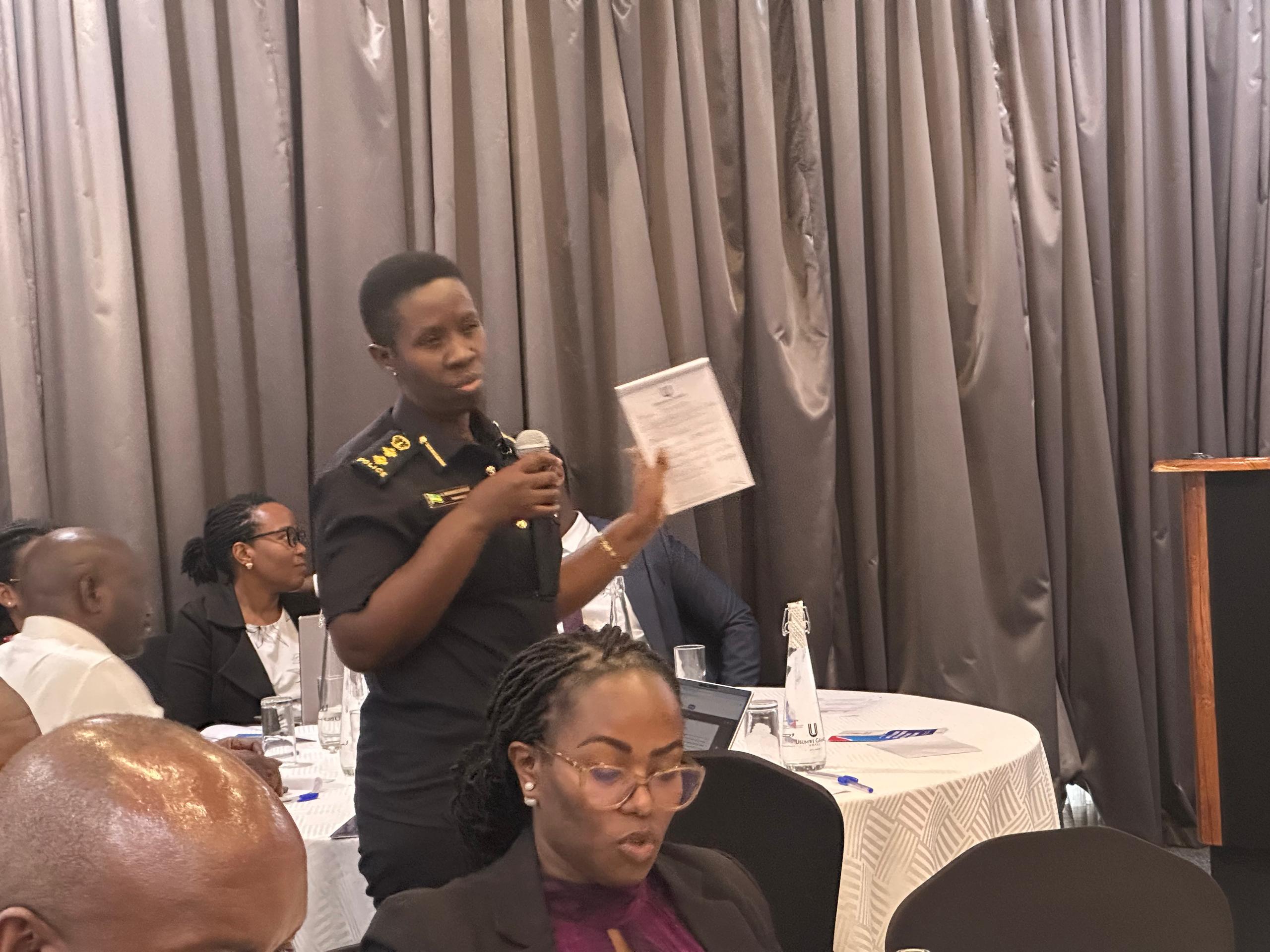
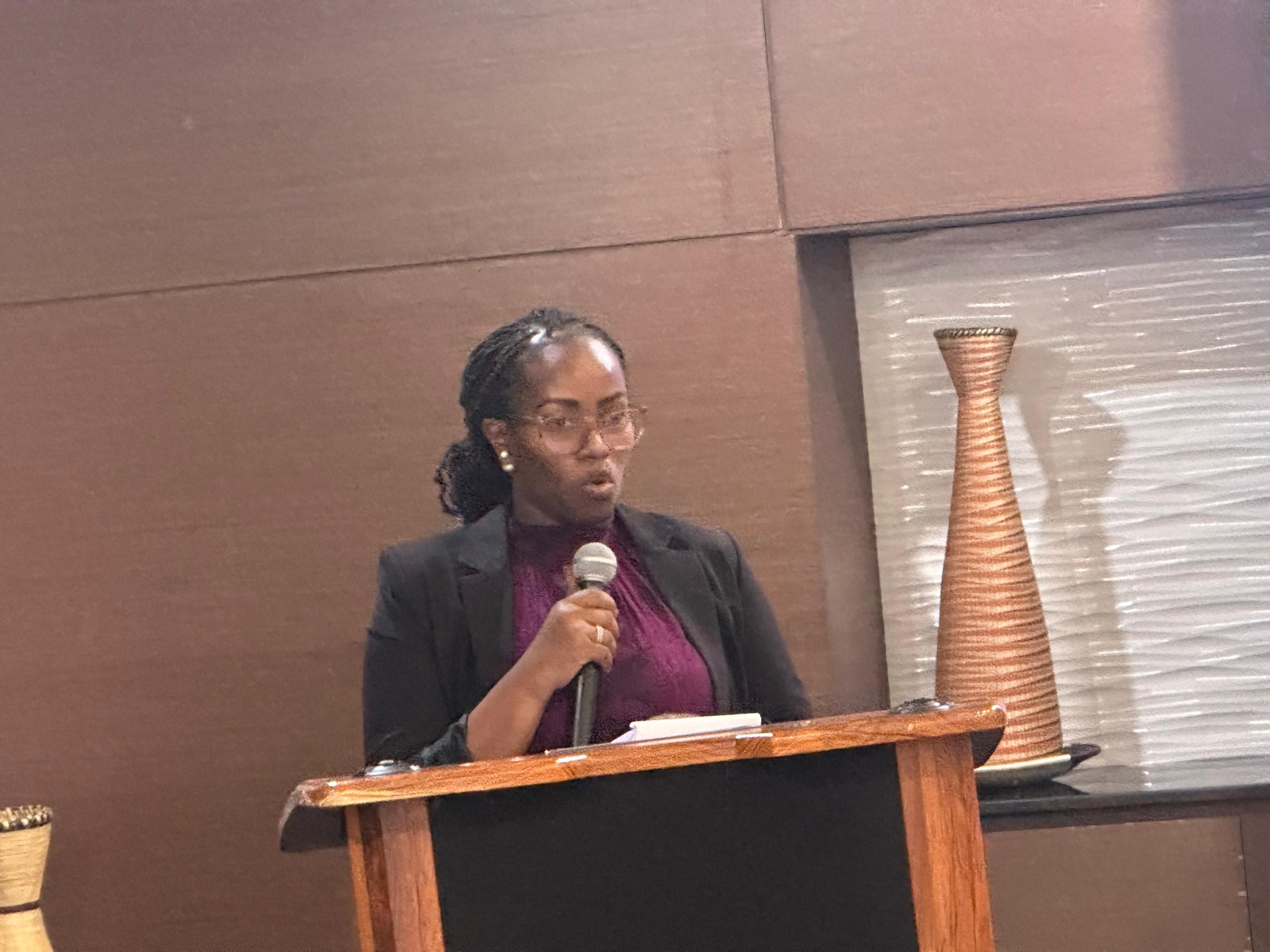
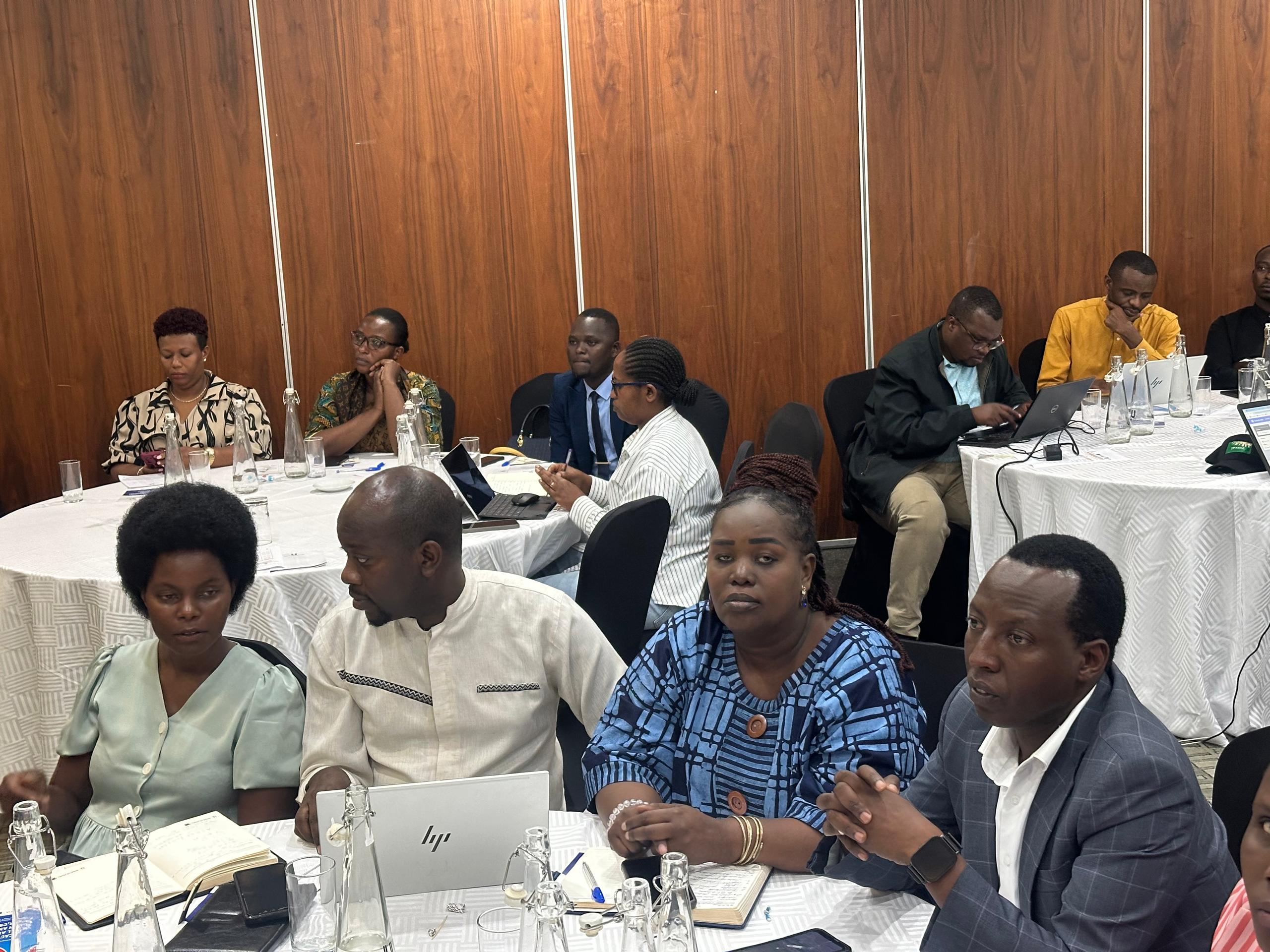
A high-level stakeholders’ advocacy workshop held in Kigali on March 6, 2026, brought together government officials, local leaders, and development partners to strengthen efforts to curb teenage pregnancies and promote adolescent health in Rwanda.
The workshop was convened by the Rwanda Women and Children Health Initiative (RWACHI), with funding support from AIDS Healthcare Foundation (AHF) Rwanda and UNESCO through the O3 Programme, focusing on advancing Adolescent Sexual and Reproductive Health and Rights (ASRHR).
Participants included representatives from key government institutions such as the Ministry of Gender and Family Promotion (MIGEPROF), Ministry of Local Government (MINALOC), Ministry of Health (MoH), Rwanda Biomedical Center (RBC), Ministry of Education (MINEDUC), and the Ministry of Youth and Arts (MoYA).
Vice mayors in charge of social affairs from various districts, development partners, NGOs, civil society organizations, the Imbuto Foundation, and representatives from the National Commission for UNESCO (CNRU) also attended the meeting.
Its theme—“Stakeholders’ Role in Preventing Teenage Pregnancy, Drug Abuse and HIV/AIDS”—highlighted the urgent need for collaborative approaches to address rising rates of teenage pregnancies, which recent research indicates have jumped from 5 percent in 2020 to 8 percent in 2025.
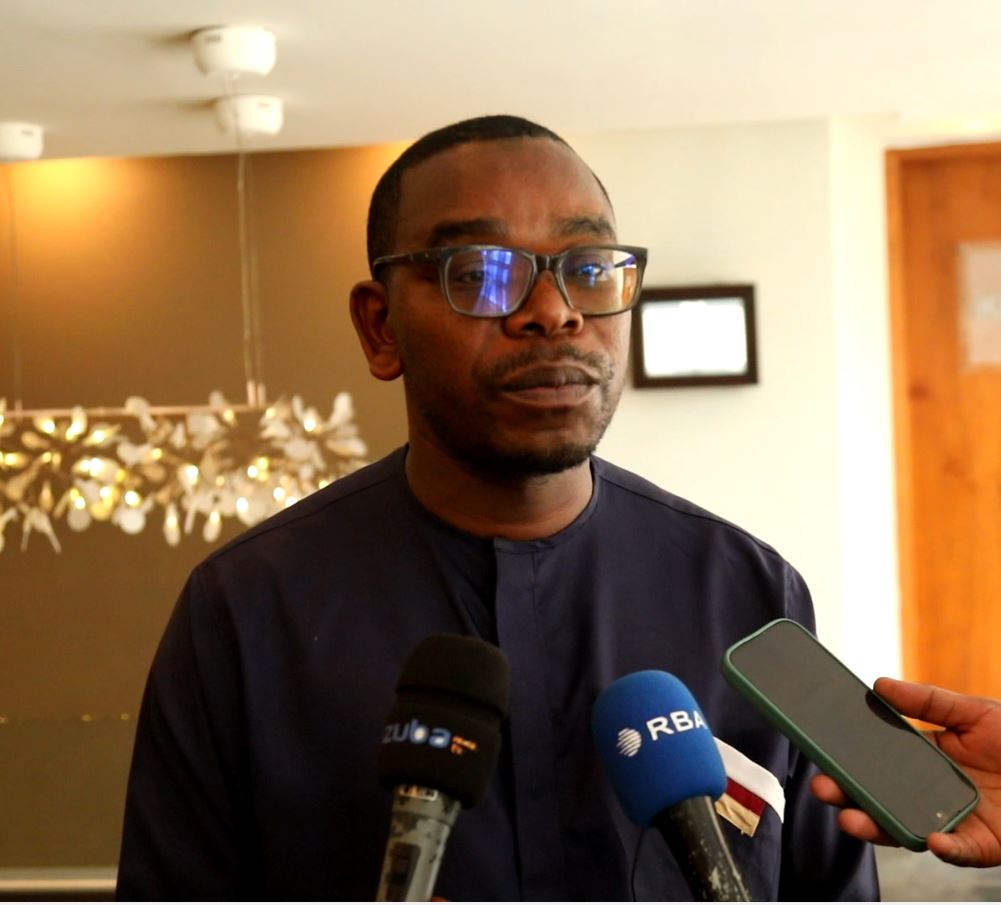
Dr. Ben Alexandre Mpozembizi (PhD), UNESCO/Rwanda Antenna/Kigali, who coordinates the Our Rights, Our Lives, Our Future project, highlighted the challenges faced by adolescents today.
“Teenage pregnancies are on the rise, and this is a global challenge as much as a national one,” Dr. Ben said. “Social media exposes young people to misinformation faster than parents can guide them. Our goal is to equip youth with accurate knowledge about reproductive health, HIV prevention, and sexual violence. By working with government and NGOs, we aim to cascade this knowledge down to grassroots communities, so that young people can make informed choices and stay safe.”
He added that parent-child communication is critical. “Parents must engage their children early and openly about sexual and reproductive health. It is part of our role to support this dialogue and empower families.”
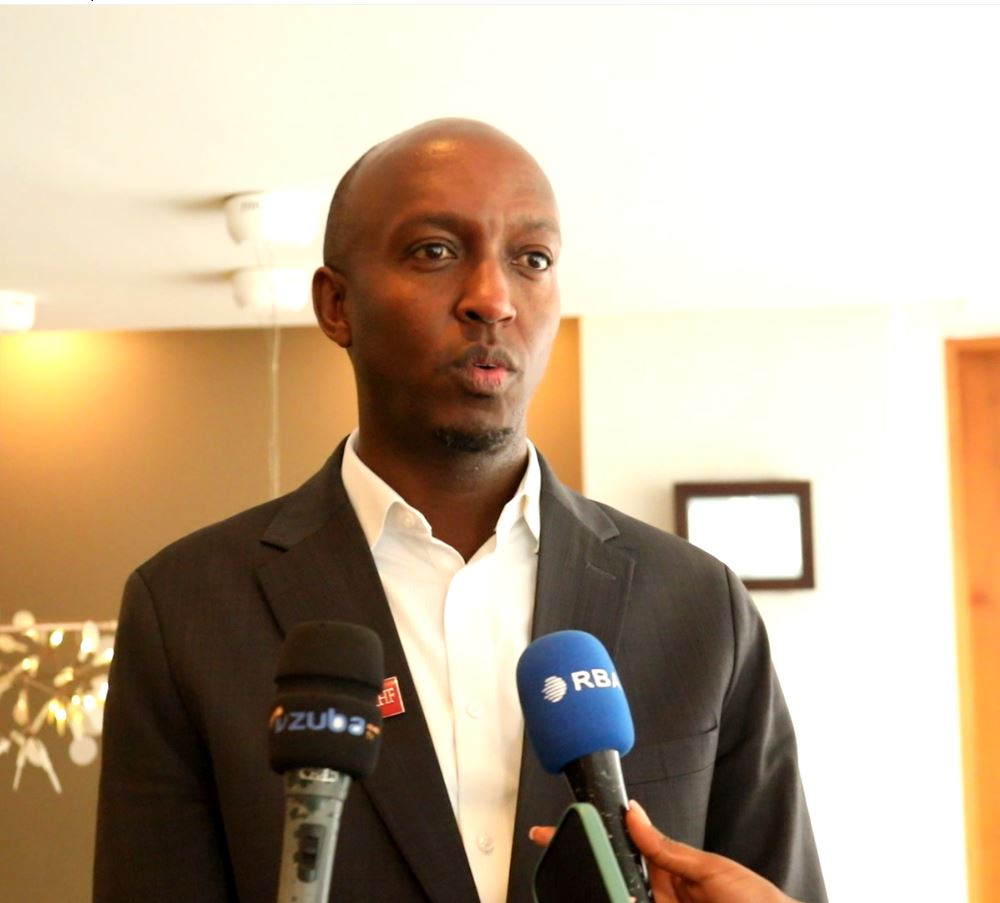
Lambert Rangira, Country Program Manager of AHF-Rwanda, reiterated the need for collective responsibility, emphasizing that preventing teenage pregnancy and HIV/AIDS requires joint efforts from government, civil society, parents, and communities.
“Our vision is to reduce teenage pregnancies to 1.5 percent by 2029. Achieving this requires everyone’s contribution—from schools to health centers, from families to NGOs,” Rangira said. “Through youth corners, peer education, counseling, and access to condoms, we provide adolescents with the tools to make safe choices.
However, gaps remain. For example, some ‘hotspots’ previously equipped with condom kiosks no longer have access. Ensuring consistent availability is vital for comprehensive prevention.”
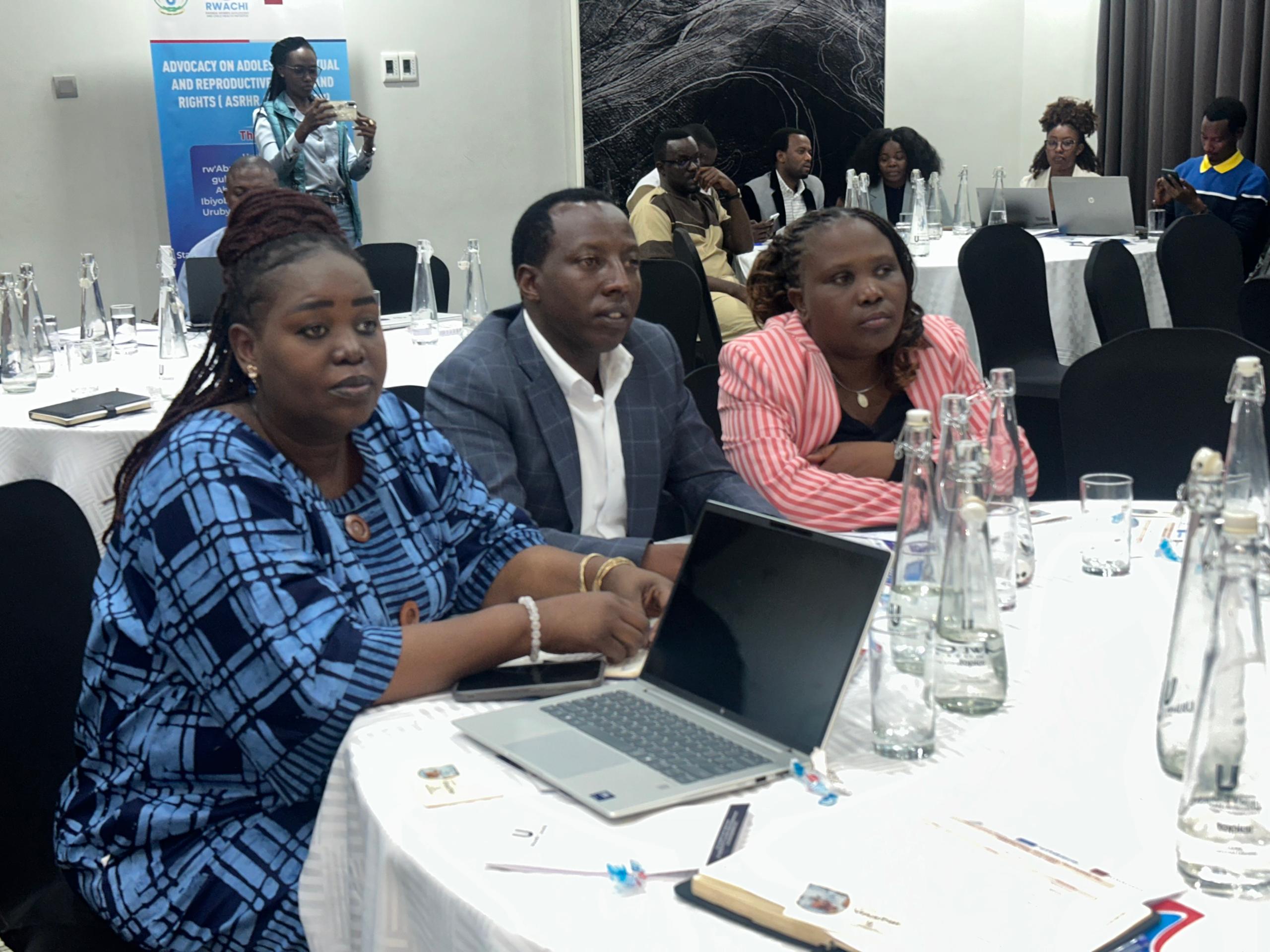
The workshop also highlighted cultural barriers
Dr. Aline Uwimana, Maternal, Child and Community Health Division Manager at the Rwanda Biomedical Center (RBC), emphasized the role of parents.
“Parents often do not discuss sexual health with their children due to cultural taboos. As a result, young people rely on peers or social media, which can provide misleading information,” she said. “Families experiencing conflict are particularly at risk. We encourage parents to actively guide their children and maintain open communication at home.”
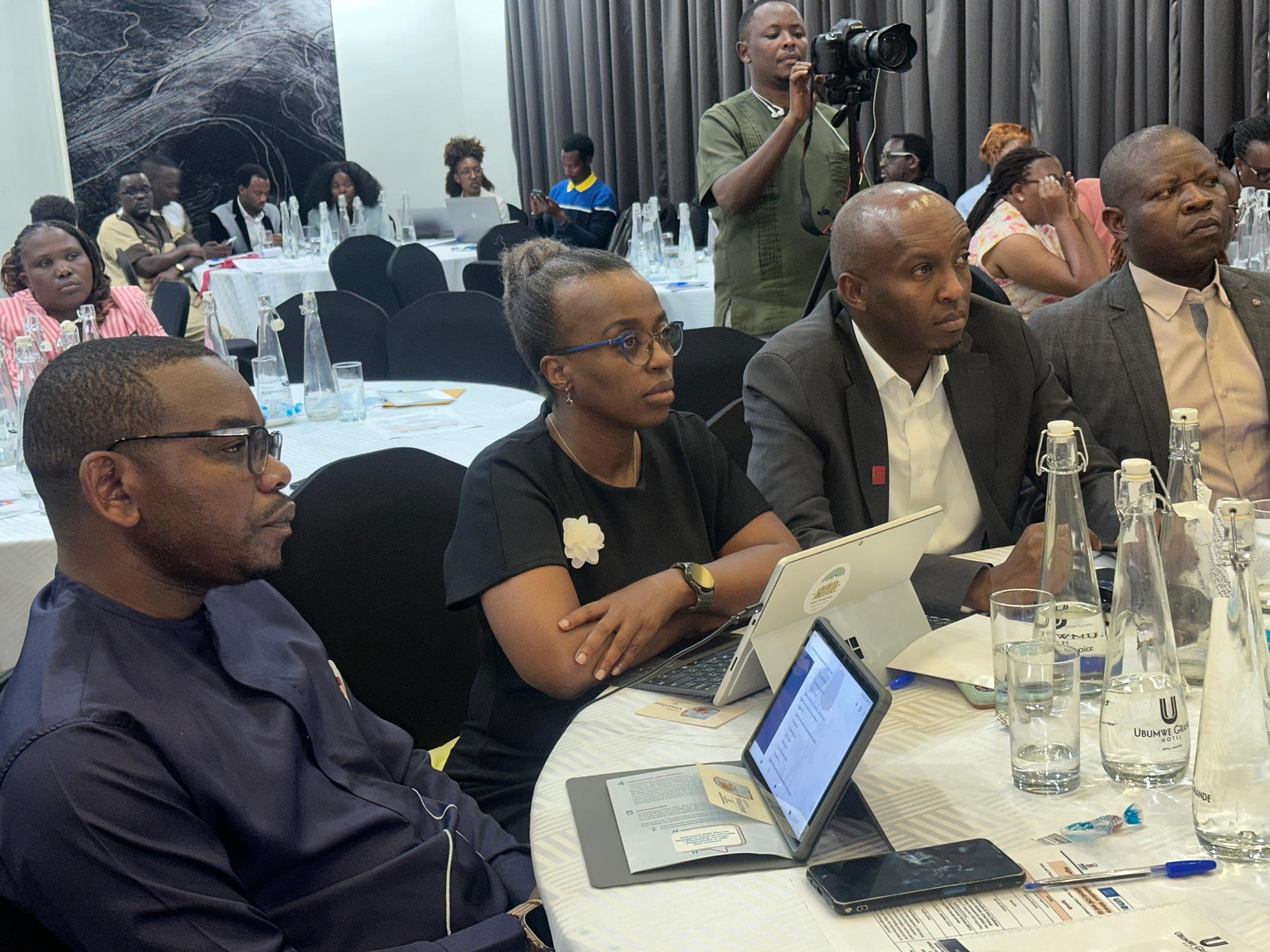
Aline Umutoni, Director General in charge of Family Promotion and Child Protection at MIGEPROF, emphasized the wider consequences of teenage pregnancies.
“Teen mothers face educational, social, and economic challenges. Our role is to increase advocacy, implement policies, and provide reintegration support. Currently, 50 health facilities nationwide offer comprehensive services—including counseling, healthcare, and legal assistance—through Isange One Stop Centers.”
Local authorities shared practical examples from their districts
Juliet Murekatete, Vice Mayor of Nyagatare in charge of social affairs, highlighted community-based programs such as RISE and initiatives targeting out-of-school children.
“We focus on training families to build strong relationships with their children. When children trust their parents, they are less vulnerable to abuse or exploitation,” she said. Her office has trained 360 families across multiple sectors on conflict resolution and positive parenting.
The workshop concluded with remarks from Jacques Nsengiyumva, Executive Director of RWACHI, who stressed the importance of coordinated efforts.
“At RWACHI, we urge all stakeholders—government, partners, and citizens—to prioritize the emotional and physical well-being of children. Prevention of teenage pregnancy begins at home. Parents should talk with their children from an early age, using resources such as the recently released Parent-Adolescent Communication (PAC) book by Imbuto Foundation. Together, we can raise a generation free from abuse, informed about their reproductive health, and full of hope for the future.”
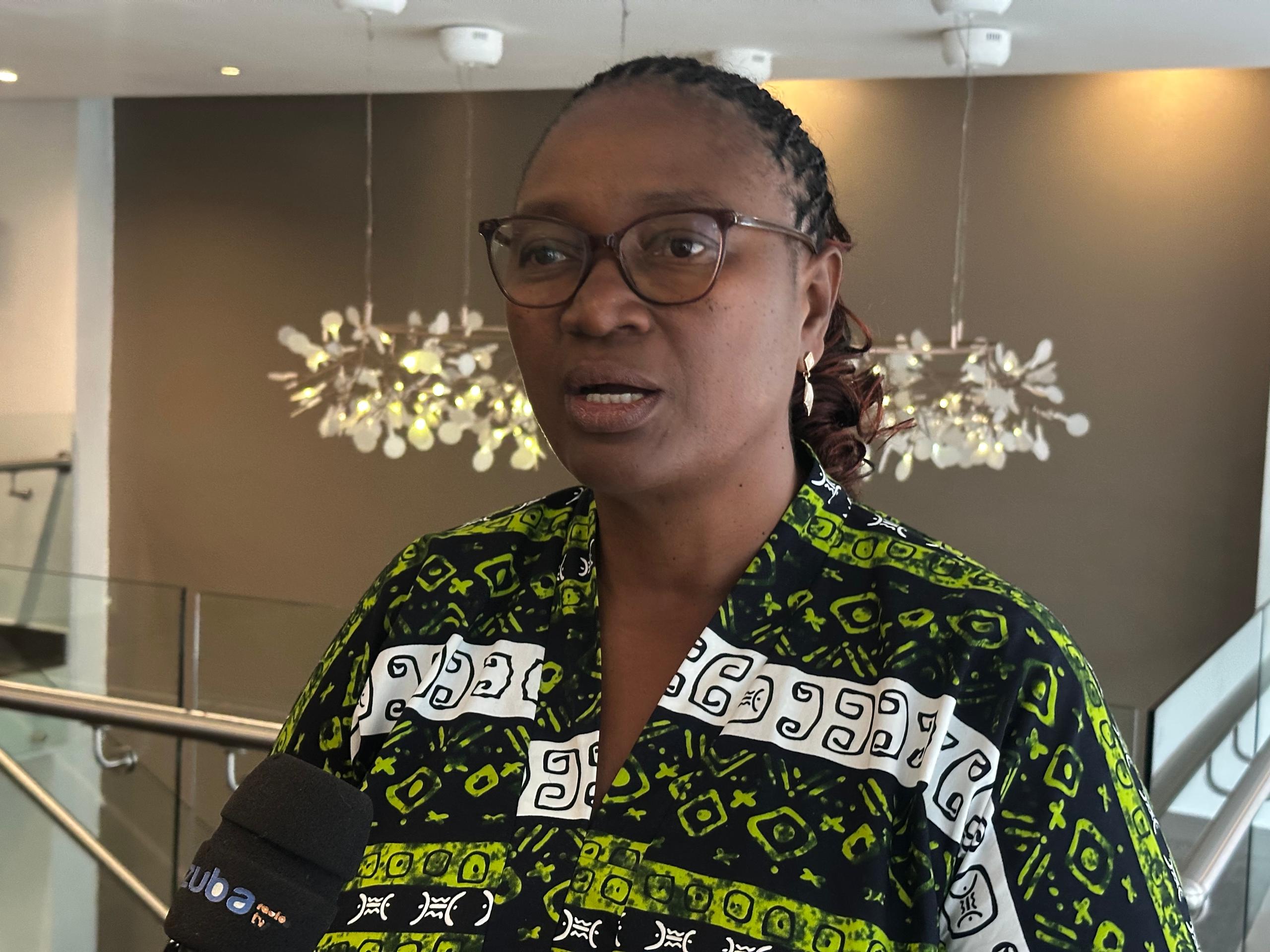
Participants left the workshop with concrete recommendations: strengthen parent-child communication, ensure access to adolescent-friendly health services, expand peer education programs, and engage communities in ongoing awareness campaigns.
The Kigali workshop served as a reminder that adolescent health is not only a public health issue but also a societal responsibility.
With continued collaboration between government, civil society, families, and international partners, Rwanda is working to create an environment where young people can grow safely, make informed decisions, and pursue their potential without fear of sexual exploitation, early pregnancy, or preventable diseases.
 theinspirerpublications@gmail.com




Leave a Reply